
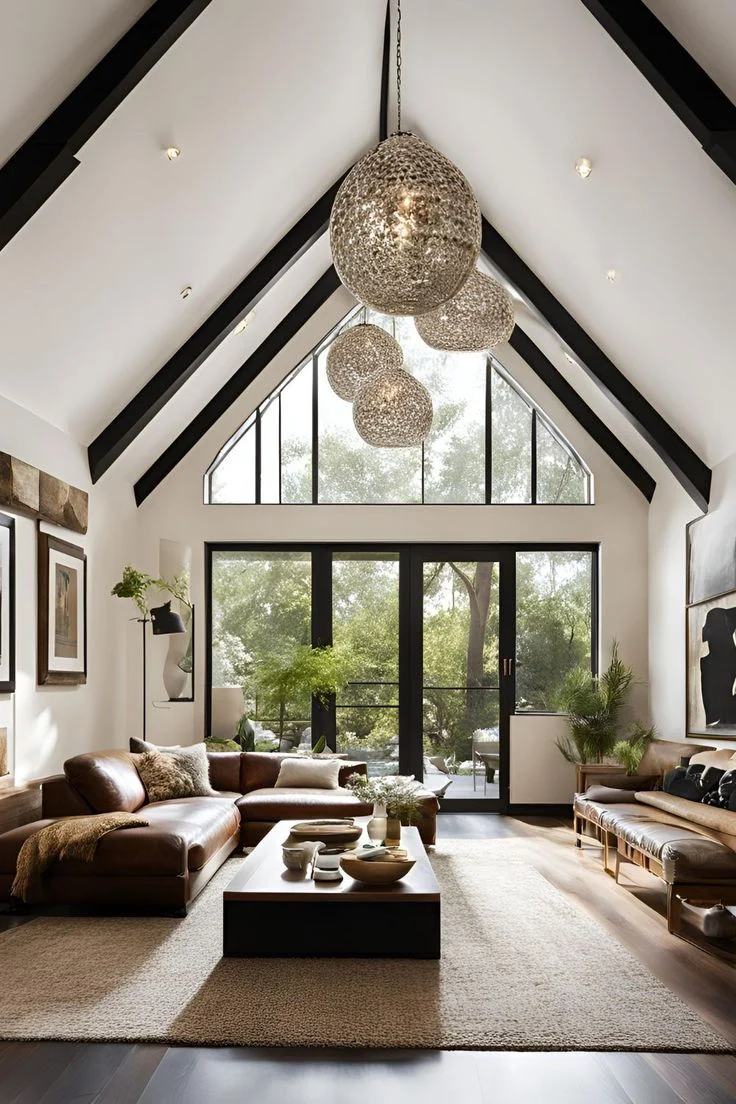
Table of Contents
- Understanding the Challenges of Lighting Vaulted Ceilings
- Assessing Height, Shape, and Room Function
- Best Lighting for Vaulted Ceilings: Choosing the Right Fixtures
- Layered Lighting Strategies for High Spaces
- Energy‑Efficient Options for Vaulted Ceilings
- Smart Controls and Dimmer Solutions
- Styling Tips: Integrating Light with Interior Design
- Maintenance and Long‑Term Considerations
- Quick Home Décor Tips for Vaulted Ceilings
- Common Mistakes to Avoid
- Frequently Asked Questions
- Conclusion
Best Lighting for Vaulted Ceilings: A Complete Guide
Vaulted ceilings create a dramatic sense of space, but they also pose a unique lighting challenge. The soaring height can leave corners in shadow, make a room feel cold, or cause glare if the wrong fixtures are chosen. Whether you’re refreshing a living room, bedroom, or kitchen with a vaulted roof, selecting the best lighting for vaulted ceilings is essential to balance ambience, function, and style. This guide walks you through the fundamentals, offers practical fixture recommendations, and shares design tricks that turn a lofty ceiling into a luminous centerpiece.
In the sections that follow, you’ll learn how to assess your ceiling’s proportions, layer light effectively, choose energy‑efficient options, and integrate smart controls. We’ll also explore common pitfalls and answer the most frequent questions homeowners ask about high‑ceiling illumination. By the end of the article, you’ll have a clear roadmap for lighting decisions that enhance both the architecture and the everyday comfort of your home.
Understanding the Challenges of Lighting Vaulted Ceilings

Before diving into specific fixtures, it’s important to recognize why vaulted ceilings require a different approach than standard rooms. The increased vertical space can cause light to dissipate before it reaches the living area, leaving the floor level under‑lit. Additionally, the angle of the roof may limit the placement of wall sconces or affect how pendant lights hang. Properly addressing these challenges ensures that the best lighting for vaulted ceilings not only highlights the architectural feature but also creates a functional, inviting environment.
Assessing Height, Shape, and Room Function
- Height matters: Rooms under 12 ft often benefit from a central chandelier or oversized pendant, while heights above 20 ft may need a combination of recessed lighting and uplighting.
- Shape influences distribution: A perfect “V” shape can create shadow pockets at the apex; a curved or cathedral ceiling may require linear fixtures that follow the contour.
- Room purpose dictates brightness: A kitchen demands task lighting over work surfaces, whereas a bedroom leans toward softer, ambient illumination.
Take note of these factors when selecting the best lighting for vaulted ceilings, because a one‑size‑fits‑all solution rarely works in high‑ceiling spaces.
Best Lighting for Vaulted Ceilings: Choosing the Right Fixtures
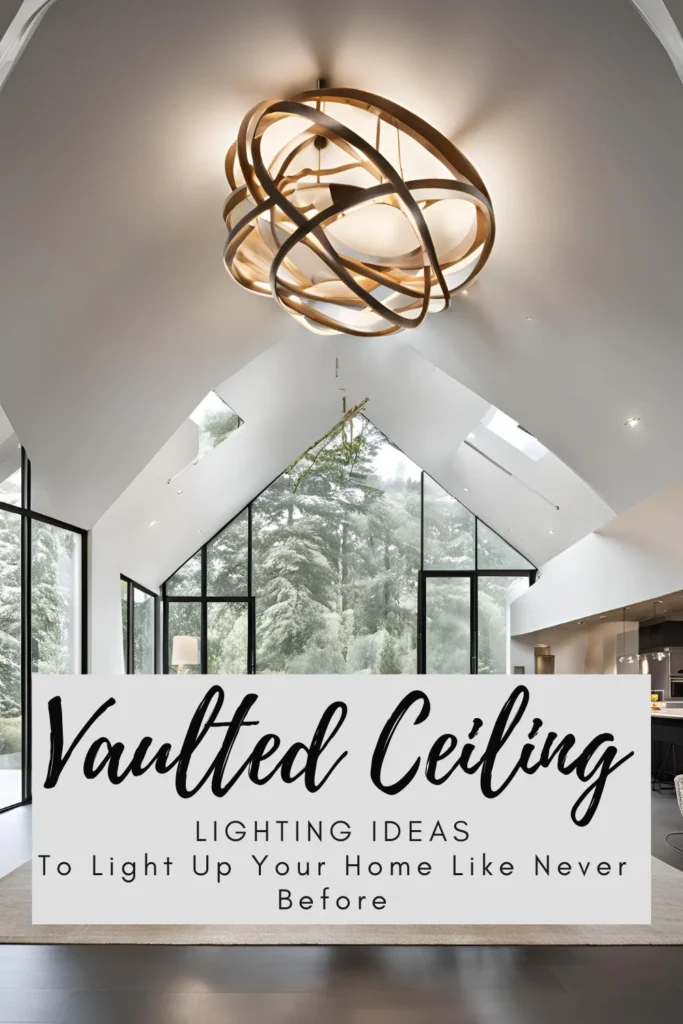
Choosing the right fixture is the cornerstone of successful high‑ceiling illumination. The goal is to select pieces that provide adequate light spread without overwhelming the space. Here are the most effective fixture types for vaulted rooms:
- Oversized Chandeliers: Ideal for dramatic impact, especially in living rooms or foyers. Look for chandeliers with multiple arms and diffused glass to soften glare.
- Linear Pendant Lights: Perfect for kitchens with a rectangular vault. Install them in a row to create an even wash of light across countertops.
- Recessed Downlights: Offer a sleek, low‑profile solution. Use a grid pattern to cover the entire ceiling area, ensuring consistent illumination.
- LED Uplights: Mount near the apex to bounce light off the ceiling, adding depth and a subtle glow.
- Track Lighting: Provides flexibility for highlighting artwork or architectural details; can be angled to reach lower zones.
When buying, prioritize fixtures with dimmable LED bulbs; they give you control over intensity and help you adapt the best lighting for vaulted ceilings to different moods and activities.
Layered Lighting Strategies for High Spaces
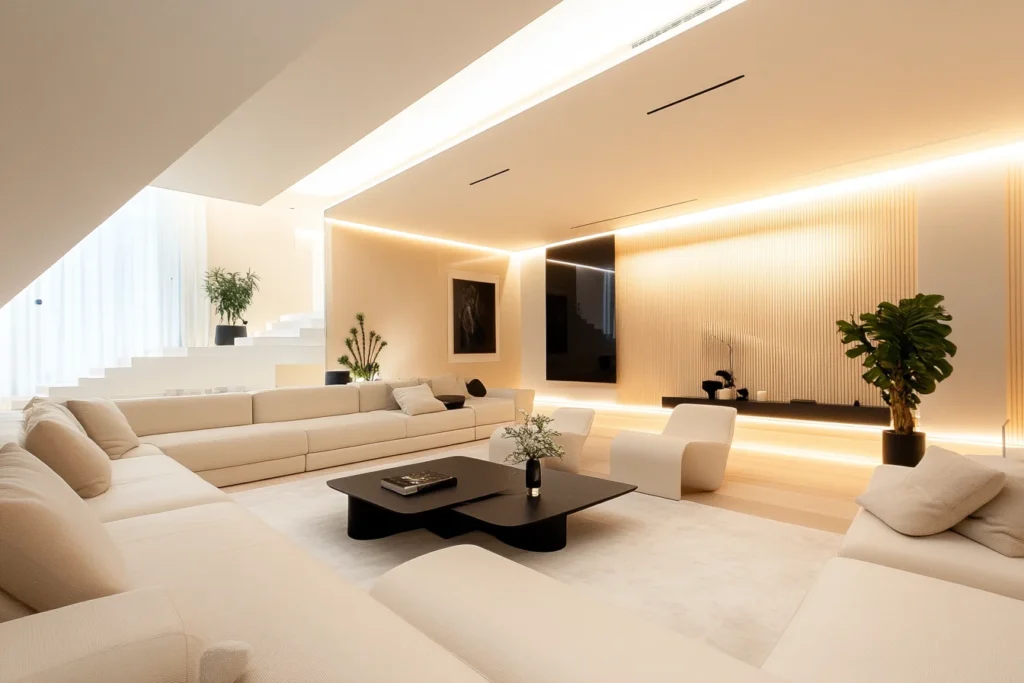
Relying on a single light source rarely delivers the balance needed for vaulted rooms. Layered lighting—combining ambient, task, and accent light—creates depth, reduces eye strain, and highlights architectural features. Here’s how to layer effectively:
- Ambient Layer: Use recessed downlights or a central chandelier to provide overall illumination.
- Task Layer: Add pendant lights over kitchen islands, desk lamps in a home office, or vanity lights in a bathroom to focus light where it’s needed.
- Accent Layer: Install wall sconces, LED strips behind crown molding, or uplights aimed at the ceiling to emphasize texture and height.
By integrating these three layers, you’ll achieve the best lighting for vaulted ceilings that feels both functional and atmospheric. For example, a modern living room could feature a sleek chandelier (ambient), floor lamps beside a sofa (task), and hidden LED cove lighting (accent) that washes the vaulted surface with a soft glow.
Energy‑Efficient Options for Vaulted Ceilings
Lighting a large volume of space can quickly become costly if you rely on traditional incandescent bulbs. Fortunately, LED technology offers high output with low energy consumption, making it the top choice for the best lighting for vaulted ceilings. Consider these energy‑saving strategies:
- High‑Lumen LEDs: Look for fixtures rated at 1,600–2,000 lumens per bulb for areas under 20 ft high.
- Smart Dimmers: Pair LEDs with dimmers that adjust brightness based on time of day, reducing overall usage.
- Zoned Controls: Install separate circuits for ambient, task, and accent layers; you can turn off sections you don’t need.
- Daylight Sensors: In rooms with ample natural light, sensors can automatically lower artificial light levels, saving energy.
Switching to LED not only cuts electricity bills but also extends the lifespan of your fixtures, a critical factor when you’re investing in premium pieces for a vaulted ceiling.
Smart Controls and Dimmer Solutions
Modern homes increasingly rely on automation to enhance comfort and efficiency. When it comes to the best lighting for vaulted ceilings, integrating smart controls offers several advantages:
- Wireless Dimming: Use Wi‑Fi or Zigbee dimmers that let you adjust brightness from your phone or voice assistant.
- Scenes & Routines: Program “Movie Night,” “Reading,” or “Entertain” scenes that automatically set the right mix of ambient and accent lighting.
- Remote Monitoring: Keep an eye on energy consumption and schedule off‑times for lights you forget to switch off.
Smart lighting doesn’t have to be complicated; many reputable manufacturers provide plug‑and‑play kits that work with existing wiring, ensuring the best lighting for vaulted ceilings stays adaptable to future tech upgrades.
Styling Tips: Integrating Light with Interior Design
Lighting is as much a design element as furniture or color. When you choose the best lighting for vaulted ceilings, think about how each fixture complements your overall décor theme. Here are a few styling ideas:
- Modern Minimalism: Opt for clean‑line LED recessed fixtures and a single, sculptural pendant. Pair with a neutral palette and sleek furniture.
- Industrial Charm: Use exposed‑bulb pendants, metal track lighting, and reclaimed wood accents. The raw look adds warmth to the lofty space.
- Coastal Retreat: Choose frosted glass chandeliers and soft‑white LEDs that mimic natural sunlight, complemented by light‑blue textiles.
For more inspiration on cohesive décor, check out our affordable home styling ideas – budget‑friendly design tips. Coordinating lighting with color schemes, furniture scale, and accessories ensures your vaulted ceiling feels intentional rather than merely structural.
Maintenance and Long‑Term Considerations
High ceilings can make routine maintenance a bit more demanding, but planning ahead keeps your investment looking fresh. Keep these points in mind for the best lighting for vaulted ceilings over the years:
- Accessible Fixtures: Choose chandeliers with detachable arms or recessed lights with removable trim, making bulb replacement easier.
- Dust Management: Install fixtures with sealed optics or easy‑clean glass to minimize dust buildup.
- Warranty & Support: Premium fixtures often come with extended warranties; verify coverage for both the fixture and LED modules.
Regular cleaning and occasional professional inspections will preserve brightness levels and prevent overheating, especially important for high‑output LEDs in a vaulted setting.
Quick Home Décor Tips for Vaulted Ceilings
- Use a mix of warm‑tone LEDs (2700 K) for living areas and cooler LEDs (4000 K) for workspaces.
- Hang curtains or drapes that reach the floor to visually ground the height while allowing natural light.
- Incorporate reflective surfaces—mirrored furniture or glossy wall paint—to bounce light deeper into the room.
- Consider a statement ceiling medallion to frame a chandelier, adding visual interest at the apex.
Common Mistakes to Avoid
Even seasoned decorators can stumble when tackling the best lighting for vaulted ceilings. Below are frequent errors and how to sidestep them:
- Over‑lighting: Installing too many fixtures can cause glare. Stick to layered lighting principles instead of crowding the ceiling.
- Ignoring Scale: A tiny pendant looks lost under a 15‑ft ceiling. Choose fixtures proportional to the space.
- Neglecting Energy Efficiency: Relying on incandescent bulbs raises costs and heat output. Switch to LEDs for better performance.
- Skipping Dimmers: Fixed‑intensity lights limit flexibility; dimmers add mood‑setting capability.
Frequently Asked Questions
What is the ideal fixture height for a chandelier in a vaulted ceiling?
Position the chandelier so the bottom sits 30–36 inches above a dining table or 7–8 ft above the floor in a living area. For very high vaults, consider a longer chain or adjustable rod to keep the light within comfortable reach.
Can recessed lighting alone provide enough illumination?
Recessed lights can deliver uniform ambient light, but they rarely address task and accent needs. Pair them with pendants or uplights to achieve a balanced lighting scheme.
How many lumens are required for a 20‑ft vaulted ceiling?
A good rule of thumb is 20 lumens per square foot of floor area. For a 300‑sq‑ft room, aim for roughly 6,000 lumens spread across fixtures, adjusting for natural light and ceiling finish.
Are there specific LED color temperatures that work best?
Warm‑white (2700–3000 K) creates a cozy atmosphere for living rooms and bedrooms, while neutral white (3500–4100 K) works well in kitchens and offices where clarity is needed.
Is it safe to install DIY lighting on a vaulted ceiling?
While LED strips and surface‑mounted fixtures are DIY‑friendly, heavy chandeliers or complex wiring should be handled by a licensed electrician to meet building codes and ensure safety.
Conclusion
Lighting a vaulted ceiling is an exciting design challenge that, when approached thoughtfully, transforms a lofty space into a harmonious blend of architecture and ambience. By understanding the unique geometry, selecting fixtures that match scale, employing layered lighting, and embracing energy‑efficient LEDs and smart controls, you’ll achieve the best lighting for vaulted ceilings that enhances both function and style. Remember to plan for maintenance, avoid common pitfalls, and let your personal décor preferences guide the final look. With these insights, you’re ready to illuminate your high‑ceiling haven and enjoy a beautifully lit home that reflects modern interior design sensibilities.