
Table of Contents
- Choosing the best lighting for barber shop: Key Factors to Consider
- Task Lighting: Accuracy Where It Counts
- Ambient Lighting: Setting the Mood
- Accent Lighting: Highlighting Design Elements
- Control Systems: Flexibility at Your Fingertips
- Energy‑Efficient Options for the Best Lighting for Barber Shop
- LED Technology: The Industry Standard
- Smart Lighting Controls
- Rebates and Incentives
- Design Strategies to Blend Lighting with Interior Aesthetics
- Consistent Finish and Style
- Layered Lighting Layouts
- Integrating Natural Light
- Fixture Types that Deliver the Best Lighting for Barber Shop Settings
- Maintaining and Upgrading Lighting Systems in a Barber Shop
- Routine Cleaning
- Periodic Inspection
- Upgrading to New Technology
- Documenting Changes
- Creating a Client‑Centric Lighting Experience
- Color Temperature and Mood
- Personalized Light Controls
- Showcasing Products with Accent Lighting
- Quick Tips for Implementing the Best Lighting for Barber Shop
- Common Mistakes to Avoid When Designing Barber Shop Lighting
- Frequently Asked Questions
Best Lighting for Barber Shop – Complete Guide
Lighting is more than just illumination; it sets the tone, enhances functionality, and shapes the overall experience in a barber shop. From the precise work of a fade to the relaxed conversation in a waiting area, the right light can make every moment feel professional and welcoming. For shop owners and designers, understanding how to select and arrange fixtures is essential to creating a space that reflects modern style while supporting the demanding tasks of a barber’s craft.
This guide explores the best lighting for barber shop environments, covering essential principles, fixture types, energy considerations, and practical tips that blend aesthetics with performance. Whether you’re renovating an existing shop or launching a brand‑new location, the insights here will help you choose lighting solutions that boost client satisfaction, improve employee comfort, and keep operating costs in check.
Choosing the best lighting for barber shop: Key Factors to Consider
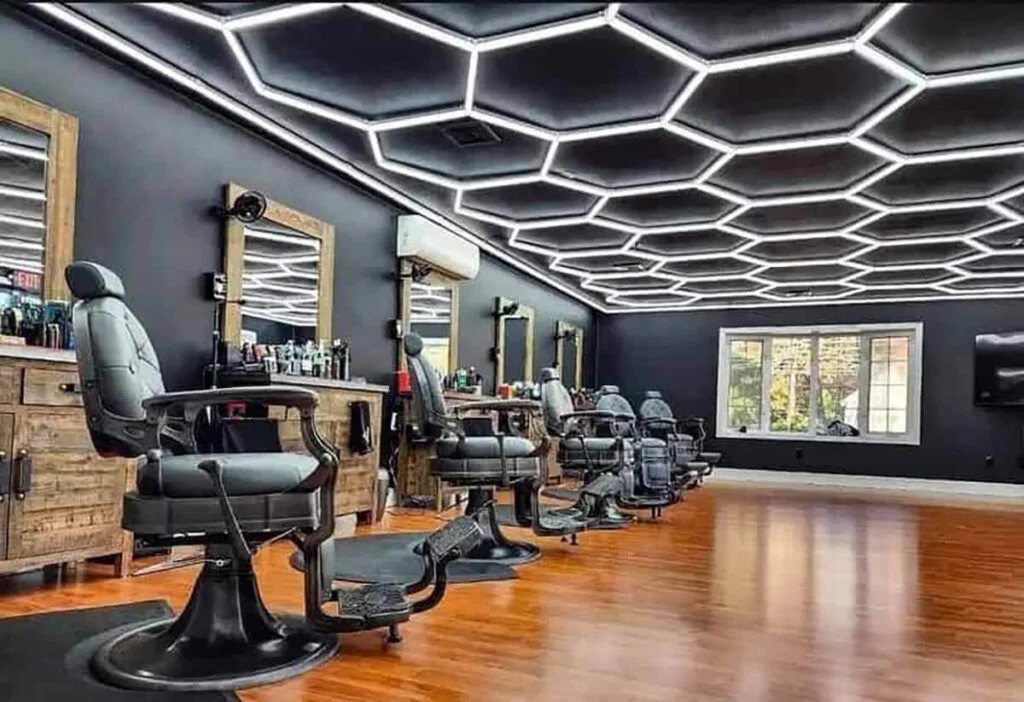
The first step toward great illumination is identifying the unique lighting needs of a barber shop. Unlike a typical retail space, a barber shop requires both task lighting for precision cutting and ambient lighting for a relaxed atmosphere. Here are the core factors that influence the best lighting for barber shop settings.
Task Lighting: Accuracy Where It Counts
Task lighting must be bright, evenly distributed, and free from color distortion. Barbers rely on clear visibility to see hair texture, skin tones, and subtle details. LED panels with a color rendering index (CRI) of 90 or higher are ideal because they reveal true colors while consuming less energy than traditional halogen bulbs.
Ambient Lighting: Setting the Mood
Ambient lighting creates a welcoming backdrop that softens the sharpness of task lights. Warm white LEDs (2700‑3000K) are popular for this purpose, offering a cozy feel without compromising overall brightness. Incorporating diffused ceiling fixtures or wall sconces can spread light evenly across the waiting area and service stations.
Accent Lighting: Highlighting Design Elements
Accent lighting adds personality by drawing attention to specific features such as the shop’s logo, artwork, or product displays. Small spotlights or LED strips hidden in shelving can provide subtle highlights that reinforce brand identity without distracting from the primary work zones.
Control Systems: Flexibility at Your Fingertips
Modern lighting control systems, including dimmers and smart switches, let you adjust intensity throughout the day. A dimmed ambiance during evening appointments can create a relaxing vibe, while full brightness during peak hours ensures maximum productivity.
Balancing these three lighting layers—task, ambient, and accent—forms the foundation of the best lighting for barber shop design. By addressing each component, you can craft a space that feels both professional and inviting.
Energy‑Efficient Options for the Best Lighting for Barber Shop
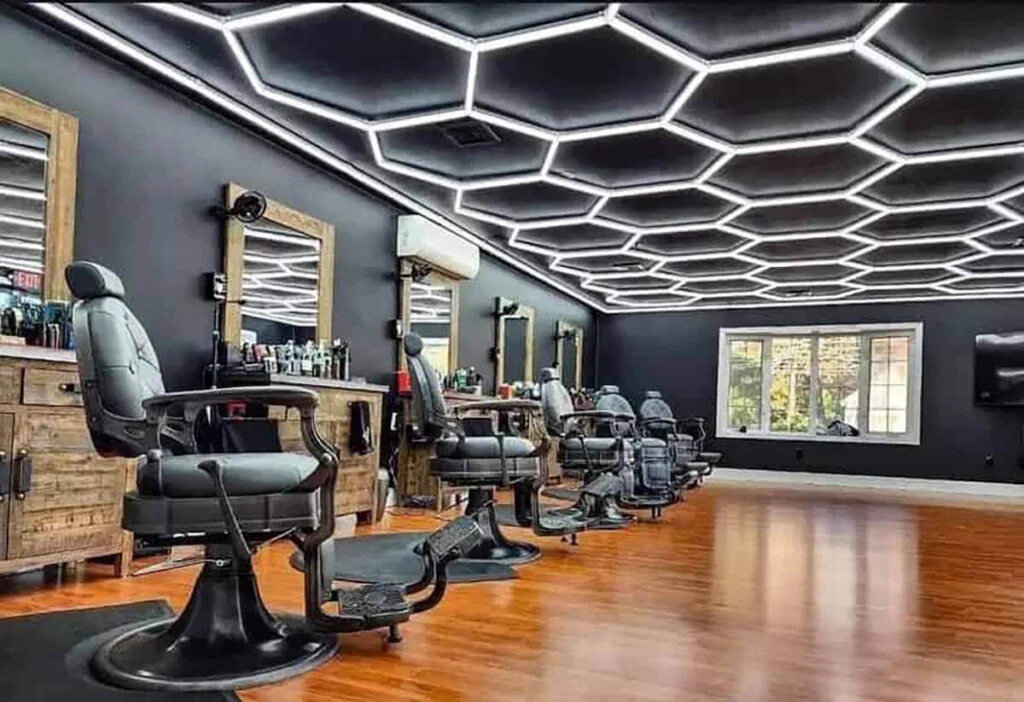
Operating costs are a major concern for any commercial space, and lighting can represent a sizable portion of the electricity bill. Choosing energy‑efficient fixtures not only reduces expenses but also supports sustainable practices that appeal to environmentally‑conscious clients.
LED Technology: The Industry Standard
LEDs dominate the market for the best lighting for barber shop applications because they deliver high lumen output with low wattage. A 12‑watt LED panel can emit as much light as a 60‑watt incandescent bulb, cutting energy use by up to 80 % while offering a lifespan of 50,000 hours or more.
Smart Lighting Controls
Integrating motion sensors in the back‑of‑house areas or daylight sensors near windows can automatically adjust lighting levels based on occupancy or natural light availability. This automation ensures lights are only on when needed, further reducing energy consumption.
Rebates and Incentives
Many municipalities and utility companies offer rebates for upgrading to energy‑efficient lighting. Research local programs to take advantage of financial incentives that can offset the upfront cost of high‑quality LED fixtures.
By selecting LED fixtures, incorporating smart controls, and exploring rebate opportunities, you’ll achieve the best lighting for barber shop while keeping operational costs low and supporting green initiatives.
Design Strategies to Blend Lighting with Interior Aesthetics

Lighting should never feel like an afterthought; it must harmonize with the overall design language of the barber shop. Thoughtful integration of fixtures enhances the visual flow and reinforces the brand’s personality.
Consistent Finish and Style
Choose fixtures that complement the shop’s interior palette. For a sleek, modern look, brushed nickel or matte black fixtures work well, while vintage‑style pendant lights add character to a retro‑themed space. The finish of the lighting should echo other hardware such as chair levers and mirror frames for a cohesive appearance.
Layered Lighting Layouts
Map out lighting zones before installation. Position task lights directly above each barber chair, ambient fixtures evenly across the ceiling, and accent lights focused on decorative elements. Using a lighting plan ensures even distribution and avoids shadows that can hinder precise cutting.
Integrating Natural Light
If your shop has windows, maximize natural light during daytime hours. Combine daylight with artificial sources to maintain consistent illumination levels. Light‑colored walls and reflective surfaces can amplify natural light, reducing the need for excessive artificial lighting.
For additional inspiration on how to balance natural and artificial illumination, explore our minimal office lighting inspiration guide, which offers practical examples of blending light sources in compact environments.
Fixture Types that Deliver the Best Lighting for Barber Shop Settings
Choosing the right fixtures is essential to delivering both functional and aesthetic benefits. Below is a breakdown of popular fixture types that excel in barber shop environments.
- LED Panel Lights: Provide uniform, glare‑free illumination ideal for task areas.
- Recessed Downlights: Offer clean lines and can be angled to reduce shadows on workstations.
- Pendant Lights: Add visual interest above reception desks or waiting areas; select models with diffusers to soften light.
- Wall‑Mounted Sconces: Perfect for ambient lighting along corridors, creating a warm, inviting glow.
- LED Strip Lighting: Ideal for accenting shelves, mirrors, or signage with low‑profile installation.
When selecting fixtures, prioritize those with adjustable color temperature and dimming capabilities. This flexibility allows you to tailor the environment for different services—brighter, cooler light for haircuts, and softer, warmer tones for beard trims or shaves.
Maintaining and Upgrading Lighting Systems in a Barber Shop
Even the best lighting solutions require regular maintenance to retain performance and safety. Below are best practices to keep your lighting system in top condition.
Routine Cleaning
Dust and grime can diminish light output and create hotspots. Clean fixtures monthly with a soft, dry cloth or a gentle glass cleaner. Pay special attention to LED panels and diffusers, as accumulated dust can affect color rendering.
Periodic Inspection
Inspect wiring, connectors, and mounts for signs of wear or loosening. Replace any flickering or discolored bulbs promptly to maintain consistent illumination. Consider a professional electrical audit every two years to ensure compliance with local codes.
Upgrading to New Technology
Lighting technology evolves rapidly. When newer LED models become available with higher CRI or lower energy draw, evaluate the cost‑benefit of retrofitting. Upgrades can enhance visual clarity and further reduce electricity usage.
Documenting Changes
Maintain a log of fixture installations, replacements, and maintenance activities. A detailed record simplifies future upgrades and helps troubleshoot issues quickly.
Creating a Client‑Centric Lighting Experience
Beyond functional requirements, lighting plays a pivotal role in shaping how clients perceive the barber shop. A well‑lit environment can boost confidence, relax nerves, and reinforce brand values.
Color Temperature and Mood
Warm lighting (2700‑3000K) creates a cozy, inviting atmosphere that encourages conversation. Cooler lighting (4000‑5000K) feels more clinical and can be used in stations where precision is paramount. Mixing temperatures strategically can guide clients through different zones of the shop.
Personalized Light Controls
Install individual dimmer switches at each barber station. This allows barbers to adjust brightness based on hair type, skin tone, and personal preference, ensuring each client receives optimal visual conditions.
Showcasing Products with Accent Lighting
Use focused spotlights or LED strips to highlight hair care products, grooming accessories, and promotional displays. Proper accent lighting not only draws attention but also conveys a sense of professionalism and care.
For a creative twist on product display, read our article on DIY home décor with clay pots, which offers ideas on using simple accessories to elevate visual presentation.
Quick Tips for Implementing the Best Lighting for Barber Shop
- Choose LED fixtures with a CRI of 90+ for true color representation.
- Install dimmers at each station to allow on‑the‑fly adjustments.
- Use a mix of warm and cool color temperatures to define zones.
- Incorporate motion sensors in storage areas to save energy.
- Regularly clean fixtures to maintain maximum lumen output.
Common Mistakes to Avoid When Designing Barber Shop Lighting
Even experienced designers can slip into habits that compromise lighting quality. Recognizing these pitfalls early can save time and money.
- Over‑reliance on a single light source: Relying solely on overhead lights creates harsh shadows; layer task, ambient, and accent lighting instead.
- Choosing fixtures solely for aesthetics: Beautiful fixtures that emit low-quality light can hinder precision work.
- Ignoring color temperature consistency: Mixing vastly different temperatures can create a disjointed visual experience.
- Neglecting maintenance plans: Dirty or failing fixtures reduce brightness and can increase energy costs.
- Skipping control systems: Fixed‑intensity lights limit flexibility; dimmers and smart controls enhance usability.
Frequently Asked Questions
What color temperature is ideal for barber chairs?
Cooler temperatures around 4000‑4500K are best for barber chairs because they provide a crisp, clear light that helps barbers see fine details without causing eye strain.
Can I use fluorescent lighting for a barber shop?
While fluorescent lights can be cost‑effective, they often produce flicker and lower CRI, which can distort hair color and skin tones. LED alternatives are generally preferred for the best lighting for barber shop environments.
How many lumens should each station have?
Each work station should receive at least 2,000‑3,000 lumens of directed task lighting. Combining multiple fixtures or using high‑output LED panels can achieve this level without glare.
Is it necessary to hire a lighting designer?
For larger or high‑end barber shops, a lighting designer can optimize fixture placement and control systems. However, many owners achieve excellent results by following the guidelines outlined in this article and consulting with reputable lighting suppliers.
What are the best ways to reduce electricity costs?
Install LED fixtures, use motion sensors in non‑public areas, and employ smart dimmers to lower light levels during off‑peak hours. Taking advantage of local rebate programs can also offset initial expenses.
How often should I replace LED bulbs in my shop?
LEDs typically last 40,000–50,000 hours, which translates to many years of operation in a commercial setting. Replace them only when you notice a drop in brightness or color quality.
By addressing these common questions, you’ll feel more confident in selecting and maintaining the best lighting for barber shop spaces.
Implementing the right lighting strategy transforms a barber shop from a simple service area into a polished, welcoming environment that supports both the craft of cutting and the comfort of clients. Remember to balance task, ambient, and accent lighting, choose high‑CRI LEDs, and incorporate flexible controls for the most adaptable setup. Regular maintenance and thoughtful design choices will keep your shop shining bright for years to come.