
Table of Contents
- Understanding the Basics: Why the Best Light for Puzzles Matters
- Task Lighting Solutions: Spotlights, Desk Lamps, and Adjustable LEDs
- LED Desk Lamps with Adjustable Arms
- Clamp‑On Lights for Small Spaces
- Overhead Spotlights with Track Systems
- Ambient Lighting: Setting the Mood Without Compromising Visibility
- Recessed Ceiling Lights with Dimmable Controls
- LED Strip Lighting for Accent
- Floor Lamps with Swivel Heads
- Choosing the Right Color Temperature: Matching Light to Your Décor
- Integrating Puzzle Lighting with Modern Home Décor Trends
- Minimalist Metallic Finishes
- Natural Materials and Soft Textures
- Smart Lighting Integration
- Practical Layout Tips: Positioning Light Sources for Maximum Effect
- Quick Tips for Optimizing Your Puzzle Lighting
- Common Mistakes to Avoid When Lighting Your Puzzle Area
- Frequently Asked Questions
- Design Inspiration: Real‑World Puzzle Corners
- Modern Minimalist Loft
- Cozy Scandinavian Living Room
- Compact Urban Apartment
Best Light for Puzzles – Illuminate Your Game Space with Style
Whether you’re assembling a 1,000‑piece masterpiece on a rainy weekend or solving a quick brain‑teaser during a coffee break, the quality of light around you can make or break the experience. Good illumination reduces eye strain, enhances color accuracy, and creates a welcoming atmosphere that encourages focus and creativity. For puzzle enthusiasts, choosing the best light for puzzles is not just a design decision—it’s a health and performance choice.
In today’s modern homes, lighting options are more diverse than ever. From sleek LED desk lamps to warm floor‑standing fixtures, each solution brings its own set of benefits and challenges. This article walks you through the science of light, practical tips for selecting fixtures, and design ideas that blend functionality with contemporary style. By the end, you’ll have a clear roadmap for lighting up your puzzle‑solving corner without compromising on aesthetics.
We’ll also explore how to integrate your lighting plan with broader home décor trends, ensuring that your puzzle area feels like a natural extension of your living space. Ready to brighten your hobby? Let’s dive in.
Understanding the Basics: Why the Best Light for Puzzles Matters
The human eye is highly responsive to brightness, color temperature, and glare. When working on detailed tasks such as puzzles, insufficient or harsh lighting can cause fatigue, inaccurate piece placement, and even long‑term vision issues. The best light for puzzles should provide even illumination, a balanced color spectrum, and minimal shadows.
Two key metrics guide this choice:
- Lux level – The amount of luminous flux per square meter. For puzzle work, aim for 300‑500 lux, similar to a well‑lit office.
- Color temperature – Measured in Kelvin (K). A neutral white (3500‑4100 K) replicates daylight without the harshness of cool blue tones.
By aligning your lighting setup with these standards, you create a visual environment that supports concentration and reduces strain. The next sections break down the types of fixtures that meet these criteria while complementing modern interior design.
Task Lighting Solutions: Spotlights, Desk Lamps, and Adjustable LEDs
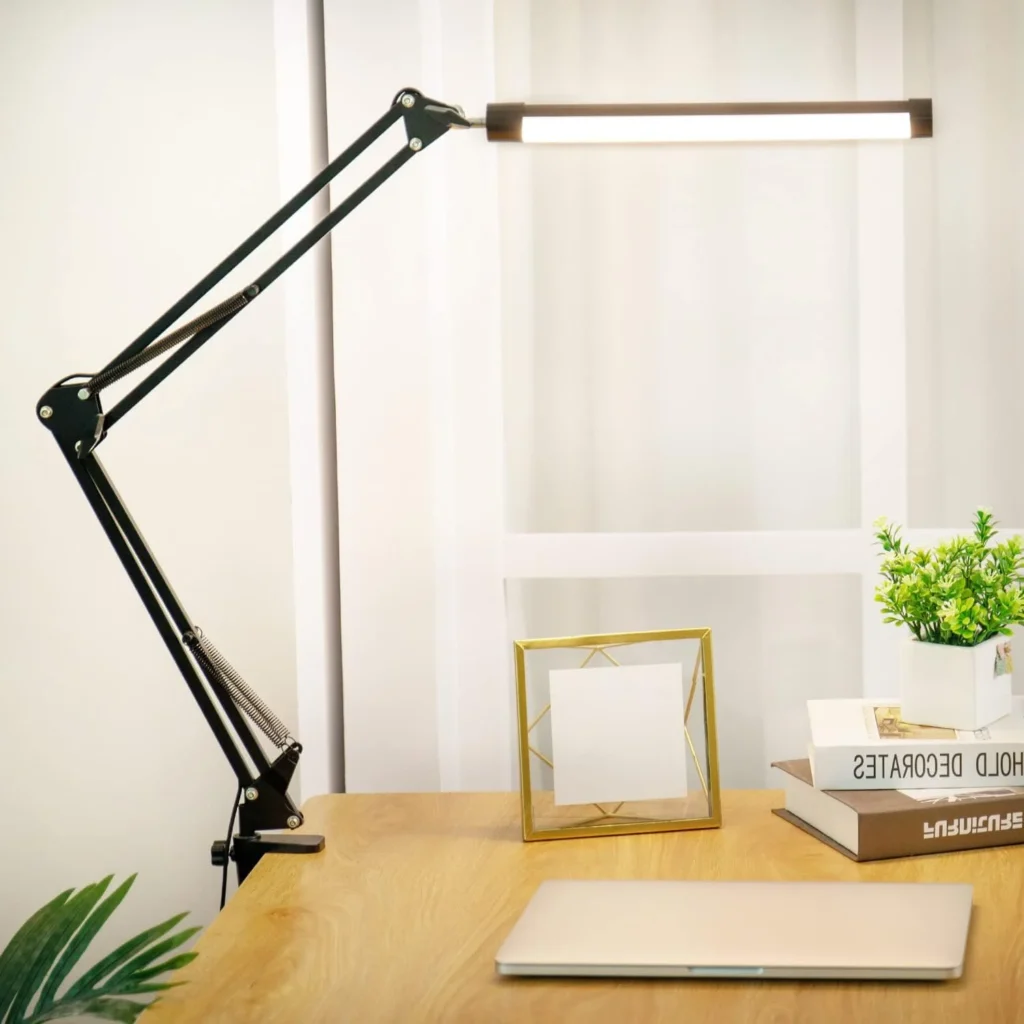
Task lighting is the cornerstone of the best light for puzzles. It delivers focused illumination directly on the work surface, ensuring every piece is visible. Here are three popular options:
LED Desk Lamps with Adjustable Arms
LED desk lamps have become a favorite among puzzle lovers because they combine energy efficiency with precise control. Look for models that offer:
- Brightness dimming (0‑100%) to match natural light changes.
- Color temperature adjustment to switch between warm and cool tones.
- Flexible arms that can be positioned over a tabletop, floor, or even a lap desk.
For example, a sleek brushed‑metal lamp placed on a side table can double as a decorative piece. Pair it with a minimalistic puzzle board for a clean, contemporary look that fits seamlessly into a living‑room setting.
Clamp‑On Lights for Small Spaces
If floor or desk space is limited, clamp‑on lights provide a versatile solution. These fixtures attach to shelves, the edge of a desk, or even a bookshelf, directing light exactly where you need it. Choose a model with a wide‑angle head to avoid harsh hotspots.
Clamp‑on options also integrate well with other décor elements. In a small home office, a clamp light can illuminate a puzzle board while leaving the rest of the desk free for work tasks, maintaining a tidy aesthetic.
Overhead Spotlights with Track Systems
Track lighting offers both style and function. By installing a track along the ceiling and positioning a spotlight above your puzzle area, you achieve uniform, glare‑free illumination. This approach works especially well in open‑plan living spaces where the puzzle station doubles as a social hub.
When selecting spotlights, prioritize fixtures with diffusers or frosted lenses to soften the light and reduce shadows. A brushed‑nickel finish can echo other metal accents in the room, creating visual cohesion.
Ambient Lighting: Setting the Mood Without Compromising Visibility
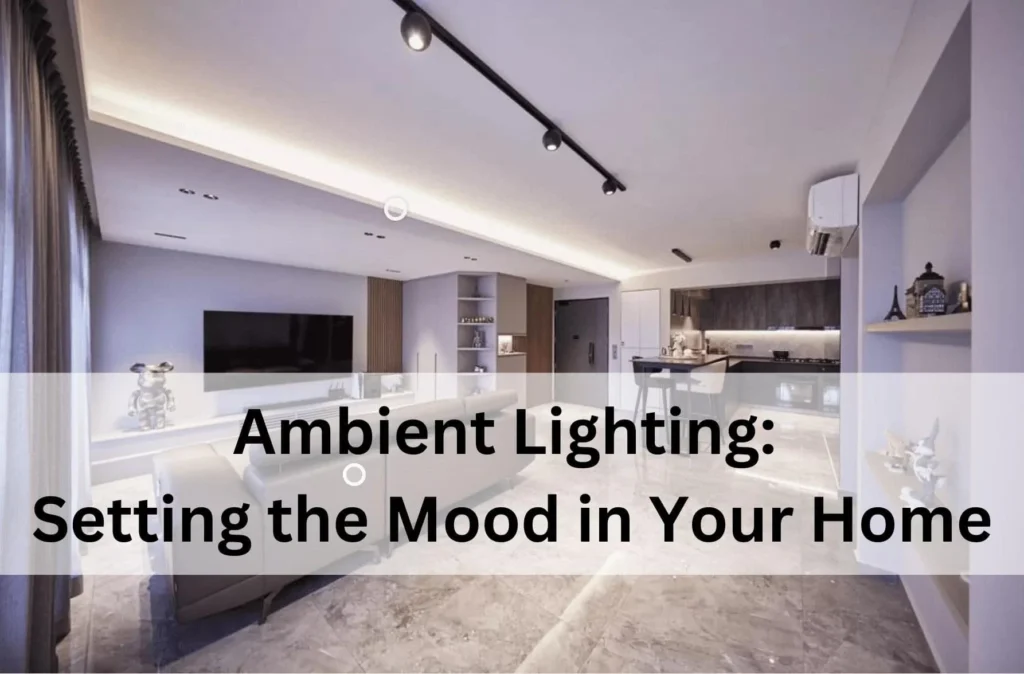
While task lighting addresses the functional side, ambient lighting shapes the overall atmosphere. The best light for puzzles should blend seamlessly with ambient sources, such as ceiling fixtures, floor lamps, or indirect lighting strips.
Recessed Ceiling Lights with Dimmable Controls
Recessed lights (or downlights) provide a clean, unobtrusive look. When fitted with dimmers, they allow you to lower overall brightness during late‑night sessions, preventing eye fatigue. Pair them with a warm white LED bulb (2700‑3000 K) for a cozy vibe that still supports detailed work.
LED Strip Lighting for Accent
LED strips installed behind a bookshelf or along the underside of a floating shelf can create a subtle glow that enhances the puzzle area’s visual depth. Choose a tunable strip that lets you shift between cool and warm tones, ensuring the ambient light never clashes with your task lamp.
Floor Lamps with Swivel Heads
Floor lamps offer vertical illumination without taking up valuable tabletop space. A lamp with a swivel head can be angled toward the puzzle board when needed and redirected for general room lighting at other times. Opt for a design with a slim profile and a fabric shade to diffuse light gently.
Choosing the Right Color Temperature: Matching Light to Your Décor
Color temperature influences both visual comfort and interior style. For the best light for puzzles, aim for a neutral or slightly warm range, which enhances contrast without washing out colors. Here’s how to decide:
- Neutral white (3500‑4100 K) – Ideal for precision tasks; it mimics natural daylight.
- Warm white (2700‑3000 K) – Creates a relaxed ambiance; suitable for evening sessions.
- Cool white (5000‑6500 K) – Best for high‑contrast work but can feel clinical if overused.
In a modern living‑room setting, a combination of neutral task lighting and warm ambient fixtures provides a balanced environment. For instance, a neutral LED desk lamp paired with a warm floor lamp can keep your puzzle board well‑lit while the surrounding space feels inviting.
Integrating Puzzle Lighting with Modern Home Décor Trends
The best light for puzzles doesn’t have to look like a utility fixture. By aligning your lighting choices with current décor trends, you can make the puzzle area a stylish focal point. Consider these ideas:
Minimalist Metallic Finishes
Brushed steel, matte black, or polished brass fixtures add a sleek, contemporary edge. Pair a brass‑finished LED desk lamp with a white marble puzzle board for a high‑contrast, magazine‑ready look.
Natural Materials and Soft Textures
Wooden lamp bases, woven basket storage, and linen‑covered shades soften the environment, making long puzzle sessions more comfortable. A wooden clamp‑on light can sit atop a reclaimed‑wood shelf, reinforcing a rustic‑modern vibe.
Smart Lighting Integration
Smart bulbs allow you to adjust brightness and color temperature via an app or voice command. This flexibility means you can switch from a bright, focused setting during the day to a dimmer, warmer glow at night, all without leaving your puzzle board.
For inspiration on combining lighting with other décor elements, check out our guide on neutral entryway décor inspiration, which demonstrates how subtle lighting choices can transform a whole room.
Practical Layout Tips: Positioning Light Sources for Maximum Effect
Even the most advanced fixtures won’t perform well if placed incorrectly. Follow these layout principles to ensure the best light for puzzles:
- Eliminate glare – Position lamps so the light source is above or to the side of the puzzle board, not directly behind you.
- Maintain even coverage – Use two light sources (e.g., a desk lamp and a floor lamp) to avoid shadows on the work surface.
- Consider reflective surfaces – Light-colored walls or a light‑tinted ceiling can bounce light back onto the board, enhancing brightness without additional fixtures.
In an open‑plan loft, a combination of a track spotlight and a floor lamp can create a “light island” that defines the puzzle zone while keeping the rest of the space airy.
Quick Tips for Optimizing Your Puzzle Lighting
- Choose LED bulbs with a CRI (Color Rendering Index) of 90+ for true‑to‑life colors.
- Install a dimmer switch on your main task lamp to fine‑tune brightness.
- Use a matte diffuser to soften harsh shadows.
- Place reflective surfaces (white wall, glass table) opposite the light source.
- Rotate your lamp head periodically to prevent uneven wear on the bulb.
Common Mistakes to Avoid When Lighting Your Puzzle Area
Even experienced decorators can slip into habits that diminish the effectiveness of their lighting. Here are pitfalls to watch out for:
- Relying solely on overhead lighting – Ceiling lights alone often create shadows on the work surface, making piece placement difficult.
- Using overly warm bulbs – A 2700 K bulb may feel cozy but can wash out subtle color differences in puzzle pieces.
- Neglecting glare control – Glossy finishes on lamps or fixtures can reflect directly into your eyes, causing discomfort.
- Overloading the space with fixtures – Too many light sources can create visual clutter and distract from the puzzle.
- Ignoring ergonomics – Position your lamp at a height that prevents you from hunching over the board.
By correcting these issues, you’ll create a puzzle environment that feels both functional and aesthetically pleasing.
Frequently Asked Questions
What lumen output is ideal for a 4‑by‑6‑foot puzzle table?
Aim for 300‑500 lux across the surface, which translates to roughly 1,500‑2,500 lumens from a combination of task and ambient lighting. Using a dimmable LED desk lamp (800 lumens) paired with a floor lamp (600 lumens) usually hits the sweet spot.
Can natural daylight replace artificial lighting for puzzles?
Daylight provides excellent color rendering, but it’s inconsistent and can cause glare. Combining natural light with a controllable LED task lamp ensures consistent illumination throughout the day and night.
Are smart bulbs worth the investment for puzzle enthusiasts?
Smart bulbs offer adjustable brightness and temperature, which is valuable for shifting from focused daytime work to relaxed evening sessions. Their convenience often justifies the higher price for avid puzzlers.
How can I reduce eye strain while working on puzzles for hours?
Maintain a balanced lighting level (300‑500 lux), take regular 5‑minute breaks every hour, and ensure your seating is ergonomically positioned to keep your neck and shoulders relaxed.
Is it better to use a lamp with a warm or cool shade?
A neutral white shade (3500‑4100 K) is best for task accuracy. Warm shades are suitable for ambient fixtures that create a cozy backdrop, but they should not be the primary source for detailed work.
Design Inspiration: Real‑World Puzzle Corners
Below are three curated examples that illustrate how the best light for puzzles can be woven into diverse interior styles.
Modern Minimalist Loft
A recessed LED downlight provides a soft ambient base. A brushed‑nickel track spotlight hovers over a black marble puzzle board, while a slim, adjustable LED desk lamp supplies direct task light. The overall palette stays monochrome, letting the colorful puzzle pieces become the focal point.
Cozy Scandinavian Living Room
Warm white floor lamps with fabric shades sit beside a low‑profile wooden coffee table turned into a puzzle station. A clamp‑on LED light attached to a nearby bookshelf adds focused illumination, while light‑gray walls reflect enough ambient light to keep the space bright without glare.
Compact Urban Apartment
Space is at a premium, so a wall‑mounted swing arm lamp with a dimmable LED bulb delivers both task and ambient light. The lamp folds flat when not in use, preserving floor space. A narrow LED strip under the kitchen counter doubles as a puzzle surface and a casual dining spot, illustrating multi‑functionality.
For more small‑space design ideas, explore our article on small home office design ideas, which offers clever ways to integrate work and leisure areas without crowding the room.
By tailoring lighting choices to your specific room layout, décor preferences, and puzzle habits, you can achieve a harmonious balance between form and function.
Remember, the best light for puzzles is not a one‑size‑fits‑all solution. It’s a thoughtful combination of task illumination, ambient glow, and design cohesion that respects both your eyes and your interior style. Experiment with dimming levels, adjust color temperature throughout the day, and don’t be afraid to let your lighting become a statement piece in its own right.
With the right lighting strategy, your puzzle sessions will feel more comfortable, your pieces will stay true to their intended colors, and your living space will gain a stylish, functional corner that invites friends and family to join in the fun. Happy puzzling!