
Table of Contents
- Understanding Light Requirements for Tomato Plants
- Why the best grow light for tomatoes must include full‑spectrum output
- LED vs. Fluorescent vs. HID: Which Technology Wins?
- Key Features to Look for in the Best Grow Light for Tomatoes
- Top Recommendations for the Best Grow Light for Tomatoes (2024)
- 1. Spider Farmer SF‑4000 LED Grow Light
- 2. Mars Hydro TS 1000W LED Panel
- 3. Viparspectra Pro Series 600 W LED
- How to Properly Install and Position Your Grow Light
- Quick Tips for Maximizing Tomato Yield Indoors
- Common Mistakes to Avoid When Using Grow Lights
- Frequently Asked Questions
- What wattage is ideal for a single tomato plant?
- Can I use a grow light in a bedroom without disturbing sleep?
- Do I need supplemental CO₂ when using the best grow light for tomatoes?
- How often should I replace LED grow lights?
- Is it safe to run a grow light near food preparation surfaces?
- Can I grow tomatoes under natural sunlight and still benefit from supplemental lighting?
Best Grow Light for Tomatoes – A Complete Guide for Home Gardeners
Growing tomatoes indoors can be a rewarding experience, especially when outdoor space is limited or seasonal weather isn’t cooperative. The secret to thriving, fruit‑bearing plants lies in providing the right amount and quality of light. In this article we explore the science behind tomato lighting, review the top types of fixtures, and give practical advice on choosing and installing the best grow light for tomatoes. Whether you’re a seasoned indoor gardener or just starting, you’ll finish this read with a clear plan to boost your harvest.
We’ll break down the key factors—spectrum, intensity, energy efficiency, and cost—so you can match a lighting solution to your specific growing area, whether it’s a small kitchen countertop or a dedicated indoor garden room. By the end, you’ll know exactly which fixture will deliver the juicy, flavorful tomatoes you’re after.
Understanding Light Requirements for Tomato Plants

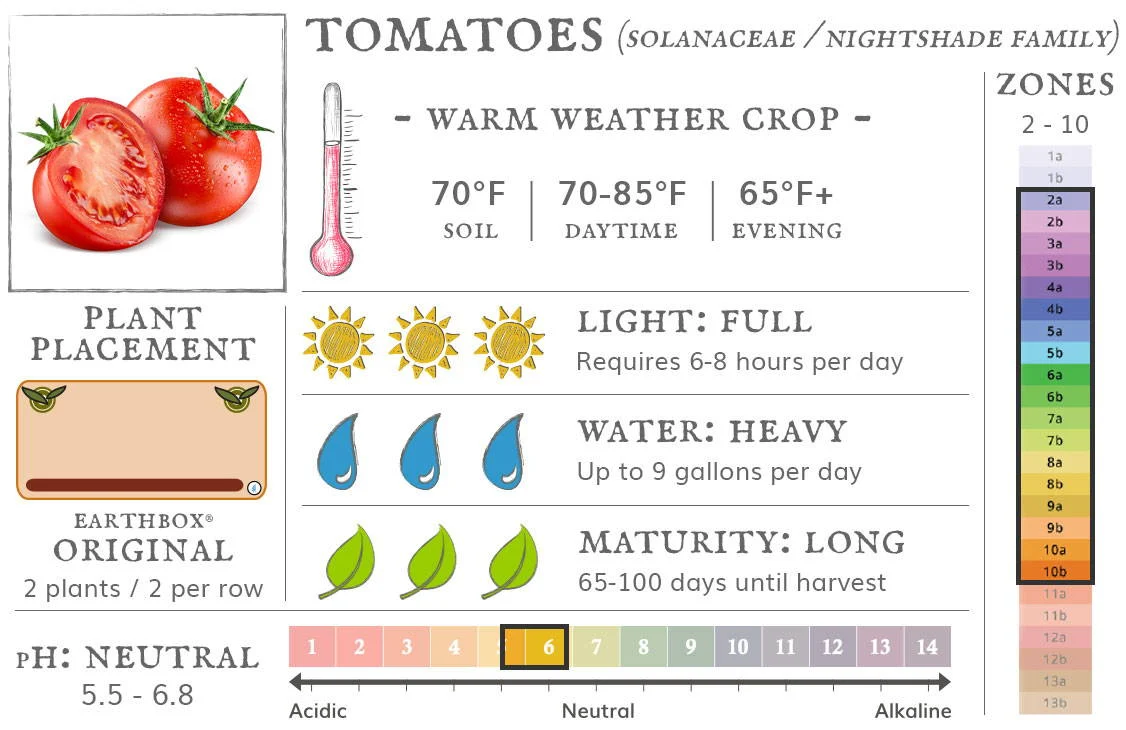
Tomatoes are long‑day plants that need abundant, balanced light throughout their vegetative and fruiting stages. The ideal spectrum mimics natural sunlight: a mix of blue wavelengths (400‑500 nm) to promote leaf growth, and red wavelengths (600‑700 nm) to trigger flowering and fruit set. A light intensity of 400‑600 µmol m⁻² s⁻¹ is generally recommended for most tomato varieties, with a photoperiod of 14‑18 hours per day.
Why the best grow light for tomatoes must include full‑spectrum output
Full‑spectrum LEDs combine both blue and red photons, plus a touch of green and far‑red that together create a more natural appearance for the plant and can improve photosynthetic efficiency. When you choose a fixture that offers a true full‑spectrum, you reduce the risk of leggy, weak stems and ensure the fruit develops proper color and flavor.
LED vs. Fluorescent vs. HID: Which Technology Wins?
When shopping for the best grow light for tomatoes, you’ll most often encounter three technologies:
- LED panels – Energy‑efficient, low heat output, and customizable spectra. Ideal for small to medium indoor spaces.
- Fluorescent tubes (T5) – Affordable and decent for seedlings, but they lack the intensity needed for heavy fruiting.
- High‑Intensity Discharge (HID) lights – Includes Metal Halide (MH) and High‑Pressure Sodium (HPS). They deliver high output but consume more power and generate significant heat.
For most home growers, a high‑quality LED fixture provides the best balance of performance and safety. LEDs also integrate well with smart timers and dimming controls, allowing you to fine‑tune the photoperiod without worrying about excessive heat damaging nearby walls or furniture.
Key Features to Look for in the Best Grow Light for Tomatoes

Not every LED panel is created equal. Keep an eye on these specifications before you click “add to cart”:
- PPF (Photosynthetic Photon Flux) – Measured in µmol s⁻¹, this tells you how many usable photons the light emits. Aim for at least 300 µmol s⁻¹ per square foot of canopy.
- PAR (Photosynthetically Active Radiation) uniformity – A uniform spread prevents hot spots and ensures every leaf receives adequate light.
- Adjustable spectrum – Some modern LEDs let you shift the blue/red ratio as plants move from vegetative to fruiting phases.
- Energy consumption – Look for watts per square foot ratios below 30 W/ft² for cost‑effective operation.
- Heat management – Built‑in fans or passive heat sinks keep temperatures low, which is crucial in kitchen or living‑room setups.
Top Recommendations for the Best Grow Light for Tomatoes (2024)
Based on performance, price, and user feedback, here are three standout options that consistently rank as the best grow light for tomatoes:
1. Spider Farmer SF‑4000 LED Grow Light
With a full‑spectrum output covering 380‑780 nm and a PPF of 2,300 µmol s⁻¹, the SF‑4000 can cover up to 4 × 4 ft of tomato canopy. Its dimmable driver lets you start with a lower intensity for seedlings and ramp up during fruiting. The fan‑less design runs quietly, making it suitable for a kitchen counter or a living‑room corner.
2. Mars Hydro TS 1000W LED Panel
For growers on a tighter budget, the TS 1000W offers a respectable 1,500 µmol s⁻¹ at 100 W. The panel’s reflective aluminum housing maximizes light distribution, and the included hanging kit simplifies installation. It’s a great starter light for a small indoor garden.
3. Viparspectra Pro Series 600 W LED
Designed for larger setups, this unit delivers 3,200 µmol s⁻¹ and features a built‑in timer, adjustable spectrum knobs, and an efficient cooling system. Though a bit pricier, its versatility makes it the best grow light for tomatoes in a multi‑plant greenhouse or a dedicated indoor grow room.
How to Properly Install and Position Your Grow Light
Even the most advanced fixture won’t perform if placed incorrectly. Follow these steps to get the most out of the best grow light for tomatoes:
- Determine hanging height – Position the light 18‑24 inches above the top of the canopy during vegetative growth; raise it to 12‑18 inches for flowering to maintain intensity.
- Use reflective materials – Line the walls with Mylar or white paint to bounce stray photons back onto the plants, improving overall efficiency.
- Set a timer – Automate a 16‑hour on / 8‑hour off cycle for most tomato varieties. Adjust to 14‑hour cycles if you notice leaf curl or heat stress.
- Monitor temperature – Keep ambient temperature between 70‑80 °F (21‑27 °C). If heat builds up, add a small oscillating fan for air circulation.
- Check the distance regularly – As plants grow taller, lower the light incrementally to maintain the target PPFD.
For inspiration on how lighting can complement interior design, see our article on simple workspace lighting ideas for productive home offices. The same principles of balance and aesthetics apply when integrating grow lights into a stylish kitchen or living area.
Quick Tips for Maximizing Tomato Yield Indoors
- Rotate pots weekly to ensure even light exposure on all sides.
- Combine the best grow light for tomatoes with a balanced nutrient regimen—high potassium during fruit set.
- Prune lower leaves to improve airflow and reduce the chance of fungal issues.
- Use a calibrated light meter to verify PPFD readings; adjust height as needed.
- Pair your lighting with a timer and humidity controller for consistent results.
Common Mistakes to Avoid When Using Grow Lights
Even experienced growers can slip into habits that limit tomato production. Here are the most frequent errors and how to sidestep them:
- Over‑intensifying early growth – Too much light on seedlings can cause bleaching. Start with a lower intensity and increase gradually.
- Ignoring heat buildup – LEDs run cooler than HIDs, but in a small kitchen they can still raise ambient temperature. Keep a thermometer nearby.
- Wrong spectrum for the stage – Blue‑heavy light is great for vegetative growth, but you need more red during fruiting. Choose a fixture with adjustable spectrum.
- Insufficient coverage – A light that’s too small will create hot spots and leave other areas under‑lit. Measure your canopy area and select a light with appropriate coverage.
- Skipping a reflective setup – Unreflected photons are wasted energy. Use reflective film or paint to boost efficiency by up to 30 %.
Frequently Asked Questions
What wattage is ideal for a single tomato plant?
A single mature tomato plant typically requires 30‑40 W of high‑quality LED light when placed about 18 inches above the foliage. This translates to roughly 150‑200 µmol m⁻² s⁻¹ of PPFD.
Can I use a grow light in a bedroom without disturbing sleep?
Yes. Choose a light with a dimmable red spectrum for the night phase and set a timer to turn off at least an hour before bedtime. The low blue output after dusk helps maintain a healthy circadian rhythm.
Do I need supplemental CO₂ when using the best grow light for tomatoes?
For most home setups, ambient CO₂ levels (≈400 ppm) are sufficient. If you’re aiming for commercial‑scale yields, raising CO₂ to 800‑1000 ppm can boost photosynthesis, but it requires proper ventilation and monitoring.
How often should I replace LED grow lights?
Quality LEDs retain 70‑80 % of their output after 50,000 hours of use, which is roughly 5‑6 years of daily operation. Replace the fixture when you notice a significant drop in PPFD or when the warranty expires.
Is it safe to run a grow light near food preparation surfaces?
Absolutely, as long as the fixture is UL‑listed and you keep it at a safe distance to avoid heat damage. Using reflective panels also helps keep the light directed toward the plants, minimizing stray illumination on countertops.
Can I grow tomatoes under natural sunlight and still benefit from supplemental lighting?
Yes. In regions with limited winter daylight, adding a few hours of LED light can extend the effective day length, helping tomatoes set fruit even when the sun is weak.
By selecting the best grow light for tomatoes, tailoring the spectrum to each growth stage, and installing the fixture thoughtfully, you can enjoy a bountiful indoor harvest all year round. Pair your lighting plan with proper nutrition, pruning, and temperature control, and you’ll soon be harvesting plump, flavorful tomatoes right from your kitchen window.
Looking for more home‑styling inspiration? Explore our guide on living room décor with wooden side tables or dive into Japandi style bedroom décor ideas to see how lighting can enhance every room.