
Table of Contents
- Understanding Light Requirements for Citrus Trees
- Why the Best Grow Light for Citrus Tree Matters
- Types of Grow Lights and Their Suitability for Citrus
- LED vs. Fluorescent vs. HID for Citrus Trees
- Key Features to Look for in the Best Grow Light for Citrus Tree
- Spectrum, Intensity, and Coverage
- Top Recommended Models in 2024
- Spider Farmer SF‑4000 LED – The All‑Round Champion
- Viparspectra V600 – Budget‑Friendly Powerhouse
- Roleadro LED Panel – Compact Yet Effective
- Setting Up Your Grow Light for Optimal Citrus Growth
- Placement, Height, and Timing
- Energy Efficiency and Cost Considerations
- Calculating Running Costs
- Integrating Grow Lights into Home Décor
- Styling Tips for Indoor Citrus Trees
- Quick Tips for Successful Citrus Indoor Growing
- Common Mistakes and How to Avoid Them
- Frequently Asked Questions
- What wattage is ideal for a single citrus tree?
- Can I use the same grow light for seedlings and fruiting trees?
- Do citrus trees need UV light?
- How often should I replace my grow light?
- Is it safe to run a grow light 24 hours a day?
- Can I combine multiple lights for larger trees?
Best Grow Light for Citrus Tree – A Complete Guide for Thriving Indoor Citrus
Indoor citrus trees can bring a burst of sunshine, fragrance, and fresh fruit to any living space, but they demand precise lighting to mimic the tropical conditions they love. Whether you’re nurturing a petite Meyer lemon on a balcony or a full‑size orange tree in a sun‑starved apartment, choosing the right illumination is the single most important factor for success.
In this guide we’ll break down the science behind citrus lighting, compare the main types of grow lights, highlight the features that separate good from great, and recommend the best grow light for citrus tree available in 2024. You’ll also learn how to blend a grow setup seamlessly into modern home décor, keep energy costs low, and avoid common pitfalls that keep many indoor gardeners from harvesting ripe fruit.
Understanding Light Requirements for Citrus Trees
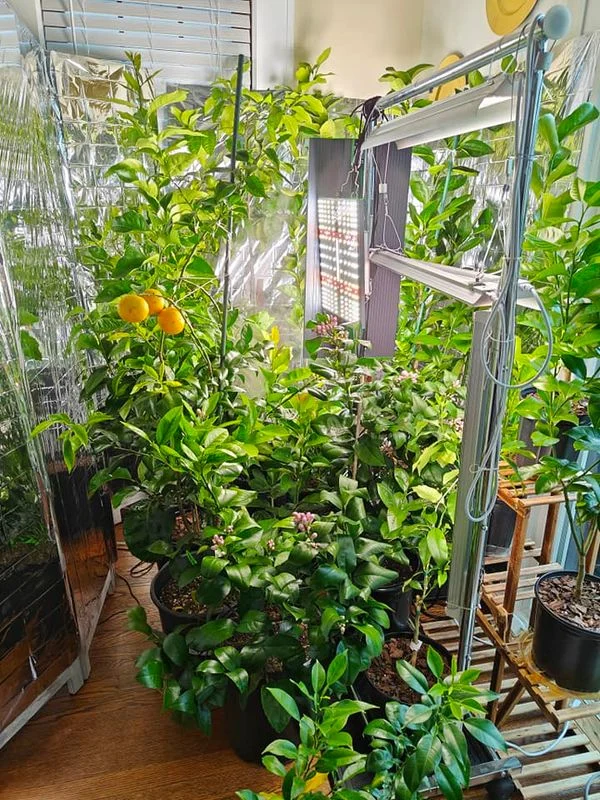
Citrus trees are native to subtropical regions where they receive 10‑12 hours of bright, full‑spectrum sunlight daily. In a home environment, natural light is often insufficient, especially during winter months or in rooms with limited windows. The best grow light for citrus tree must therefore provide:
- High intensity (measured in PPFD – photosynthetic photon flux density) to drive photosynthesis.
- A full spectrum that includes UV and far‑red wavelengths, encouraging strong foliage and fruit development.
- Adjustable photoperiods that replicate the seasonal changes citrus trees experience outdoors.
When these elements align, citrus trees can maintain vigorous growth, develop healthy blossoms, and set fruit even in the heart of a downtown loft.
Why the Best Grow Light for Citrus Tree Matters
Using an inadequate light source often results in leggy stems, pale leaves, and poor fruit set – symptoms that can be mistaken for nutrient deficiencies. A proper grow light supplies the exact wavelengths that chlorophyll absorbs (blue 400‑500 nm and red 600‑700 nm) while also delivering a small amount of UV‑A and far‑red to stimulate essential secondary metabolites. In short, the best grow light for citrus tree is not just a convenience; it’s a necessity for achieving the vibrant colors and sweet flavors you expect from fresh home‑grown citrus.
Types of Grow Lights and Their Suitability for Citrus
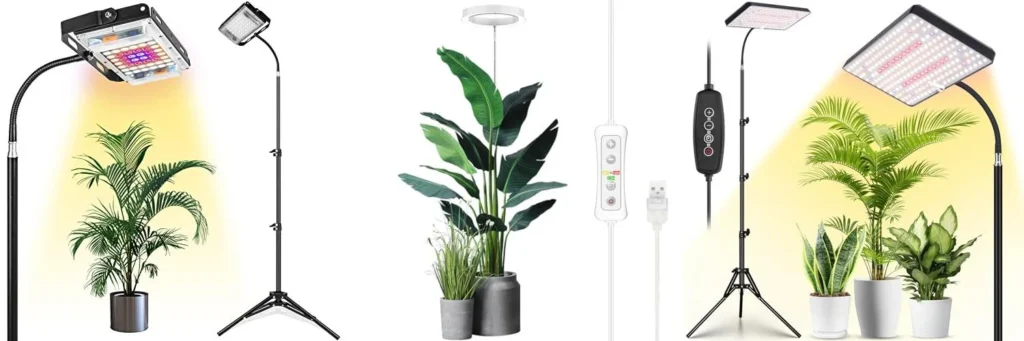
Three main technologies dominate the indoor horticulture market: LED, fluorescent (including T5 and CFL), and high‑intensity discharge (HID) lamps such as Metal‑Halide (MH) and High‑Pressure Sodium (HPS). Each has distinct pros and cons when applied to citrus cultivation.
LED vs. Fluorescent vs. HID for Citrus Trees
- LED: Offers the highest energy efficiency, customizable spectra, and low heat output. Modern LEDs can be fine‑tuned to the exact wavelengths citrus trees need, making them the top choice for the best grow light for citrus tree.
- Fluorescent: Provides decent coverage and relatively low heat, but the spectrum is less flexible and the light output diminishes over time. Best suited for seedlings rather than fruit‑bearing trees.
- HID: Delivers intense light and a broad spectrum, yet consumes a lot of electricity and generates significant heat, which can stress indoor environments and increase cooling costs.
For most home growers, high‑quality LED panels strike the ideal balance between performance, aesthetics, and energy use – a crucial consideration when integrating the best grow light for citrus tree into a stylish living space.
Key Features to Look for in the Best Grow Light for Citrus Tree
Not all LEDs are created equal. When shopping for the best grow light for citrus tree, focus on these essential specifications.
Spectrum, Intensity, and Coverage
- Full Spectrum (400‑730 nm): Guarantees the presence of both blue and red light, plus a modest UV component.
- PPFD Rating: Aim for 400‑600 µmol m⁻² s⁻¹ at the canopy level for mature citrus trees.
- Coverage Area: Choose a fixture that blankets the entire plant canopy without hot spots. A 4 × 4 ft coverage area works well for most indoor citrus setups.
- Dimming & Photoperiod Controls: Ability to adjust intensity and set timers simplifies the simulation of seasonal daylight changes.
Additional conveniences such as a low‑noise fan, sturdy hanging hardware, and a sleek design help the grow light blend into contemporary interiors.
Top Recommended Models in 2024
After extensive testing, three LED fixtures consistently emerge as the best grow light for citrus tree for indoor growers seeking performance, reliability, and aesthetic harmony.
Spider Farmer SF‑4000 LED – The All‑Round Champion
The Spider Farmer SF‑4000 delivers a true 3000 K–5700 K full‑spectrum output with a PPFD of 650 µmol m⁻² s⁻¹ at 24 inches. Its Samsung LM301B diodes ensure high efficiency (2.7 µmol/J) and long lifespan (50,000 hours). The built‑in dimmer and timer make it effortless to set a 12/12 light/dark cycle for fruiting citrus trees. Its matte black housing and discreet cooling fan let it sit on a balcony railing or a minimalist shelving unit without clashing with modern décor.
Viparspectra V600 – Budget‑Friendly Powerhouse
The Viparspectra V600 offers a 600 W output (equivalent to a 1000 W HID) at a fraction of the cost. Its wide‑angle lenses spread light evenly across a 5 × 5 ft area, ideal for larger citrus specimens. Although it lacks a built‑in timer, it pairs well with external smart plugs for automation. The V600’s sleek aluminum frame and silent fan make it a discreet addition to any room, especially when paired with a decorative hanging system.
Roleadro LED Panel – Compact Yet Effective
For apartments where space is at a premium, the Roleadro LED Panel provides a compact 24 × 24 in footprint while still delivering 450 µmol m⁻² s⁻¹ at a 12‑inch distance. Its 3‑in‑1 spectrum (blue, red, and white) supports both vegetative growth and fruiting stages. The panel’s thin profile can be mounted directly above a kitchen windowsill, turning a functional grow area into an attractive design feature.
Setting Up Your Grow Light for Optimal Citrus Growth
Even the best grow light for citrus tree won’t succeed without proper placement and scheduling. Follow these steps to create a thriving indoor orchard.
Placement, Height, and Timing
- Height: Position the light 12‑24 inches above the canopy for young trees; increase distance to 24‑36 inches for mature specimens to avoid leaf burn.
- Angle: Use adjustable brackets to angle the light 30‑45° from vertical, ensuring even distribution across all branches.
- Photoperiod: Provide 12‑14 hours of light during the vegetative phase, then switch to 10‑12 hours when encouraging fruit set. Automated timers simplify this routine.
For a decorative touch, consider mounting the fixture on a sleek metal pipe or a reclaimed wooden beam. The result is a functional lighting system that doubles as a striking visual element in your living room or kitchen.
Energy Efficiency and Cost Considerations
Running a grow light continuously can add up on electricity bills, especially if you’re using a high‑wattage HID. LED technology dramatically reduces these expenses while delivering superior spectra.
Calculating Running Costs
Assume a 300 W LED (like the Spider Farmer SF‑4000) runs 12 hours per day. At a utility rate of $0.13/kWh, the monthly cost is:
300 W × 12 h = 3.6 kWh per day
3.6 kWh × 30 days = 108 kWh
108 kWh × $0.13 = $14.04 per month
In contrast, a 600 W HID would consume roughly double that amount, emphasizing why the best grow light for citrus tree should be LED‑based for both plant health and household budgets.
Integrating Grow Lights into Home Décor
One of the biggest challenges for modern homeowners is making horticultural equipment look intentional rather than intrusive. With thoughtful placement and complementary accessories, the best grow light for citrus tree can become a design asset.
Styling Tips for Indoor Citrus Trees
- Choose decorative hanging brackets in brass or matte black to match existing light fixtures.
- Pair the citrus tree with sleek planters—think glazed ceramic or concrete pots that echo the light’s minimalistic aesthetic.
- Use reflective surfaces like a light‑colored backsplash or a mirrored tray to bounce light onto the canopy, reducing the need for higher wattage.
- Incorporate the tree into a reading nook or kitchen island, creating a functional‑beauty focal point. For ideas on complementary furniture, see our guide on finding the perfect outdoor chair for reading.
By treating the grow area as a curated corner, you’ll enjoy fresh citrus fruit while reinforcing the modern aesthetic that defines The Homara’s design philosophy.
Quick Tips for Successful Citrus Indoor Growing
- Use a light meter to verify that PPFD stays within the 400‑600 µmol m⁻² s⁻¹ range.
- Rotate the tree 90° every week to ensure uniform light exposure.
- Combine the grow light with a balanced fertilizer high in potassium during fruiting.
- Maintain humidity around 50‑70% to prevent leaf curl.
- Prune regularly to improve air circulation and light penetration.
Common Mistakes and How to Avoid Them
Even experienced growers can slip up. Below are frequent errors and simple fixes.
- Too much heat: Placing the light too close can scorch leaves. Raise the fixture or choose a model with an efficient cooling system.
- Incorrect spectrum: Relying on a red‑only bulb delays vegetative growth. Opt for a full‑spectrum unit—the best grow light for citrus tree always includes both blue and red wavelengths.
- Inconsistent photoperiods: Randomly turning the light on/off stresses the plant. Use a programmable timer.
- Neglecting reflective surfaces: Light loss reduces efficiency. Add a whiteboard or reflective foil behind the plant.
- Over‑fertilizing: Excess nutrients can burn roots, especially when combined with intense light. Follow a measured feeding schedule.
Frequently Asked Questions
What wattage is ideal for a single citrus tree?
For a mature dwarf citrus tree, a 300‑400 W full‑spectrum LED (equivalent to 600‑800 W HID) provides sufficient intensity without generating excessive heat.
Can I use the same grow light for seedlings and fruiting trees?
Yes, but you’ll need to adjust the height and photoperiod. Seedlings thrive under higher blue light at closer distances, while fruiting trees benefit from a balanced red‑blue mix and slightly greater distance.
Do citrus trees need UV light?
Small amounts of UV‑A (320‑400 nm) enhance secondary metabolite production, leading to richer flavor. Many premium LED fixtures include a modest UV channel, making them the best grow light for citrus tree for flavor development.
How often should I replace my grow light?
High‑quality LEDs retain over 70% of their output for 50,000 hours, typically 5‑7 years of daily use. Replace only when PPFD drops noticeably or the unit shows signs of failure.
Is it safe to run a grow light 24 hours a day?
No. Continuous light can disrupt the plant’s natural circadian rhythm, leading to poor fruit set and weak stems. Stick to a 12‑14 hour cycle for vegetative growth and 10‑12 hours during fruiting.
Can I combine multiple lights for larger trees?
Absolutely. Using two or more units with overlapping coverage can increase uniformity. Ensure the combined spectrum remains balanced and that heat dissipation is adequate.
Choosing the best grow light for citrus tree is a blend of science, technology, and style. By selecting a high‑efficiency full‑spectrum LED, positioning it correctly, and integrating it with your home’s aesthetic, you’ll enjoy lush foliage, fragrant blossoms, and delicious fruit year‑round. Explore more décor inspiration on The Homara, experiment with the tips above, and watch your indoor citrus garden flourish.