
Table of Contents
- Bedroom Shelf Décor with Plants: The Fundamental Principles
- Integrating bedroom shelf décor with plants into a cohesive theme
- Selecting the Right Plants for Your Shelf
- Styling Techniques for Shelf Arrangements
- Layered heights for visual rhythm
- Group by color and texture
- Mixing functional items
- Materials, Lighting, and Accessories to Enhance the Look
- Small Space Solutions: Making the Most of Limited Bedroom Real Estate
- Quick Home Décor Tips for Bedroom Shelves
- Common Mistakes and How to Avoid Them
- Frequently Asked Questions
Bedroom Shelf Décor with Plants: Fresh Ideas for a Lively Retreat
Adding greenery to a bedroom isn’t just a visual treat; it’s a subtle way to improve air quality, mood, and the overall sense of calm. When the greenery is placed thoughtfully on a shelf, the result is a curated display that feels both intentional and relaxed. This approach works especially well in modern homes where space is at a premium and every square foot must earn its place.
In this guide we’ll explore why bedroom shelf décor with plants has become a go‑to trend for designers and DIY enthusiasts alike. You’ll learn how to select plants that thrive in low‑light environments, arrange them for maximum impact, and integrate lighting and accessories that elevate the whole room. Whether you’re a renter looking for non‑permanent solutions or a homeowner ready to experiment with a new focal point, the ideas below will help you create a balanced, inviting bedroom.
Ready to bring a touch of nature into your personal sanctuary? Let’s dive into the practical steps, design principles, and common pitfalls so you can confidently style your shelves with plants that complement your aesthetic and lifestyle.
Bedroom Shelf Décor with Plants: The Fundamental Principles
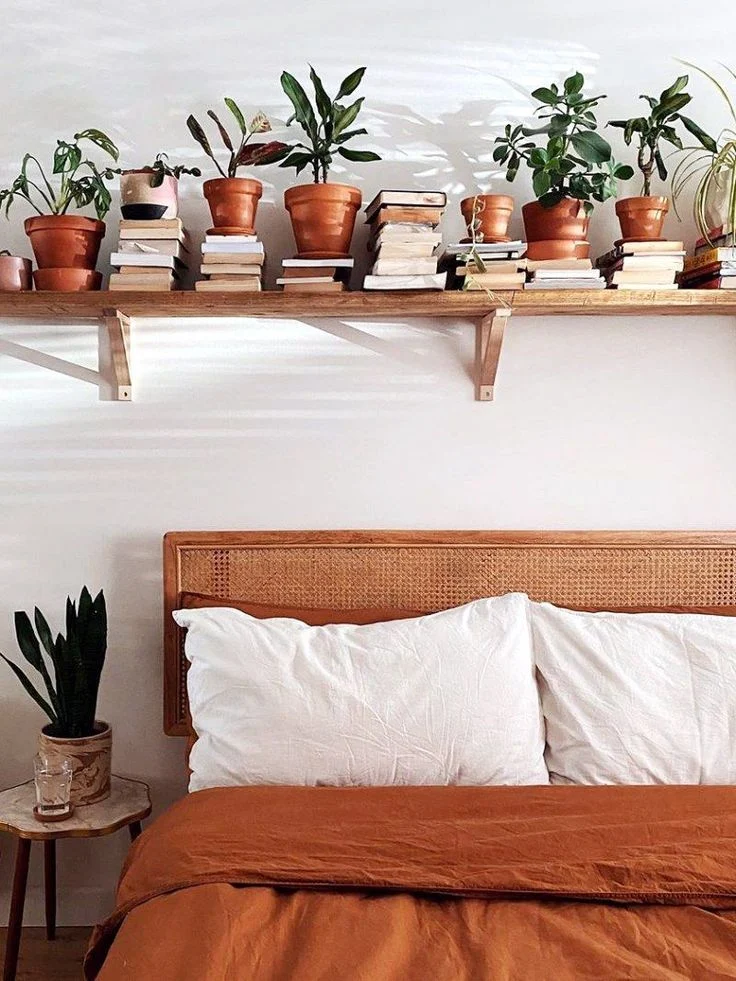
Before you start buying pots and foliage, it’s useful to understand the core ideas behind effective bedroom shelf décor with plants. First, think of the shelf as a three‑dimensional canvas. Unlike a wall, a shelf offers depth, allowing you to layer items and create visual interest from multiple angles. Second, consider the mood you want to evoke—soft, tranquil, or vibrant—and choose plant varieties and container colors that support that vibe. Finally, balance the living elements with static décor such as books, candles, or small sculptures to avoid a cluttered look.
These principles align with broader home décor ideas that emphasize harmony between function and beauty. For example, Hallway décor with neutral artwork often uses a restrained palette to let architectural details shine, a strategy you can mirror on a bedroom shelf by keeping plant pots in muted tones while letting the foliage be the star.
Integrating bedroom shelf décor with plants into a cohesive theme
When you integrate bedroom shelf décor with plants into a cohesive theme, the result feels intentional rather than accidental. Choose a color scheme for your pots—perhaps matte white, soft gray, or brushed brass—that echoes the existing hardware or bedding. Pair this with a plant selection that matches the room’s light levels; for low‑light spaces, snake plants, ZZ plants, and pothos are reliable choices. For brighter rooms, consider a trailing philodendron, a small fiddle‑leaf fig, or a collection of succulents. The key is consistency: the same pot style across all plants creates visual unity, while varied leaf shapes keep the arrangement lively.
Selecting the Right Plants for Your Shelf
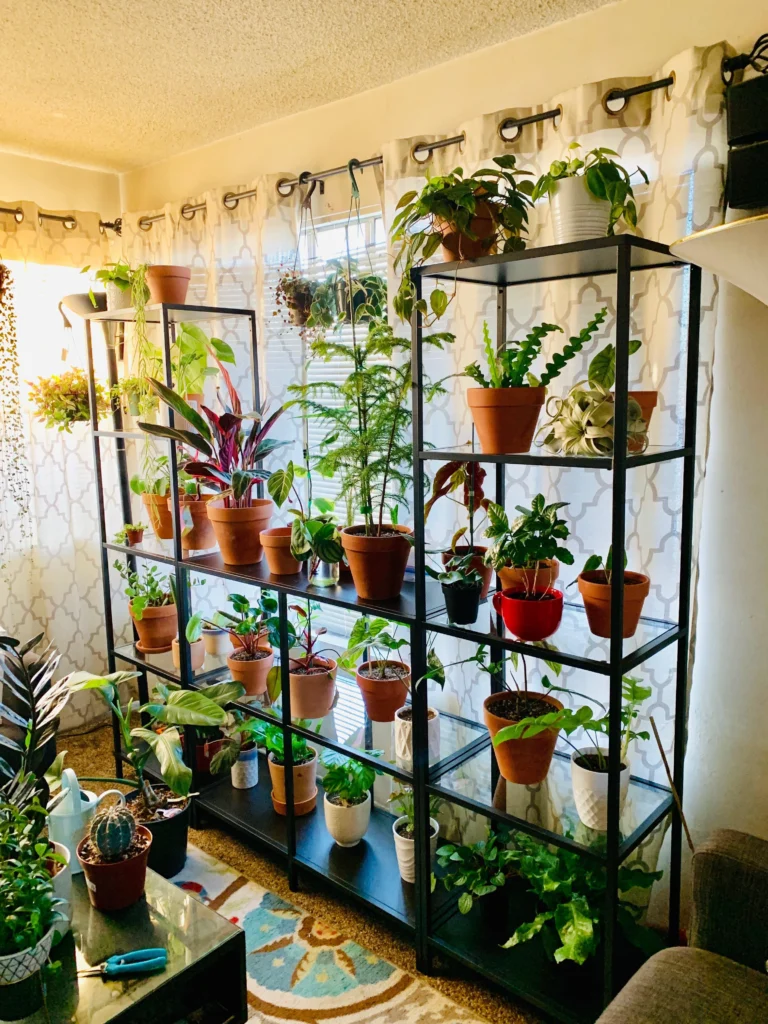
Not all plants are created equal when it comes to shelf life—literally. The height, spread, and watering needs of each plant must align with the dimensions and exposure of your shelf. Here are three categories to guide your selection:
- Low‑light champions: Snake plant (Sansevieria), ZZ plant (Zamioculcas), and pothos (Epipremnum aureum) tolerate indirect light and require infrequent watering.
- Medium‑light favorites: Spider plant, peace lily, and dracaena thrive near a window that receives filtered sunlight.
- Bright‑light lovers: Succulents, cacti, and small herbs need direct or bright indirect light and benefit from a sunny spot on a higher shelf.
When deciding which plants to use, measure the shelf depth and ensure the pot’s diameter won’t cause the plant to tip over. A good rule of thumb is to keep the pot’s height no more than two‑thirds of the shelf’s vertical space, preserving room for decorative items or books.
Styling Techniques for Shelf Arrangements
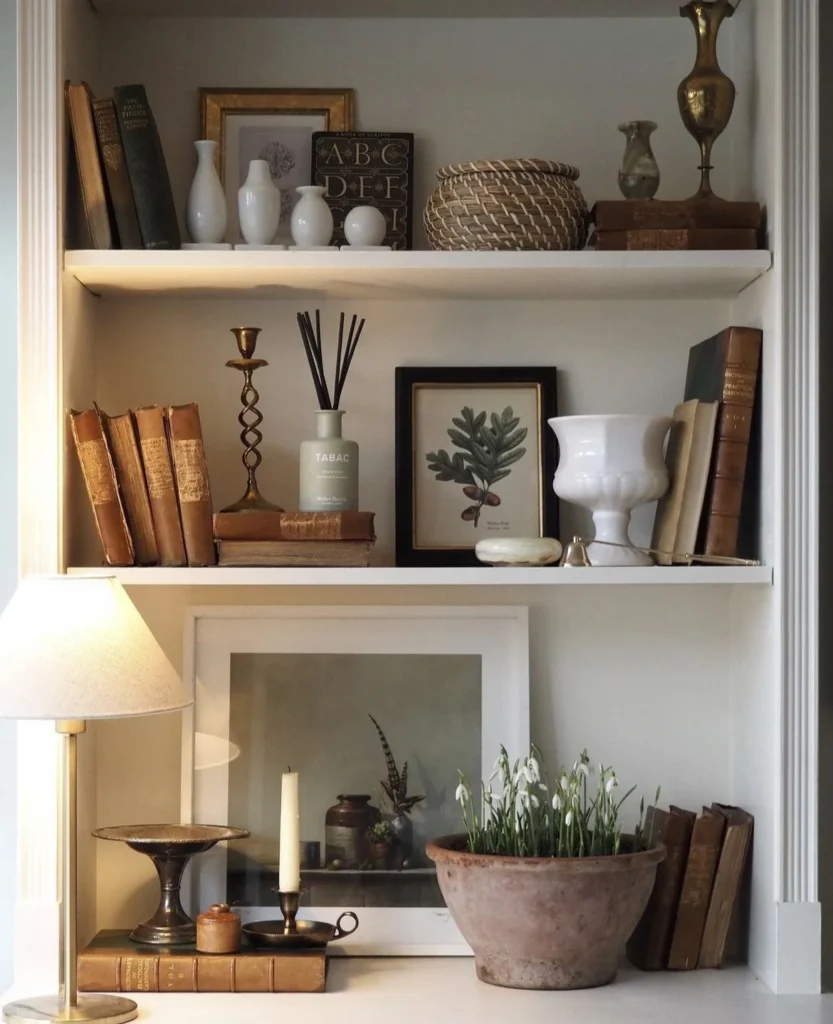
Once you have your plant lineup, arranging them becomes an artistic exercise. Below are proven styling techniques that work for a variety of bedroom sizes:
Layered heights for visual rhythm
Place taller plants toward the back or on the far side of the shelf, and shorter ones in front. This creates a sense of depth, making the shelf appear larger. For example, a modestly sized ZZ plant can anchor one corner, while a string of trailing pothos cascades down the side, adding softness.
Group by color and texture
Grouping plants with similar leaf tones—such as a cluster of deep‑green foliage—creates a calming block of color. Intermix with a neutral pot or a textured ceramic to break monotony. If you love contrast, pair a variegated philodendron with a matte black pot, balancing boldness with subtlety.
Mixing functional items
Integrate practical objects like a sleek alarm clock, a stack of your favorite books, or a minimalist diffuser. These items not only fill gaps but also reinforce the bedroom’s purpose as a restful space. A small stack of design books can serve as a stepping platform for a slightly taller succulent, adding both utility and style.
Materials, Lighting, and Accessories to Enhance the Look
The backdrop of your shelf and the lighting you choose can dramatically affect how bedroom shelf décor with plants is perceived. Consider the following elements:
- Shelf material: Wood adds warmth, while floating glass shelves give an airy, modern feel. If you have a darker bedroom palette, a light‑colored wood shelf can brighten the area.
- Lighting options: Use a low‑wattage LED strip along the shelf’s underside to create a gentle halo that highlights the foliage at night. Alternatively, a small table lamp with a warm hue can emphasize the plants without overwhelming the space.
- Accessories: Ceramic or woven baskets for small succulents, decorative stones, or a thin metal tray for essential oils can tie the look together.
When selecting lighting, remember that many bedroom plants prefer indirect illumination. A dimmable LED fixture allows you to adjust brightness based on the time of day, supporting plant health while providing a soothing ambience.
For a broader perspective on material choices, check out the Coretec vs Mannington flooring guide. Understanding how different textures interact can inform your shelf and plant decisions, ensuring a harmonious overall design.
Small Space Solutions: Making the Most of Limited Bedroom Real Estate
In studio apartments or compact bedrooms, every inch counts. Bedroom shelf décor with plants can be adapted to suit tight quarters without feeling cramped. Here are three strategies for small spaces:
- Vertical stacking: Install a narrow, tall ladder shelf that lets you place plants at varying heights without occupying floor space.
- Multi‑functional furniture: Choose a nightstand that includes built‑in shelving; the top surface can host a small pothos while the lower shelf holds books.
- Floating wall-mounted shelves: Position a floating shelf just above the bedside table. This keeps the floor clear while providing a convenient spot for a low‑maintenance snake plant.
When dealing with limited space, opt for plants with compact growth habits. Miniature succulents, air plants (Tillandsia), or a single trailing string of pearls can deliver the green effect without overwhelming the shelf.
Quick Home Décor Tips for Bedroom Shelves
- Choose pots with similar finishes to create a cohesive look.
- Rotate plants every few months to ensure even growth and prevent one side from becoming lopsided.
- Use a humidity tray or pebble tray under pots to boost moisture for tropical varieties.
- Incorporate a small scented candle or essential oil diffuser to enhance the sensory experience.
- Keep a small notebook on the shelf to track watering schedules and plant health.
Common Mistakes and How to Avoid Them
Even seasoned décor lovers can slip up when styling bedroom shelf décor with plants. Recognize these pitfalls early:
- Overwatering: Most bedroom plants prefer the soil to dry out between waterings. Use pots with drainage holes and a saucer to prevent water accumulation.
- Choosing the wrong light level: Placing a sun‑loving cactus on a dim shelf leads to weak, stretched growth. Match plant needs with the shelf’s natural light exposure.
- Clashing pot styles: Mixing wildly different pot designs can create visual chaos. Stick to a palette of two or three complementary finishes.
- Ignoring height balance: A single towering plant can dominate a short shelf, making the space feel unbalanced. Pair tall plants with shorter companions.
By being mindful of these issues, you’ll keep your bedroom shelf décor with plants looking fresh and intentional for years to come.
Frequently Asked Questions
Can I keep real plants on a bedroom shelf if I have allergies?
Yes, choose hypoallergenic options such as snake plants, spider plants, or peace lilies, which are known for their air‑purifying qualities and low pollen production.
How often should I water plants on a bedroom shelf?
Watering frequency depends on the plant type and humidity. As a general rule, water when the top inch of soil feels dry. Succulents may need watering once every two weeks, while tropical plants might require weekly moisture.
Do I need special soil for indoor shelf plants?
A well‑draining potting mix designed for indoor use works best. Adding perlite or orchid bark improves aeration, preventing root rot in low‑light conditions.
What’s the best way to clean dust from plant leaves?
Gently wipe each leaf with a soft, damp cloth or give the plant a brief shower in the bathtub. This not only keeps the foliage looking vibrant but also improves photosynthesis.
Can I use artificial plants for bedroom shelf décor?
Artificial plants offer a low‑maintenance alternative, but they lack the health benefits of real greenery. If you choose faux foliage, select high‑quality options with realistic textures and pair them with real decorative items for authenticity.
For more inspiration on integrating artwork and décor, explore our article on Valspar paint finishes and how color choices can complement your plant selections.
Implementing bedroom shelf décor with plants is a rewarding project that blends aesthetics with well‑being. By following the guidelines above—selecting the right species, arranging with intention, and paying attention to lighting and accessories—you’ll transform a simple shelf into a living focal point that breathes life into your bedroom.
Take these ideas, experiment with your own space, and enjoy the subtle, calming presence that thoughtfully placed greenery can bring. For more design inspiration, visit The Homara’s extensive library of modern home décor articles.