
Table of Contents
- Choosing a Calm Color Palette for Bedroom Décor
- Key Steps to Select the Perfect Calm Hue
- Integrating Textures and Materials for Depth
- Layering Textures in Bedroom Décor with Calm Color Palette
- Lighting Strategies to Enhance Calmness
- Ambient Light: Setting the Base
- Task Light: Functional Yet Gentle
- Accent Light: Highlighting Details
- Furniture Arrangement for Flow and Serenity
- Creating a Focal Point
- Balancing Symmetry and Asymmetry
- Space‑Saving Solutions for Small Bedrooms
- Accessorizing Without Overcrowding
- Artwork and Wall Décor
- Plants for Natural Calm
- Textile Accents
- Quick Tips for an Instantly Calmer Bedroom
- Common Mistakes to Avoid When Crafting a Calm Bedroom
- Frequently Asked Questions
- What are the best calm colors for a small bedroom?
- Can I use bold accent colors in a bedroom décor with calm color palette?
- How do I transition from a bold bedroom to a calm color palette without a full remodel?
- Is it okay to mix cool and warm tones in a calm bedroom?
- What lighting temperature best complements calm colors?
- How often should I update my bedroom décor with calm color palette?
Creating a sanctuary within the four walls of your bedroom is more than just picking a comfortable mattress or stylish bedding. The colors that surround you play a pivotal role in shaping the mood, influencing sleep quality, and defining the overall aesthetic of the space. A bedroom décor with calm color palette can turn a typical sleeping area into a tranquil retreat that nurtures both body and mind. In this guide, we’ll explore how to select soothing hues, balance textures, and arrange furnishings to achieve a harmonious environment that feels both modern and timeless.
Whether you’re a first‑time renter, a seasoned homeowner, or simply someone looking to refresh a tired space, understanding the psychology behind calm colors and mastering the fundamentals of layering them will empower you to make confident design decisions. Expect practical tips on paint selection, accessory styling, lighting choices, and common pitfalls to avoid—all backed by interior design expertise.
Choosing a Calm Color Palette for Bedroom Décor
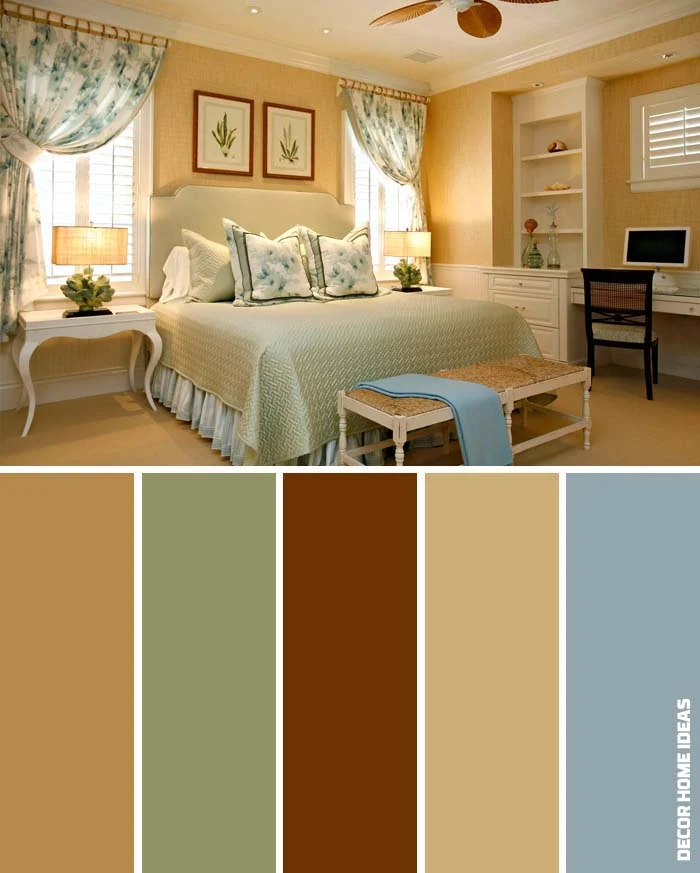
The foundation of any bedroom décor with calm color palette lies in the initial color selection. Soft neutrals, muted blues, gentle greens, and warm greys are all excellent candidates because they naturally promote relaxation. When you begin, consider the natural light your room receives; bright, sunny spaces can handle slightly cooler tones like sage or sea‑foam, while dimmer rooms often benefit from warm, creamy shades that reflect available light.
Key Steps to Select the Perfect Calm Hue
- Assess the room’s lighting: Observe how sunlight shifts throughout the day and choose colors that complement those changes.
- Test paint samples: Apply large swatches on opposite walls and view them at different times to see how the hue behaves.
- Consider the existing furniture: If you have a dark wood dresser, lighter, airy walls will create contrast without overwhelming the space.
- Use the 60‑30‑10 rule: 60% dominant color (walls), 30% secondary color (bedding, curtains), 10% accent color (art, pillows).
When you pair a soft dove‑grey wall with crisp white bedding and subtle teal accents, you achieve a bedroom décor with calm color palette that feels both cohesive and inviting. The goal is not to eliminate all color, but to curate a harmonious blend where each hue supports a serene atmosphere.
Integrating Textures and Materials for Depth

Even the most carefully chosen calm colors can feel flat without the right textures. Layering different materials adds visual interest and tactile comfort, reinforcing the sense of calm while preventing the space from appearing sterile. Think of textures as the silent partners that enhance the emotional impact of your bedroom décor with calm color palette.
Layering Textures in Bedroom Décor with Calm Color Palette
Start with a base layer—smooth, matte wall paint in a muted tone. Next, introduce a plush area rug in a complementary shade to soften footsteps and add warmth. Linen or cotton bedding in off‑white provides breathable comfort, while a chunky knit throw in a muted sage brings cozy depth. Finally, incorporate natural elements such as a woven basket or a wooden nightstand to ground the design.
- Rugs: Choose low‑pile or flat‑woven options for a subtle texture that doesn’t compete with the calm hues.
- Bedding: Opt for high‑thread‑count sheets and a lightweight duvet in a neutral tone.
- Accessories: Add ceramic vases, matte metal lamps, or soft faux‑fur cushions to enrich the palette.
Balancing these textures ensures that the bedroom décor with calm color palette feels inviting from a visual and tactile perspective, encouraging relaxation as soon as you step onto the soft rug or sink into the crisp sheets.
Lighting Strategies to Enhance Calmness
Lighting is a silent sculptor of mood. In a bedroom décor with calm color palette, lighting should amplify the soothing qualities of the chosen colors rather than distract from them. A layered lighting approach—combining ambient, task, and accent lighting—creates flexibility and maintains a tranquil ambiance throughout the day and night.
Ambient Light: Setting the Base
Soft, diffused ceiling fixtures, such as frosted glass pendants or recessed LEDs with warm temperature (2700‑3000K), lay the groundwork for calmness. Pair these with sheer curtains in a light ivory to allow gentle natural light while maintaining privacy.
Task Light: Functional Yet Gentle
Bedside table lamps with dimmable bulbs provide focused illumination for reading without disrupting the overall serenity. Choose lampshades in muted tones—like soft taupe or dusty blue—to blend seamlessly with the bedroom décor with calm color palette.
Accent Light: Highlighting Details
LED strip lights behind a headboard or a small spotlight on a piece of artwork can accentuate textures and colors. Ensure the accent light is low‑intensity to avoid breaking the calm atmosphere.
For more insight on how lighting interacts with color, check out our guide on cozy home décor with soft lighting. The principles discussed there translate directly to mastering a calm bedroom environment.
Furniture Arrangement for Flow and Serenity
The placement of furniture can either reinforce the calm aesthetic or create visual clutter. When arranging a bedroom décor with calm color palette, prioritize simplicity and functionality while maintaining clear pathways for movement.
Creating a Focal Point
Typically, the bed serves as the focal point. Position it against a wall painted in your chosen calm hue, ensuring the headboard aligns with a simple piece of artwork or a decorative mirror. This draws the eye and reinforces the color scheme.
Balancing Symmetry and Asymmetry
Symmetrical nightstands in a light wood finish flank the bed, providing balance without overwhelming the space. If you prefer an asymmetrical layout, offset a single chair or a small reading nook in a corner, using a muted teal cushion to echo the calm palette.
Space‑Saving Solutions for Small Bedrooms
For compact rooms, consider floating shelves, wall‑mounted nightstands, or a daybed that doubles as seating. These choices maintain the calm color palette’s airy feel while maximizing floor space. Our article on small apartment living room décor ideas offers additional tips that translate well to bedroom layouts.
Accessorizing Without Overcrowding
Accessories are the finishing touches that bring personality to a bedroom décor with calm color palette. The key is to select pieces that enhance the serene vibe rather than dominate it.
Artwork and Wall Décor
Choose prints or paintings featuring soft, abstract forms in complementary colors. A single large canvas in muted lavender can serve as a gentle visual anchor above the bed.
Plants for Natural Calm
Live greenery, such as a snake plant or a small ficus, adds a breath of fresh air and subtly introduces a natural hue that works beautifully with calm colors. Place pots in neutral ceramic finishes to keep the look cohesive.
Textile Accents
Swap out standard pillowcases for a few in muted patterns—think thin stripes or subtle botanical motifs. A lightweight, woven throw draped over a chair adds a layer of visual interest without disrupting the calm color palette.
Quick Tips for an Instantly Calmer Bedroom
- Start with a single wall painted in a soothing hue and build the rest of the room around it.
- Use dimmable lighting to adjust the ambiance from bright morning to soft evening.
- Incorporate natural textures like wood, linen, and plants to add depth.
- Limit décor to a few purposeful pieces; less is more when maintaining calm.
- Keep clutter hidden with stylish storage solutions that match the color scheme.
Common Mistakes to Avoid When Crafting a Calm Bedroom
Even with the best intentions, certain missteps can undermine the serenity you aim to achieve. Recognizing these pitfalls early helps you stay on track.
- Overusing Dark Accents: While dark furniture can add contrast, too much can make the space feel heavy. Balance with lighter textiles.
- Ignoring Light Sources: Failing to account for natural light can result in colors appearing too cool or too warm.
- Mixing Too Many Hues: A calm color palette thrives on restraint. Stick to two or three main colors to avoid visual chaos.
- Choosing Overly Textured Fabrics: Heavy, patterned fabrics can clash with the serene vibe; opt for subtle weaves instead.
- Neglecting Scale: Oversized furniture in a small room can overwhelm the calm aesthetic; choose proportionate pieces.
Frequently Asked Questions
What are the best calm colors for a small bedroom?
Soft blues, pale greys, and warm off‑whites work well in smaller spaces because they reflect light and create an illusion of openness. Pair them with light wood accents to enhance the airy feel.
Can I use bold accent colors in a bedroom décor with calm color palette?
Yes, but keep accents subtle. A single throw pillow in a muted mustard or a piece of art with a touch of coral can add personality without disrupting the overall serenity.
How do I transition from a bold bedroom to a calm color palette without a full remodel?
Start by repainting one accent wall in a soothing shade, replace heavy drapery with sheer curtains, and introduce calming textiles such as linen bedding and a soft rug. Incremental changes gradually shift the atmosphere.
Is it okay to mix cool and warm tones in a calm bedroom?
Mixing is possible when done thoughtfully. Pair a cool, muted teal wall with warm beige bedding and wooden furniture to maintain balance. The key is to ensure one temperature dominates to avoid visual tension.
What lighting temperature best complements calm colors?
Warm white lighting (2700‑3000K) enhances the soothing qualities of most calm palettes, especially neutrals and soft earth tones. For cooler hues like pale blues, a slightly cooler white (3500K) can be used sparingly to maintain harmony.
How often should I update my bedroom décor with calm color palette?
Trends in color shift slowly; a well‑chosen calm palette can remain timeless for 5‑7 years. Refresh by updating accessories, textiles, or small furniture pieces rather than repainting the entire room.
Transforming your personal retreat with a bedroom décor with calm color palette is an accessible yet profoundly rewarding endeavor. By thoughtfully selecting soothing hues, layering textures, optimizing lighting, and avoiding common design mistakes, you’ll craft a space that supports restful sleep, reduces stress, and reflects your unique style. Take the first step today—choose a gentle wall color, add a plush rug, and let the serenity unfold. For more inspiration, explore our other interior design articles and keep experimenting until your bedroom feels exactly as peaceful as you envision.