
Table of Contents
- Understanding the Basics of Balcony Plant Shelf Styling
- Choosing the Perfect Shelving System for Your Balcony
- 1. Freestanding Modular Shelves
- 2. Wall‑Mounted Floating Shelves
- 3. Tiered Plant Stands
- Curating a Cohesive Plant Palette
- Integrating Decorative Elements Without Overcrowding
- Choosing Accessories that Echo Your Home’s Interior
- Functional Décor: Lighting and Seating
- Artful Arrangement Tips
- Styling Small Balconies: Maximizing Space and Impact
- Quick Tips for Instant Balcony Plant Shelf Styling Success
- Common Mistakes to Avoid in Balcony Plant Shelf Styling
- Frequently Asked Questions
- What type of shelves are best for a sunny balcony?
- Can I use indoor plants on my balcony shelves?
- How often should I water plants on balcony shelves?
- Is it okay to place heavy pots on the top shelf?
- How do I protect my balcony shelves from rust?
- Can I incorporate a small herb garden into my balcony plant shelf styling?
- Bringing the Outdoor Vibe Inside: Extending Balcony Style to Your Home
- Final Thoughts on Mastering Balcony Plant Shelf Styling
Balcony Plant Shelf Styling: Transform Your Outdoor Space with Modern Elegance
Balconies often become the missing piece in a home’s overall aesthetic—a small, overlooked area that holds immense potential for both visual impact and personal retreat. When styled thoughtfully, a balcony can feel like an extension of your living room, bedroom, or even a dedicated garden sanctuary. The secret lies in balcony plant shelf styling, a technique that blends greenery, texture, and smart storage into a cohesive design.
Whether you’re a city dweller with a compact balcony or a suburban homeowner with a sprawling terrace, the principles of plant shelf styling remain the same: create balance, enhance functionality, and showcase nature’s beauty. In this article, we’ll walk you through the essential steps, from selecting the right shelves to curating a harmonious plant palette, and we’ll sprinkle in practical tips that align with modern interior design trends.
By the end of this guide, you’ll have a clear roadmap for turning any balcony—big or small—into a vibrant, Instagram‑worthy space that reflects your personal style while staying practical for daily living.
Understanding the Basics of Balcony Plant Shelf Styling
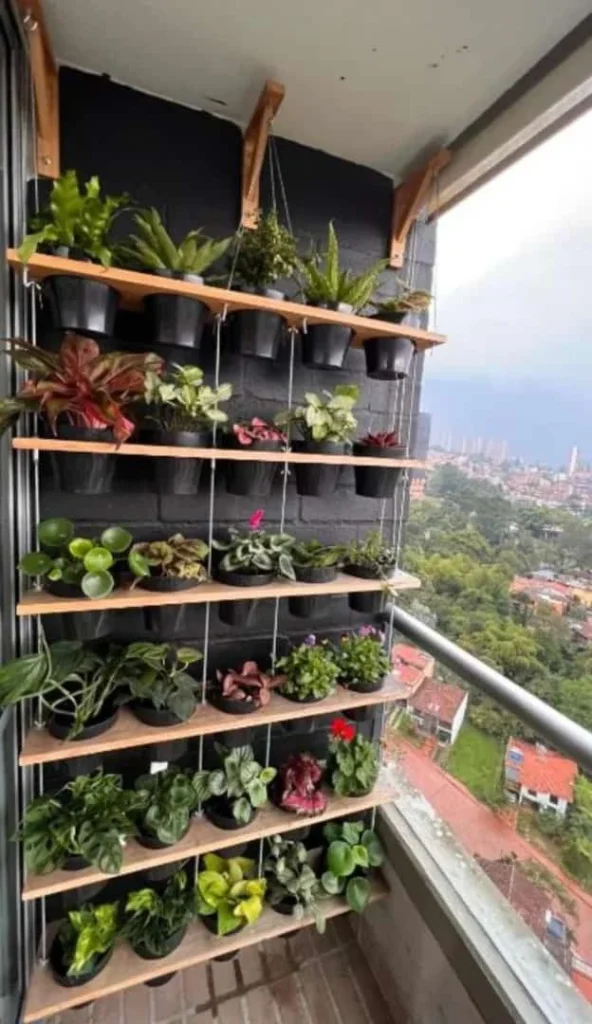
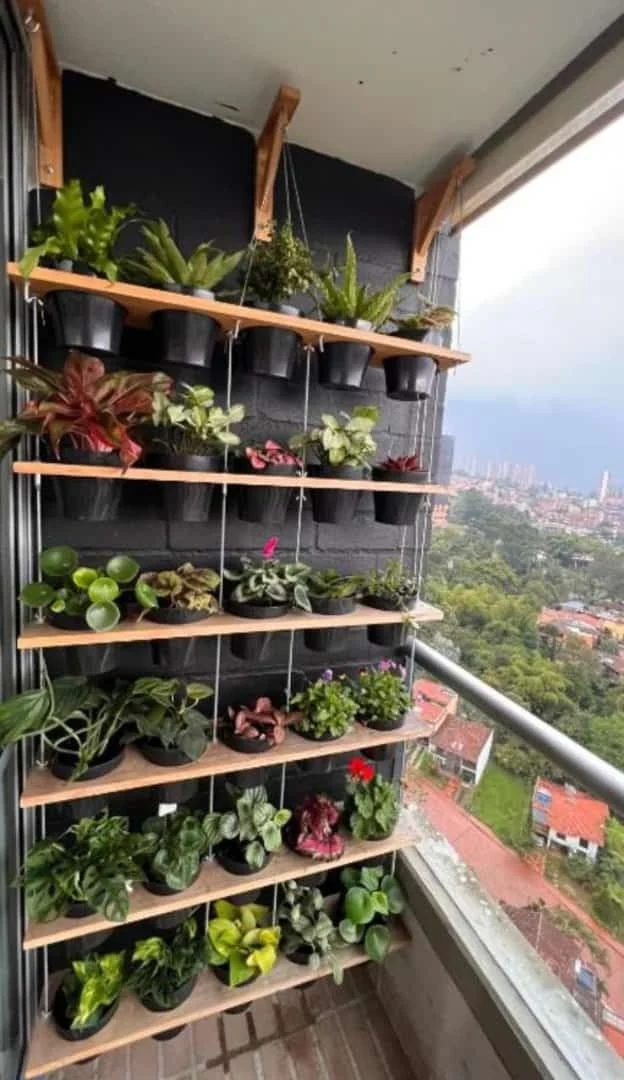
Before you dive into specific design choices, it’s important to grasp the core concepts that make balcony plant shelf styling successful. At its heart, this approach is about layering. Shelves provide vertical real estate, allowing you to stack pots, display decorative objects, and even hide gardening tools without cluttering the floor. The result is a dynamic visual rhythm that draws the eye upward and outward.
Key considerations include:
- Sunlight exposure: Know which side of your balcony receives the most sun and choose plants accordingly.
- Weight capacity: Ensure the balcony floor and any railings can support the combined weight of shelves, soil, and pots.
- Material harmony: Match shelf materials (metal, wood, recycled plastic) with existing balcony railings or outdoor furniture for a seamless look.
- Weather resilience: Opt for UV‑resistant finishes and waterproof planters to extend the life of your styling.
When you align these fundamentals, every subsequent decision—color palette, plant selection, decorative accents—builds on a solid foundation.
Choosing the Perfect Shelving System for Your Balcony
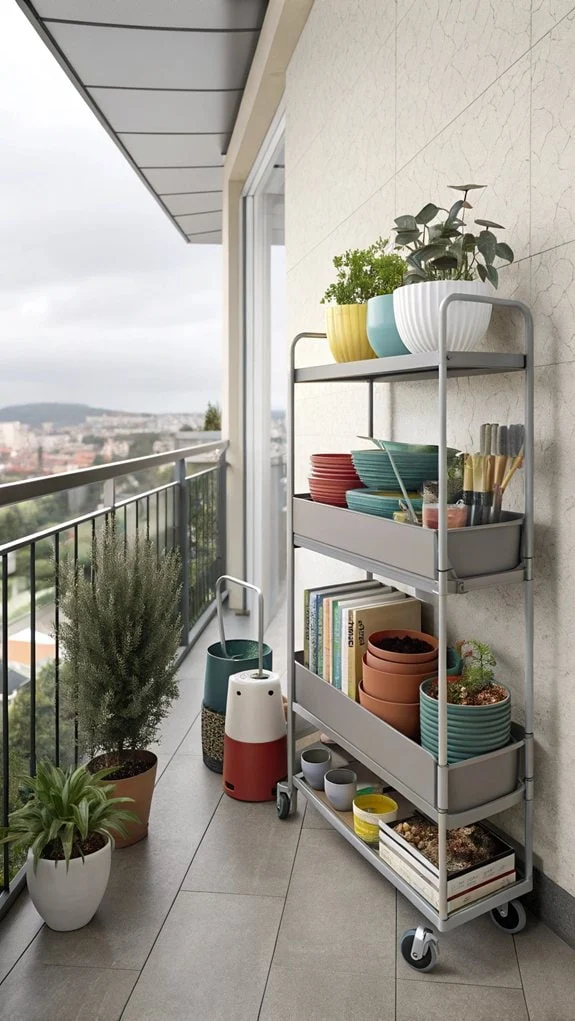
The right shelving system acts as the canvas for your balcony plant shelf styling. Here are three popular options, each with its own advantages:
1. Freestanding Modular Shelves
Modular units give you flexibility to reconfigure as your plant collection grows. Look for lightweight metal frames with rust‑proof powder coating, or reclaimed wood that adds warmth. Because they’re freestanding, you can place them away from railings, creating a clear path for foot traffic.
2. Wall‑Mounted Floating Shelves
Floating shelves are ideal for narrow balconies where floor space is premium. Secure them into sturdy balcony walls using stainless steel anchors. Choose a depth of 6–8 inches to accommodate medium‑sized pots while keeping the visual profile slim.
3. Tiered Plant Stands
Tiered stands, often made of wrought iron or bamboo, provide multiple levels without the need for separate brackets. They work well for herbs or succulents that need different light levels, and they add a sculptural element that can become a focal point.
Whichever system you select, ensure it complements the overall aesthetic of your home’s exterior. If your façade leans toward industrial chic, metal shelves with clean lines will echo that vibe. For a more organic, cottage‑style feel, reclaimed timber or bamboo adds natural texture.
Curating a Cohesive Plant Palette
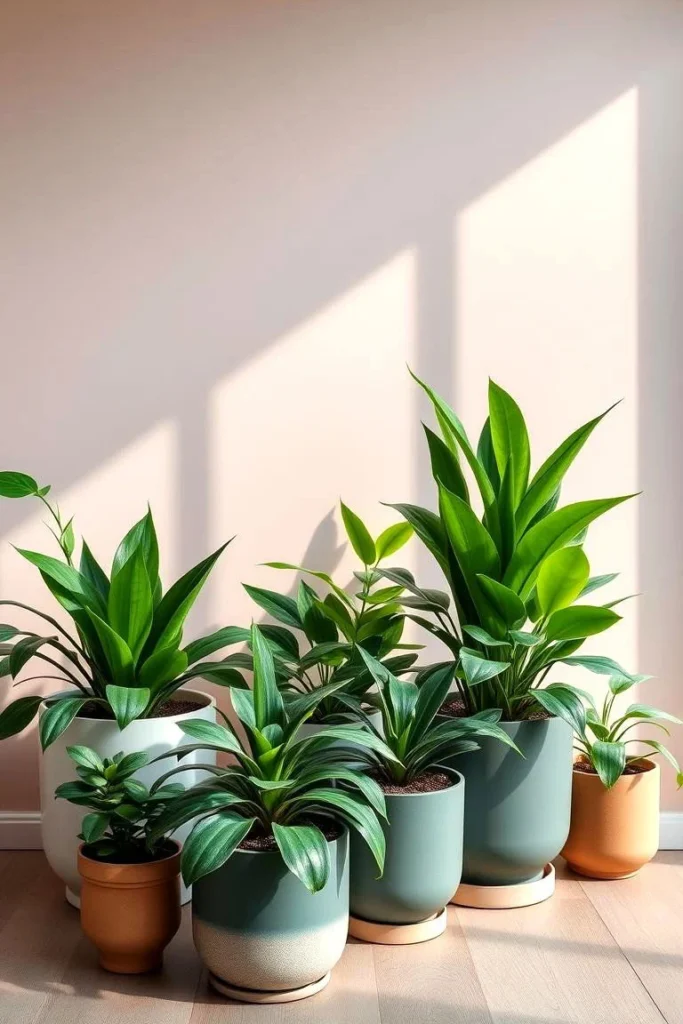
Plants are the star of any balcony, but a haphazard collection can feel chaotic. Curating a cohesive plant palette involves balancing foliage types, colors, and growth habits. Below are three strategies to achieve harmony:
- Monochromatic greens: Pair deep‑green foliage like Fiddle Leaf Fig with lighter, chartreuse leaves of Snake Plant. This creates subtle contrast while keeping the color scheme unified.
- Seasonal color bursts: Incorporate flowering plants such as Petunias in summer and Pansies in cooler months. Rotate them on the shelves to keep the space fresh throughout the year.
- Texture variety: Mix succulents with feathery ferns and trailing vines like String of Pearls. The contrast in leaf shape adds visual intrigue without overwhelming the eye.
Remember to consider the light requirements of each plant. Position sun‑loving species on the topmost shelves where they receive the most direct sunlight, and place shade‑tolerant plants on lower levels or in corners that are sheltered from the afternoon sun.
Integrating Decorative Elements Without Overcrowding
While plants are central, decorative accessories can elevate balcony plant shelf styling to a polished look. The key is restraint—choose items that complement, not compete, with your greenery.
Choosing Accessories that Echo Your Home’s Interior
If your living room features brushed brass fixtures, consider adding brass plant stakes or small lanterns on the balcony shelves. For a minimalist interior with neutral tones, opt for matte black or concrete planters to maintain a cohesive aesthetic.
Functional Décor: Lighting and Seating
String lights or solar‑powered LED strips tucked behind the back edge of a shelf create a warm glow after dusk, turning the balcony into a cozy evening retreat. A compact fold‑up chair or a set of cushioned floor pillows can add seating without compromising the shelf’s footprint.
Artful Arrangement Tips
- Use odd numbers of pots per shelf (three, five) for natural balance.
- Place taller pots in the center of each level and flank them with shorter, decorative objects.
- Incorporate natural elements like driftwood or river rocks to break up the uniformity of pots.
These subtle touches amplify the overall design while preserving the open, airy feel essential for a balcony.
Styling Small Balconies: Maximizing Space and Impact
Compact balconies demand clever use of every inch. Here’s how to apply balcony plant shelf styling when square footage is limited:
- Vertical focus: Choose tall, narrow shelving that reaches toward the ceiling, drawing the eye upward and making the space feel larger.
- Foldable furniture: A collapsible table that can be stored against a wall when not in use frees up floor space for additional shelves.
- Dual‑purpose containers: Use planters that double as storage boxes for gardening tools, cushions, or outdoor dinnerware.
For inspiration on making tight spaces feel airy, see our guide on small bedroom headboard décor ideas. The same principles of layering and strategic placement translate beautifully to balcony environments.
Quick Tips for Instant Balcony Plant Shelf Styling Success
- Start with a neutral base: paint or treat shelves in a light, weather‑resistant finish.
- Group plants by water needs: place drought‑tolerant succulents together to simplify watering.
- Use matching pot sizes on each shelf level for visual consistency.
- Add a single statement piece—like a decorative lantern—to anchor the overall look.
- Rotate plants seasonally to keep the display fresh and ensure each plant gets appropriate light.
Common Mistakes to Avoid in Balcony Plant Shelf Styling
Even seasoned decorators can stumble. Below are pitfalls that often undermine the potential of a balcony:
- Ignoring weight limits: Overloading shelves with heavy clay pots can cause structural damage. Opt for lightweight fabric or resin pots for larger plants.
- Uniformity overload: While consistency is key, an all‑same‑color scheme can feel sterile. Introduce texture or a splash of contrasting color.
- Poor drainage: Failing to provide adequate drainage trays leads to water pooling, which can damage both plants and balcony flooring.
- Neglecting wind protection: Tall shelves are wind catches. Anchor them securely or use wind‑breakers like bamboo screens.
By staying mindful of these issues, you can maintain a beautiful, functional balcony year after year.
Frequently Asked Questions
What type of shelves are best for a sunny balcony?
For a balcony that receives abundant sunlight, metal shelves with powder‑coated finishes are ideal because they resist heat and UV damage. Pair them with UV‑protected planters to prevent color fading.
Can I use indoor plants on my balcony shelves?
Indoor plants can thrive outdoors if they receive the appropriate light and are gradually acclimated. Start by placing them in a shaded spot for a week, then slowly move them to brighter shelves. However, many indoor species may struggle with temperature fluctuations, so it’s safer to choose varieties known for outdoor resilience.
How often should I water plants on balcony shelves?
Watering frequency depends on plant type, pot size, and weather conditions. As a rule of thumb, check the top inch of soil; if it feels dry, water lightly. During hot summer days, you may need to water daily, while cooler months often require less frequent watering.
Is it okay to place heavy pots on the top shelf?
Yes, as long as the shelving system’s load rating supports the weight. Distribute weight evenly across the shelf and avoid placing all heavy pots in one spot to prevent sagging.
How do I protect my balcony shelves from rust?
Choose shelves with a rust‑proof coating, such as powder‑coated aluminum or stainless steel. Regularly clean them with a mild detergent and dry thoroughly after rain. Applying a clear sealant annually adds an extra layer of protection.
Can I incorporate a small herb garden into my balcony plant shelf styling?
Absolutely. Herbs like basil, thyme, and rosemary love sunny spots and fit well on the upper shelves where they receive maximum light. Use shallow, well‑draining containers to prevent waterlogged soil, and consider a drip‑irrigation system for consistent moisture.
Bringing the Outdoor Vibe Inside: Extending Balcony Style to Your Home
One of the most rewarding aspects of balcony plant shelf styling is its ability to influence interior design. The same color palette, materials, and plant selections can be echoed in adjacent rooms, creating a seamless flow between indoor and outdoor spaces. For example, a brushed‑copper shelf on the balcony can be mirrored with copper‑tone light fixtures in the living room. Likewise, a selection of green foliage can inspire cushions, wall art, or even a painted accent wall inside.
To explore how outdoor elements translate into interior décor, check out our piece on natural home styling ideas – bring the outdoors inside. The concepts of layering, texture, and color continuity are directly applicable to both realms.
Final Thoughts on Mastering Balcony Plant Shelf Styling
Balcony plant shelf styling is more than a trend; it’s a versatile design strategy that maximizes limited space, enhances curb appeal, and nurtures a connection with nature. By selecting the right shelving, curating a balanced plant palette, and integrating thoughtful decorative accents, you can transform any balcony—no matter how modest—into a stylish sanctuary. Remember to respect structural limits, prioritize proper plant care, and keep the overall aesthetic cohesive with your home’s interior. With these principles in hand, you’re ready to create a balcony that not only looks stunning but also serves as a personal retreat for relaxation, entertaining, and everyday enjoyment.
[ CATEGORY ]: Home Decor Ideas