
Table of Contents
- Balcony décor with small herb gardens: Planning the Perfect Layout
- Selecting Containers and Materials for a Cohesive Look
- Balcony décor with small herb gardens: Choosing the right container size
- Choosing Herbs That Thrive in Balcony Conditions
- Lighting, Watering, and Soil: The Essentials for Healthy Herbs
- Lighting strategies for limited sun exposure
- Watering techniques that prevent over‑ or under‑watering
- Choosing the right soil mix
- Styling Tips: Adding Personality to Your Balcony Décor with Small Herb Gardens
- Quick Tips for Successful Balcony Herb Gardening
- Common Mistakes and How to Avoid Them
- Frequently Asked Questions
- Conclusion
Balcony décor with small herb gardens: A Complete Guide
Living in an urban environment often means limited outdoor space, but a modest balcony can become a vibrant sanctuary when styled thoughtfully. Integrating a small herb garden into your balcony décor not only adds visual charm but also brings fresh flavors to your kitchen, enhances air quality, and creates a soothing retreat for relaxation. Whether you’re a seasoned gardener or a complete beginner, the right combination of design principles and practical planting strategies can transform even the tiniest balcony into a functional and beautiful green oasis.
In this guide, we’ll explore how to blend aesthetic appeal with horticultural success, covering everything from layout planning and container selection to lighting, watering, and seasonal care. You’ll discover design ideas that complement modern home décor, learn how to choose herbs that thrive in limited sunlight, and find clever storage solutions that keep your balcony tidy and inviting. By the end, you’ll have a clear roadmap to create a balcony décor with small herb gardens that reflects your personal style and enhances everyday living.
Balcony décor with small herb gardens: Planning the Perfect Layout
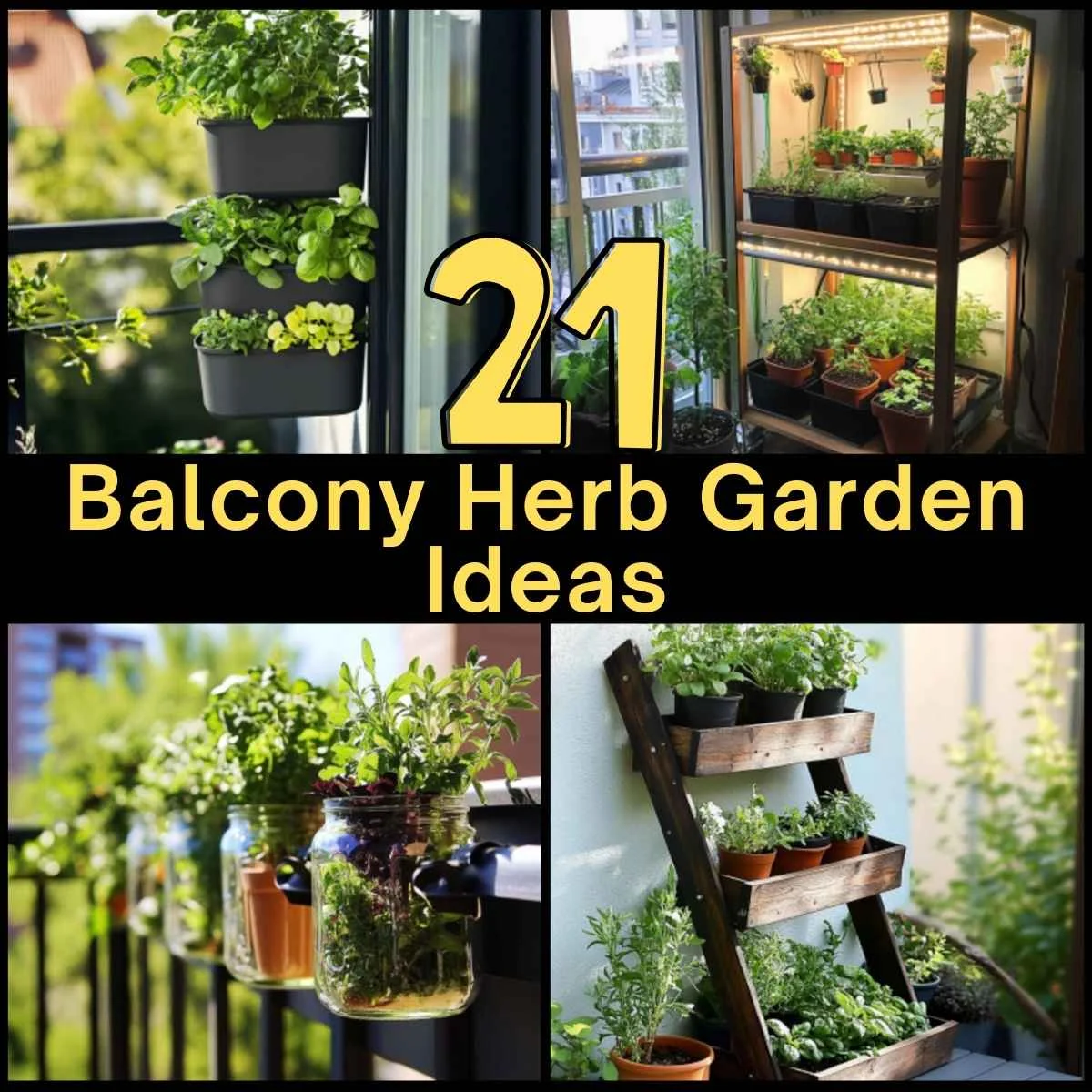
Before you buy pots or soil, start with a thoughtful layout plan. Measure your balcony’s dimensions, noting any railings, windows, or obstacles that could affect sunlight exposure. Sketch a simple floor plan and experiment with different arrangements—vertical, horizontal, and mixed. Vertical gardens, such as wall-mounted planters or tiered shelving, free up floor space and add visual interest, making them ideal for balconies with limited square footage. Horizontal layouts, like a row of containers along the railing, provide easy access for watering and harvesting.
When planning your balcony décor with small herb gardens, consider the following:
- Sunlight zones: Most herbs need 4‑6 hours of direct sun. Identify the sunniest spot and place sun‑loving herbs there.
- Wind protection: Balconies can be breezy; use windbreaks like lattice panels or decorative screens.
- Traffic flow: Keep pathways clear for easy movement and avoid overcrowding containers.
- Style cohesion: Choose containers and accessories that match your existing outdoor décor, whether it’s sleek metal, rustic wood, or colorful ceramic.
By visualizing the layout early, you’ll avoid costly rearrangements later and ensure a harmonious blend of functionality and style. For inspiration on coordinating colors, you might explore our article on balcony décor with neutral cushions, which demonstrates how subtle tones can create a serene backdrop for your herb garden.
Selecting Containers and Materials for a Cohesive Look

The choice of containers influences both the health of your herbs and the overall aesthetic of your balcony décor with small herb gardens. Materials such as terracotta, ceramic, metal, and recycled plastic each offer distinct benefits. Terracotta is breathable and ideal for plants that prefer drier conditions, while glazed ceramics retain moisture better, reducing watering frequency. Metal containers add an industrial edge that pairs well with modern interiors, and lightweight plastic options are perfect for renters who need to move pots easily.
Balcony décor with small herb gardens: Choosing the right container size
Herbs vary in root depth; shallow‑rooted herbs like basil and cilantro thrive in 6‑8 inch pots, whereas deeper‑rooted varieties such as rosemary and thyme need 10‑12 inches. Overcrowding can stunt growth and invite pests, so allocate enough space per plant. Additionally, ensure each container has drainage holes to prevent waterlogged roots—a common mistake among beginners.
To add visual cohesion, select a uniform color palette or mix complementary shades. For instance, a set of matte black containers paired with a few bright teal planters creates a balanced yet dynamic look. If you enjoy a more natural vibe, consider reclaimed wood boxes or woven bamboo baskets, which add texture and warmth.
Choosing Herbs That Thrive in Balcony Conditions
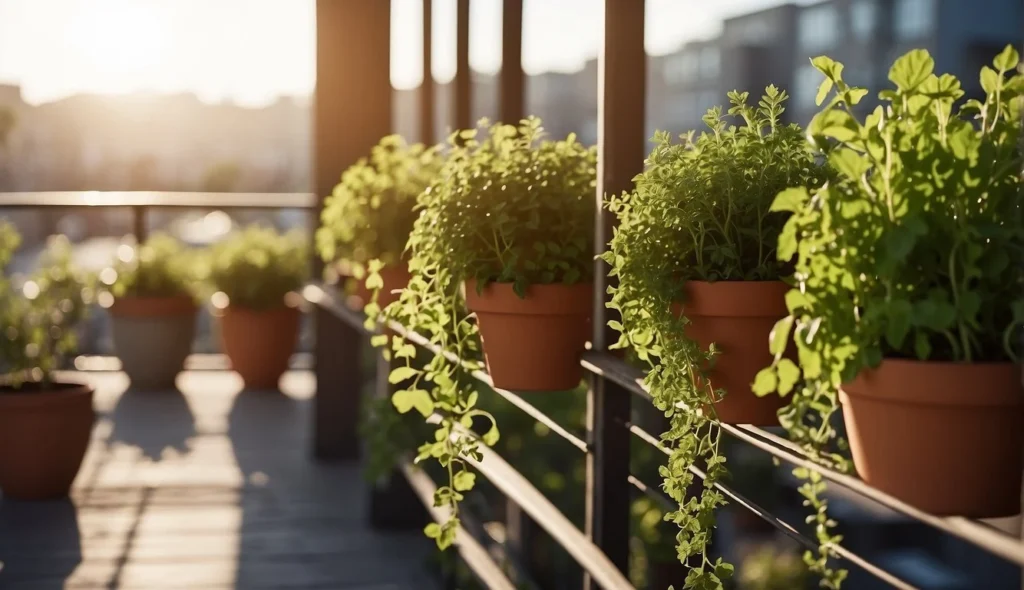
Not all herbs are created equal when it comes to balcony growing. Selecting varieties that match your local climate and the micro‑environment of your balcony ensures a thriving garden. Here are some reliable choices:
- Basil: Loves full sun and warm temperatures; perfect for summer dishes.
- Mint: Grows well in partial shade and can be invasive—contain it in its own pot.
- Thyme: Tolerates drier conditions; ideal for rock‑style containers.
- Parsley: Prefers cooler spots with morning sun and afternoon shade.
- Chives: Adaptable and low‑maintenance; great for edging.
- Rosemary: Requires full sun and well‑draining soil; adds a fragrant, woody note.
For balconies that receive less than 4 hours of direct sun, focus on shade‑tolerant herbs like mint, parsley, and chives. Pair these with reflective surfaces—such as a light-colored railing or a mirrored tray—to bounce extra light onto the plants.
Lighting, Watering, and Soil: The Essentials for Healthy Herbs
Even the most stylish balcony décor with small herb gardens will falter without proper care. Light, water, and soil are the three pillars of herb health.
Lighting strategies for limited sun exposure
If natural light is scarce, supplement with LED grow lights. Clip‑on fixtures can be mounted on railings and adjusted throughout the day. Choose full‑spectrum LEDs that mimic sunlight, and set them on a timer for 12‑14 hours of light during winter months.
Watering techniques that prevent over‑ or under‑watering
Consistent moisture is key, but overwatering can lead to root rot. Use a moisture meter or the finger test—insert your finger 1‑2 inches into the soil; if it feels dry, water lightly. Consider self‑watering containers with a reservoir that releases water gradually, reducing daily maintenance.
Choosing the right soil mix
Opt for a lightweight, well‑draining potting mix enriched with perlite or coconut coir. Avoid garden soil, which can become compacted and hinder root growth. Adding a slow‑release organic fertilizer at planting time provides nutrients without frequent feeding.
Styling Tips: Adding Personality to Your Balcony Décor with Small Herb Gardens
Beyond functionality, your balcony should reflect your personal style. Integrating decorative elements transforms a simple herb garden into an inviting outdoor room.
- Textiles: Introduce weather‑resistant cushions, outdoor rugs, or a small hammock to create a cozy sitting area.
- Lighting: String lights, solar lanterns, or candle holders add ambiance after sunset.
- Artful accessories: Use decorative plant markers, miniature sculptures, or a vintage watering can as focal points.
- Color accents: Choose container colors that echo indoor décor—perhaps matching the kitchen backsplash or living‑room throw pillows.
For a seamless transition between indoor and outdoor spaces, coordinate your balcony’s color scheme with interior palettes. Our guide on taupe vs ivory offers insight into selecting neutrals that create a calm, cohesive look throughout your home and balcony.
Quick Tips for Successful Balcony Herb Gardening
- Start with a soil test to adjust pH; most herbs prefer a slightly alkaline range (6.0‑7.0).
- Rotate containers every few weeks to ensure even light exposure.
- Harvest regularly to encourage bushier growth and prevent bolting.
- Use companion planting—pair basil with tomatoes, or mint with citrus—to deter pests.
- Keep a small journal of watering schedules and growth progress for future reference.
Common Mistakes and How to Avoid Them
Even enthusiastic gardeners can stumble. Here are typical pitfalls in balcony décor with small herb gardens and practical ways to sidestep them:
- Choosing the wrong herbs for the light level: Assess sunlight before buying; shade‑loving herbs thrive where sun‑hungry varieties wilt.
- Overcrowding containers: Give each herb room to spread; cramped roots lead to stunted growth and disease.
- Neglecting drainage: Always drill holes in pots and place a saucer to catch excess water—preventing waterlogging.
- Ignoring seasonal changes: Many herbs are perennials in warm climates but act as annuals elsewhere; be prepared to replant in spring.
- Using heavy, non‑portable containers on rental balconies: Opt for lightweight, stackable options to avoid damage to flooring and comply with lease agreements.
Frequently Asked Questions
Can I grow herbs on a balcony that receives only morning sun?
Yes, select shade‑tolerant herbs such as mint, parsley, and chives. Position them where they receive the most direct light during the morning, and consider using reflective surfaces to maximize brightness.
How often should I water my balcony herb garden?
Watering frequency depends on weather, container size, and herb type. Generally, water when the top inch of soil feels dry. In hot, windy conditions, you may need to water daily; during cooler periods, every 2‑3 days is sufficient.
Do I need fertilizer for balcony herbs?
A balanced, slow‑release organic fertilizer applied at planting supports steady growth. Supplement with a liquid feed every 4‑6 weeks during the active growing season for a boost.
What’s the best way to protect herbs from strong winds?
Use windbreaks such as lattice panels, bamboo screens, or strategically placed decorative screens. Placing heavier pots on the wind‑protected side of the balcony also reduces movement.
Can I grow fruit‑bearing plants alongside herbs?
Yes, dwarf varieties of strawberries or compact tomatoes can share space with herbs, provided they have similar sunlight and water requirements. Keep taller plants at the back to avoid shading the herbs.
Conclusion
Creating a balcony décor with small herb gardens is a rewarding blend of design savvy and horticultural know‑how. By thoughtfully planning your layout, choosing the right containers, selecting herbs suited to your light conditions, and maintaining proper care routines, you can turn a modest outdoor nook into a thriving, aromatic sanctuary. Incorporate decorative touches that mirror your indoor style, and you’ll enjoy not only fresh culinary ingredients but also a peaceful retreat that enhances your home’s overall aesthetic. Dive into the process, experiment with textures and colors, and let your balcony become a living extension of your modern décor vision.