
Table of Contents
- Balcony Décor with Neutral Outdoor Rugs
- Balcony Décor with Neutral Outdoor Rugs: Color Harmony Tips
- Selecting the Right Material and Size
- Layering Textures and Accessories
- Creating Zones on Small Balconies
- Seasonal Swaps and Maintenance
- Quick Tips for Instant Impact
- Common Mistakes to Avoid
- Frequently Asked Questions
- Bringing It All Together
Balcony Décor with Neutral Outdoor Rugs: A Complete Styling Guide
Balconies have become the new living rooms for many urban dwellers, offering a breath of fresh air and a slice of outdoor serenity without leaving home. Yet, turning this modest square footage into a stylish retreat can feel daunting, especially when you’re juggling limited space, weather constraints, and the desire for a cohesive look. One of the simplest, yet most impactful, ways to elevate a balcony is by introducing a neutral outdoor rug. The subtle palette of a neutral rug not only grounds the space but also creates a versatile backdrop for a range of décor choices.
In this guide, we’ll walk you through the why, what, and how of incorporating neutral outdoor rugs into balcony décor. From selecting the right material and size to layering textures, creating functional zones, and maintaining the rug year‑round, you’ll gain practical insights that can be applied whether you live in a high‑rise apartment or a suburban townhouse. By the end, you’ll be ready to transform your balcony into a calming, stylish oasis that invites you to linger.
Ready to discover the power of understated flooring? Let’s explore the design possibilities that start with a simple, neutral outdoor rug.
Balcony Décor with Neutral Outdoor Rugs
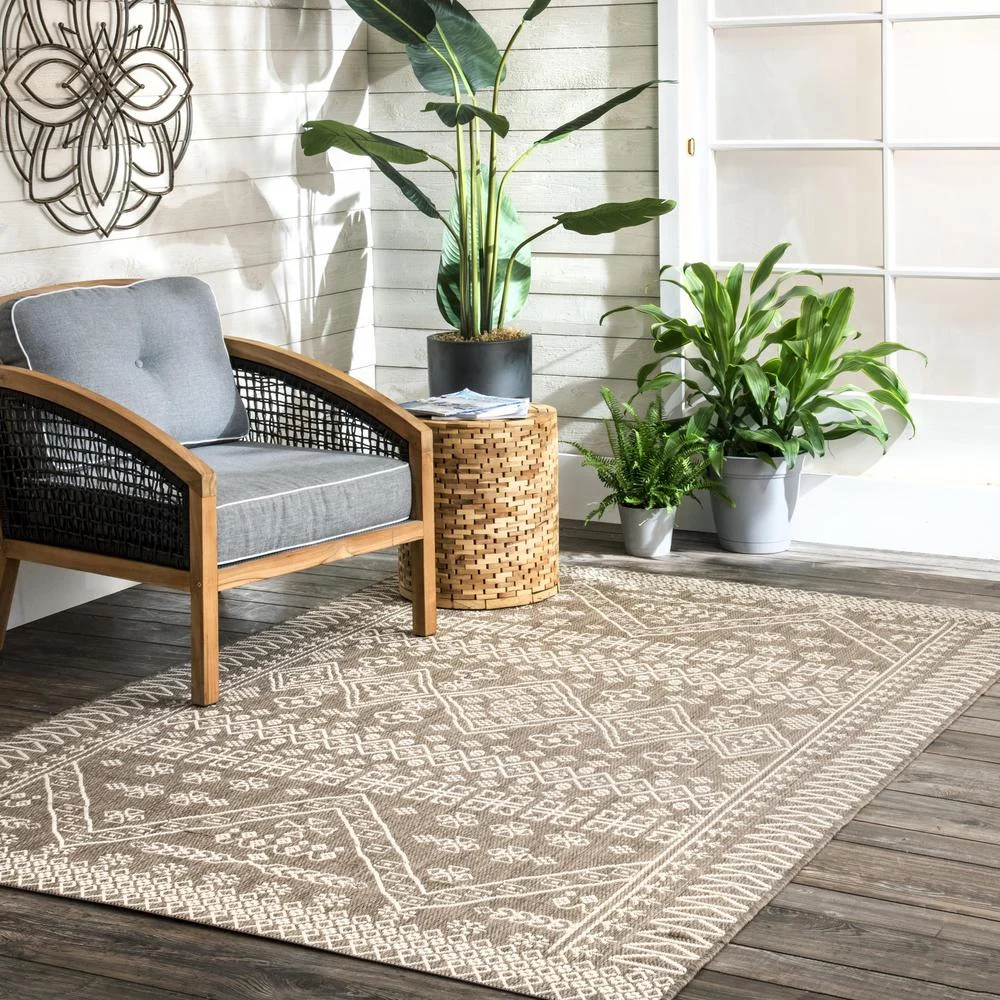
Choosing a neutral rug as the foundation of your balcony décor brings several advantages. First, neutral tones—think soft whites, warm beiges, muted greys, or gentle taupes—create a sense of spaciousness. Light colors reflect sunlight, making even a cramped balcony feel larger. Second, a neutral base serves as a flexible canvas, allowing you to switch out cushions, planters, and accessories without worrying about clashing patterns. Finally, neutral rugs tend to hide dust and minor stains better than bright colors, which is a practical benefit for an outdoor environment.
Balcony Décor with Neutral Outdoor Rugs: Color Harmony Tips
When pairing a neutral rug with other balcony elements, aim for a balanced color story. Use the rug as a middle ground between bold accent pieces and subtle background hues. For example, a light‑grey rug works beautifully with navy‑blue lounge chairs, while a sand‑colored rug can complement deep‑green foliage. Incorporating one or two accent colors—perhaps through throw pillows or a small side table—creates visual interest without overwhelming the space. Remember, the goal is to let the rug anchor the design while allowing accessories to shine.
Selecting the Right Material and Size

Not all outdoor rugs are created equal. When selecting a rug for balcony décor with neutral outdoor rugs, consider both durability and feel. Synthetic fibers such as polypropylene and recycled polyester are water‑resistant, fade‑resistant, and easy to clean—ideal for exposed balconies. Natural fibers like jute or sisal offer a rustic charm but may require more maintenance and are less suitable for wet climates.
Size matters, too. Measure your balcony floor area and leave at least 6–12 inches of exposed floor around the rug’s edges. This border frames the rug and prevents it from looking cramped. For narrow balconies, a runner‑style rug can define a pathway, while a square or rectangular rug works best on wider spaces.
Pro tip: If you’re uncertain about size, start with a rug that’s slightly smaller than your floor space and add a second, complementary rug later for layering. This approach offers flexibility and visual depth.
Layering Textures and Accessories

Neutral outdoor rugs provide an excellent platform for experimenting with textures. Mix soft, plush cushions in linen or cotton with sleek metal or rattan furniture to create contrast. Adding a woven basket or a wooden side table introduces natural elements that complement the rug’s understated hue. Greenery is essential—choose planters in earthy terracotta or matte black to echo the rug’s neutral base while adding a pop of life.
When it comes to accessories, less is more. Choose a handful of statement pieces rather than cluttering the balcony with too many items. A single oversized lantern, a stack of coffee‑table books, or a decorative tray can serve as focal points without disrupting the calming effect of the neutral rug.
Creating Zones on Small Balconies
Even the tiniest balcony can feel organized by establishing distinct zones—such as a lounge area, a dining nook, or a mini‑garden. A neutral rug helps delineate these zones subtly. For instance, place a compact rug under a bistro table to define a dining spot, and use a larger, softer rug in front of lounge chairs for a relaxing zone.
Consider the flow of movement: arrange furniture so that the rug connects the zones rather than isolates them. This creates a cohesive layout that feels intentional. For inspiration on making the most of limited outdoor space, see our guide on simple apartment entryway décor ideas for small spaces, which shares principles that translate well to balcony planning.
Seasonal Swaps and Maintenance
One of the beauties of a neutral rug is its adaptability across seasons. In summer, pair the rug with lightweight, bright‑colored cushions and breezy fabrics. When autumn arrives, swap in deeper hues—think burnt orange, mustard, or forest green—to reflect the changing landscape. Winter can be softened with plush throws in ivory or charcoal.
Maintenance is straightforward: sweep away debris regularly, hose off light dirt, and spot‑clean stains with a mild detergent. For tougher grime, a gentle scrub with a soft brush works well. Store the rug indoors during prolonged rainy periods to preserve its integrity, especially if it’s made from natural fibers.
For those tackling outdoor upgrades, a well‑installed storm door can protect your balcony from wind and rain. Learn how to do it yourself without brick molding in our step‑by‑step tutorial here.
Quick Tips for Instant Impact
- Choose a rug with a non‑slip backing to ensure safety on smooth balcony surfaces.
- Layer a thin, outdoor‑grade mat beneath the rug for extra cushioning and protection.
- Incorporate at least one textured element—like a woven basket or a metal lantern—to break up the neutral palette.
- Rotate cushions seasonally to keep the space feeling fresh without buying new rugs.
- Use outdoor‑grade, UV‑resistant fabrics for all accessories to prolong color vibrancy.
Common Mistakes to Avoid
Even experienced decorators can slip up when styling balconies. Here are common pitfalls and how to sidestep them:
- Overcrowding the floor. A crowded balcony feels cramped. Keep furniture to a scale that leaves open walking paths.
- Choosing the wrong rug material. Synthetic fibers are usually the best choice for moisture resistance; avoid cotton‑based rugs unless they have a waterproof backing.
- Ignoring the rug’s edges. Letting the rug touch walls or railings can cause premature wear. Leave a small border of exposed floor.
- Neglecting maintenance. Regular cleaning extends the rug’s life and keeps the balcony looking polished.
- Clashing colors. A neutral rug is forgiving, but pairing it with overly bright furniture can create visual chaos. Balance bold accents with muted tones.
Frequently Asked Questions
What size rug works best for a 5 × 8‑foot balcony?
For a 5 × 8‑foot balcony, a 4 × 6‑foot rug usually provides a comfortable border while covering the primary walking area. If you prefer a runner style, a 3‑foot wide rug that runs the length of the balcony can define a pathway without overwhelming the space.
Can I use indoor rugs outdoors?
Indoor rugs lack the moisture‑resistant backing required for outdoor exposure and may fade quickly. Opt for rugs specifically labeled as outdoor or patio rugs, which are engineered to handle sun, rain, and temperature fluctuations.
How do I prevent my rug from sliding?
Choose a rug with a built‑in anti‑slip backing, or place a non‑slip rug pad underneath. This not only keeps the rug in place but also adds extra cushioning for foot comfort.
Is it okay to place a rug directly on balcony railings?
Placing a rug over railings can cause the fabric to fray and may be a safety hazard. Instead, use the rug only on the floor surface and consider rail‑friendly accessories like hanging planters.
How often should I clean my outdoor rug?
Vacuum or sweep weekly to remove dust and leaves. A thorough hose‑down once a month, followed by a gentle scrub for stubborn stains, keeps the rug looking fresh. In humid climates, allow the rug to dry completely before bringing it back indoors.
Bringing It All Together
Balcony décor with neutral outdoor rugs offers a timeless, adaptable foundation that can evolve with your style and the seasons. By selecting the right material, sizing the rug appropriately, layering textures thoughtfully, and maintaining the rug with simple cleaning routines, you can create a welcoming outdoor retreat that feels both luxurious and functional. Remember, the power of neutral lies in its ability to harmonize diverse elements, making your balcony a canvas for endless creativity.
Now that you have a roadmap, it’s time to step outside, lay down that perfect neutral rug, and enjoy the transformation. Whether you’re sipping morning coffee or unwinding after a long day, your balcony will become a cherished extension of your home. For more inspiration on modern home styling, explore our other articles and keep experimenting with textures, colors, and layouts. Happy decorating!