

Table of Contents
- Understanding the Modern Neutral Apartment Styling Palette
- Why Neutrals Work for Small Spaces
- Selecting Textures and Materials for Depth
- Layering Textiles
- Natural Materials
- Furniture Choices for Small Spaces
- Multipurpose Pieces
- Adding Color Accents Without Breaking the Neutral Theme
- Strategic Pop of Hue
- Lighting Strategies that Complement Neutral Settings
- Layered Lighting
- Styling Open‑Plan Areas for Cohesion
- Define Zones with Rugs
- Consistent Materials
- Personalizing with Art, Greenery, and Unique Finds
- Choosing Artwork
- Incorporating Greenery
- Quick Tips for Modern Neutral Apartment Styling
- Common Mistakes to Avoid
- Frequently Asked Questions
- Can I use bold colors in a neutral apartment?
- How do I make a studio apartment feel larger with neutral styling?
- What flooring works best for a modern neutral look?
- Should I incorporate patterns?
- How often should I refresh my neutral décor?
- Is it okay to mix different wood tones?
Modern Neutral Apartment Styling – A Complete Guide
Living in a compact city apartment often means working with limited square footage, but that constraint can become a canvas for sophisticated design. Modern neutral apartment styling offers a timeless backdrop that makes spaces feel larger, brighter, and effortlessly elegant. By focusing on a restrained color palette, layered textures, and strategic accents, you can create a home that feels both contemporary and inviting without overwhelming the senses.
Whether you’re a first‑time renter, a seasoned homeowner, or simply someone who loves to experiment with interior design, this guide will walk you through the essential steps to achieve a balanced, neutral aesthetic. From selecting the perfect sofa to mastering lighting tricks, you’ll gain practical knowledge that you can apply room by room, ensuring every corner of your apartment reflects a cohesive, modern vibe.
In the sections that follow, we’ll explore how to choose colors, materials, and furnishings that work harmoniously, how to avoid common pitfalls, and how to add personality without breaking the neutral theme. Ready to transform your living space? Let’s dive in.
Understanding the Modern Neutral Apartment Styling Palette
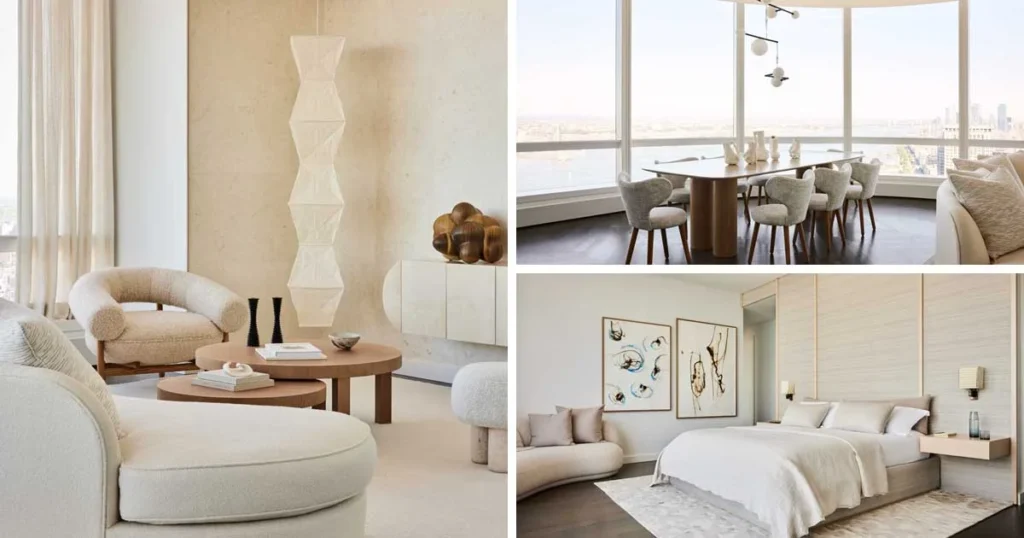
The first step in any design journey is mastering the color foundation. Modern neutral apartment styling relies on shades that range from warm beiges and soft greys to cool whites and muted taupes. These hues create a calm environment while providing a versatile base for various décor elements.
Why Neutrals Work for Small Spaces
- Light reflection: Light-colored walls bounce natural light deeper into the room, making compact spaces feel airy.
- Visual continuity: A consistent palette reduces visual clutter, allowing the eye to glide smoothly across surfaces.
- Flexibility: Neutral backdrops make it easy to switch out accessories, textiles, or artwork without a full redesign.
When selecting paint, consider low‑sheen finishes that hide minor imperfections while still delivering a soft glow. For example, a warm greige on the living‑room wall can serve as a perfect canvas for both wood and metal accents. If you prefer a cooler vibe, a dove‑grey paired with crisp white trim creates a sleek, contemporary feel.
Selecting Textures and Materials for Depth

Neutral colors can sometimes appear flat, which is why texture becomes a vital player in modern neutral apartment styling. Introducing varied materials adds tactile interest and visual depth without compromising the understated aesthetic.
Layering Textiles
Mixing fabrics such as linen, boucle, velvet, and woven wool creates a subtle yet compelling contrast. A linen sofa paired with a chunky knit throw and a velvet cushion brings dimension without adding visual noise. For an affordable upgrade, consider layered textiles in the living room to enhance comfort and style simultaneously.
Natural Materials
- Wood: Light oak flooring or a reclaimed wood coffee table adds warmth.
- Stone: Marble countertops or a slate accent wall introduce cool elegance.
- Metal: Brushed brass or matte black lighting fixtures provide a modern edge.
Combining these elements creates a balanced environment where each piece contributes to a cohesive story. The key is to keep the overall proportion in mind—if you have a lot of wood, balance it with softer fabrics and sleek metal accents.
Furniture Choices for Small Spaces

Choosing the right furniture is crucial for achieving a polished look in a limited footprint. In modern neutral apartment styling, each piece should serve multiple functions while maintaining clean lines and a light visual weight.
Multipurpose Pieces
- Convertible sofas: A sleek sofa that converts into a guest bed maximizes utility without adding bulk.
- Nesting tables: Stackable side tables can be tucked away when not needed.
- Wall‑mounted desks: Ideal for home offices, they free up floor space and maintain a streamlined profile.
Opt for furniture with legs rather than solid bases. This design choice allows light to pass beneath the pieces, creating an illusion of more space. Additionally, choosing neutral upholstery—think soft taupe, muted sage, or warm ivory—ensures the furniture blends seamlessly with the overall palette.
Adding Color Accents Without Breaking the Neutral Theme
Even the most refined neutral scheme benefits from a touch of color to prevent monotony. The trick lies in integrating accents that complement rather than dominate the palette.
Strategic Pop of Hue
Introduce muted jewel tones—such as sage green, dusty rose, or muted navy—through accessories like pillows, artwork, or a single statement chair. Because these shades are subdued, they harmonize with the neutral base while adding visual intrigue.
Another effective method is to use natural elements as color carriers. For example, a basket of fresh herbs in the kitchen or a vase of dried flowers in the hallway adds an organic splash without overwhelming the space.
Lighting Strategies that Complement Neutral Settings
Lighting does more than illuminate; it sculpts mood and accentuates textures. In modern neutral apartment styling, thoughtful lighting can highlight the subtlety of a neutral palette and make the space feel inviting.
Layered Lighting
- Ambient: Recessed downlights or a central pendant provide overall illumination.
- Task: Adjustable desk lamps or under‑cabinet lighting in the kitchen aid functionality.
- Accent: LED strip lights behind shelving or a floor lamp with a dimmer add drama.
Choosing fixtures in brushed nickel, matte black, or warm gold can add a sophisticated touch without clashing with neutral walls. For a softer glow, opt for warm‑white LED bulbs (around 2700‑3000K) to enhance the cozy atmosphere.
Styling Open‑Plan Areas for Cohesion
Open‑plan layouts are popular in modern apartments, but they can also present a challenge: how to keep the space feeling cohesive yet distinct. A neutral backdrop simplifies zoning while allowing subtle variations to define each area.
Define Zones with Rugs
Use area rugs in complementary shades to separate living, dining, and work zones. A light‑grey rug under the coffee table can anchor the living area, while a textured jute rug beneath the dining set adds earthy contrast.
Consistent Materials
Maintain a unified material language across zones—if you choose a wood coffee table, select a matching wood sideboard for the dining area. This continuity reinforces the sense of flow throughout the apartment.
Personalizing with Art, Greenery, and Unique Finds
A neutral canvas offers the perfect stage for personal expression. Adding curated artwork, plants, and a few distinctive décor pieces can turn a generic space into a home that truly reflects your personality.
Choosing Artwork
Select pieces that incorporate neutral tones or soft pastels. Large abstract prints with hints of gold or muted blues can become focal points without disrupting the color scheme.
Incorporating Greenery
Plants not only improve air quality but also introduce a gentle contrast to neutral interiors. Choose easy‑care varieties like snake plants, ZZ plants, or pothos, and display them in simple white or terracotta pots. For inspiration, check out our guide on DIY hanging plant décor ideas for every room.
Quick Tips for Modern Neutral Apartment Styling
- Keep window treatments in light, sheer fabrics to maximize natural light.
- Use mirrored surfaces or reflective accessories to amplify brightness.
- Mix matte and glossy finishes for subtle visual interest.
- Invest in a few high‑quality statement pieces rather than many cheap items.
- Rotate decorative accessories seasonally to keep the space feeling fresh.
Common Mistakes to Avoid
Even seasoned decorators can slip into habits that dilute the impact of a neutral scheme. Here are some pitfalls and how to sidestep them:
- Over‑accessorizing: Too many decorative objects can clutter the visual field. Stick to a curated selection of items that have personal meaning.
- Ignoring texture: A flat, all‑smooth surface feels sterile. Introduce tactile layers through rugs, cushions, and natural materials.
- Choosing the wrong shade of white: A stark, cool white can feel harsh, while a warm white creates a welcoming atmosphere. Test paint samples at different times of day.
- Forgetting scale: Oversized furniture can overwhelm a small apartment. Opt for proportionate pieces that leave breathing room.
Frequently Asked Questions
Can I use bold colors in a neutral apartment?
Yes, but use them sparingly. A muted navy armchair, a mustard pillow, or a deep green vase can act as a focal point while preserving the overall calmness of the space.
How do I make a studio apartment feel larger with neutral styling?
Maximize natural light, use reflective surfaces like glass coffee tables, and keep furniture low‑profile. Maintaining a consistent color palette across walls, floors, and ceilings also reduces visual breaks, making the area appear more expansive.
What flooring works best for a modern neutral look?
Light‑toned hardwood, polished concrete, or large‑format porcelain tiles in beige or soft grey are excellent choices. They provide a seamless base that complements neutral walls and allows accessories to stand out.
Should I incorporate patterns?
Subtle patterns—such as a fine herringbone rug or a linen throw with a soft chevron—add depth without overwhelming the neutral aesthetic. Avoid large, busy prints that compete with the calm backdrop.
How often should I refresh my neutral décor?
Since the core palette remains timeless, you can refresh the look every season by swapping out textiles, artwork, or small accessories. This low‑effort update keeps the space feeling current without a full redesign.
Is it okay to mix different wood tones?
Absolutely. Mixing light oak with darker walnut creates a layered, sophisticated look, as long as the tones are balanced and the overall palette stays cohesive.
Modern neutral apartment styling is more than a design trend—it’s a versatile approach that adapts to changing tastes, budgets, and lifestyles. By focusing on a harmonious color base, thoughtful texture layering, and purposeful accents, you can craft a home that feels both spacious and intimately yours. Start with the fundamentals outlined above, experiment with small changes, and watch your apartment transform into a serene, stylish retreat.
Ready for more inspiration? Explore our article on peaceful home décor ideas for additional calming design concepts, or dive into creative budget décor ideas to achieve the look without overspending. Happy styling!