
Table of Contents
- Neutral Living Room Design for Apartments: Foundations and Benefits
- Choosing the Right Color Palette
- Neutral Living Room Design for Apartments: Palette Tips
- Furniture Selection for Small Spaces
- Layering Textures and Materials
- Lighting Strategies to Enhance Neutral Spaces
- Accessorizing Without Overcrowding
- Quick Tips for Neutral Living Room Design
- Common Mistakes and How to Avoid Them
- Frequently Asked Questions
- Conclusion
Neutral Living Room Design for Apartments – A Practical Guide
Living in an apartment often means working with limited square footage, lower ceilings, and a need for flexibility. A neutral living room design for apartments offers a timeless canvas that can adapt to changing trends, personal tastes, and seasonal accents without overwhelming the space. By focusing on a restrained palette, thoughtful furniture placement, and subtle texture layering, renters and homeowners alike can achieve a sophisticated look that feels both spacious and inviting.
This guide walks you through every stage of the process—from selecting the perfect shade of gray to choosing multi‑functional pieces that maximize storage. You’ll also learn how to incorporate natural light, add personality with accessories, and avoid common pitfalls that can make a neutral scheme feel bland or cramped. By the end, you’ll have a clear roadmap for turning any modest apartment living room into a calm, modern retreat.
Neutral Living Room Design for Apartments: Foundations and Benefits
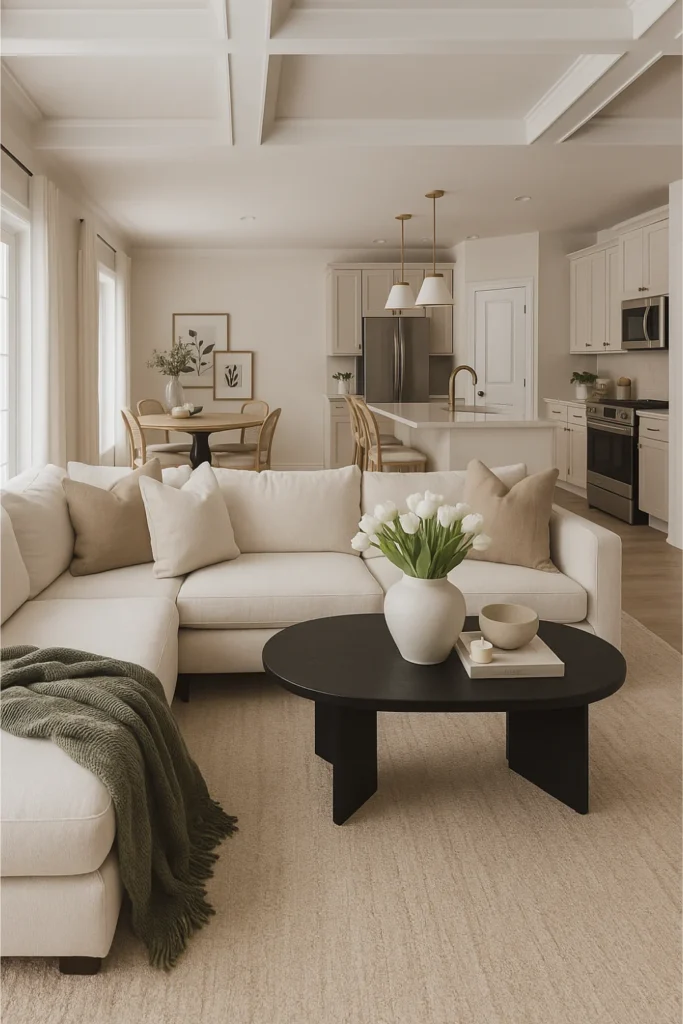
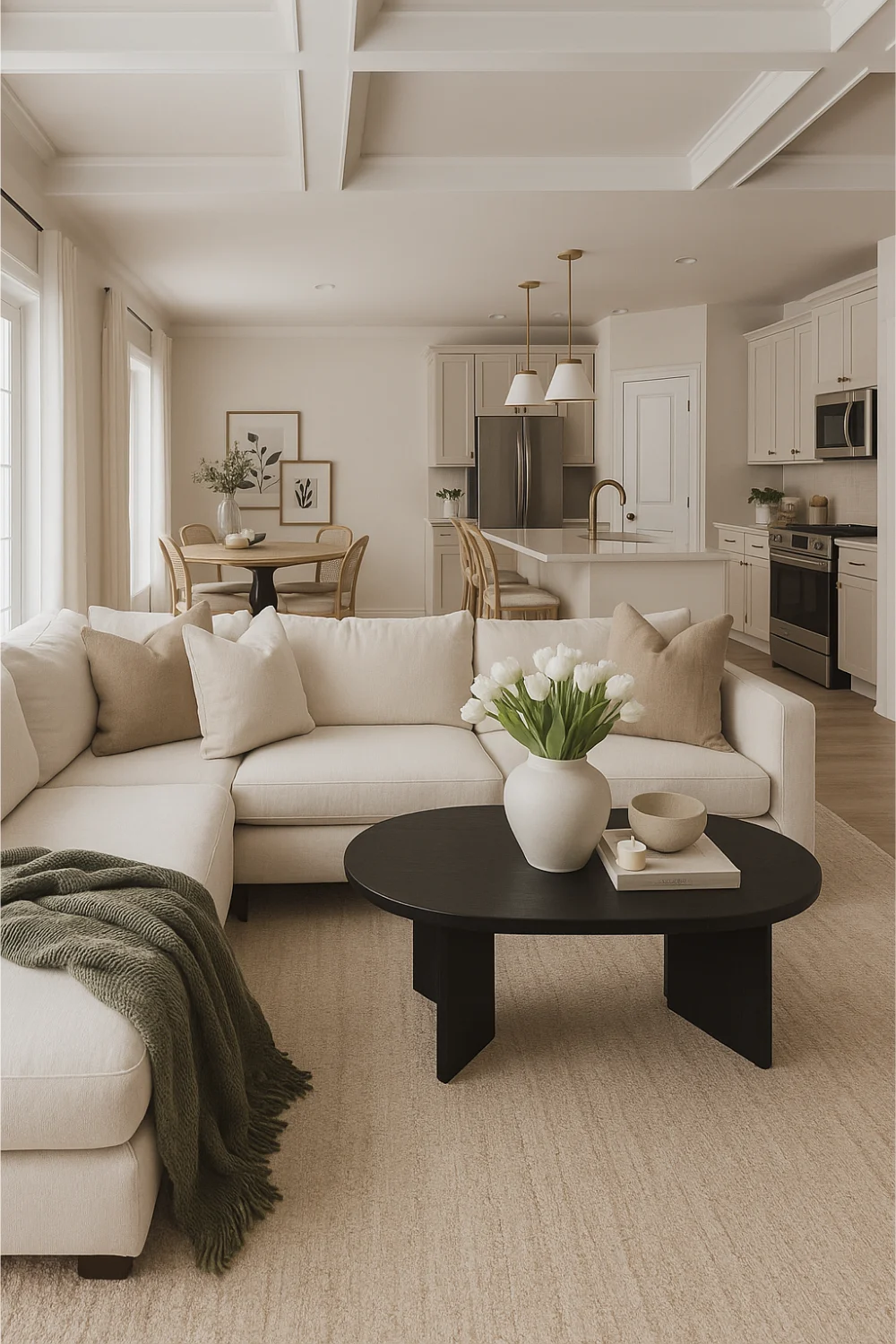
Starting with a neutral foundation provides several practical advantages. Light neutrals such as soft whites, warm beiges, and muted greys reflect natural light, making compact rooms appear larger and more airy. Moreover, a restrained color scheme offers a versatile backdrop for artwork, textiles, and seasonal décor, allowing you to switch styles without repainting.
When planning a neutral living room design for apartments, consider these core principles:
- Scale first: Measure the room and map out traffic flow before selecting furniture.
- Balance light and dark: Pair lighter walls with slightly darker furnishings to create depth.
- Embrace minimalism: Keep surfaces clear to reduce visual clutter.
- Plan for layers: Use rugs, cushions, and throws to add warmth without compromising the neutral base.
These foundations set the stage for a cohesive look that can be personalized over time. For example, a well‑chosen area rug can anchor the space while introducing subtle pattern, as highlighted in our living room book shelf styling ideas guide.
Choosing the Right Color Palette

The heart of any neutral living room design for apartments lies in the color palette. While the term “neutral” can encompass a wide range of hues, selecting shades that complement your apartment’s natural lighting is essential. Warm neutrals like sand and ivory work well in spaces with limited sunlight, whereas cooler tones such as dove gray and soft taupe enhance rooms that receive abundant daylight.
Neutral Living Room Design for Apartments: Palette Tips
Here are three proven strategies for crafting a harmonious palette:
- Start with a base color: Choose one dominant neutral for walls—think a whisper of greige that offers both warmth and modernity.
- Add secondary tones: Incorporate one or two complementary neutrals in furniture upholstery or cabinetry to create subtle contrast.
- Introduce accent hues sparingly: A muted teal or dusty rose in cushions or artwork can inject personality without breaking the serene vibe.
For a deeper dive into how finishes affect the overall feel, see our comparison of Sherwin‑Williams cashmere low luster vs. eggshell, which explains why certain paints are better suited for modern interiors.
Furniture Selection for Small Spaces

When the square footage is limited, each piece of furniture must earn its place. Opt for streamlined silhouettes, low‑profile sofas, and modular units that can be rearranged as needed. A neutral living room design for apartments benefits from furniture in light wood or soft fabric tones that blend seamlessly with the walls.
Key considerations include:
- Scale and proportion: Choose pieces that are proportionate to the room’s dimensions; a bulky sectional can dominate a 500‑square‑foot living area.
- Multi‑functionality: Look for ottomans with hidden storage, coffee tables that double as desks, or sofas with built‑in chaise sections.
- Floating arrangement: Pull furniture away from walls to create a sense of flow and prevent the room from feeling boxed in.
In apartments where storage is at a premium, a sleek media console in a neutral finish can serve both as a display platform and a hidden compartment for electronics.
Layering Textures and Materials
Even with a muted color scheme, a room can feel flat without texture. Introducing varied materials—such as a linen sofa, a woven rug, and brushed metal accents—adds depth and tactile interest. The goal is to create a balanced sensory experience while maintaining the calm aesthetic of a neutral living room design for apartments.
Effective texture layering techniques:
- Rugs: A low‑pile jute rug brings natural warmth and defines the seating area.
- Cushions and throws: Mix matte and slightly shiny fabrics (e.g., velvet vs. cotton) for subtle contrast.
- Wall décor: Consider a large, understated canvas or a series of framed botanical prints that echo the room’s palette.
For inspiration on pairing wall art with neutral tones, explore our article on cozy wall décor with warm colors, which demonstrates how to keep the overall feel soothing while adding visual focal points.
Lighting Strategies to Enhance Neutral Spaces
Lighting can dramatically influence how a neutral palette is perceived. In an apartment, where natural light may be limited, a layered lighting plan is essential. Combine ambient, task, and accent lighting to create depth and highlight key design elements.
Practical lighting solutions include:
- Ceiling fixtures: Choose a simple, matte‑finished chandelier or recessed lighting that distributes even illumination.
- Floor lamps: A sleek arc lamp placed behind a sofa adds height and softens the ceiling‑to‑floor visual.
- Table lamps: Pair with side tables to provide reading light while reinforcing the room’s neutral tones.
Using bulbs with a warm color temperature (2700K–3000K) ensures the space feels inviting rather than sterile—a common mistake when relying solely on bright white LEDs.
Accessorizing Without Overcrowding
Accessories are the finishing touches that personalize a neutral living room design for apartments. The challenge lies in selecting items that enhance, rather than clutter, the space. Stick to a “one‑in‑one‑out” rule: for every new decorative piece, remove an existing one.
Effective accessorizing ideas:
- Greenery: A medium‑sized potted plant adds a splash of color and improves air quality.
- Art pieces: Choose a single statement artwork in muted tones, or a gallery wall with matching frames for cohesion.
- Decorative trays: Use a natural‑wood tray on the coffee table to organize remotes and magazines.
Remember, the goal is to keep surfaces clean and the overall look serene. Over‑accessorizing can undermine the soothing effect of a neutral palette.
Quick Tips for Neutral Living Room Design
- Use a single shade of gray for walls and repeat it in textiles for a unified look.
- Incorporate hidden storage—think ottomans or built‑in shelves—to reduce visual clutter.
- Place mirrors opposite windows to bounce light and amplify the sense of space.
- Choose furniture with exposed legs to create an airy feel.
- Rotate accent pillows seasonally to refresh the room without repainting.
Common Mistakes and How to Avoid Them
Even seasoned decorators can stumble when working with a neutral scheme. Below are typical errors and simple fixes:
- Choosing too many shades of the same hue: This can make the room feel flat. Introduce a contrasting neutral—such as pairing warm ivory walls with cool charcoal furniture.
- Neglecting lighting: Relying only on overhead light can cause the space to look washed out. Add floor and table lamps for depth.
- Overcrowding with décor: Too many objects break the calm. Limit décor to a few purposeful pieces.
- Skipping scale considerations: Oversized furniture dwarfs a small apartment. Opt for pieces that fit the room’s dimensions.
Frequently Asked Questions
Can I use bold colors in a neutral living room design for apartments?
Yes. Introduce bold hues through accessories such as cushions, artwork, or a statement rug. The key is to keep the dominant elements—walls and large furniture—in neutral tones, allowing the pops of color to stand out without overwhelming the space.
What flooring works best with a neutral palette?
Light‑colored hardwood, polished concrete, or low‑pile neutral‑toned carpet provide a solid base that complements the overall scheme. If you prefer carpet, consider options like Dixie Home Carpet vs Shaw for durability and style.
How do I make a small living room feel larger?
Use light neutrals on walls, choose furniture with exposed legs, and incorporate mirrors. Keeping floor space open by floating furniture away from walls also creates a sense of flow and openness.
Is it okay to mix different textures in a neutral design?
Absolutely. Mixing textures—such as a plush rug, linen cushions, and a sleek metal lamp—adds depth and visual interest while preserving the calming effect of the neutral color base.
Should I match my sofa to the wall color?
While exact matching can create a seamless look, a slight contrast—like a soft gray sofa against an ivory wall—adds subtle definition and prevents the room from feeling monotone.
Conclusion
Crafting a neutral living room design for apartments is less about removing personality and more about providing a flexible, elegant backdrop that adapts to your lifestyle. By selecting the right palette, choosing proportionate furniture, layering textures, and using thoughtful lighting, you can transform a modest apartment living area into a serene, modern sanctuary. Apply these principles, experiment with accessories, and let the space evolve with your tastes. For further inspiration, explore more articles on The Homara and keep refining your home décor journey.