
Table of Contents
- Understanding Mosquito Dunks and How They Work
- Are Mosquito Dunks Safe for Bird Baths? Key Considerations
- Best Practices for Using Mosquito Dunks in Bird Baths
- Designing a Bird‑Friendly Bath That Reduces Mosquito Breeding
- Choose the Right Material
- Incorporate a Drip or Fountain
- Use Natural Landscaping
- Safety Checklist: What to Inspect Before Adding a Dunk
- Quick Tips for a Healthy, Mosquito‑Free Bird Bath
- Common Mistakes and How to Avoid Them
- Over‑Dosing the Dunk
- Neglecting Water Changes
- Mixing Chemical Treatments
- Frequently Asked Questions
- Integrating Mosquito Control with Modern Home Décor
Keeping a bird bath sparkling and inviting is a simple pleasure for many homeowners. It provides a refreshing spot for feathered visitors and adds a touch of natural elegance to any garden or patio. At the same time, standing water is a magnet for mosquitoes, which can quickly turn a tranquil oasis into a breeding ground for pests. That’s why many gardeners turn to mosquito dunks—a convenient, biological larvicide designed to curb mosquito larvae before they become adults.
But when you introduce a mosquito dunk into a bird bath, a natural question arises: are mosquito dunks safe for bird baths? The answer isn’t a simple yes or no; it depends on the product’s formulation, the concentration used, and how you manage the bath’s water quality. In this comprehensive guide, we’ll explore the science behind mosquito dunks, examine their impact on birds, and provide practical steps to enjoy a mosquito‑free bird bath without compromising the health of your avian guests.
Understanding Mosquito Dunks and How They Work
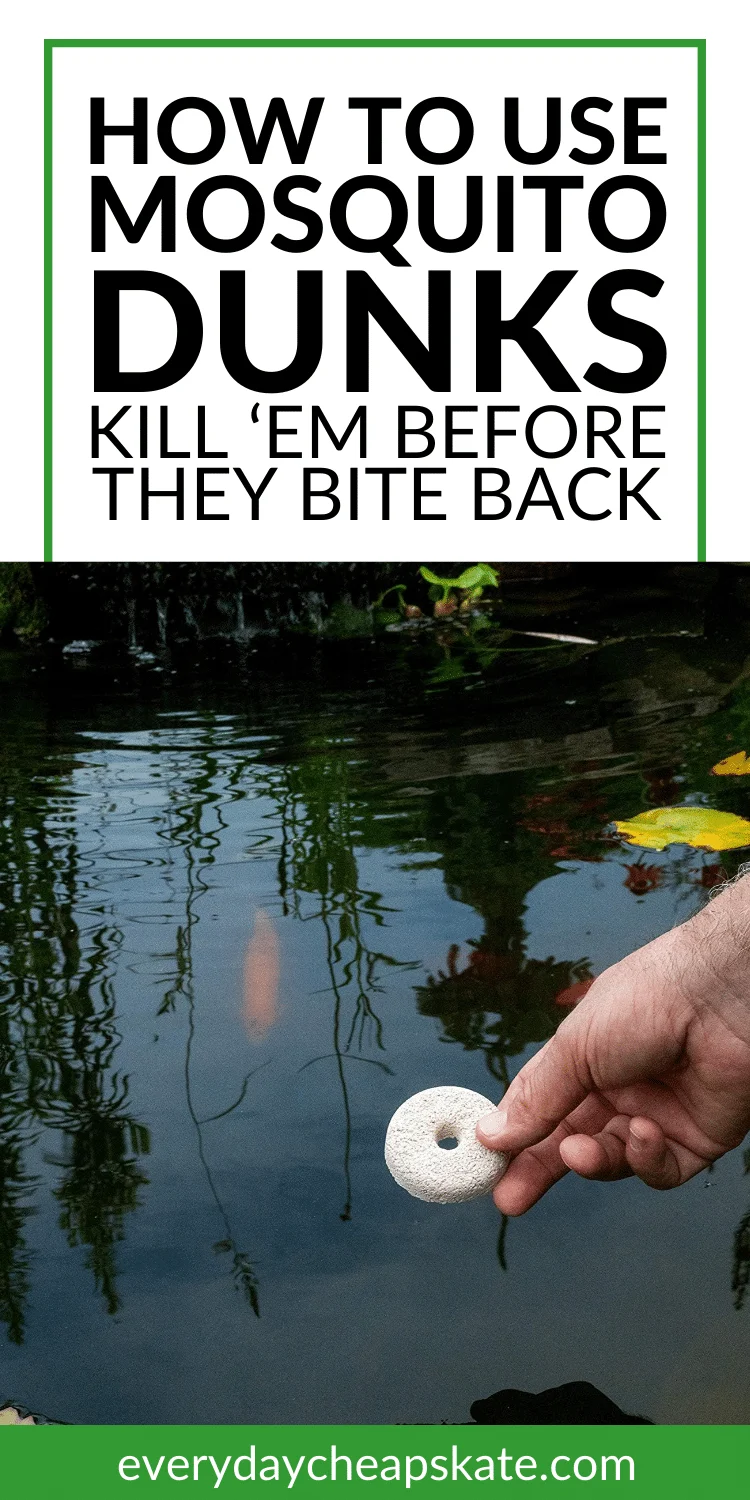
Mosquito dunks are small, doughnut‑shaped tablets that contain Bacillus thuringiensis israelensis (Bti), a naturally occurring bacterium that specifically targets mosquito and black‑fly larvae. When the dunk dissolves in water, Bti releases toxins that are ingested by larvae, disrupting their gut lining and causing death within a few days. Importantly, Bti is highly selective—it does not affect adult mosquitoes, fish, amphibians, or most non‑target insects, making it a popular choice for environmentally conscious homeowners.
The concentration of Bti in a standard dunk is calibrated to treat up to 100 square feet of standing water for approximately 30 days. For a typical bird bath holding 5–10 gallons, a single dunk is usually sufficient for a month, provided the water isn’t changed more frequently. This slow‑release mechanism ensures continuous protection while allowing the dunk to break down naturally.
Are Mosquito Dunks Safe for Bird Baths? Key Considerations
- Dosage matters: Over‑dosing can increase Bti concentration beyond what is recommended for birds, potentially causing minor digestive irritation.
- Water turnover: Frequent water changes dilute the dunk’s effectiveness and may require more frequent applications.
- Bird species sensitivity: Most common backyard birds (bluebirds, chickadees, finches) tolerate Bti well, but very young hatchlings may be more vulnerable.
Overall, when used according to label instructions, mosquito dunks are considered safe for bird baths. However, it’s essential to follow best practices to maintain a healthy environment for both birds and your garden.
Best Practices for Using Mosquito Dunks in Bird Baths
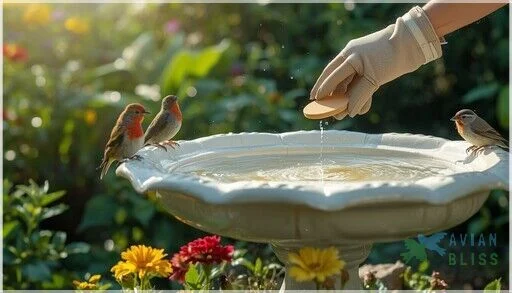
To maximize safety and effectiveness, integrate these steps into your regular bird‑bath maintenance routine:
- Read the label: Manufacturer guidelines provide exact dosage based on water volume. Never exceed the recommended amount.
- Place the dunk correctly: Drop the tablet into the center of the bath; it will slowly dissolve, releasing Bti evenly.
- Refresh water weekly: Clean the bath with a mild, bird‑safe soap, rinse thoroughly, then re‑add a fresh dunk if the previous one has dissolved completely.
- Monitor bird activity: Observe birds for any signs of distress (e.g., prolonged shaking of heads or refusal to drink). If symptoms appear, replace the dunk with fresh water and reassess.
By adhering to these simple guidelines, you can enjoy a mosquito‑free bird bath while ensuring the well‑being of your feathered visitors.
Designing a Bird‑Friendly Bath That Reduces Mosquito Breeding
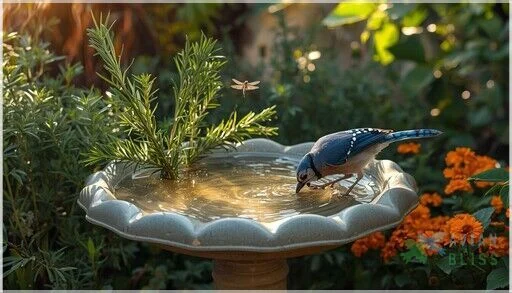
Beyond chemical solutions, thoughtful design can naturally discourage mosquito larvae. Here are several décor‑friendly strategies that complement the use of mosquito dunks:
Choose the Right Material
Concrete, glazed ceramic, and resin bird baths retain heat differently. Mosquitoes prefer warmer water, so opting for a shallow, lightly shaded bath made of reflective material can lower water temperature, making it less attractive for egg‑laying.
Incorporate a Drip or Fountain
Running water disrupts mosquito life cycles. A subtle fountain or drip system not only creates soothing sounds that enhance your garden’s ambience but also continuously moves the water, reducing the need for chemical control. Pair this with a small dunk to ensure any still pockets remain protected.
Use Natural Landscaping
Surround the bath with native plants that provide perching spots for birds while limiting dense shade that could create cool, stagnant zones. Plants such as lavender, sage, or ornamental grasses add texture and fragrance, reinforcing the modern home décor vibe you may be aiming for.
For more inspiration on integrating natural elements with contemporary design, check out our article on Simple Hallway Plant Décor Ideas to Transform Any Corridor.
Safety Checklist: What to Inspect Before Adding a Dunk
Before you drop a mosquito dunk into your bird bath, run through this quick safety checklist. It helps you confirm that conditions are optimal for both birds and the larvicide.
- Verify the bath holds no more than 10 gallons of water.
- Ensure the water is clear, not cloudy or heavily polluted.
- Check that the dunk is unexpired and stored in a cool, dry place.
- Confirm no other chemical treatments (e.g., algaecides) are present that could interact with Bti.
- Observe nearby bird species to gauge sensitivity; adjust dosage if you have particularly delicate species.
Quick Tips for a Healthy, Mosquito‑Free Bird Bath
- Replace water every 3–4 days during hot summer months to prevent algae growth.
- Use a fine mesh screen underneath the bath to catch debris without restricting bird access.
- Combine a mosquito dunk with a solar‑powered pump for continuous water movement.
- Rotate the dunk’s position each month to avoid buildup in one spot.
- Keep the surrounding area clear of leaf litter, which can harbor mosquito eggs.
Common Mistakes and How to Avoid Them
Even experienced gardeners can slip up when managing bird baths and mosquito control. Here are frequent errors and the corrective steps you can take:
Over‑Dosing the Dunk
Adding two or more dunks to a small bath may seem like extra protection, but it can raise Bti levels to a point where birds experience mild stomach upset. Stick to the label‑recommended amount.
Neglecting Water Changes
Stale water reduces the effectiveness of Bti and encourages algae, which can deter birds. Schedule a weekly cleaning routine and adjust dunk frequency accordingly.
Mixing Chemical Treatments
Combining a mosquito dunk with chemical algaecides or chlorine tablets can neutralize Bti and create harmful residues. Opt for bird‑safe, natural cleaning solutions instead.
Frequently Asked Questions
Can mosquito dunks harm adult birds?
No. Bti specifically targets mosquito larvae and is non‑toxic to adult birds. The concentration used in a standard dunk is far below any level that would affect birds’ health.
How long does a mosquito dunk remain effective in a bird bath?
Typically, a dunk provides protection for about 30 days in a 5‑gallon bath. If you change the water more often, the effectiveness may diminish, so you might need to replace the dunk sooner.
Do mosquito dunks work in cold weather?
Bti remains active at temperatures down to 50°F (10°C). In colder climates, mosquito activity drops, and the need for a dunk may be reduced during winter months.
Are there bird‑friendly alternatives to mosquito dunks?
Yes. Options include installing a small solar pump, adding a floating water agitator, or using fish that eat mosquito larvae (e.g., guppies) in larger ponds. However, for small bird baths, dunks remain the most practical solution.
Can I use a mosquito dunk in a decorative fountain?
You can, provided the fountain’s water volume matches the product’s dosage guidelines. For larger fountains, you may need multiple dunks or a granular Bti formulation.
Integrating Mosquito Control with Modern Home Décor
Balancing functionality and aesthetics is a core principle of modern home décor. A well‑styled bird bath can serve as a focal point while subtly integrating mosquito control. Choose a sleek, matte‑finish concrete basin or a glazed ceramic bowl with clean lines—both complement contemporary exteriors and interiors. Pair the bath with minimalist planters, a low‑profile LED lantern, and perhaps a subtle water feature that doubles as a design element and a mosquito deterrent.
For readers interested in color palettes that enhance outdoor spaces, explore our comparison of colonnade gray vs agreeable gray – Which Shade Fits Your Home?. The right hue can tie the bird bath seamlessly into the surrounding architecture, creating a cohesive look that feels intentional and inviting.
When you combine thoughtful design with responsible mosquito management, you not only protect your backyard birds but also elevate the overall visual appeal of your outdoor living area—a win‑win for both wildlife and home‑styling enthusiasts.
Enjoy the gentle splash of water, the flutter of wings, and the peace of mind that comes from knowing your garden is both beautiful and responsibly maintained.