
Table of Contents
- How to Start Decorating Your Home: Define Your Vision and Budget
- How to Start Decorating Your Home: Conduct a Space Audit
- Create a Cohesive Color Palette
- How to Start Decorating Your Home: Using Paint Samples Wisely
- Select Furniture That Fits Function and Form
- Layer Textiles and Accessories for Personality
- Lighting: The Unsung Hero of Design
- Quick Home Décor Tips
- Common Decorating Mistakes and How to Avoid Them
- Frequently Asked Questions
- What is the best order to follow when learning how to start decorating your home?
- How much should I spend on décor versus furniture?
- Can I decorate a rental without making permanent changes?
- How do I make a small room feel larger?
- Is it necessary to hire an interior designer?
- Putting It All Together: Your First Decorating Project
How to Start Decorating Your Home: A Step‑by‑Step Guide
Embarking on a home‑decor journey can feel both exciting and overwhelming. Whether you’ve just moved into a new space, inherited a house that needs a fresh look, or simply want to revive the vibe of a room you’ve lived in for years, knowing how to start decorating your home is the first crucial step toward a cohesive and inviting environment.
In today’s market, style trends shift quickly, but timeless principles remain steady. Understanding the balance between personal taste, functional needs, and design fundamentals will help you avoid costly mistakes and ensure the results feel authentic to you. This guide walks you through the entire process—from establishing a vision to selecting finishes—so you can confidently transform any space.
By the end of this article, you’ll have a clear roadmap, practical checklists, and insider tips that make the whole undertaking feel manageable, no matter your budget or experience level.
How to Start Decorating Your Home: Define Your Vision and Budget
The very first question when you ask yourself how to start decorating your home is: what do you want the space to feel like? Do you crave a tranquil sanctuary, a vibrant social hub, or a sleek modern office? Pinpointing the emotional tone guides every subsequent decision.
Begin with a mood board—either a physical collage of magazine cutouts or a digital board on Pinterest. Collect colors, textures, furniture silhouettes, and artwork that resonate with you. As you curate, you’ll start seeing patterns that reveal your style language, whether it’s mid‑century modern, coastal chic, or industrial minimalism.
Next, set a realistic budget. Break it down by room, and allocate percentages for major items (sofa, bed, kitchen cabinets) versus accessories (pillows, rugs, wall art). A common rule of thumb is 40 % for furniture, 30 % for flooring and large fixtures, and 30 % for décor and soft goods. This framework helps you keep spending in check while still achieving a polished look.
How to Start Decorating Your Home: Conduct a Space Audit
- Measure everything. Note wall lengths, ceiling heights, window dimensions, and door clearances. Accurate measurements prevent ordering furniture that won’t fit.
- Assess natural light. Observe how sunlight moves through each room at different times of day. Light‑filled spaces can handle darker hues; dimmer rooms often benefit from reflective finishes.
- Identify focal points. Existing architectural features—fireplaces, built‑in bookshelves, large windows—can anchor your design plan.
- List what stays. Keep cherished pieces that have sentimental value or strong visual appeal. Integrating them reduces waste and adds personality.
With a clear vision, a solid budget, and a thorough audit, you’ve laid the groundwork for answering the bigger question of how to start decorating your home with confidence.
Create a Cohesive Color Palette
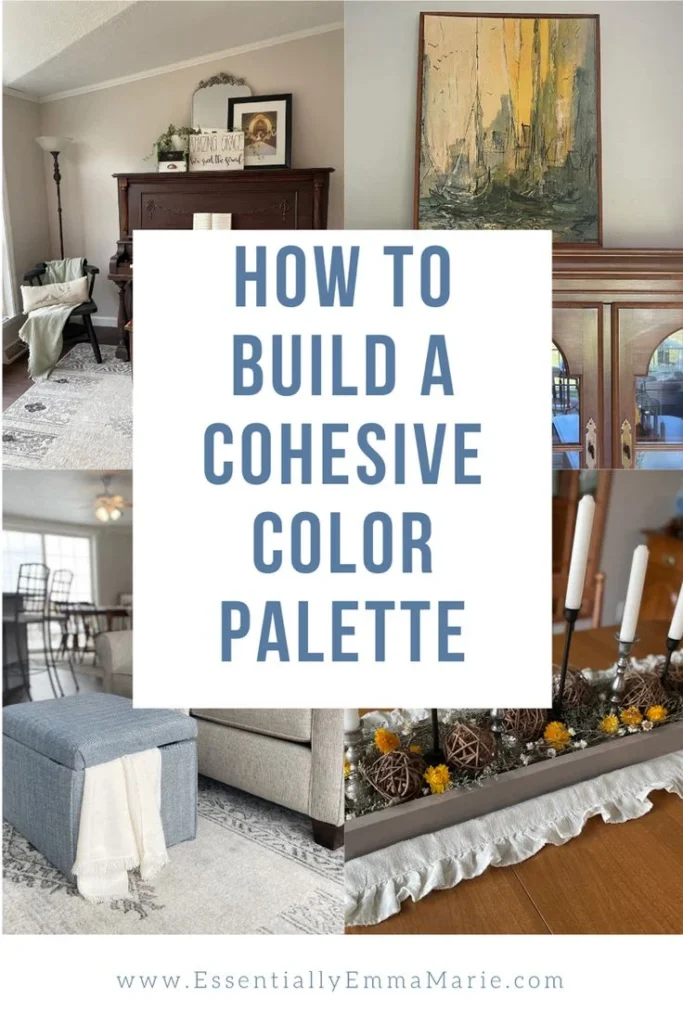
Color is the silent language of interior design. A well‑chosen palette unifies disparate elements and influences mood. When you consider how to start decorating your home, begin by selecting a base color—usually a neutral like warm greige, soft taupe, or muted slate. This neutral will appear on walls, large rugs, and major furniture pieces, providing a flexible backdrop.
From there, add two to three accent colors. These can be drawn from your mood board or inspired by artwork, textiles, or even a favorite piece of décor you already own. For instance, a deep teal pillow can complement a neutral sofa while echoing the oceanic tones in a decorative vase.
To see the palette in action, try painting a large poster board with your chosen shades and placing it against the wall at eye level. Observe it in natural and artificial light throughout the day. This simple test saves you from costly repainting later on.
How to Start Decorating Your Home: Using Paint Samples Wisely
When you’re still uncertain about the perfect hue, purchase small sample pots (often called “paint chips”) and apply them to a 12‑inch square on the wall. Live with the patches for a few days, noting how they look with different lighting and décor. This method mirrors the detailed comparison found in guides like Benjamin Moore Gray Wisp vs Quiet Moments – Choosing the Perfect Hue for Your Space, where side‑by‑side swatches reveal subtle differences that can make or break a room’s aesthetic.
Select Furniture That Fits Function and Form
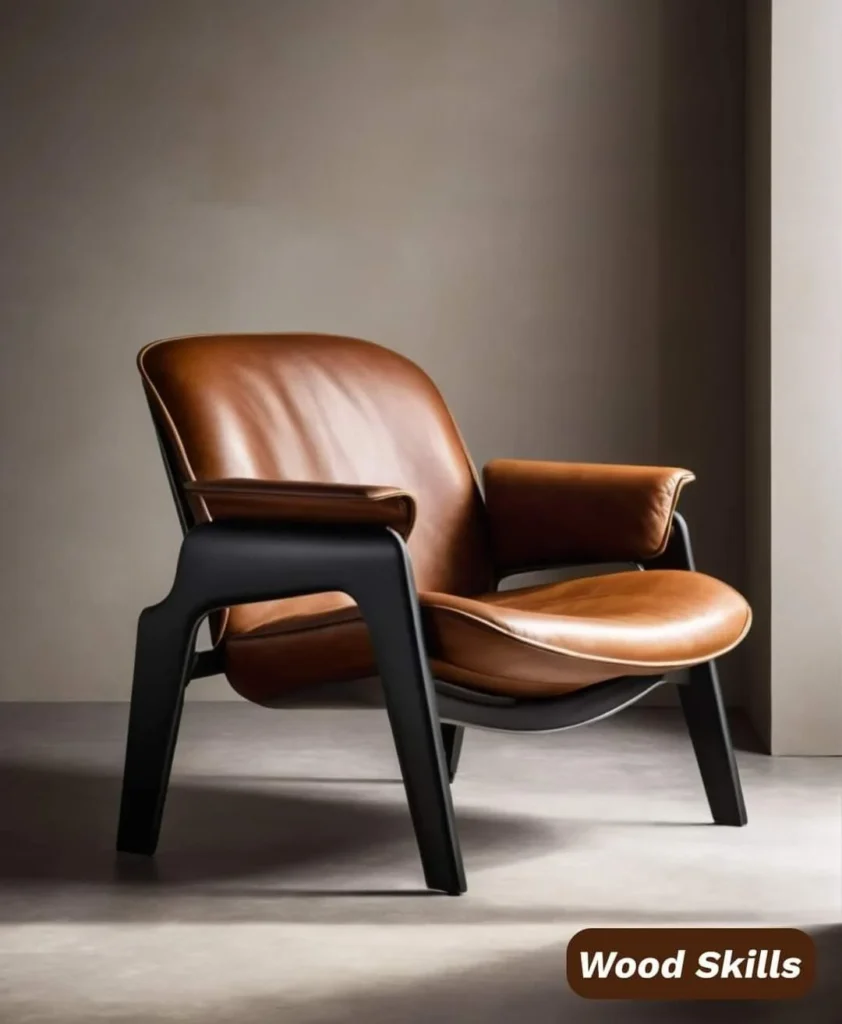
Furniture is the structural skeleton of any room. Deciding how to start decorating your home without first addressing furniture is like building a house without a foundation. Prioritize pieces that serve multiple purposes, especially in smaller apartments. A storage ottoman, for example, provides seating, hides clutter, and can serve as a coffee table.
When shopping, keep the following checklist in mind:
- Scale. The size of each piece should complement the room’s dimensions. A massive sectional can overwhelm a modest living room, while a petite loveseat may look lost in a spacious hall.
- Proportion. Balance tall, slender items (like floor lamps) with lower, broader pieces (like sofas) to achieve visual harmony.
- Material. Choose fabrics and finishes that align with your lifestyle. High‑traffic homes benefit from durable, stain‑resistant upholstery, while a guest bedroom can afford luxurious velvet.
- Style consistency. While mixing styles can add intrigue, maintain a unifying element—such as a common metal finish or color family—to avoid visual chaos.
For those looking for inspiration on arranging key pieces, our article on How to Stack Wall Cabinets to Create the Perfect Pantry offers practical layout strategies that can be adapted to any storage scenario.
Layer Textiles and Accessories for Personality
Once the big pieces are in place, the next phase of how to start decorating your home involves layering textiles and accessories. This stage injects warmth, texture, and personality.
Start with window treatments. Curtains not only frame views but also soften hard edges. Choose fabrics that echo your color palette—perhaps a linen drape in a muted sage to complement a neutral wall.
Next, add rugs. A well‑placed rug can define a seating area, add comfort underfoot, and introduce pattern. In open‑plan spaces, a large area rug anchors the living and dining zones, creating distinct yet connected areas.
Finally, accessorize with art, plants, and decorative objects. A collection of framed photos can turn a hallway into a gallery. For a curated look, limit the number of items on a surface and use varying heights to create visual interest. The article Hallway décor with framed photos: Transform Your Entryway in Style showcases how strategic framing can transform transitional spaces.
Lighting: The Unsung Hero of Design
Lighting dictates how a room is perceived at any hour. When you ask yourself how to start decorating your home, think beyond overhead fixtures. Layered lighting—ambient, task, and accent—creates depth and functionality.
Ambient lighting provides overall illumination. Ceiling-mounted LED fixtures or recessed lights are efficient choices. For task lighting, consider floor lamps beside a reading chair or under‑cabinet strips in the kitchen. Accent lighting highlights artwork or architectural features; picture lights or track lighting are perfect for this purpose.
Don’t forget natural light. Use sheer curtains to diffuse harsh sunlight while preserving privacy. Mirrors placed opposite windows reflect light, making the space feel larger and brighter—a trick often recommended in modern interior design.
Quick Home Décor Tips
- Start with a single statement piece—like a bold sofa or a striking piece of art—to set the tone for the room.
- Mix textures (smooth metal, soft velvet, rough wood) to add depth without clutter.
- Use the 60‑30‑10 rule: 60 % dominant color, 30 % secondary, 10 % accent.
- Incorporate greenery; a few low‑maintenance plants improve air quality and visual appeal.
- Keep cords and cables hidden with cable management solutions to maintain a clean look.
Common Decorating Mistakes and How to Avoid Them
Even seasoned designers stumble over a few pitfalls. Recognizing these early can smooth your journey of how to start decorating your home.
Over‑filling the space. Less is often more. Resist the urge to fill every surface; negative space lets each item breathe.
Ignoring scale. A massive chandelier in a modest bedroom overwhelms the space. Always match the size of fixtures to the room’s dimensions.
Neglecting flow. Ensure pathways are clear and furniture arrangement encourages easy movement. This is especially vital in open‑plan homes.
Choosing trends over timelessness. While it’s tempting to adopt the latest fad, anchoring your design in classic elements (neutral palettes, quality materials) ensures longevity.
By staying mindful of these errors, your decorating process becomes smoother, more intentional, and ultimately more rewarding.
Frequently Asked Questions
What is the best order to follow when learning how to start decorating your home?
Begin with a clear vision and budget, then conduct a space audit. Next, develop a color palette, select furniture, layer textiles and accessories, and finish with lighting. This logical sequence ensures each decision builds on the previous one.
How much should I spend on décor versus furniture?
A common guideline is to allocate about 40 % of your budget to furniture, 30 % to flooring and large fixtures, and the remaining 30 % to décor, textiles, and accessories. Adjust percentages based on your personal priorities.
Can I decorate a rental without making permanent changes?
Absolutely. Use removable wallpaper, command strips for artwork, and area rugs to protect flooring. These solutions let you personalize a space while preserving the original condition for future tenants.
How do I make a small room feel larger?
Light colors on walls and ceilings reflect more light. Incorporate multifunctional furniture, such as a sofa bed or a storage coffee table. Keep clutter to a minimum and use mirrors to create an illusion of expanded space.
Is it necessary to hire an interior designer?
While professional designers bring expertise, many homeowners successfully decorate by following structured guides, leveraging online mood boards, and seeking inspiration from reputable sources. If the project feels overwhelming, a short consultation can provide direction without a full‑service commitment.
Putting It All Together: Your First Decorating Project
Now that you understand how to start decorating your home step by step, choose a single room to pilot your new approach. A living room often serves as a showcase, but a bedroom can be an equally rewarding first canvas.
Begin by applying your mood board and color palette. Paint the walls, then arrange the largest furniture pieces according to the scale and proportion guidelines. Layer in textiles—curtains, rugs, throw pillows—followed by lighting fixtures and accessories. As you progress, refer back to your budget spreadsheet to stay on track.
Throughout the process, keep a journal or digital folder with photos of each stage. This documentation not only highlights your progress but also helps you refine future projects. Celebrate each milestone, from the first coat of paint to the final decorative vase.
Remember, decorating is an evolving journey. As your tastes change, you can swap out accessories, introduce new colors, or even rearrange furniture without starting from scratch. The key is to stay curious, experiment thoughtfully, and enjoy the transformation.
Ready to dive deeper? For additional inspiration, explore our guide on Relaxed Living Room Decorating Ideas for Calm, Modern Spaces, or learn how to make a stunning first impression with How to Decorate the Entrance of Your Home – Expert Tips & Ideas. These resources provide fresh perspectives that complement the foundational steps outlined above.
Embarking on the adventure of how to start decorating your home equips you with the confidence to turn any space into a reflection of your personality and lifestyle. With a clear vision, thoughtful planning, and strategic execution, you’ll create environments that are not only beautiful but also functional and deeply personal.