
Table of Contents
- how long should drywall mud dry before priming: Understanding the Basics
- how long should drywall mud dry before priming in humid climates?
- Testing Dryness: Practical Methods to Confirm Readiness
- Choosing the Right Primer for Drywall
- Quick Tips for a Flawless Finish
- Common Mistakes and How to Avoid Them
- FAQ
- Can I speed up the drying process?
- Is it safe to paint over drywall mud that feels dry but is still cool to the touch?
- Do I need to prime every coat of joint compound?
- How does the type of mud affect drying time?
- What if I accidentally primed too early?
- Is a moisture meter worth buying for a DIY project?
When you take on a wall‑finishing project, one of the most common questions that pops up is how long should drywall mud dry before priming. The answer isn’t a simple “24‑hours” or “48‑hours” rule; it varies with climate, type of mud, thickness of the coat, and even the ventilation in the room. Getting the timing right is crucial because priming too early can trap moisture, leading to bubbles, uneven paint absorption, or even mold growth down the line.
Understanding the drying timeline helps you plan your workflow, avoid costly rework, and ultimately achieve a smooth, professional finish that showcases your interior design vision. In the following sections, we’ll break down the science of mud drying, share practical tips for testing readiness, and walk you through the priming process so you can move from raw drywall to polished walls with confidence.
Whether you’re a DIY enthusiast tackling a bedroom makeover, a contractor managing a multi‑room remodel, or simply curious about the best practices for a home‑decor project, this guide will equip you with the knowledge to answer the question how long should drywall mud dry before priming in any situation.
how long should drywall mud dry before priming: Understanding the Basics
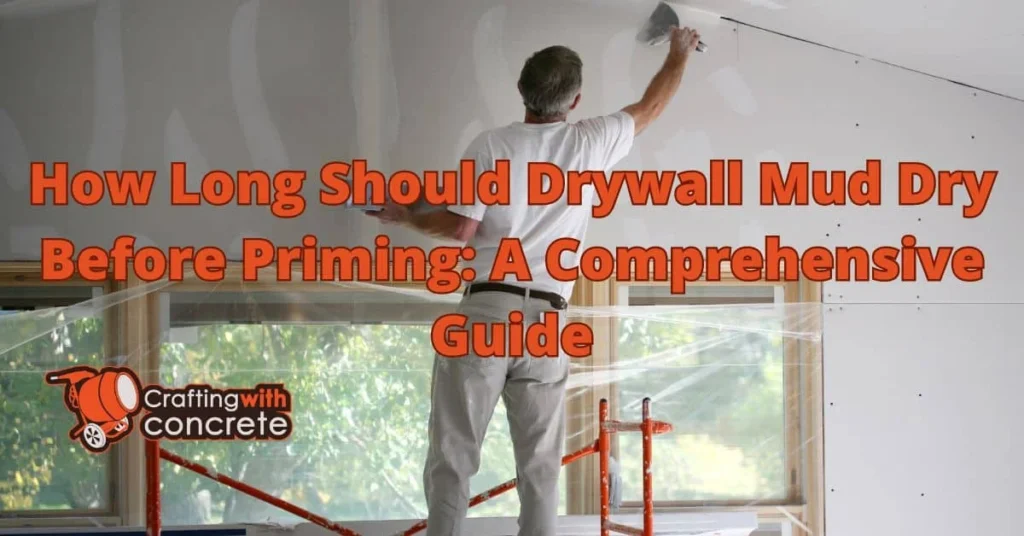
Drywall mud, also called joint compound, is a gypsum‑based material that hardens as water evaporates. The drying process consists of two phases: the initial set (where the mud becomes tacky) and the final cure (where it reaches full hardness). Most manufacturers state a typical drying time of 24 hours for a 1/8‑inch coat under standard conditions, but this is only a baseline.
Factors that influence the answer to how long should drywall mud dry before priming include:
- Temperature: Warmer rooms (70–75°F / 21–24°C) accelerate evaporation.
- Humidity: High humidity slows drying; low humidity speeds it up.
- Ventilation: Airflow removes moisture-laden air, reducing drying time.
- Compound type: Ready‑mix, all‑purpose, and setting-type (powder) compounds behave differently.
- Layer thickness: Thicker applications retain moisture longer.
Because these variables interact, the practical answer to how long should drywall mud dry before priming is “as long as it takes to become completely dry to the touch and firm enough that a light press leaves no indentation.” In most moderate climates, that translates to 24–48 hours for a single coat, but you’ll learn precise testing methods in the next sections.
how long should drywall mud dry before priming in humid climates?
In regions where humidity regularly exceeds 60 %, the drying window can extend to 72 hours or more. To compensate, you can use a dehumidifier, open windows, or employ fans to improve air circulation. Some professionals also add a small amount of drywall “quick‑set” powder to the mix, which reduces the overall setting time without compromising the final hardness. Remember, even if the surface feels dry, the core may still hold moisture, so a tactile test is essential.
Testing Dryness: Practical Methods to Confirm Readiness

Before you prime, it’s worth spending a few minutes performing a simple moisture test. Here are three reliable methods:
- Touch Test: Lightly press your fingertip against the mud. If it feels cool or leaves a faint imprint, the mud is still curing.
- Plastic Sheet Test: Tape a 6‑inch square of clear plastic sheeting over the mud for 30 minutes. If condensation forms underneath, the mud is not fully dry.
- Moisture Meter: A digital moisture meter calibrated for gypsum can give you a precise reading; aim for less than 5 % moisture content before priming.
These checks are especially valuable when answering the question of how long should drywall mud dry before priming in unconventional situations, such as multi‑coat applications or when working in a finished basement where temperature control is limited.
Choosing the Right Primer for Drywall
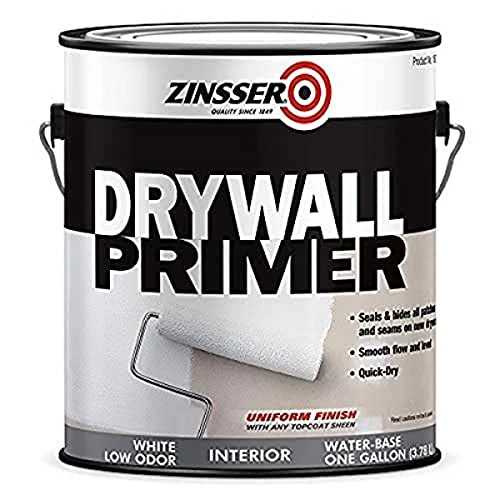
Once you’ve confirmed that the mud is fully dry, selecting a compatible primer is the next step. A high‑quality drywall primer serves two purposes: it seals the porous joint compound and creates a uniform surface for paint adhesion. Look for primers labeled “stain‑blocking” or “sealer‑plus‑primer” if you plan to apply bright colors or heavy‑weight paints later on.
Application tips:
- Use a ¼‑inch roller nap for even coverage.
- Apply a thin, even coat; excess primer can cause bubbling over the mud.
- Allow the primer to dry according to the manufacturer’s instructions—usually 1–2 hours under normal conditions.
When you prime correctly, the final paint layer will require fewer coats, saving both time and money. For a cohesive look across your home, consider coordinating the primer’s sheen with the finish paint you’ll use in the living room, bedroom, or kitchen.
Quick Tips for a Flawless Finish
- Maintain a temperature of at least 65°F (18°C) in the work area; colder environments dramatically extend drying time.
- Apply joint compound in thin, even layers—multiple thin coats dry faster than a single thick one.
- Use a fan or low‑speed air mover to circulate air without creating dust.
- Inspect each coat for imperfections before moving on; sanding early can damage still‑wet mud.
- For small spaces, consider a quick‑set compound; it can be sanded after 20‑30 minutes, reducing overall project time.
These tips help you answer the central question—how long should drywall mud dry before priming—by giving you control over the variables that affect drying speed.
Common Mistakes and How to Avoid Them
Even seasoned DIYers can stumble on a few pitfalls when dealing with drywall mud and primer. Recognizing these errors early saves you from rework:
- Priming Too Soon: The most common mistake is assuming the mud is dry after the recommended 24 hours without testing. This leads to bubbling paint and a patchy finish.
- Skipping the Moisture Test: Relying solely on the clock ignores environmental factors that can prolong drying.
- Using the Wrong Primer Type: An oil‑based primer on a water‑based mud can cause adhesion problems.
- Over‑Sanding: Sanding the mud while it’s still soft creates dust that interferes with primer bonding.
- Poor Ventilation: Closing windows and turning off fans after applying mud traps humidity, extending drying time.
By keeping these points in mind, you’ll make the answer to how long should drywall mud dry before priming a straightforward, data‑driven decision rather than a guess.
FAQ
Can I speed up the drying process?
Yes. Increase room temperature, lower humidity with a dehumidifier, and improve airflow with fans. Adding a small amount of quick‑set powder to the joint compound can also reduce set time without sacrificing strength.
Is it safe to paint over drywall mud that feels dry but is still cool to the touch?
No. A cool surface indicates residual moisture. Wait until the mud reaches room temperature and passes the touch or plastic sheet test before priming.
Do I need to prime every coat of joint compound?
Only the final, fully dried coat requires priming. Earlier coats are sanded and blended, but the primer is essential for sealing the last layer before paint.
How does the type of mud affect drying time?
All‑purpose (ready‑mix) mud generally dries slower than setting‑type (powder) mud, which chemically hardens and can be ready for sanding in 20‑30 minutes. However, setting mud often requires more careful mixing.
What if I accidentally primed too early?
If you notice bubbling or tackiness, allow the wall to dry completely, then sand lightly to remove compromised primer. Re‑apply a fresh primer coat once the surface is fully cured.
Is a moisture meter worth buying for a DIY project?
For occasional home projects, a simple touch test and plastic sheet method are sufficient. Professionals who work on large renovations often find a moisture meter helpful for consistency.
Now that you know how long should drywall mud dry before priming, you can schedule your renovation steps with confidence. Remember to test for dryness, choose the right primer, and maintain proper environmental conditions throughout the process. By following these guidelines, the walls in your bedroom, living room, or kitchen will provide a smooth canvas for any paint color or decorative finish you envision.
For more design inspiration, explore our guide on small balcony table styling ideas, or compare kitchen layouts in our gourmet kitchen vs regular kitchen comparison. If you love DIY projects, don’t miss the DIY wooden shelf décor ideas article for additional tips on personalizing your space.
[ CATEGORY ]: Home Decor Ideas