
Table of Contents
- Why Choose Wooden Plant Shelves for Balcony Décor
- Balcony décor with wooden plant shelves: Material Selection Tips
- Design Strategies for Different Balcony Sizes
- Compact Balconies (under 4 sq m)
- Medium Balconies (4‑8 sq m)
- Large Balconies (over 8 sq m)
- Styling Tips to Elevate Your Wooden Plant Shelves
- Color Coordination and Finishes
- Mixing Plant Types for Visual Interest
- Incorporating Decorative Accents
- Lighting Solutions
- Maintenance and Longevity of Wooden Plant Shelves
- Seasonal Checks
- Weight Management
- Pest Prevention
- Quick Tips for Immediate Impact
- Common Mistakes to Avoid
- Frequently Asked Questions
- Can I install wooden plant shelves on a rented balcony?
- What is the best way to protect wooden shelves from rain?
- How often should I water plants on balcony shelves?
- Is it safe to use electric grow lights on a wooden shelf?
- Can I combine wooden shelves with metal or glass elements?
Balcony Décor with Wooden Plant Shelves: A Complete Guide
Balconies are often the most overlooked real estate in a home, yet they hold immense potential to become a personal oasis. When space is limited, the challenge is to blend aesthetics with functionality without overcrowding the area. This is where balcony décor with wooden plant shelves steps in as a game‑changing solution. Wood brings warmth, natural texture, and a sense of grounded elegance that complements any plant collection, whether you favor succulents, herbs, or flowering vines.
In this comprehensive guide we’ll explore why wooden plant shelves are ideal for balcony styling, how to choose the right materials, layout strategies for different balcony sizes, and maintenance tips that keep everything looking fresh. By the end of the article, you’ll have a clear roadmap to turn a modest balcony into a vibrant, inviting retreat that reflects your personal taste and supports a healthier indoor‑outdoor connection.
Whether you rent an apartment, own a townhouse, or tend a high‑rise condo, the principles shared here apply. We’ll also link to related resources such as wall shelf décor ideas and minimalist small apartment décor to inspire you beyond the balcony.
Why Choose Wooden Plant Shelves for Balcony Décor
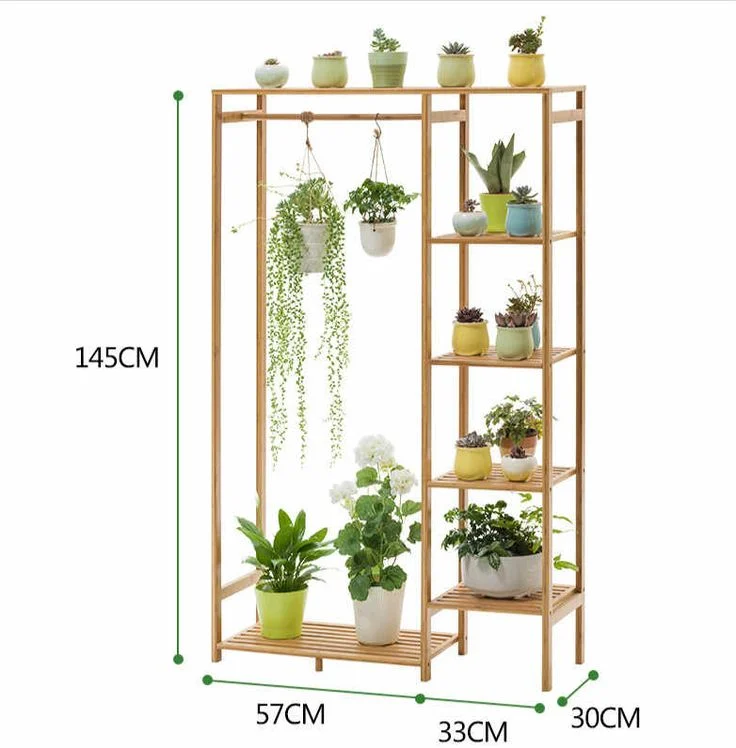
Wooden plant shelves are more than just storage; they act as design statements that harmonize with the organic elements of nature. Here are the core reasons they excel in balcony settings:
- Natural Warmth: Wood’s grain and hue add a tactile warmth that metal or plastic cannot replicate, making the balcony feel like an extension of the indoor living space.
- Versatility: From reclaimed pallet boards to sleek teak slats, wood can be tailored to rustic, modern, or minimalist aesthetics.
- Lightweight Yet Sturdy: Properly treated wood offers a good strength‑to‑weight ratio, essential for balconies with load restrictions.
- Eco‑Friendly Options: Sustainable sourcing and upcycled wood reduce environmental impact while delivering character.
These attributes make balcony décor with wooden plant shelves a smart investment for both visual appeal and practicality.
Balcony décor with wooden plant shelves: Material Selection Tips
Selecting the right wood is pivotal. Below are the most common choices and what they bring to your balcony:
- Teak: Naturally oil‑rich, resistant to moisture and UV exposure—ideal for sunny, coastal balconies.
- Cedar: Aromatic and rot‑resistant, perfect for humid climates and those who love a subtle scent.
- Pallet Wood: Budget‑friendly and eco‑conscious, but requires sanding and sealing for durability.
- Reclaimed Barn Wood: Offers patina and history, adding a narrative layer to your décor.
Regardless of the type, always apply a weather‑proof sealant or exterior-grade paint to extend the life of your wooden plant shelves. This step also prevents splinters and maintains the visual integrity of your balcony décor with wooden plant shelves.
Design Strategies for Different Balcony Sizes
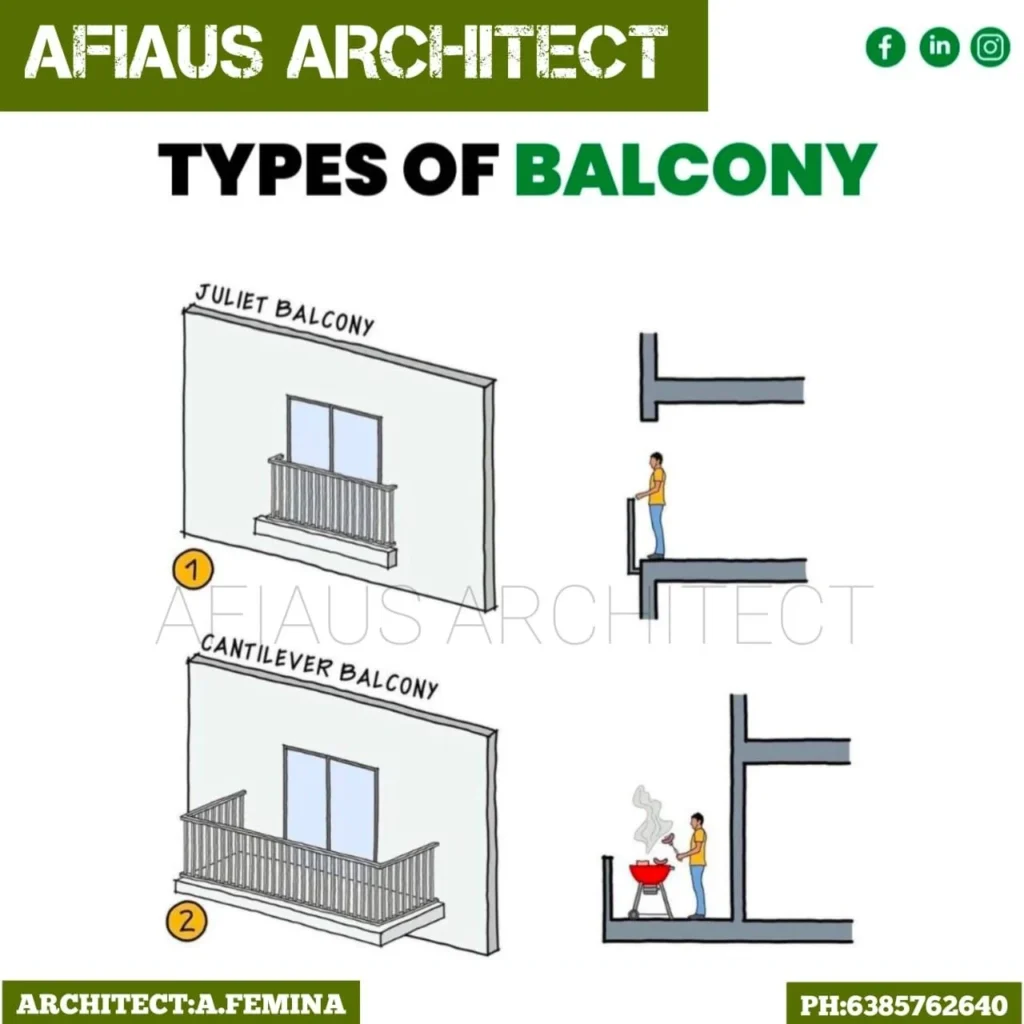
The layout of wooden plant shelves should respond to the dimensions of the balcony. Below we break down three common size categories and propose tailored configurations.
Compact Balconies (under 4 sq m)
In tight spaces, verticality is your ally. A narrow, tall shelf unit that hugs a railing maximizes planting area without sacrificing floor space. Pair the unit with hanging planters to create layers of greenery.
Key ideas:
- Install a 60‑cm deep wall‑mounted wooden shelf that runs the length of the railing.
- Use lightweight pots (fiberglass or resin) to keep the load under balcony weight limits.
- Integrate a fold‑down tabletop on the top shelf for a mini‑coffee spot.
Medium Balconies (4‑8 sq m)
Medium‑sized balconies allow for a blend of horizontal and vertical shelving. Consider a modular system that can be rearranged as your plant collection evolves.
Design tips:
- Place a free‑standing wooden ladder shelf in a corner, creating a “green wall” effect.
- Combine a low, wide shelf for herb pots with a higher tier for decorative succulents.
- Add a built‑in bench with storage underneath, using the same wood finish for cohesion.
Large Balconies (over 8 sq m)
When space isn’t a constraint, you can treat the balcony like an outdoor living room. Wooden plant shelves become focal points that divide zones—dining, lounging, and gardening.
Suggestions:
- Construct a multi‑level wooden platform with integrated shelving on one side, leaving the opposite side open for seating.
- Incorporate a wooden trellis behind the shelves for climbing vines, adding depth and shade.
- Use reclaimed barn wood for a rustic farmhouse vibe, pairing it with metal accents for contrast.
These strategies ensure that balcony décor with wooden plant shelves works harmoniously, regardless of square footage.
Styling Tips to Elevate Your Wooden Plant Shelves
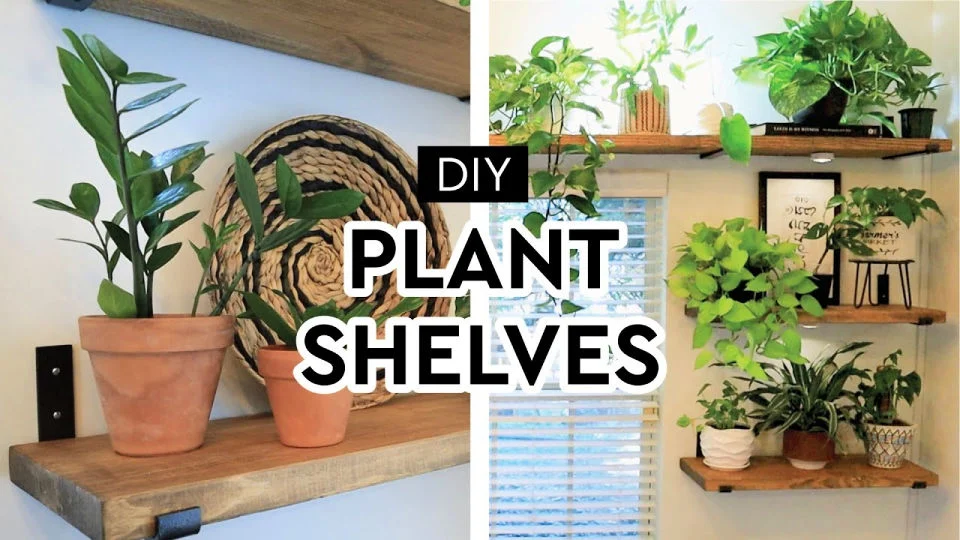
Beyond structural considerations, the styling details bring personality and cohesion to your balcony.
Color Coordination and Finishes
Choose a finish that either matches existing balcony railings or creates a deliberate contrast. A matte white stain lends a Scandinavian feel, while a natural oil finish showcases grain patterns for a more organic look.
Mixing Plant Types for Visual Interest
Combine foliage with flowering varieties. For example, pair a trailing pothos with a compact aloe vera, and intersperse a few lavender sprigs for scent. This variety adds texture and seasonal change.
Incorporating Decorative Accents
Small decorative items—ceramic figurines, copper watering cans, or woven baskets—can be placed on shelf ledges. These accessories echo the natural theme without overwhelming the plant focus.
Lighting Solutions
Evening ambiance is crucial. Install solar‑powered LED strip lights along the underside of each shelf to highlight foliage after dark. For a more refined approach, add a pair of minimal office lighting fixtures that blend with the wooden texture.
Maintenance and Longevity of Wooden Plant Shelves
Proper care ensures your balcony décor with wooden plant shelves remains beautiful for years.
Seasonal Checks
Inspect the wood at the start of each season. Look for signs of water damage, cracks, or loose fasteners. Reapply sealant every 12‑18 months, especially after harsh winter weather.
Weight Management
Distribute the weight of pots evenly across shelves. Avoid overloading a single tier, which can cause bowing or, in extreme cases, structural failure. A good rule of thumb is to keep each shelf’s load under 15 kg for most balcony railings.
Pest Prevention
Use natural pest deterrents—cinnamon powder or neem oil—to keep insects away from both the plants and the wood. Regularly sweep the shelves to remove debris that can attract pests.
Quick Tips for Immediate Impact
- Secure wooden shelves to the balcony railing with stainless‑steel brackets to prevent sway.
- Use matching plant pots to create a unified visual line across multiple shelves.
- Rotate seasonal plants every few months to keep the look fresh and engaging.
- Add a small water feature nearby; the sound of trickling water complements the natural vibe of wooden plant shelves.
Common Mistakes to Avoid
Even seasoned decorators can stumble. Here are typical errors and how to sidestep them:
- Ignoring Load Limits: Always check your building’s balcony load specifications before loading heavy pots.
- Skipping Sealant: Untreated wood quickly succumbs to moisture, leading to rot and warping.
- Overcrowding Shelves: Too many plants can block airflow, causing fungal issues.
- Choosing the Wrong Wood: Soft woods like pine may not hold up in humid or sunny environments without proper treatment.
Frequently Asked Questions
Can I install wooden plant shelves on a rented balcony?
Yes, as long as you use non‑permanent mounting methods such as removable brackets or freestanding units. Always obtain permission from your landlord and ensure the installation does not damage the railing or flooring.
What is the best way to protect wooden shelves from rain?
Apply a high‑quality exterior sealant or marine varnish. Reapply annually and consider using a canopy or retractable awning to shield the shelves during heavy rain.
How often should I water plants on balcony shelves?
Watering frequency depends on plant type, sunlight exposure, and season. As a rule, check the soil moisture weekly; the top inch should be dry before you water again.
Is it safe to use electric grow lights on a wooden shelf?
Absolutely, provided the lights are rated for outdoor use and have proper insulation. Mount them on the shelf’s underside to keep cords tidy and avoid direct contact with wood.
Can I combine wooden shelves with metal or glass elements?
Mixing materials adds visual interest. Pair wooden shelves with metal brackets or a glass railing for a contemporary look while retaining the warmth of wood.
Balcony décor with wooden plant shelves offers a harmonious blend of nature, functionality, and style. By selecting the right wood, arranging shelves thoughtfully, and caring for both the material and the plants, you create a lasting outdoor sanctuary that enhances your home’s overall aesthetic. Explore more ideas in our related articles, experiment with textures and colors, and enjoy the personal retreat you’ve crafted. Happy styling!