
Table of Contents
- Why Choose the Best Low Light Indoor Trees?
- Top Species That Thrive in Low Light
- Best Low Light Indoor Trees: Detailed Look
- Placement Strategies for Different Rooms
- Living Room Placement
- Bedroom Oasis
- Bathroom Greenery
- Care Essentials for Low Light Trees
- Watering and Soil
- Light Management
- Humidity and Temperature
- Design Ideas: Using Trees as Statement Pieces
- Creating a Natural Focal Point
- Layered Greenery
- Minimalist Monochrome
- Quick Tips for Low Light Tree Success
- Common Mistakes and How to Avoid Them
- Frequently Asked Questions
Best Low Light Indoor Trees for Stylish Home Spaces
Living in apartments or rooms with limited natural light doesn’t mean you have to sacrifice greenery. The right indoor tree can thrive in shade, add texture, and become a focal point without demanding a sunny windowsill. Whether you’re decorating a cozy bedroom, a compact living room, or a sleek bathroom, choosing the best low light indoor trees will boost air quality and elevate your interior design. In this guide we’ll explore top species, practical care routines, placement strategies, and design tricks that make these shade‑loving plants work beautifully in modern homes.
We’ll also address common pitfalls, answer frequently asked questions, and share quick actionable tips so you can confidently integrate foliage into any room. By the end, you’ll have a clear plan for selecting, positioning, and maintaining trees that flourish where light is scarce, turning even the darkest corners into thriving, stylish spaces.
Why Choose the Best Low Light Indoor Trees?
Low light indoor trees are not just a compromise for dim spaces; they are a design asset. Their vertical form balances furniture, their foliage adds depth, and many varieties are remarkably low‑maintenance. In interior design, a well‑placed tree can break up monotony, create a natural partition, or serve as a living piece of art. Moreover, these trees improve indoor air quality by filtering pollutants—an added health benefit for any home.
Top Species That Thrive in Low Light
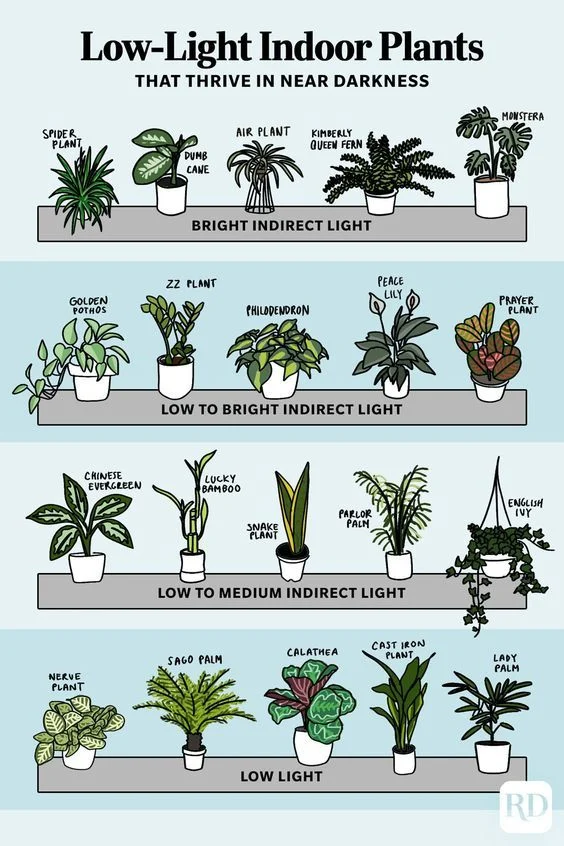
Below are the most reliable choices for rooms that receive little direct sunlight. Each tree brings a unique aesthetic, from sleek, modern silhouettes to lush, tropical vibes.
Best Low Light Indoor Trees: Detailed Look
- ZZ Plant (Zamioculcas zamiifolia) – Though technically a succulent, its upright stems and glossy leaves give a tree‑like presence. Tolerates neglect and can survive in artificial light.
- Snake Plant (Sansevieria trifasciata) – Known for its architectural leaves, it grows slowly and thrives in low‑light corners, making it perfect for modern décor.
- Parlor Palm (Chamaedorea elegans) – A classic indoor palm with a delicate frond canopy, it adds a soft tropical feel without demanding bright light.
- Chinese Evergreen (Aglaonema) – Offers variegated foliage, tolerates low light, and is forgiving of temperature fluctuations.
- Ficus Benjamina ‘Starlight’ – A dwarf variety that maintains a compact, tree‑like shape and adapts well to filtered light.
- Dracaena Marginata – Its thin, spiky leaves create a dramatic silhouette, and it can survive in rooms with only indirect light.
These selections are consistently praised by horticulturists for their resilience and visual impact, making them the best low light indoor trees for any décor theme.
Placement Strategies for Different Rooms

Understanding where to position your tree can maximize both its health and aesthetic contribution. Below are room‑specific ideas that integrate foliage seamlessly.
Living Room Placement
- Use a tall Parlor Palm in an empty corner to create height and soften angular furniture.
- Pair a Snake Plant with a mid‑century modern sofa for a sleek, sculptural contrast.
- Group two ZZ Plants on a side table for a balanced, low‑maintenance vignette.
For inspiration on compact living areas, explore our tiny living room styling ideas guide.
Bedroom Oasis
A bedroom benefits from calm, air‑purifying plants. The gentle fronds of a Parlor Palm or the upright form of a Dracaena Marginata can be placed beside the bed or against a wall to create a soothing backdrop. Consider a low‑light tree on a nightstand to complement layered bedding ideas, as discussed in our mastering bedroom décor with layered bedding article.
Bathroom Greenery
Bathrooms often have humidity and limited light, which certain trees love. A small ZZ Plant or a Chinese Evergreen can thrive on a shelf, enjoying the moisture without direct sunlight.
Care Essentials for Low Light Trees
Even shade‑loving species need attention. Follow these guidelines to keep your trees thriving.
Watering and Soil
- Water only when the top inch of soil feels dry; over‑watering is the most common mistake.
- Use well‑draining potting mix, such as a blend of peat, perlite, and bark.
- For palms, incorporate a light fertilizer once a month during the growing season.
Light Management
While these trees tolerate low light, they still benefit from indirect illumination. A north‑facing window or a few feet from a fluorescent light source is sufficient. Rotate the pot every few weeks to ensure even growth.
Humidity and Temperature
Most low‑light trees prefer stable temperatures between 65‑75°F (18‑24°C). If you live in a dry climate, mist the foliage occasionally or place the pot on a pebble tray with water.
Design Ideas: Using Trees as Statement Pieces
Beyond function, trees can become the centerpiece of a room’s design narrative.
Creating a Natural Focal Point
Place a tall Ficus Benjamina ‘Starlight’ behind a console table to draw the eye upward, emphasizing ceiling height. Pair it with a neutral rug and a few textured throw pillows for a cohesive look.
Layered Greenery
Combine a low‑light tree with hanging planters and smaller tabletop succulents. This layered approach adds depth and works well with natural texture wall décor, as highlighted in our article on wall décor with natural texture décor.
Minimalist Monochrome
In a monochrome living room, a single Dracaena Marginata in a matte black pot provides a striking contrast without overwhelming the space.
Quick Tips for Low Light Tree Success
- Start with a smaller pot; repot only when the roots outgrow it.
- Use a moisture meter to avoid over‑watering.
- Dust leaves monthly to improve photosynthesis.
- Rotate the plant weekly for balanced growth.
- Choose decorative pots that complement your interior palette.
Common Mistakes and How to Avoid Them
Even seasoned plant owners can slip up. Here are frequent errors and corrective actions.
- Over‑watering: Leads to root rot. Stick to a schedule based on soil dryness, not calendar dates.
- Direct Sun Exposure: Low‑light trees can scorch if placed near a bright window. Keep them in indirect light zones.
- Ignoring Humidity: Dry indoor air stresses tropical species. Mist or use a humidifier during winter.
- Using Heavy, Non‑porous Pots: Prevents proper drainage. Opt for terracotta or fabric‑lined pots.
Frequently Asked Questions
Can low light indoor trees survive in a north‑facing apartment?
Yes, most of the best low light indoor trees, such as ZZ Plant and Parlor Palm, thrive in north‑facing rooms where sunlight is limited to indirect illumination.
How often should I fertilize a low light tree?
During the growing season (spring and summer), apply a balanced, water‑soluble fertilizer once a month. Reduce feeding in fall and winter when growth naturally slows.
Do I need a special potting mix for low light trees?
A general indoor potting mix with good drainage works well. Adding perlite or orchid bark improves aeration, which is crucial for preventing root rot.
Can I place a low light tree in a bathroom?
Absolutely. The humidity in bathrooms is ideal for many shade‑loving species. Just ensure the plant isn’t directly under a hot shower spray.
What’s the best way to prune a low light indoor tree?
Trim dead or yellowing leaves as soon as you notice them. For shaping, prune during early spring, using clean, sharp scissors to avoid damaging the plant.
Are low light trees pet‑friendly?
Some, like the Spider Plant, are safe for pets, while others such as the ZZ Plant are toxic if ingested. Always verify a plant’s pet safety before bringing it home.
Integrating foliage into your home design is a rewarding journey. By selecting the best low light indoor trees, positioning them thoughtfully, and following simple care routines, you can enjoy lush, vibrant greenery even in the darkest corners. Ready to transform your space? Start with one of the recommended species, apply the tips shared here, and watch your home come alive with natural elegance.