
Table of Contents
- Why Simple Calming Home Décor Works
- Choosing a Soothing Color Palette
- How to Use Simple Calming Home Décor Colors Effectively
- Furniture Selection: Function Meets Serenity
- Textiles & Soft Elements: Layering for Comfort
- Lighting: The Art of Soft Illumination
- Incorporating Natural Elements
- Decluttering & Organization: The Backbone of Calm
- Quick Home Décor Tips
- Common Mistakes to Avoid
- Frequently Asked Questions
- Putting It All Together
Simple Calming Home Décor: A Comprehensive Guide
In today’s fast‑paced world, our homes have become the ultimate sanctuary where we recharge, reflect, and find balance. Yet, many of us struggle to translate that desire for peace into a visual language that truly soothes the senses. This is where simple calming home décor steps in—an approach that blends minimalism, natural textures, and muted tones to create environments that feel both inviting and restorative.
Whether you’re a first‑time renter, a seasoned homeowner, or simply looking to refresh a single room, the principles of simple calming home décor are adaptable to any space. Throughout this guide you’ll discover practical strategies for selecting colors, furniture, lighting, and accessories that collectively nurture calmness without sacrificing style. By the end, you’ll have a clear roadmap to transform any room into a serene retreat.
Why Simple Calming Home Décor Works

At its core, simple calming home décor is about reducing visual clutter and emphasizing elements that promote tranquility. The brain processes visual information quickly; a space overloaded with bold patterns, bright colors, and excessive décor can trigger stress responses. By simplifying the visual field, you give the mind room to breathe, allowing you to focus on what truly matters—comfort, function, and personal well‑being.
Research in environmental psychology shows that neutral color palettes, natural materials, and soft lighting can lower heart rate and improve mood. Integrating these findings into your interior design decisions doesn’t mean you must abandon personality; rather, it encourages a thoughtful curation of pieces that contribute to a cohesive, calming narrative.
Choosing a Soothing Color Palette
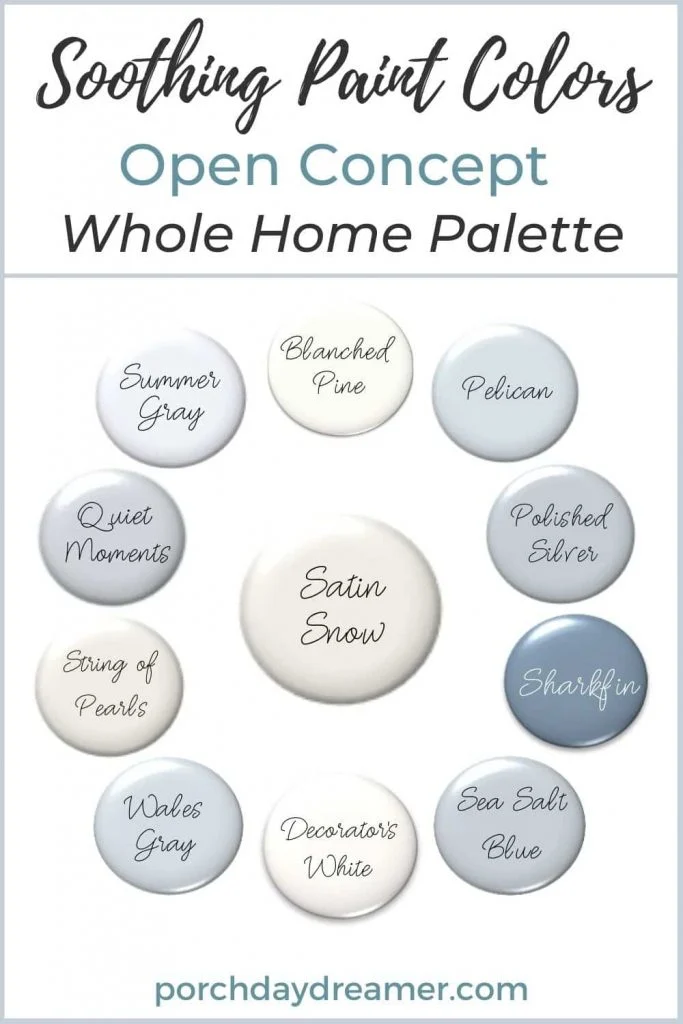
The first step toward simple calming home décor is selecting a color palette that whispers rather than shouts. Soft, muted hues such as warm greys, gentle beiges, muted blues, and pale greens provide a tranquil backdrop that allows furnishings and art to stand out without competing for attention.
How to Use Simple Calming Home Décor Colors Effectively
- Start with a base: Paint larger surfaces—walls, ceilings, and built‑in shelving—in a neutral tone like dove‑gray or ivory. This creates a seamless canvas.
- Add subtle accents: Introduce a second, slightly richer shade through curtains, throw pillows, or a feature wall. A muted sage green or dusty lavender works beautifully.
- Play with texture, not hue: When you want visual interest, rely on texture (linen, woven wool, natural wood) instead of bold color contrasts.
For a deeper dive into how color can affect mood, see our article on window selection for modern homes, where we discuss the impact of natural light on color perception.
Furniture Selection: Function Meets Serenity
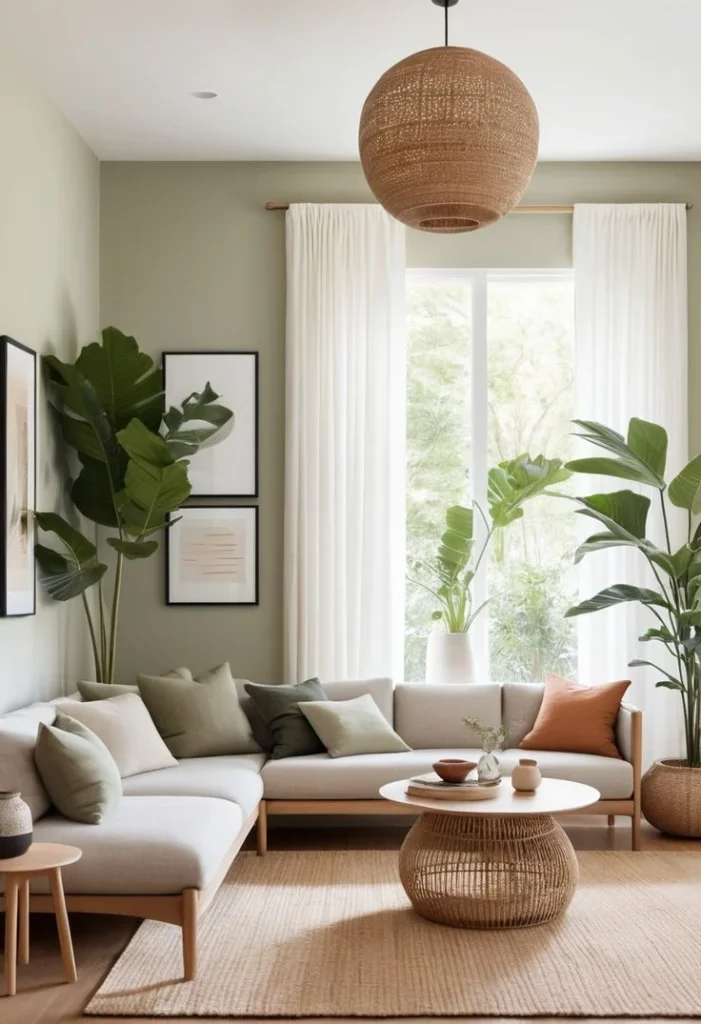
Furniture is the backbone of any interior, and in a simple calming home décor scheme, each piece should serve a clear purpose while contributing to the overall sense of peace. Opt for clean lines, low profiles, and natural finishes that blend seamlessly with the chosen color scheme.
When selecting sofas, chairs, or beds, prioritize materials like solid wood, lightly stained oak, or bamboo. These materials not only age gracefully but also bring an organic warmth that softens the space. Avoid overly ornate or heavily upholstered items that can feel oppressive; instead, look for pieces with subtle curves and breathable fabrics.
Need inspiration for a bedroom that embodies calm? Our Best Loft Bed Guide showcases designs that balance space efficiency with a soothing aesthetic—perfect for small apartments seeking a relaxed vibe.
Textiles & Soft Elements: Layering for Comfort
Soft furnishings are the secret weapon of simple calming home décor. They add warmth, introduce subtle patterns, and provide tactile comfort—all without overwhelming the visual field. Think linen curtains, wool throws, cotton rugs, and plush cushions in muted tones.
When layering textiles, follow the rule of “one pattern, three textures.” Choose a single understated pattern (such as a thin stripe or delicate herringbone) and pair it with textures like smooth cotton, nubby jute, and soft chenille. This approach adds depth without creating visual chaos.
- Rugs: A low‑pile, natural‑fiber rug in a neutral shade anchors the room while muffling foot traffic.
- Cushions: Mix two or three sizes of cushions in varying textures; keep colors within the same palette for cohesion.
- Throws: Drape a lightweight knit or woven throw over the back of a sofa for instant coziness.
Lighting: The Art of Soft Illumination
Lighting is arguably the most influential element in shaping a calm atmosphere. Harsh, direct light can feel clinical, whereas soft, diffused illumination invites relaxation. Aim for a layered lighting plan that combines ambient, task, and accent lighting.
Ambient lighting can be achieved with warm LED recessed fixtures or a simple ceiling lantern. For task lighting, choose table lamps with fabric shades that cast a gentle glow, perfect for reading nooks or workstations. Accent lighting—such as LED strips behind shelving or subtle wall sconces—adds visual interest without stealing focus.
If you’re renovating a bathroom to complement a tranquil home, explore our guide on Op i Bubble Bath – Transform Your Bathroom Into a Spa‑Like Retreat. The same principles of soft lighting and muted tones apply, turning even a modest washroom into a soothing sanctuary.
Incorporating Natural Elements
Nature is an innate source of calm. Integrating plants, natural wood, stone, and water features can instantly soften a space and improve indoor air quality. For those wary of high maintenance, opt for low‑light tolerant plants like snake plant, ZZ plant, or a modest succulents arrangement.
Displaying a single, well‑chosen plant on a side table or hanging a small terrarium near a window creates a focal point that draws the eye upward, expanding perceived space. If floor space is limited, consider a vertical garden or a series of wall‑mounted planters.
Stone elements—such as a marble coffee table or a pebble‑textured wall panel—add subtle visual weight and a tactile experience that grounds the room. Keep the overall aesthetic balanced by pairing stone with softer fabrics and warm wood tones.
Decluttering & Organization: The Backbone of Calm
No amount of decorative finesse can compensate for an overfilled room. Simple calming home décor thrives on organization, where every item has a designated home and visual noise is minimized. Adopt a “one in, one out” policy to keep possessions in check.
Utilize hidden storage solutions like built‑in cabinets, ottomans with interior compartments, or sleek floating shelves that keep items off the floor. When choosing storage pieces, keep their design consistent with the overall aesthetic—think seamless matte finishes or natural wood that blends into the background.
For small workspaces, our article on small workspace décor inspiration offers clever storage ideas that maintain calm while enhancing productivity.
Quick Home Décor Tips
- Start with a neutral base and add color through accessories.
- Choose furniture with clean lines and natural finishes.
- Layer textiles for warmth—keep patterns subtle.
- Use warm, diffused lighting to soften shadows.
- Introduce one or two low‑maintenance plants for a natural touch.
Common Mistakes to Avoid
Even well‑intentioned décor projects can stumble. Below are frequent pitfalls and how to sidestep them:
- Over‑decorating: Too many decorative objects create visual clutter. Limit accessories to a few statement pieces.
- Ignoring scale: Large furniture in a small room feels cramped. Measure your space and select appropriately sized pieces.
- Choosing the wrong lighting temperature: Cool, bluish light can feel clinical. Opt for warm‑white (2700–3000K) LEDs for a cozy atmosphere.
- Neglecting texture: A room of flat surfaces feels sterile. Mix wood, fabric, metal, and stone to add depth.
- Skipping functional zones: In open‑plan areas, define zones with rugs or furniture arrangement to maintain order.
Frequently Asked Questions
Can I use bold colors in a simple calming home décor scheme?
Yes, but limit bold hues to small accent pieces like a single cushion or artwork. The dominant palette should remain neutral to preserve the calming effect.
How much natural light do I need?
Ideally, maximize natural light by using sheer curtains or keeping window treatments minimal. Natural light amplifies the sense of spaciousness and works harmoniously with soft interior lighting.
Is it okay to mix modern and vintage furniture?
Absolutely. Pairing a sleek modern sofa with a vintage wooden side table can add character while maintaining a simple, calming vibe—just ensure both pieces share a similar finish or color family.
What flooring works best for calm interiors?
Light‑colored hardwood, bamboo, or large‑format porcelain tiles in neutral tones work well. Add a soft area rug for warmth and acoustic comfort.
How do I keep my calming décor fresh over time?
Rotate accessories seasonally, swap out textile textures, and periodically declutter to prevent accumulation. Small updates keep the space feeling renewed without overhauling the entire design.
Putting It All Together
Creating simple calming home décor is less about strict rules and more about cultivating an environment that supports mental well‑being. Begin with a neutral color foundation, select furniture that marries form and function, layer soft textiles, and employ warm lighting. Complement these choices with natural elements and disciplined organization, and you’ll have a sanctuary that feels both stylish and soothing.
Remember, the journey to a calmer home is incremental. Start with one room, experiment with textures, and let the space evolve organically. As you refine each area, you’ll discover how subtle adjustments—like switching to a softer lamp shade or adding a single plant—can dramatically shift the atmosphere.
Ready to embark on your own tranquil transformation? Dive deeper into specific room ideas, explore our curated neutral spa bathroom inspiration, and keep experimenting. Your calm, beautiful home awaits.
Happy decorating!