
Table of Contents
- Understanding Pressure Treated Lumber: What It Is and How It Works
- Key Benefits of Using Pressure Treated Lumber
- Choosing the Right Grade and Rating for Your Project
- Design Ideas: Incorporating Pressure Treated Lumber into Modern Outdoor Spaces
- 1. Minimalist Deck with Integrated Seating
- 2. Raised Garden Beds with a Clean Aesthetic
- 3. Pergola with Open‑Lattice Roof
- Installation Tips: Getting the Most Out of Pressure Treated Lumber
- Maintenance and Longevity: Caring for Your Pressure Treated Lumber
- Routine Cleaning
- Re‑Staining or Sealing
- Inspecting for Damage
- Quick Tips for Working with Pressure Treated Lumber
- Common Mistakes and How to Avoid Them
- Frequently Asked Questions
- Is pressure treated lumber safe for food‑related projects?
- Can I paint pressure treated lumber?
- How long does pressure treated lumber last outdoors?
- Do I need to wear protection when cutting pressure treated lumber?
- Is pressure treated lumber environmentally friendly?
- Can pressure treated lumber be used for indoor projects?
Pressure Treated Lumber: Durable Choice for Outdoor Home Projects
When it comes to creating lasting outdoor spaces, the material you choose can make or break your project. Pressure treated lumber has become a staple for homeowners seeking strength, affordability, and resistance to the elements. Whether you’re building a deck for summer gatherings, a fence that defines property lines, or a pergola that adds shade and style, understanding how this wood works will save you time, money, and frustration.
In this comprehensive guide, we’ll explore the science behind pressure treatment, compare it with alternative materials, and walk you through practical design ideas that fit modern home décor trends. By the end, you’ll feel confident selecting, installing, and maintaining pressure treated lumber for any outdoor project, while also discovering how it can complement interior spaces through seamless indoor‑outdoor flow.
Ready to transform your yard into a functional, attractive extension of your home? Let’s dive into the details that will empower you to make smart, stylish choices.
Understanding Pressure Treated Lumber: What It Is and How It Works
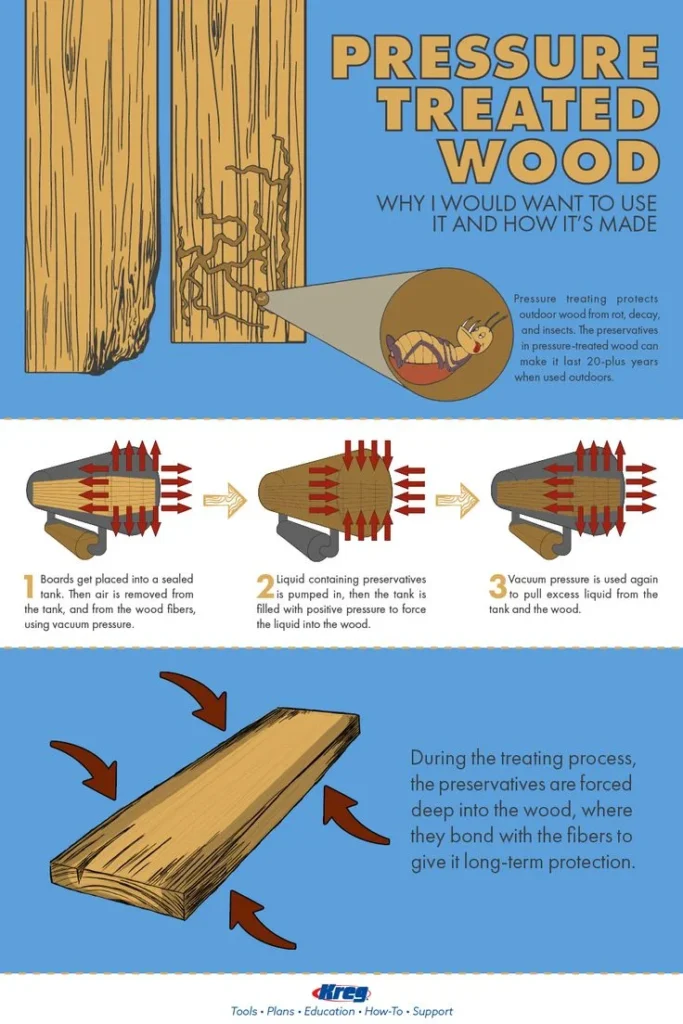
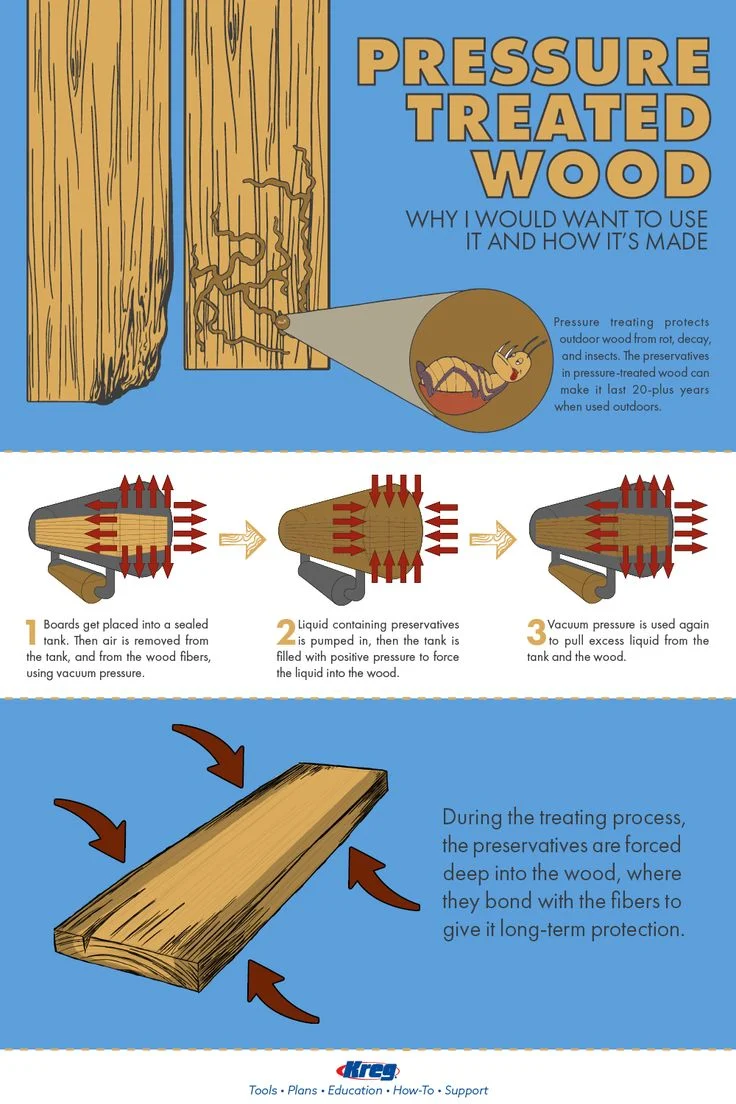
Pressure treated lumber is ordinary softwood—usually pine, fir, or spruce—that has been infused with chemical preservatives under high pressure. This process forces the chemicals deep into the wood fibers, protecting against rot, decay, and insect damage. The most common preservative systems include alkaline copper quat (ACQ), copper azole (CA), and micronized copper (MC). Each offers a slightly different balance of durability and environmental impact, but all meet strict industry standards for outdoor use.
Because the treatment penetrates the wood, the resulting material can withstand moisture, soil contact, and even occasional flooding without compromising structural integrity. This makes it an ideal choice for decks, railings, garden beds, and even outdoor furniture that endures the harshest climates.
Key Benefits of Using Pressure Treated Lumber
- Longevity: Properly installed, it can last 20–30 years before needing replacement.
- Cost‑effectiveness: Typically 30‑40% cheaper than naturally rot‑resistant species like cedar or redwood.
- Versatility: Available in a wide range of dimensions, from 2×4 studs to 6×6 posts.
- Environmental friendliness: Modern preservative formulas reduce leaching and are approved for residential use.
These attributes explain why pressure treated lumber remains the go‑to material for many DIY enthusiasts and professional contractors alike.
Choosing the Right Grade and Rating for Your Project
Not all pressure treated lumber is created equal. The American Wood Protection Association (AWPA) classifies lumber based on its exposure level and load‑bearing capacity. Understanding these grades ensures you purchase wood that matches the demands of your specific project.
Grade classifications:
- Ground contact (GC): Designed for direct soil contact, ideal for fence posts and deck footings.
- Above ground (AG): Suitable for structures exposed to weather but not buried, such as deck joists and railing balusters.
- Structural (ST): Meets higher load requirements, perfect for beams, joists, and support columns.
When planning a deck, for example, use GC‑rated lumber for the footings, AG for the framing, and ST for any load‑bearing beams. This layered approach maximizes durability while keeping costs in check.
Design Ideas: Incorporating Pressure Treated Lumber into Modern Outdoor Spaces

Modern home décor emphasizes clean lines, natural textures, and a seamless connection between indoor and outdoor living. Pressure treated lumber can be a foundational element that supports these design goals. Below are three inspiring ways to use this material in contemporary settings.
1. Minimalist Deck with Integrated Seating
Imagine a sleek, rectangular deck extending from your living room, finished with a light stain that showcases the wood’s grain. Add built‑in bench seating along the perimeter, using the same pressure treated lumber for continuity. The benches can double as storage, concealing cushions or gardening tools.
For a touch of warmth, pair the deck with a warm minimalist living room interior that features natural wood accents and neutral tones. The visual flow will make your home feel larger and more cohesive.
2. Raised Garden Beds with a Clean Aesthetic
Raised beds constructed from pressure treated lumber create defined planting zones while keeping soil contained and weed growth manageable. Opt for a simple 4‑by‑8‑foot rectangle, and finish with a semi‑transparent sealant that protects the wood yet lets the natural hue shine through. The raised beds can be positioned adjacent to a patio, encouraging an indoor‑outdoor gardening experience.
Combine the garden beds with a simple modern home styling guide for a cohesive look that balances greenery with streamlined furniture.
3. Pergola with Open‑Lattice Roof
A pergola constructed from pressure treated lumber offers a stylish shade structure that can be customized with climbing vines, string lights, or retractable fabric. Choose a post‑and‑beam design with evenly spaced lattice to maintain airflow while providing a subtle visual pattern.
Integrate the pergola with a minimal office décor nook on one side, using the same wood finish for a cohesive look that blurs the line between work and leisure.
Installation Tips: Getting the Most Out of Pressure Treated Lumber
Even the best material can underperform if not installed correctly. Follow these practical steps to ensure a strong, long‑lasting result.
- Pre‑drill holes: The preservatives can cause the wood to split when nails or screws are driven in. Pre‑drilling prevents cracking and extends the lifespan of fasteners.
- Use corrosion‑resistant fasteners: Stainless steel or hot‑dipped galvanized screws and nails are essential, as the chemicals in treated wood can accelerate corrosion of regular steel.
- Allow for expansion: Wood swells when it absorbs moisture. Leave a small gap (about ¼ inch) between boards for decks and fences to accommodate movement.
- Seal cut ends: Apply a wood preservative or compatible sealant to any cut surfaces to maintain protection where the pressure treatment may not have fully penetrated.
- Follow local building codes: Many municipalities require specific footing depths and post anchoring methods for safety and compliance.
By adhering to these guidelines, you’ll protect both your investment and the surrounding environment.
Maintenance and Longevity: Caring for Your Pressure Treated Lumber
While pressure treated lumber is engineered for durability, regular upkeep ensures it retains its appearance and structural integrity for decades.
Routine Cleaning
At least once a year, wash the wood with a mild detergent and a soft brush to remove dirt, pollen, and mildew. For stubborn stains, a solution of 1 part bleach to 3 parts water can be applied, followed by a thorough rinse.
Re‑Staining or Sealing
Even though the wood is chemically protected, applying a water‑based stain or sealant enhances its aesthetic appeal and adds an extra barrier against UV rays. Reapply every 2–3 years, especially on high‑traffic surfaces.
Inspecting for Damage
Perform a visual inspection annually. Look for loose fasteners, cracked boards, or signs of rot at joints. Promptly replace any compromised pieces to avoid larger structural issues.
Quick Tips for Working with Pressure Treated Lumber
- Wear gloves and a dust mask when cutting; the sawdust can be irritating.
- Store lumber off the ground on a flat surface to prevent warping.
- Plan for drainage: ensure water can flow away from the wood to reduce moisture buildup.
- Match the wood’s grain direction when constructing larger surfaces for a uniform look.
- Combine treated wood with natural stone or concrete for a balanced modern aesthetic.
Common Mistakes and How to Avoid Them
Even seasoned DIYers sometimes stumble when using pressure treated lumber. Here are frequent errors and simple solutions.
- Skipping the pre‑drill: Leads to splitting and weakened joints. Always pre‑drill pilot holes.
- Using the wrong fasteners: Regular steel corrodes quickly. Choose stainless or hot‑dip galvanized hardware.
- Neglecting the cut ends: Untreated ends become vulnerable to rot. Seal them immediately after cutting.
- Installing too close to the ground: Moisture wicks upward, accelerating decay. Provide a moisture barrier or a small gap.
- Ignoring building codes: Can result in unsafe structures and costly rework. Check local regulations before you start.
Frequently Asked Questions
Is pressure treated lumber safe for food‑related projects?
Modern preservatives, such as ACQ and MC, are approved for residential use and are considered safe for contact with food when the wood is properly sealed. However, for high‑contact surfaces like cutting boards, many prefer naturally rot‑resistant woods like maple.
Can I paint pressure treated lumber?
Yes, you can paint it, but the surface must be clean, dry, and free of mildews. Use a high‑quality exterior primer designed for treated wood, followed by a durable paint. This adds color while preserving the wood’s protective qualities.
How long does pressure treated lumber last outdoors?
When installed correctly and maintained, most pressure treated lumber lasts 20–30 years. Factors such as climate, exposure, and upkeep can affect the exact lifespan.
Do I need to wear protection when cutting pressure treated lumber?
Absolutely. The dust contains chemicals that can irritate skin, eyes, and lungs. Wear gloves, safety glasses, and an N‑95 respirator or dust mask when cutting, sanding, or handling the material.
Is pressure treated lumber environmentally friendly?
Current preservative formulas are designed to minimize leaching and meet EPA standards. While not as eco‑friendly as reclaimed wood, they offer a longer service life, which can reduce overall material consumption.
Can pressure treated lumber be used for indoor projects?
It can, but the strong chemical odor may be unpleasant indoors, and the wood may release fumes. If you decide to use it inside, ensure thorough ventilation and consider sealing the wood before installation.
By addressing these common questions, you’ll feel more confident selecting and working with pressure treated lumber in a variety of settings.
Pressure treated lumber bridges the gap between practicality and modern aesthetics, offering a reliable foundation for outdoor projects that enhance both curb appeal and everyday living. By choosing the right grade, following proper installation techniques, and maintaining the wood over time, you’ll create spaces that stand the test of weather and trends alike. Dive into your next project with the knowledge that this versatile material will support your vision—whether it’s a sleek deck, a functional garden bed, or a stylish pergola that invites relaxation.