
Table of Contents
- fireclay vs granite composite sink: Material Overview
- fireclay vs granite composite sink – Durability and Wear
- Design Aesthetics and Style Flexibility
- Maintenance and Cleaning
- Cost, Value, and Longevity
- Environmental Impact and Sustainability
- Installation and Compatibility with Kitchen Layouts
- fireclay vs granite composite sink – Installation Considerations
- Quick Tips for Choosing the Right Sink
- Common Mistakes to Avoid
- Frequently Asked Questions
When it comes to kitchen remodels, the sink often gets less fanfare than cabinets or appliances, yet it is the workhorse of the room. Selecting the right basin can influence everything from daily cleaning routines to the overall aesthetic of the space. Two materials dominate the premium market today: fireclay and granite composite. Both promise durability and visual appeal, but they arrive with distinct characteristics that can sway a homeowner’s decision.
In this guide we’ll unpack the nuances of fireclay vs granite composite sink options, offering a clear side‑by‑side comparison that touches on design, maintenance, cost, sustainability, and installation. By the end, you’ll have a practical framework for deciding which material aligns best with your lifestyle, budget, and design vision.
fireclay vs granite composite sink: Material Overview
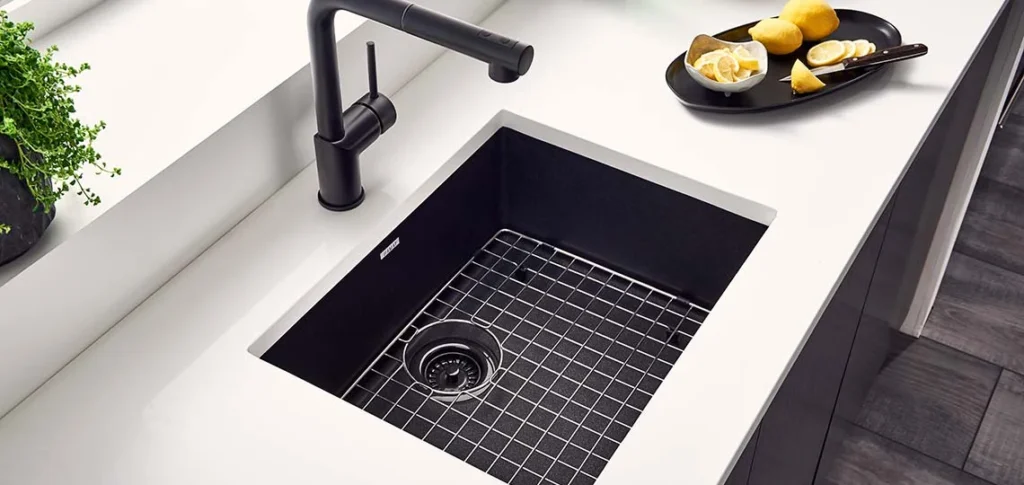
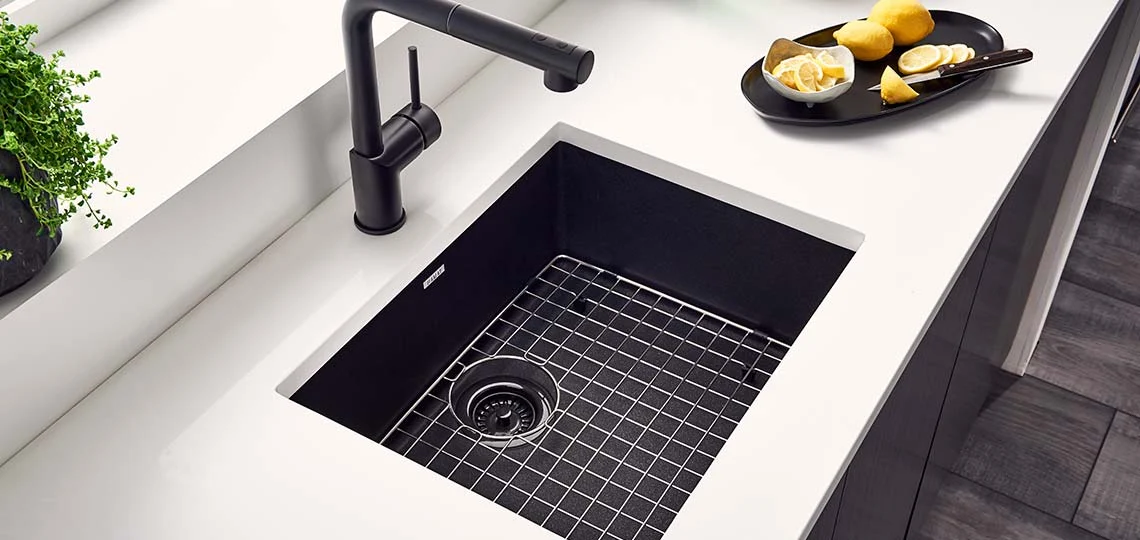
Fireclay sinks are forged from a blend of clay and minerals that are fired at extremely high temperatures, creating a dense, non‑porous surface. The process yields a glossy finish that mimics traditional cast‑iron but without the heavy weight. Granite composite sinks, on the other hand, combine crushed granite stone with acrylic resin, forming a solid slab that is then molded into shape. The result is a sink that feels stone‑like yet is lighter than pure granite.
Both materials are engineered to resist stains, scratches, and impact, but they achieve these goals through different chemistry. Fireclay’s vitrified surface makes it exceptionally resistant to bacterial growth, while the resin matrix in granite composite provides a degree of flexibility that can absorb minor knocks without chipping.
fireclay vs granite composite sink – Durability and Wear
When you compare durability, fireclay often takes the lead in resisting heat. You can set a hot pot directly on a fireclay basin without fearing a burn-through, a benefit that many chefs appreciate. Granite composite sinks are heat‑resistant as well, but prolonged exposure to extreme temperatures can cause the resin to soften over time.
Scratch resistance is another point of divergence. Fireclay’s hardened surface can handle metal utensils and cookware with little concern, while granite composite may develop superficial scratches if abrasive cleaners are used. However, minor scratches on granite composite can usually be buffed out with a non‑abrasive polishing compound.
Design Aesthetics and Style Flexibility

From a visual standpoint, fireclay sinks exude a timeless, farmhouse charm. Their glossy finish and smooth contours pair well with classic shaker cabinets, open‑shelf layouts, and even industrial loft kitchens when paired with matte black hardware. Granite composite sinks, conversely, boast a speckled, stone‑like appearance that can range from light ivory to deep charcoal, making them a versatile backdrop for modern, minimalist, or transitional designs.
Because granite composite is essentially a composite slab, manufacturers can mold it into a wide array of shapes—including deep single bowls, double bowls, and even integrated cutting boards. Fireclay, while also versatile, is more commonly found in traditional apron‑front or farmhouse styles, though contemporary fireclay models have started to feature sleek, angular lines that blend well with modern cabinetry.
When you’re planning the larger aesthetic of your kitchen, think about the surrounding elements. If you love the idea of a sink that serves as a focal point with a subtle sheen, fireclay may be the answer. If you prefer a subtle, textured backdrop that lets countertop materials like quartz or marble shine, a granite composite sink could be the better match.
Maintenance and Cleaning

One of the biggest concerns for homeowners is how much upkeep a sink will demand. Fireclay’s non‑porous surface means it repels water, oil, and food particles, allowing most spills to be wiped away with a damp cloth. For tougher stains, a mild dish soap and a soft sponge are sufficient—no harsh chemicals are needed.
Granite composite sinks also resist stains, but the resin component can be sensitive to acidic cleaners like lemon juice or vinegar. Overuse of such agents can dull the surface over time. The recommended cleaning routine involves a pH‑neutral cleaner, a soft microfiber cloth, and occasional polishing with a specially formulated granite composite polish to maintain its luster.
Both materials are dishwasher‑safe, but it’s advisable to avoid placing the entire sink in the dishwasher. Instead, rinse and wipe down after each use to prevent mineral buildup, especially in areas with hard water. For those who love a hands‑off approach, the low‑maintenance nature of both fireclay and granite composite makes them superior to stainless steel, which often shows water spots and fingerprints.
Cost, Value, and Longevity
Price is a decisive factor for most remodel projects. Fireclay sinks typically sit in the mid‑to‑high price range, reflecting the labor‑intensive firing process and the premium feel of the material. Granite composite sinks can be slightly more affordable, especially in mass‑produced models, yet the higher end of the market offers luxury options that rival fireclay in cost.
When evaluating value, consider the lifespan. Both fireclay and granite composite are designed to last 20‑30 years with proper care. However, fireclay’s resistance to heat and scratches can translate into fewer repairs or replacements over time. Granite composite’s lighter weight reduces the load on cabinetry, potentially extending the life of cabinet hinges and supports.
Resale value is another angle. A well‑chosen sink can be a selling point, especially in upscale markets where buyers expect high‑quality fixtures. Whether you opt for fireclay’s classic allure or granite composite’s modern stone look, both can boost perceived value when paired with complementary hardware and countertops.
Environmental Impact and Sustainability
Eco‑conscious homeowners often ask how these materials stack up from a sustainability perspective. Fireclay production relies on natural clay and minerals, with the firing process consuming significant energy. However, the raw materials are abundant, and the resulting product is virtually recyclable at the end of its life.
Granite composite sinks incorporate crushed natural stone, which repurposes quarry waste, and resin derived from petroleum. While the resin component does have a carbon footprint, many manufacturers are now using bio‑based resins that lower environmental impact. Additionally, the long lifespan of both materials means fewer replacements, reducing overall waste.
When choosing between fireclay vs granite composite sink, consider sourcing. Look for manufacturers that disclose their energy usage, use recycled content, or have third‑party certifications like GREENGUARD. These details can help you make a greener choice without sacrificing performance.
Installation and Compatibility with Kitchen Layouts
Installation logistics can be a make‑or‑break factor. Fireclay sinks are heavier than granite composite, often requiring reinforced cabinet bases or additional support brackets. The weight can also affect countertop choices; some thin quartz slabs may need extra reinforcement to prevent cracking under the sink’s mass.
Granite composite sinks are lighter, making them easier for DIY installation and reducing the need for structural modifications. Their lighter weight also means they can be installed in a wider variety of countertop materials, including laminate and thin marble, without compromising integrity.
fireclay vs granite composite sink – Installation Considerations
Before you commit, assess the following: 1) Cabinet strength – fireclay may need upgraded cabinet fronts or reinforced frames. 2) Cutout dimensions – both materials are usually pre‑molded, but custom sizes can affect price. 3) Faucet mounting – ensure the sink’s apron or flange aligns with your preferred faucet style. 4) Plumbing access – deeper fireclay bowls might require longer supply lines.
Professional installers often recommend a silicone sealant for both types, but fireclay benefits from a bead of waterproofing tape around the cutout to prevent any micro‑leaks that could seep into the cabinet base. Granite composite’s smoother edge allows a simpler seal, though a high‑quality silicone remains best practice.
Quick Tips for Choosing the Right Sink
- Match the sink’s finish with your hardware – brushed nickel faucets pair nicely with fireclay’s glossy sheen, while matte black fixtures complement granite composite’s stone texture.
- Consider daily habits – if you frequently set hot pans on the sink, fireclay’s heat resistance may be advantageous.
- Measure cabinet depth accurately – a deeper fireclay bowl can reduce usable countertop space.
- Check warranty length – many manufacturers offer 10‑year warranties on granite composite versus 5‑year on fireclay.
- Think about future resale – a neutral stone look (granite composite) often appeals to a broader buyer pool.
Common Mistakes to Avoid
Even seasoned remodelers can stumble when selecting a sink. One frequent error is overlooking the sink’s weight, leading to cabinet sagging or countertop cracks—especially with fireclay. Another is using abrasive cleaners on granite composite, which can dull the surface and create micro‑scratches.
Choosing a sink style that clashes with the overall kitchen theme is also a misstep. For instance, pairing a rustic fireclay farmhouse sink with ultra‑sleek, handle‑less cabinets can create visual tension. Finally, neglecting to verify the sink’s cutout dimensions against existing cabinetry can cause costly on‑site adjustments.
Frequently Asked Questions
Is a fireclay sink heavier than a granite composite sink?
Yes, fireclay sinks are generally heavier due to the high‑temperature firing process, which creates a dense, vitrified material. Granite composite sinks are lighter because the resin matrix reduces overall weight.
Can I place a hot pot directly on a granite composite sink?
While granite composite is heat‑resistant, placing extremely hot pots directly on the surface repeatedly can cause the resin to soften over time. It’s best to use a trivet or heat‑proof pad.
Which sink is more scratch‑resistant?
Fireclay’s glazed surface offers superior scratch resistance compared to granite composite, which may develop minor surface scratches if abrasive cleaners are used.
Do both materials require sealing?
Neither fireclay nor granite composite typically needs a sealant after installation, as both are non‑porous. However, proper silicone sealing around the cutout is essential to prevent water infiltration.
Are fireclay sinks suitable for small kitchens?
Fireclay sinks can be installed in compact spaces, but their weight may limit placement in cabinets with thin backs. Granite composite’s lighter profile often makes it a better fit for tight or DIY installations.
How do I clean mineral deposits from a fireclay sink?
A mixture of equal parts water and white vinegar applied with a soft cloth can dissolve mineral buildup. Rinse thoroughly and dry to maintain the glossy finish.
For more inspiration on cohesive interiors, check out our guide on living room décor with light neutral rugs. If you’re looking for broader styling advice, our simple modern home styling tips article offers practical ideas that complement any kitchen renovation. And for those interested in structural considerations, read how much weight can galvanized steel pipe hold to understand load‑bearing limits when installing heavier fireclay basins.
Choosing between fireclay vs granite composite sink ultimately hinges on your priorities—whether you value heat resistance, weight considerations, aesthetic preferences, or budget. Both materials deliver durability and timeless appeal, so the decision is less about right or wrong and more about aligning the sink’s strengths with your kitchen’s unique demands.