
Table of Contents
- Understanding the Basics: How Much Weight Can Galvanized Steel Pipe Hold?
- Factors That Influence How Much Weight Can Galvanized Steel Pipe Hold
- Practical Applications: Using Galvanized Steel Pipe in Home Décor
- Shelving Systems – How Much Weight Can Galvanized Steel Pipe Hold on Wall‑Mounted Shelves?
- Handrails and Staircases – Determining Safe Load Limits
- Outdoor Structures – Balancing Strength and Weather Resistance
- Quick Tips for Maximizing Load Capacity
- Common Mistakes and How to Avoid Them
- Frequently Asked Questions
- Can I use galvanized steel pipe for decorative ceiling beams?
- What is the difference between Schedule 40 and Schedule 80?
- How do I attach pipe to drywall without compromising weight capacity?
- Is galvanized steel pipe safe for indoor use?
- Can I paint over galvanized steel pipe?
- Integrating Galvanized Steel Pipe with Modern Home Styling
How Much Weight Can Galvanized Steel Pipe Hold? A Home‑Design Guide
When you’re planning a modern living space, structural elements often double as stylish features. Galvanized steel pipe, with its industrial charm and durability, is a popular choice for everything from floating shelves to handrails. Yet, many homeowners wonder how much weight can galvanized steel pipe hold before it bends or fails. Understanding this capacity is essential not only for safety but also for achieving a sleek, functional look that lasts.
In this article, we’ll break down the engineering basics, explore how pipe dimensions, wall thickness, and load type affect strength, and give you practical décor ideas that make the most of this versatile material. Whether you’re a DIY enthusiast, a small‑space dweller, or simply curious about incorporating industrial elements into a bedroom or living room, you’ll find actionable insights that blend safety with style.
We’ll also share quick tips, common pitfalls, and answers to frequently asked questions, so you can confidently decide where and how to use galvanized steel pipe in your home. Let’s dive in and discover the true potential of this robust yet aesthetically appealing material.
Understanding the Basics: How Much Weight Can Galvanized Steel Pipe Hold?
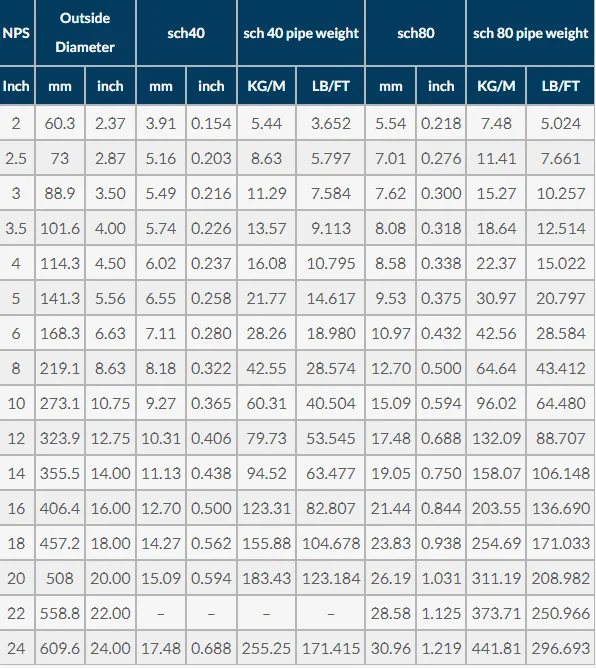
At its core, the load‑bearing capacity of a pipe depends on three key factors: diameter, wall thickness (often expressed as schedule), and the material’s grade. Galvanized steel is typically coated with zinc to resist corrosion, but its mechanical properties remain similar to plain carbon steel. For most residential applications, you’ll encounter Schedule 40 or Schedule 80 pipes, where Schedule 80 has a thicker wall and therefore a higher weight‑bearing capability.
For example, a standard 2‑inch Schedule 40 pipe can support approximately 800 lb when used as a vertical post, while the same pipe in Schedule 80 can hold up to 1,200 lb under similar conditions. However, these numbers assume evenly distributed loads and proper installation. Uneven or point loads can dramatically reduce the safe capacity, which is why it’s crucial to consider the intended use and support method.
Factors That Influence How Much Weight Can Galvanized Steel Pipe Hold
- Diameter: Larger diameters provide greater moment of inertia, enhancing resistance to bending.
- Wall Thickness (Schedule): Thicker walls increase the pipe’s moment of resistance, allowing it to carry heavier loads.
- Length and Span: The longer the unsupported span, the more the pipe will flex under weight.
- Load Type: Uniformly distributed loads are safer than concentrated point loads.
- Support Conditions: Fixed or anchored ends dramatically improve load capacity compared to simply resting on brackets.
- Corrosion and Age: Even galvanized coating can wear, reducing structural integrity over time.
By evaluating these variables, you can estimate how much weight can galvanized steel pipe hold for any given project, ensuring both safety and aesthetic integrity.
Practical Applications: Using Galvanized Steel Pipe in Home Décor
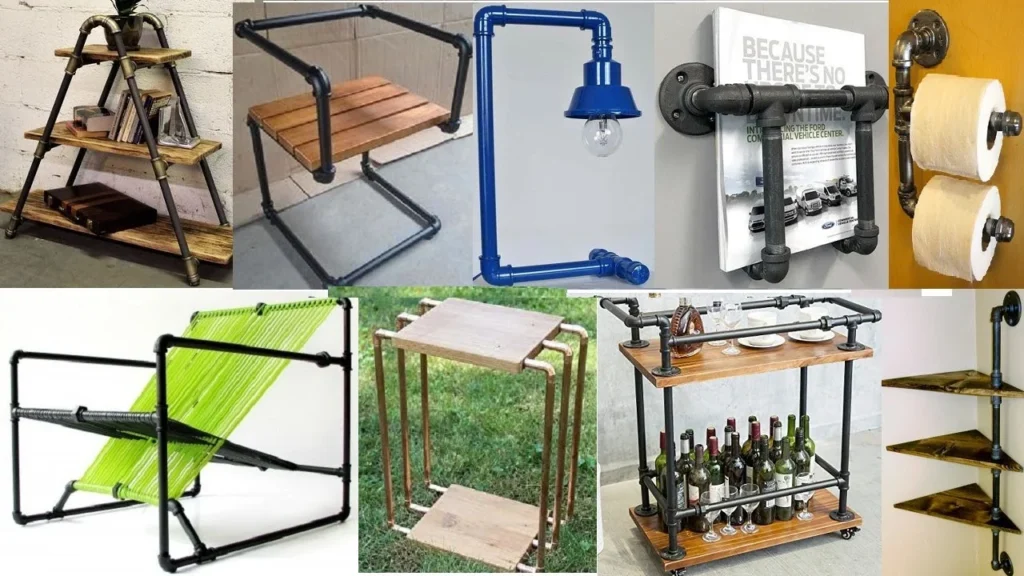
Industrial‑style pipe fittings are more than just functional; they add a raw, contemporary edge to interiors. Below are three popular uses, each with guidelines on load capacity and design considerations.
Shelving Systems – How Much Weight Can Galvanized Steel Pipe Hold on Wall‑Mounted Shelves?
Shelving is perhaps the most common application. By pairing pipe with wooden planks, you create sturdy, eye‑catching storage. For a typical 4‑foot long, 2‑inch Schedule 40 pipe anchored with heavy‑duty brackets, you can safely place up to 150 lb per shelf when the load is evenly spread. If you anticipate heavier items—such as books or kitchenware—upgrade to Schedule 80 pipe or add a second pipe for extra support.
For a small bedroom corner, consider a compact shelving unit that maximizes vertical space without overwhelming the room. Small bedroom corner décor ideas can inspire you to incorporate pipe shelving that feels both functional and chic.
Handrails and Staircases – Determining Safe Load Limits
When installing a handrail, safety is paramount. A handrail built with 1½‑inch Schedule 40 pipe can comfortably support a static load of 1,000 lb, far exceeding typical residential requirements. However, dynamic loads—like a sudden push—should be considered. Using brackets that clamp the pipe at multiple points along the stair’s length helps distribute forces and prevents excessive flexing.
Remember to anchor the pipe securely into studs or use heavy‑duty metal brackets rated for at least 300 lb each. This approach ensures the handrail remains robust under daily use.
Outdoor Structures – Balancing Strength and Weather Resistance
For patio canopies, garden trellises, or outdoor storage racks, galvanized steel pipe is an excellent choice because of its corrosion resistance. A 3‑inch Schedule 80 pipe spanning 6 feet can sustain around 600 lb when used as a vertical post. When creating a freestanding frame, incorporate cross‑bracing to reduce lateral movement and increase overall stability.
If you’re integrating waterproofing elements, such as a rain‑shelter, learn about proper sealing techniques in our Hot Mop vs Schluter guide, which can complement your pipe installations.
Quick Tips for Maximizing Load Capacity

- Choose Schedule 80 pipe for higher weight demands.
- Use at least two brackets per foot of pipe to distribute load.
- Prefer uniform, evenly distributed loads over point loads.
- Seal connections with pipe thread sealant to prevent corrosion.
- Inspect galvanized coating regularly; replace if rust appears.
Common Mistakes and How to Avoid Them
Even seasoned DIYers can slip up when working with galvanized steel pipe. Below are typical errors that can compromise how much weight can galvanized steel pipe hold and ways to prevent them.
- Undersized Pipe: Selecting a pipe diameter that’s too small for the intended load leads to bending. Always calculate the expected weight and choose a pipe with a safety factor of at least 1.5.
- Improper Bracketing: Using flimsy brackets or placing them too far apart creates stress points. Opt for heavy‑duty brackets and space them no more than 12 inches apart for shelving.
- Neglecting Support Ends: Relying on the pipe to bear weight without anchoring the ends reduces its load capacity dramatically.
- Ignoring Corrosion: Over time, the zinc coating can wear away, especially in humid environments, weakening the steel. Apply a clear protective coating if the pipe is exposed.
- Overloading Point Loads: Hanging a heavy pot on a single pipe hook can exceed the pipe’s capacity, even if the pipe is thick. Distribute weight across multiple points.
Frequently Asked Questions
Can I use galvanized steel pipe for decorative ceiling beams?
Yes, but the load‑bearing requirements are minimal for purely decorative beams. If you plan to hang lights or plants, calculate the combined weight and ensure the pipe’s schedule can handle it. Typically, a 2‑inch Schedule 40 pipe can support about 250 lb when suspended from ceiling joists.
What is the difference between Schedule 40 and Schedule 80?
Schedule 40 pipe has a thinner wall, making it lighter and easier to work with, while Schedule 80 has a thicker wall for greater strength. For projects demanding higher load capacity—such as heavy shelving or structural handrails—Schedule 80 is the safer choice.
How do I attach pipe to drywall without compromising weight capacity?
Drywall alone isn’t sufficient for supporting heavy loads. Always locate studs behind the drywall and secure brackets directly into the wood. If studs are not available, use toggle bolts rated for the load you intend to place on the pipe.
Is galvanized steel pipe safe for indoor use?
Absolutely. The zinc coating is non‑toxic and adds a subtle industrial aesthetic. However, if you’re concerned about the metallic look, you can paint the pipe with a rust‑inhibiting primer and finish it in a color that matches your décor.
Can I paint over galvanized steel pipe?
Yes, but proper surface preparation is crucial. Clean the pipe, apply a zinc‑compatible primer, and then use oil‑based or acrylic paint designed for metal. This preserves the pipe’s corrosion resistance while allowing you to customize its appearance.
Integrating Galvanized Steel Pipe with Modern Home Styling
Industrial elements like galvanized steel pipe blend surprisingly well with modern home décor when balanced with warm textures and soft colors. For instance, pairing a pipe‑based bookshelf with a cozy bedroom blanket adds a tactile contrast that feels both contemporary and inviting.
Consider these styling ideas to harmonize the pipe’s rugged look with your interior design vision:
- Contrast with Wood: Combine pipe frames with reclaimed wood shelves for a warm, organic feel.
- Monochrome Palette: Paint the pipe matte black and pair it with white walls and grey textiles for a sleek, minimalist vibe.
- Accent Lighting: Wrap LED strip lights around pipe columns to highlight architectural details without adding visual clutter.
- Mixed Materials: Use pipe alongside glass or acrylic elements for a light‑filled, airy atmosphere.
By thoughtfully integrating galvanized steel pipe, you can achieve a look that feels both functional and fashionable, enhancing both the visual and structural integrity of your space.
Remember, the key to determining how much weight can galvanized steel pipe hold lies in thoughtful planning, appropriate material selection, and proper installation. With these principles in mind, you’ll be equipped to create stunning, safe, and lasting design solutions.
Explore more design inspiration on The Homara, and let your creativity flow while keeping safety at the forefront of every project.