
Table of Contents
- Window Unit vs Mini Split: Core Differences Explained
- Window Unit vs Mini Split: Installation Considerations
- Energy Efficiency and Operating Costs
- Window Unit vs Mini Split: Long‑Term Cost Breakdown
- Design Impact: How Each System Shapes Your Space
- Styling Tips for Window Unit vs Mini Split Integration
- Comfort and Air Quality Benefits
- Window Unit vs Mini Split: Noise Levels
- Quick Home Décor Tips for Cooling System Choices
- Common Mistakes to Avoid When Choosing Between a Window Unit and Mini Split
- Frequently Asked Questions
- Can a mini split replace a window unit in a single-room apartment?
- Are window units suitable for renters?
- Do mini splits require ductwork?
- How often should filters be cleaned on each system?
- Can I use a mini split for heating in winter?
- What is the typical lifespan of each system?
Window Unit vs Mini Split – Which Cooling System Fits Your Lifestyle?
When the temperature rises, the comfort of your living space hinges on the cooling system you choose. Homeowners often find themselves torn between the familiar window unit vs mini split debate. While both can deliver cool air, their impact on aesthetics, energy efficiency, and long‑term costs varies dramatically. Understanding these nuances helps you pick a solution that not only maintains a pleasant indoor climate but also aligns with modern interior design goals.
In today’s design‑forward homes, the HVAC choice is more than a functional decision—it’s a style statement. Whether you’re styling a compact studio apartment or a spacious living room, the right system can enhance the visual flow rather than detract from it. This article walks you through the essential factors—installation, performance, maintenance, and décor integration—so you can confidently decide when faced with the classic window unit vs mini split dilemma.
By the end, you’ll know which system maximizes comfort, minimizes energy waste, and complements your home’s aesthetic, whether you’re revamping a bedroom, upgrading a kitchen, or creating a cozy lounge area.
Window Unit vs Mini Split: Core Differences Explained
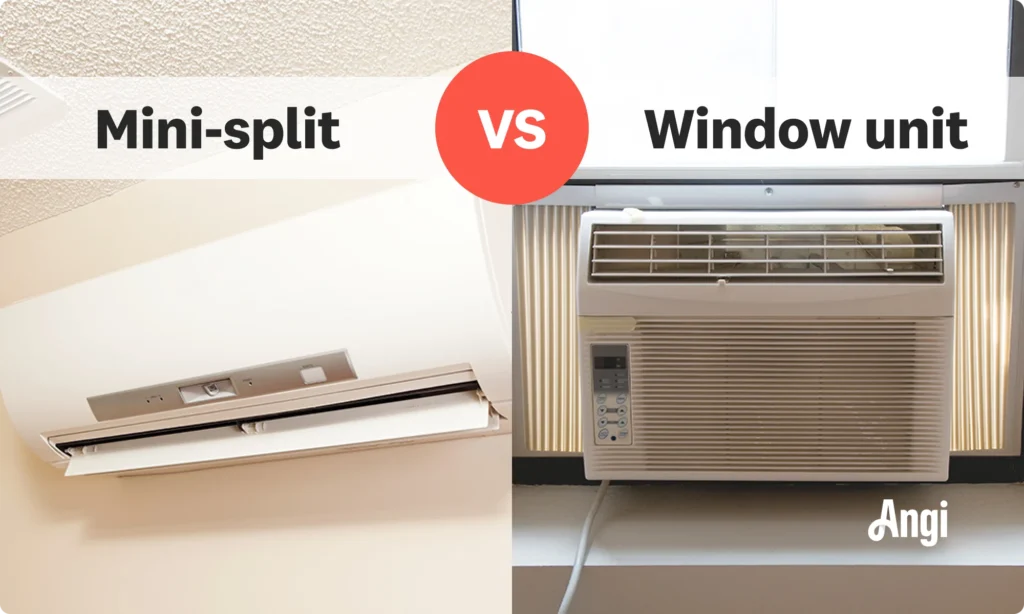
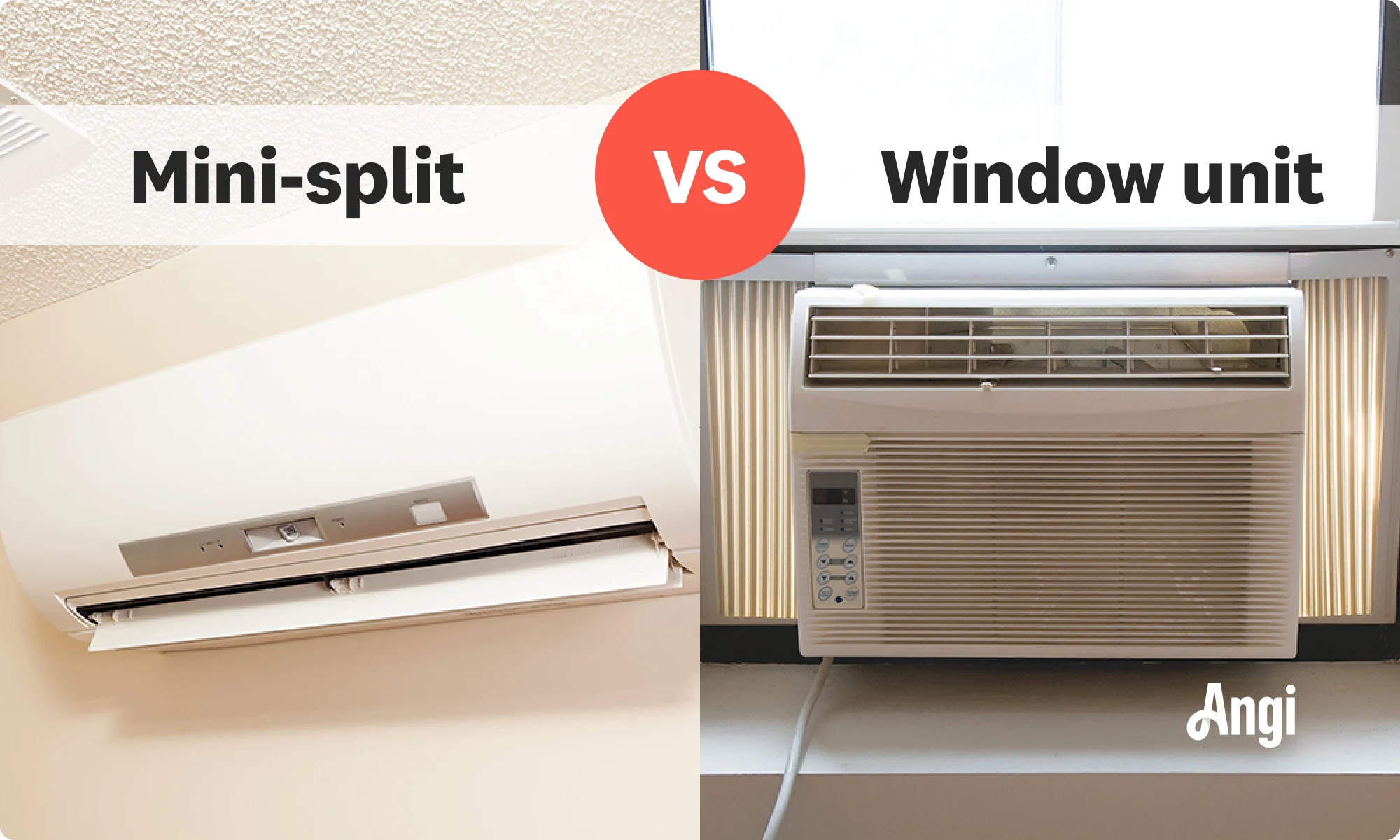
At first glance, a window air conditioner and a mini split system appear to serve the same purpose: cooling indoor air. However, they operate on fundamentally different principles. A window unit is a self‑contained, single‑room appliance that fits directly into a window opening. In contrast, a mini split (also called a ductless split system) consists of an outdoor condenser paired with one or more indoor air‑handling units mounted on walls or ceilings.
These structural distinctions affect everything from installation flexibility to noise levels. For instance, a window unit channels all mechanical components through the glass pane, which can lead to visible bulk and audible humming. Mini splits, on the other hand, hide the compressor outside, delivering quieter operation and a sleeker indoor profile.
Window Unit vs Mini Split: Installation Considerations
- Window Unit: Requires a compatible window, proper sealing, and sometimes a support bracket. Installation is a DIY‑friendly weekend project for most renters.
- Mini Split: Involves drilling a small hole for refrigerant lines, mounting the indoor unit, and connecting electrical components. Professional installation is recommended.
Because mini splits demand a more involved setup, they may seem daunting for first‑time homeowners. Yet the upfront effort often translates into better long‑term performance and flexibility—especially in homes with multiple zones.
Energy Efficiency and Operating Costs

Energy consumption is a decisive factor when weighing window unit vs mini split. Modern window units typically carry an Energy Efficiency Ratio (EER) between 8 and 12, while mini splits often boast Seasonal Energy Efficiency Ratios (SEER) of 18 to 24. The higher the SEER, the less electricity the system uses to produce the same amount of cooling.
In practical terms, a mini split can reduce your cooling bills by 30‑50% compared to a comparable window unit, especially in climates with long, hot summers. Additionally, mini splits feature inverter technology that adjusts compressor speed continuously, avoiding the on‑off cycling that wastes energy in traditional window units.
Window Unit vs Mini Split: Long‑Term Cost Breakdown
- Initial Purchase: Window units are generally cheaper, ranging from $150 to $600. Mini splits start around $800 for a single zone and can exceed $2,000 for multi‑zone kits.
- Installation: DIY window unit installation costs little beyond the unit itself. Mini split professional installation averages $500‑$1,200.
- Maintenance: Both require periodic filter cleaning, but mini splits also need refrigerant checks and occasional coil cleaning.
When you factor in the lower operating costs of mini splits, the total cost of ownership often favors them over a decade of use.
Design Impact: How Each System Shapes Your Space

From an interior design perspective, the visual footprint of your cooling solution matters. A window unit protrudes into the room, breaking the clean lines of a window view and potentially obstructing natural light. This can be especially problematic in small apartments where every square inch counts.
Mini splits, by contrast, blend into the room’s architecture. Their indoor heads are thin, often less than three inches deep, and can be mounted high on a wall or concealed within a ceiling drop. This allows you to preserve window aesthetics and maintain a cohesive look across different rooms.
For example, a living room with floor‑to‑ceiling windows benefits from a mini split that remains out of sight, letting the view dominate the space. Meanwhile, a studio apartment might opt for a low‑profile window unit if budget constraints outweigh design concerns. The key is aligning the cooling choice with your overall décor vision.
Styling Tips for Window Unit vs Mini Split Integration
- Use decorative covers or custom panels to disguise a window unit, matching the surrounding wall color.
- Choose a mini split indoor unit with a sleek finish—white, charcoal, or brushed metal—to complement modern interiors.
- Incorporate plants or a thin bookshelf around the window unit to soften its presence.
These simple tricks can turn a functional appliance into an understated part of your design scheme.
Comfort and Air Quality Benefits
Beyond temperature control, both systems influence indoor air quality. Window units typically recirculate indoor air, offering limited filtration. Mini splits, however, often come equipped with advanced filters that capture dust, pollen, and even certain allergens, contributing to healthier breathing environments.
Moreover, mini splits can provide both cooling and heating (heat pump models), delivering year‑round comfort without the need for separate furnaces or space heaters. This dual capability is especially valuable in regions with moderate winters, reducing the number of appliances cluttering your living spaces.
Window Unit vs Mini Split: Noise Levels
Noise is a common concern for homeowners, especially in bedrooms and home offices. Window units can generate noise levels of 50‑60 dB, audible enough to affect sleep or concentration. Mini splits, with the compressor located outdoors, typically operate at 30‑40 dB inside, making them virtually whisper‑quiet.
If you’re designing a tranquil bedroom retreat or a focused study area, the quieter operation of a mini split can be a decisive factor in the window unit vs mini split decision.
Quick Home Décor Tips for Cooling System Choices
- Blend a window unit into a gallery wall using a slim, custom frame that matches your artwork.
- Install a mini split near a focal point—such as a large abstract painting—to draw the eye upward.
- Use vertical blinds that slide above the window unit, creating a seamless look while allowing airflow.
- Pair a mini split with a ceiling fan for enhanced air circulation and energy savings.
Common Mistakes to Avoid When Choosing Between a Window Unit and Mini Split
Even seasoned DIYers can slip into pitfalls that diminish performance or aesthetics. Here are a few mistakes to watch for:
- Undersizing the Unit: Selecting a unit with insufficient BTU rating leads to constant running, higher energy bills, and reduced lifespan.
- Ignoring Placement: Installing a window unit too low can obstruct traffic flow; placing a mini split too close to a window may cause condensation.
- Skipping Professional Inspection: For mini splits, neglecting a proper load calculation can result in uneven cooling across zones.
- Neglecting Maintenance: Failing to clean filters regularly reduces efficiency and can cause unpleasant odors.
By addressing these common errors early, you ensure that your chosen system—whether a window unit or mini split—delivers optimal comfort and blends seamlessly with your home décor.
Frequently Asked Questions
Can a mini split replace a window unit in a single-room apartment?
Yes. Mini splits are ideal for single-room applications, offering quieter operation and better energy efficiency than window units. Their slim indoor heads can be mounted high on the wall, preserving valuable floor space.
Are window units suitable for renters?
Window units are often the go‑to solution for renters because they require no permanent modifications. As long as the lease permits, they can be installed and removed without damaging the property.
Do mini splits require ductwork?
No. The “ductless” in mini split refers to the absence of traditional ductwork. Each indoor unit connects directly to the outdoor compressor via a small refrigerant line, making installation flexible for retrofits.
How often should filters be cleaned on each system?
Window unit filters should be cleaned every 2‑4 weeks during heavy use. Mini split filters generally need cleaning every 4‑6 weeks, but consult the manufacturer’s guidelines for best results.
Can I use a mini split for heating in winter?
Many mini split models function as heat pumps, providing efficient heating in mild to moderate climates. They can replace space heaters and even supplement central heating in some homes.
What is the typical lifespan of each system?
Window units usually last 8‑12 years with proper maintenance. Mini splits, when professionally installed and regularly serviced, can operate effectively for 15‑20 years.
Choosing between a window unit and a mini split ultimately depends on your budget, space constraints, aesthetic preferences, and long‑term comfort goals. If you prioritize a low‑upfront cost and easy DIY installation, a window unit may be sufficient—especially for temporary or rental situations. However, if you value quieter operation, superior energy efficiency, and a design‑friendly profile, investing in a mini split is often the smarter, future‑proof choice.
Whatever path you take, remember that the right cooling system enhances not only temperature control but also the overall harmony of your living environment. For more ideas on integrating HVAC choices into a cohesive interior, explore our guide on living room décor with woven poufs or discover DIY apartment décor inspiration for small‑space solutions that work hand‑in‑hand with your cooling strategy.
Ready to elevate both comfort and style in your home? Take the time to assess your space, calculate your cooling load, and consider the long‑term financial and aesthetic impacts. The right decision—whether a window unit or a mini split—will keep you cool, save energy, and keep your interiors looking polished for years to come.