
Table of Contents
- White Laminated Glass vs Frosted Glass: Understanding the Basics
- Design Impact of White Laminated Glass vs Frosted Glass in Modern Interiors
- Performance and Energy Efficiency: White Laminated Glass vs Frosted Glass
- Safety, Security, and Durability: Comparing the Two Options
- Maintenance and Cleaning: Practical Tips for White Laminated Glass vs Frosted Glass
- Cost Considerations: Investing in White Laminated Glass vs Frosted Glass
- White Laminated Glass vs Frosted Glass – Maintenance Considerations
- Quick Home Décor Tips for Using White Laminated Glass and Frosted Glass
- Common Mistakes to Avoid When Choosing Between White Laminated Glass and Frosted Glass
- Frequently Asked Questions
White Laminated Glass vs Frosted Glass – Which Is Right for Your Modern Home?
When it comes to contemporary interiors, the choice of glazing can dramatically shape a room’s atmosphere. Two popular options—white laminated glass and frosted glass—offer distinct visual and functional qualities, yet many homeowners and designers aren’t sure which aligns best with their vision. Understanding the nuances of each material helps you make an informed decision that balances aesthetics, privacy, and durability.
In this deep‑dive guide, we’ll compare white laminated glass and frosted glass across several critical dimensions: visual impact, light transmission, privacy level, safety, energy performance, and long‑term maintenance. Along the way, you’ll find practical tips, real‑world examples, and answers to common questions so you can confidently select the glazing that elevates your space.
White Laminated Glass vs Frosted Glass: Understanding the Basics
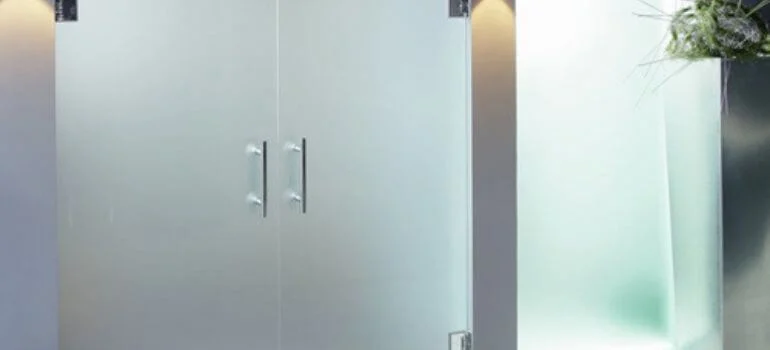
Both white laminated glass and frosted glass start with a standard glass pane, but the finishing processes set them apart. White laminated glass is created by bonding two or more glass layers with a clear interlayer, often PVB (polyvinyl butyral). The interlayer not only holds the glass together if it breaks but can also be tinted white, delivering a subtle, uniform opacity while maintaining a sleek, modern look.
Frosted glass, on the other hand, achieves its characteristic matte finish through sandblasting, acid etching, or applying a translucent film. The result is a surface that diffuses light, obscuring clear views while still allowing a gentle glow to pass through. This makes frosted glass a favorite for privacy‑focused areas such as bathrooms and conference rooms.
Choosing between these two often hinges on the specific design goals of a room. If you’re aiming for a clean, minimal aesthetic with a hint of translucency, white laminated glass might be the answer. For a more pronounced privacy effect with a soft, diffused glow, frosted glass could be the better fit.
Design Impact of White Laminated Glass vs Frosted Glass in Modern Interiors
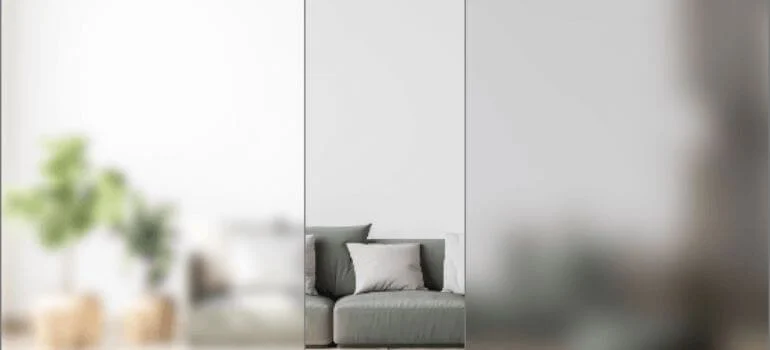
From a visual standpoint, white laminated glass offers a crisp, contemporary vibe that pairs effortlessly with metallic accents, monochrome palettes, and open‑plan layouts. Its subtle opacity can make large glass partitions feel lighter, preserving sightlines while still providing a gentle screen. This makes it an excellent choice for stylish bedroom decorating ideas for a modern sanctuary, where a sense of spaciousness is prized.
Frosted glass, by contrast, introduces texture and depth. The matte surface creates a soft backdrop that can accentuate surrounding décor elements—think vibrant artwork or striking light fixtures. In kitchens, frosted glass cabinet doors can hide clutter while allowing ambient light to permeate, contributing to a warm, inviting atmosphere.
Both options can be used creatively in small apartments or urban lofts where every square foot matters. White laminated glass can visually expand a compact living room by maintaining an open feel, while frosted glass can define zones—like a reading nook or a home office—without erecting bulky walls.
Performance and Energy Efficiency: White Laminated Glass vs Frosted Glass
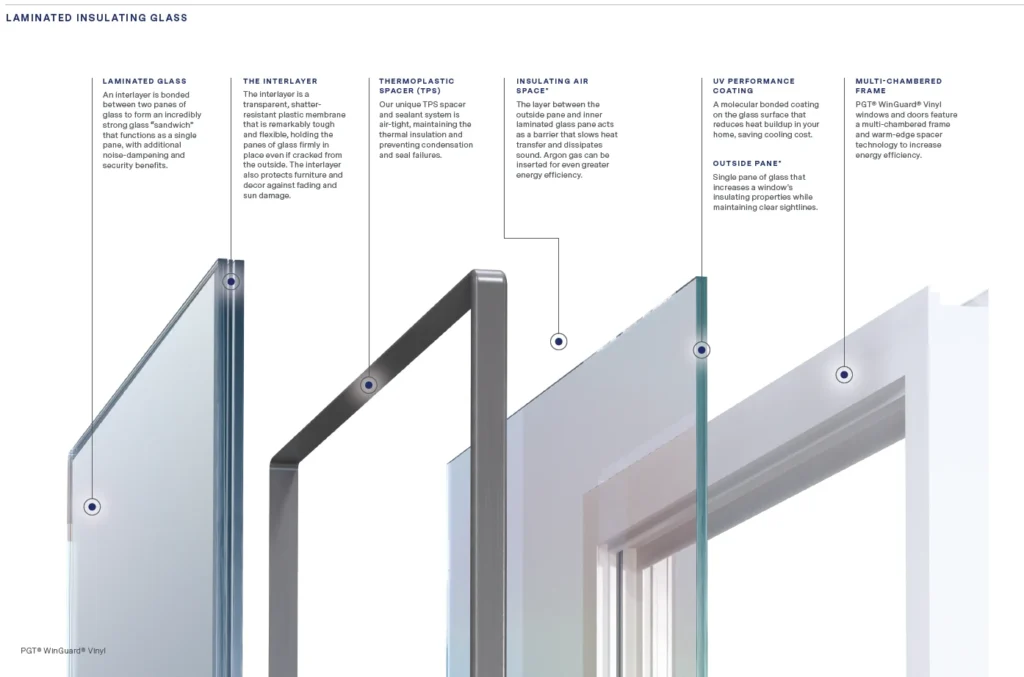
Energy performance often influences material selection, especially in climates with extreme temperatures. White laminated glass benefits from the insulating properties of its interlayer, which can reduce heat transfer and improve sound insulation. The added layer of PVB acts as a barrier, keeping interiors cooler in summer and warmer in winter, which can translate into lower utility bills.
Frosted glass, while excellent at diffusing light, typically offers less thermal insulation because the frosting process does not add any additional layers. However, manufacturers can pair frosted glass with low‑emissivity (Low‑E) coatings to boost its energy‑saving capabilities. When combined with double‑glazing, frosted glass can still meet modern efficiency standards.
Overall, if thermal performance is a top priority—such as in a sun‑filled living room—white laminated glass may give you the edge. For spaces where privacy and aesthetic texture outweigh heat considerations, frosted glass remains a versatile contender.
Safety, Security, and Durability: Comparing the Two Options
Safety is a non‑negotiable factor for any glazing material. White laminated glass shines in this category because the interlayer holds shattered shards together, dramatically reducing injury risk. This safety feature makes it a popular choice for high‑traffic areas like stairwells, balconies, and homes with children or pets. It also offers an added layer of security against break‑ins, as the glass is harder to penetrate.
Frosted glass, unless it is also laminated, does not provide the same level of breakage resistance. Standard frosted panels can shatter like regular glass, which could pose a hazard in bustling households. To mitigate this, many designers opt for frosted laminated glass—essentially combining the privacy of frosting with the safety of lamination.
Durability also differs: white laminated glass maintains its appearance over time, resisting scratches and UV‑induced discoloration. Frosted glass can become clouded or develop surface scratches if not properly maintained, especially in high‑traffic zones. When choosing, consider the long‑term wear patterns of the space.
Maintenance and Cleaning: Practical Tips for White Laminated Glass vs Frosted Glass
Both glazing types are relatively easy to clean, but each has nuances. White laminated glass’s smooth surface allows for routine cleaning with a soft microfiber cloth and a mild glass cleaner. Because the interlayer is sealed, you won’t see streaks or residues if you avoid abrasive pads.
Frosted glass requires a gentler touch. The textured surface can trap dust, so using a non‑abrasive cleaner and a soft brush or sponge is advisable. Avoid harsh chemicals that could etch the frosting further. For stubborn spots, a mixture of warm water and a few drops of dish soap works well, followed by a thorough rinse to prevent film buildup.
Here are three quick actions to keep both options looking fresh:
- Dust weekly with a lint‑free cloth to prevent grime from settling.
- Use distilled water for final rinses to avoid mineral streaks.
- Inspect the interlayer of laminated glass annually for any delamination signs.
For homeowners with pets, the durability of white laminated glass can be especially reassuring. If you’re curious about pet‑friendly design, check out our guide on balancing cleanliness and canine comfort in modern home design.
Cost Considerations: Investing in White Laminated Glass vs Frosted Glass
Budget often dictates the final decision. White laminated glass generally commands a higher price point due to the additional interlayer material and the manufacturing process involved. However, its safety, acoustic insulation, and energy‑saving benefits can offset the initial outlay over the life of the installation.
Frosted glass is typically more affordable, especially when applied as a surface treatment on standard glass panels. The cost advantage makes it attractive for large‑scale projects, such as office partitions or budget‑friendly bathroom remodels. Yet, if you need both privacy and safety, the added expense of frosted laminated glass should be factored into the total cost.
When planning, consider the long‑term value: a slightly higher investment in white laminated glass could reduce heating and cooling expenses, while frosted glass might require more frequent replacement in high‑traffic zones.
White Laminated Glass vs Frosted Glass – Maintenance Considerations
Maintenance schedules differ subtly but importantly. White laminated glass benefits from its sealed construction; you’ll rarely need to address fogging or moisture between layers. Frosted glass, particularly if it’s a film‑based frosting, may develop bubbles or peeling over years of exposure to sunlight and temperature fluctuations. Regular visual inspections help you catch early signs of wear.
Cleaning frequency also varies. High‑traffic frosted partitions may need a gentle cleaning twice a month, whereas white laminated glass in a quiet hallway might only need a quarterly wipe‑down. By aligning the maintenance routine with the material’s demands, you preserve both aesthetics and performance.
Quick Home Décor Tips for Using White Laminated Glass and Frosted Glass
- Pair white laminated glass with chrome or brushed‑nickel hardware for a sleek, industrial look.
- Layer frosted glass panels with colorful backlighting to create a dramatic, illuminated effect.
- Combine both types in an open‑plan home—use laminated glass for the main visual flow and frosted sections for private niches.
- Install frosted glass on bathroom windows to let natural light in while maintaining modesty.
- Consider white laminated glass for balcony railings to keep views unobstructed yet safe.
Common Mistakes to Avoid When Choosing Between White Laminated Glass and Frosted Glass
- Overlooking privacy needs: Selecting white laminated glass for a bathroom without additional privacy measures can lead to uncomfortable exposure.
- Ignoring UV exposure: In sun‑intense regions, frosted glass may yellow over time if not treated with UV‑resistant coatings.
- Neglecting safety: Using non‑laminated frosted glass in homes with children or pets increases breakage risk.
- Underestimating cleaning effort: Assuming frosted glass is maintenance‑free can result in stubborn stains that mar its appearance.
- Skipping professional installation: Improper sealing of laminated glass can cause delamination, compromising both safety and insulation.
Frequently Asked Questions
What is the main visual difference between white laminated glass and frosted glass?
White laminated glass offers a uniform, slightly translucent appearance that still lets shapes be discerned, while frosted glass creates a matte surface that completely obscures details, allowing only diffused light to pass through.
Can I use frosted glass in a bathroom without compromising natural light?
Yes. Frosted glass lets ample daylight filter in, creating a bright yet private environment. Pairing it with skylights or strategically placed mirrors can further enhance illumination.
Is white laminated glass more energy‑efficient than frosted glass?
Generally, yes. The interlayer in white laminated glass provides added insulation and sound dampening. Frosted glass can approach similar performance when combined with Low‑E coatings and double glazing, but on its own it offers less thermal resistance.
How does each material affect sound transmission?
White laminated glass significantly reduces sound transmission due to its multi‑layer construction. Frosted glass, unless laminated, does not offer the same acoustic benefits, though the texture can slightly diffuse sound.
Are there eco‑friendly options for either glazing type?
Both can be produced with recycled glass content. Additionally, white laminated glass that incorporates a PVB interlayer is often recyclable, and frosted glass made through sandblasting avoids chemical processes, making it a greener choice when sourced responsibly.
Can I install frosted film on white laminated glass?
Absolutely. Applying a frosted film to laminated glass combines the safety of lamination with the privacy of frosting, creating a hybrid solution that’s popular in contemporary offices and homes.
For more ideas on integrating glass elements into compact living spaces, explore our article on simple balcony relaxation décor ideas for small urban spaces.
Choosing between white laminated glass and frosted glass ultimately depends on your project’s priorities: visual style, privacy level, safety requirements, energy performance, and budget. By weighing these factors and applying the tips shared above, you’ll be equipped to make a confident decision that enhances both function and aesthetic appeal in your home.