
Table of Contents
- How to Hide Carpet Seams: Planning and Preparation
- Blending Fibers: The Art of Seam Taping and Seaming
- How to Hide Carpet Seams with Transition Strips
- Strategic Furniture Placement to Camouflage Seams
- Using Decorative Rugs and Mats as Seam Disguises
- Quick Tips for Immediate Seam Camouflage
- Common Mistakes When Trying to Hide Carpet Seams
- Frequently Asked Questions
- Can I hide carpet seams without professional tools?
- Is it better to replace the carpet or hide the seams?
- Do patterned carpets hide seams better than solid colors?
- How long does a seam tape last?
- Can I use paint to hide a carpet seam?
- What should I do if the seam becomes visible over time?
- Conclusion
How to Hide Carpet Seams – Simple Tips for a Flawless Look
Carpet seams are a common challenge in both new installations and older homes. Even the most beautiful rug can look dated if the joint between two pieces draws the eye. Knowing how to hide carpet seams not only improves the visual continuity of a room but also extends the lifespan of the floor by reducing wear at the joint.
Whether you’re a homeowner tackling a DIY project, a renter looking for quick fixes, or an interior design enthusiast seeking polished results, this guide will walk you through practical methods, design considerations, and common pitfalls. By the end, you’ll have a toolbox of techniques—from seamless blending with matching fibers to clever use of moldings—that will let you enjoy a flawless carpet surface in any space.
How to Hide Carpet Seams: Planning and Preparation
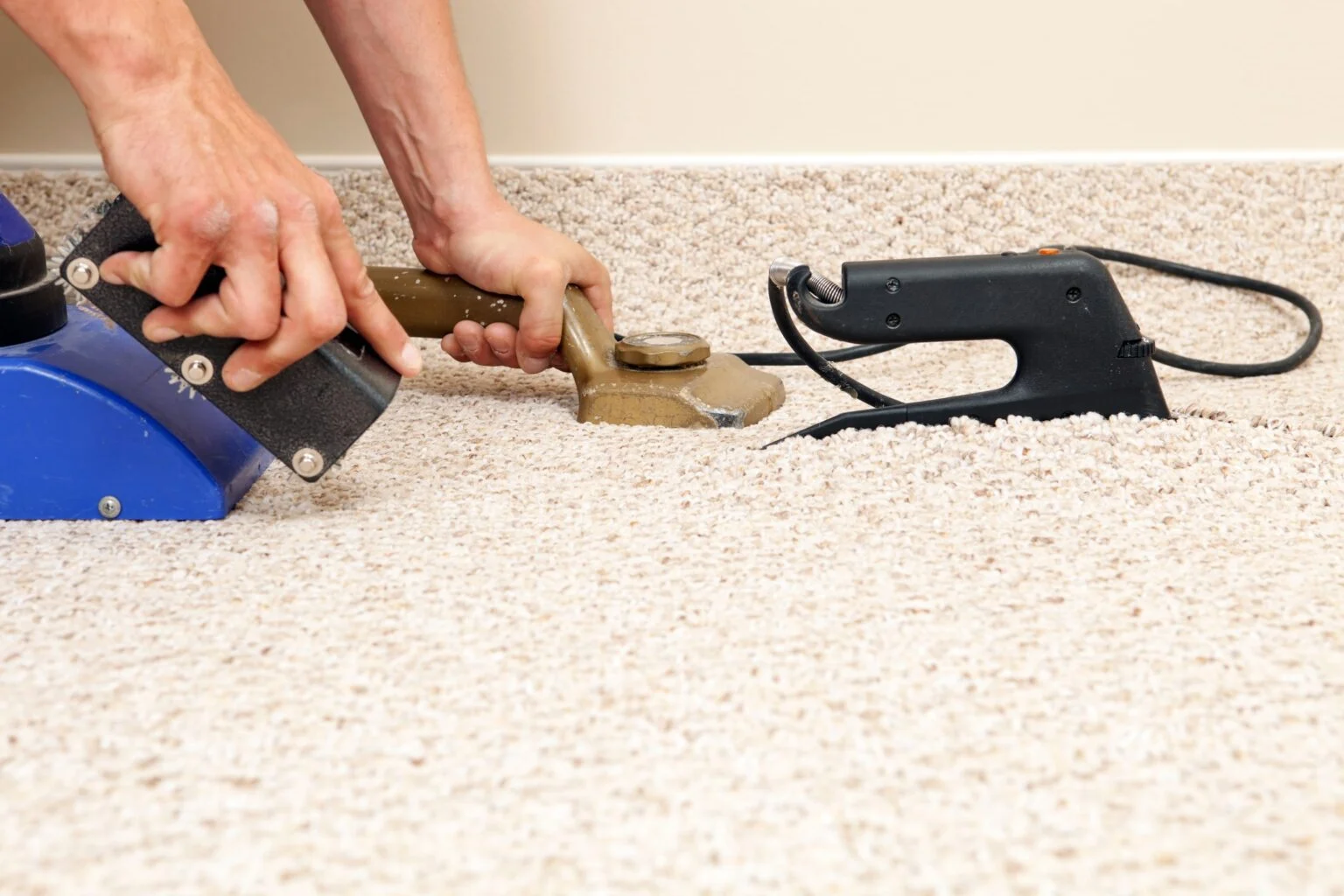
The first step in mastering how to hide carpet seams is a solid plan. Measure the room carefully and map out the layout before you even unroll the first strip. Identify high‑traffic zones, natural sight lines, and any architectural features that can help disguise a joint.
Choosing the right carpet type matters, too. Loop‑piled or plush textures tend to mask seams better than low‑pile options because the fibers can be brushed together to create a smoother transition. When possible, select a carpet with a subtle pattern; the pattern itself can distract the eye from the seam.
Finally, invest in a professional-grade seam tape and a high‑quality carpet cutter. Precise cuts reduce the width of the joint, making it easier to conceal later. If you’re unsure about the best tools, a quick read on hardwood floor widths can give you a sense of how precise cuts affect overall aesthetics.
Blending Fibers: The Art of Seam Taping and Seaming
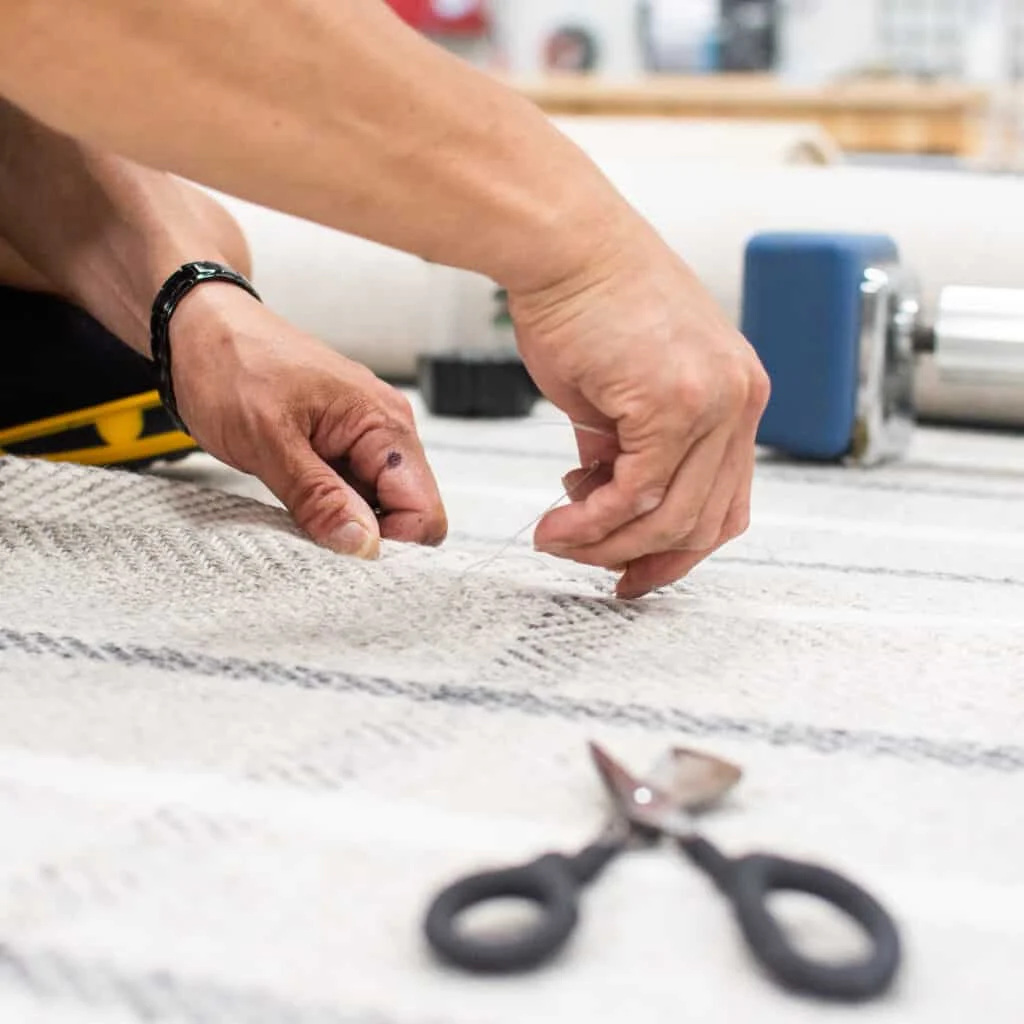
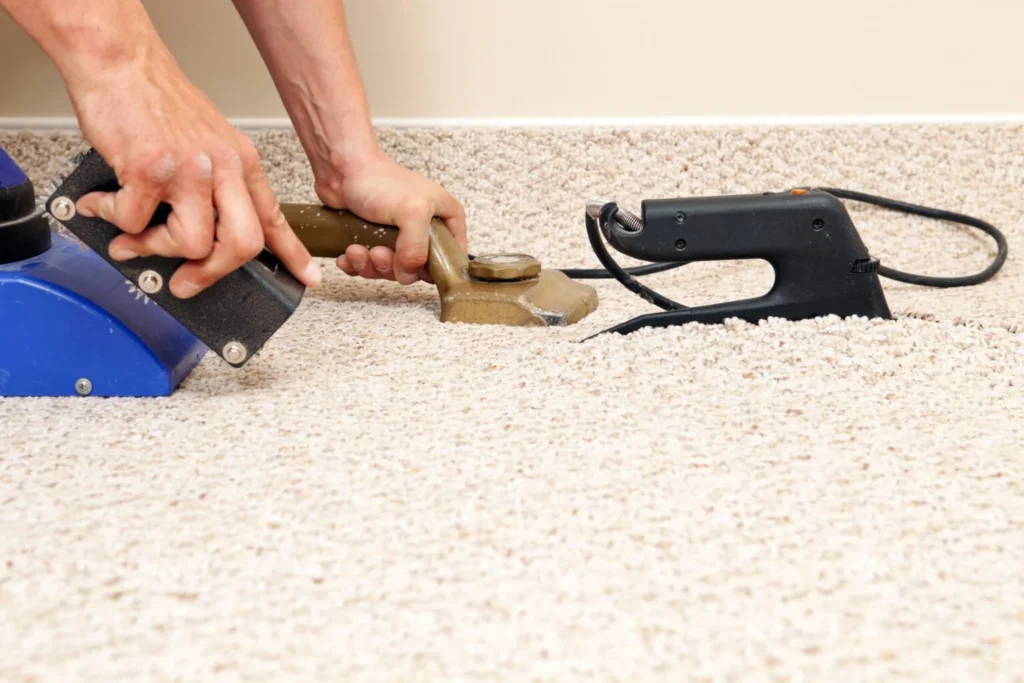
Seam tape is the backbone of any successful effort to hide carpet seams. Apply a thin layer of adhesive on both sides of the tape, then press the carpet edges together while the adhesive is still tacky. Use a seam roller to flatten the joint and ensure a tight bond.
For an extra level of invisibility, brush the fibers across the seam with a carpet brush. This technique, known as “brushing the seam,” lifts the pile on either side, allowing the fibers to interlock naturally. The result is a seamless appearance that mimics a single piece of carpet.
If the carpet has a directional pattern, align the pattern carefully before sealing the seam. Misaligned designs are a giveaway that a joint exists, no matter how well the tape is applied.
How to Hide Carpet Seams with Transition Strips
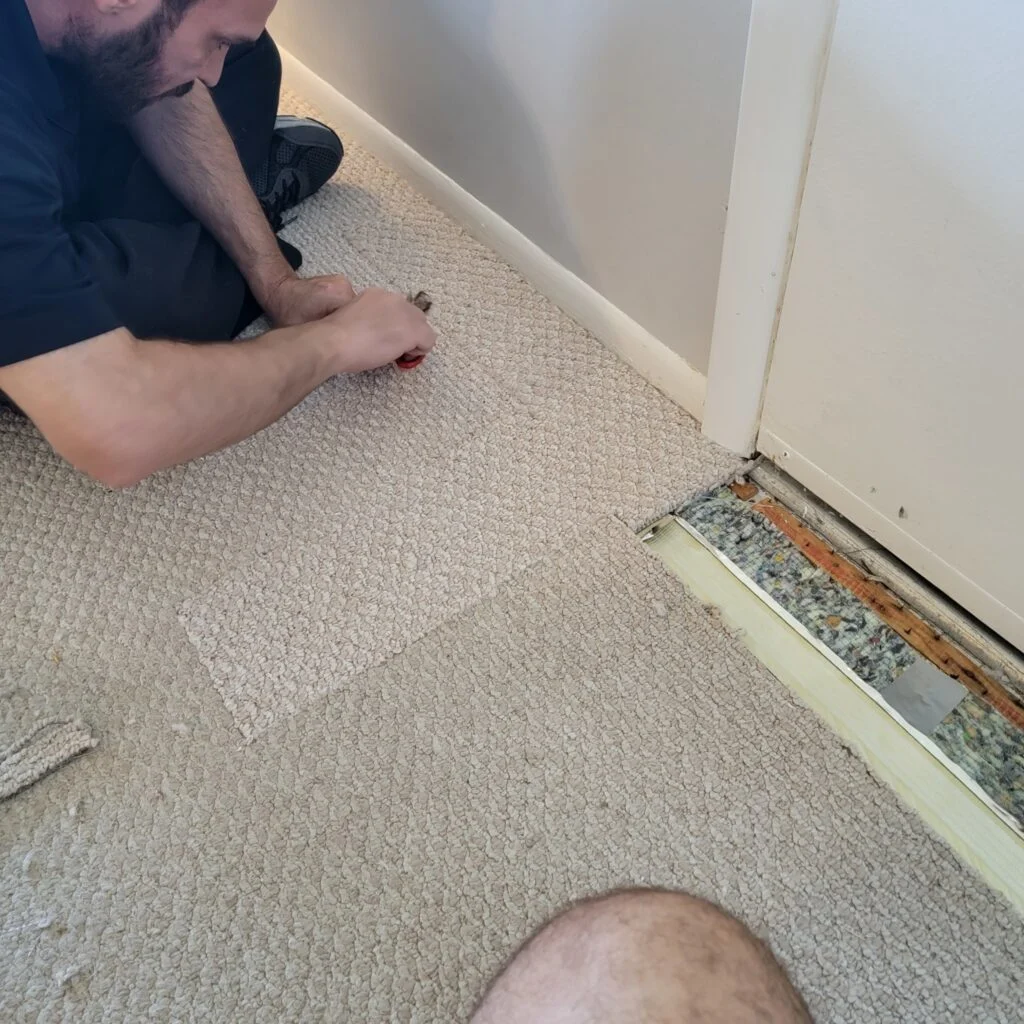
Transition strips are decorative moldings that bridge two flooring types—or two carpet pieces. When used creatively, they become a stylish way to conceal a joint while adding a design element to the room.
Choose a strip that matches the carpet’s color or a complementary tone. Metal, wood, or rubber options each bring a different vibe. For a modern look, a sleek metal strip in brushed nickel works well in living rooms; for a cozy bedroom, a painted wood strip can blend seamlessly with the wall color.
Installation is simple: cut the strip to length, apply a thin bead of construction adhesive, and press it over the seam. The strip not only hides the joint but also protects it from foot traffic, extending the carpet’s life.
Strategic Furniture Placement to Camouflage Seams
Furniture can be an ally when learning how to hide carpet seams. Position larger pieces—sofas, beds, or dining tables—directly over the seam. A well‑placed rug can also serve as a visual buffer, especially in living rooms where layered flooring is common.
When arranging a bedroom, consider the bed’s headboard as a natural divider. Place the seam directly behind it, and the eye will be drawn to the headboard rather than the carpet joint. For a cohesive look, reference our article on Minimalist Small Bedroom Design: Space‑Saving Style Tips for arranging furniture in tight spaces while still hiding imperfections.
In open‑plan areas, use a console table or a narrow bookshelf to split the room. The piece should be tall enough to draw attention upward, diverting focus from the floor.
Using Decorative Rugs and Mats as Seam Disguises
Rugs are more than just accents; they are functional tools for hiding carpet seams. Choose a rug that is slightly larger than the seam area, allowing it to sit comfortably over the joint without bunching.
Patterned rugs work especially well because their visual complexity distracts from any underlying seams. A geometric rug in the living room can mask a seam that runs perpendicular to the seating arrangement, while a soft, neutral rug in a bedroom can subtly blend the joint into the overall color palette.
If you’re concerned about the rug slipping, add a non‑slip rug pad beneath it. This not only keeps the rug in place but also adds a layer of cushioning that protects the seam from wear.
Quick Tips for Immediate Seam Camouflage
- Apply a thin layer of carpet sealer over the seam to reduce reflectivity.
- Use a low‑profile transition strip in high‑traffic corridors.
- Place a decorative floor lamp or plant pot strategically to draw the eye away from the joint.
- Blend a matching wall color with the carpet edge for a seamless visual line.
- Brush the seam with a carpet brush after any foot traffic to keep fibers aligned.
Common Mistakes When Trying to Hide Carpet Seams
Even seasoned DIYers can stumble over a few traps. One frequent error is cutting the carpet too long, which creates a bulky overlap that is impossible to conceal. Always cut a small overhang—about ¼ inch—and trim it after the seam is taped.
Another pitfall is neglecting to test the adhesive on a hidden area first. Some adhesives can discolor certain carpet fibers, making the seam more noticeable. A quick spot test saves time and prevents costly re‑work.
Finally, avoid using overly shiny transition strips on matte carpet. The contrast can highlight the seam rather than hide it. Choose a finish that harmonizes with the carpet’s texture.
Frequently Asked Questions
Can I hide carpet seams without professional tools?
Yes. Basic seam tape, a carpet brush, and a small seam roller are enough for most DIY projects. For larger rooms, consider renting a power seamer to ensure a tighter bond.
Is it better to replace the carpet or hide the seams?
If the seams are in a highly visible area and the carpet is old, replacement may be the most aesthetic solution. However, hiding seams is cost‑effective and works well for newer installations.
Do patterned carpets hide seams better than solid colors?
Generally, patterned carpets distract the eye, making seams less noticeable. Solid colors require precise alignment and may benefit from additional disguising techniques like transition strips.
How long does a seam tape last?
High‑quality seam tape can last 10‑15 years when properly installed and maintained. Regular vacuuming and avoiding heavy furniture directly on the seam prolongs its life.
Can I use paint to hide a carpet seam?
Painting carpet is not recommended, as it can damage fibers and create an uneven surface. Stick to seam tape, brushes, and moldings for a clean, lasting result.
What should I do if the seam becomes visible over time?
Re‑brush the seam, apply a fresh strip of seam tape, or add a decorative rug to cover the area. Regular maintenance prevents the seam from becoming a focal point.
Conclusion
Mastering how to hide carpet seams is a blend of careful planning, the right tools, and creative design choices. By selecting appropriate carpet types, using seam tape correctly, and leveraging furniture, rugs, and transition strips, you can achieve a seamless floor that enhances any room’s aesthetic. Remember to avoid common mistakes, maintain the seam regularly, and consider quick fixes when needed. With these strategies, your carpet will look flawless, allowing you to focus on the rest of your interior design journey. For more inspiration, explore our other guides on modern décor and room‑by‑room styling.