
Table of Contents
- Understanding vinyl vs composite windows: Core Differences
- vinyl vs composite windows: Which Holds Up Better in Harsh Climates?
- Performance and Energy Efficiency of vinyl vs composite windows
- Aesthetic Flexibility and Design Options
- vinyl vs composite windows: Maintenance Tips for Homeowners
- Installation, Maintenance, and Longevity
- Cost Considerations and Return on Investment
- Environmental Impact and Sustainability
- Choosing the Right Window for Your Home Style
- Quick Tips for Selecting Windows
- Common Mistakes to Avoid When Replacing Windows
- Frequently Asked Questions
Vinyl vs Composite Windows: Which Is Best for Modern Home Décor?
When it comes to updating a home’s façade or interior openings, the choice of window material can feel overwhelming. Two popular options—vinyl and composite—promise durability, energy savings, and aesthetic appeal, but each brings its own set of strengths and trade‑offs. Homeowners, renters, and interior‑design enthusiasts alike want a clear picture of how these materials perform in real‑world settings, how they impact a room’s look, and whether the investment aligns with long‑term goals.
In this article we’ll break down the essential factors that separate vinyl vs composite windows, from thermal performance and maintenance routines to design flexibility and environmental considerations. By the end, you’ll have a practical framework for deciding which window type fits your style, budget, and sustainability values.
Understanding vinyl vs composite windows: Core Differences
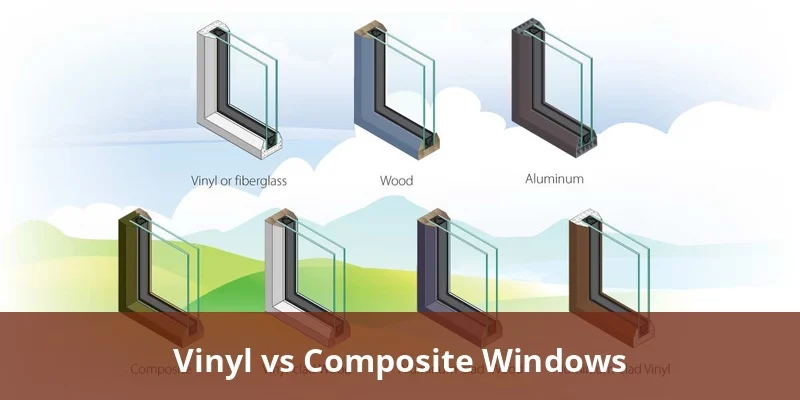
At first glance, vinyl and composite windows appear similar—both are fabricated from engineered materials and often come pre‑finished. However, the raw ingredients and manufacturing processes differ markedly. Vinyl windows are made primarily from polyvinyl chloride (PVC) resin, reinforced with stabilizers to resist UV degradation. Composite windows blend wood fibers, polymer resins, and sometimes recycled plastics, creating a hybrid that mimics wood’s warmth while offering the low‑maintenance benefits of synthetic materials.
This structural distinction influences everything from weight to structural integrity. Vinyl frames are typically lighter, making them easier to handle during installation, while composite frames carry a heftier feel that can convey a sense of solidity, especially on larger openings. Understanding these baseline differences is the first step in navigating the vinyl vs composite windows conversation.
vinyl vs composite windows: Which Holds Up Better in Harsh Climates?
Climate plays a pivotal role in material performance. Vinyl excels in moderate temperature zones because the plastic does not expand or contract dramatically. In extreme cold, however, some vinyl formulations may become brittle, while intense heat can cause slight warping if the UV inhibitors are insufficient. Composite windows, thanks to their wood‑fiber core, tend to manage temperature fluctuations more gracefully, maintaining shape and strength across a broader range of conditions. For homes located in coastal areas with salty air or regions that experience heavy snowfall, composite can offer a marginal edge in resilience.
Performance and Energy Efficiency of vinyl vs composite windows
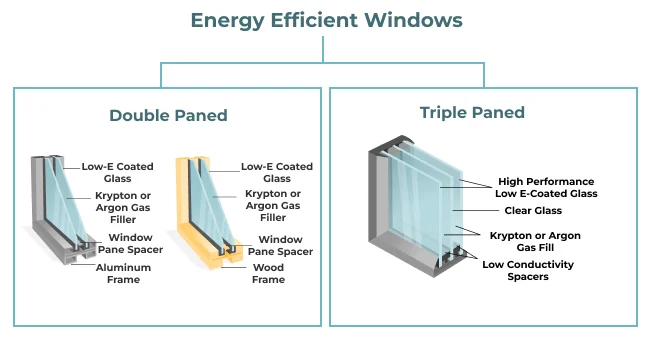
Energy efficiency is often the headline reason homeowners replace windows. Vinyl frames naturally incorporate multiple chambers that trap air, creating an effective thermal barrier. When paired with low‑emissivity (Low‑E) glass, vinyl windows can achieve impressive R‑values that meet or exceed ENERGY STAR requirements.
Composite windows also provide solid insulation, but they typically rely on the wood‑fiber core’s natural thermal mass combined with insulating glass units. The result can be comparable energy performance, especially when high‑quality composites are used. In practice, the difference in annual heating and cooling costs between a well‑installed vinyl and a premium composite unit is usually modest—often within 2‑5%.
For those seeking the highest possible efficiency, consider adding external shading devices, such as awnings or interior blinds, regardless of whether you choose vinyl or composite. Pairing these strategies with double‑ or triple‑pane glass maximizes the energy‑saving potential.
Aesthetic Flexibility and Design Options

Design is where the vinyl vs composite windows debate becomes subjective. Vinyl frames traditionally come in a limited palette of colors—white, beige, and a few muted tones—because the material is painted during manufacturing. Modern advances have expanded the range, but the finish still feels more uniform and less “hand‑crafted.”
Composite windows, on the other hand, can be finished to resemble natural wood grain, painted, or even stained. The wood‑fiber core accepts a variety of coatings, allowing designers to match existing trim or create contrast. This flexibility makes composite a favorite for historic renovations or homes where architectural authenticity matters.
For inspiration on how window styling integrates with overall décor, check out how to decorate your home to give a warm welcome. The guide demonstrates how coordinated window finishes can enhance living‑room ambience and hallway flow.
vinyl vs composite windows: Maintenance Tips for Homeowners
Maintenance requirements differ subtly. Vinyl windows are essentially “set it and forget it.” A simple wipe with a mild soap solution keeps the frame looking fresh, and the color doesn’t fade quickly thanks to embedded UV inhibitors. Composite windows need a bit more attention: while the outer polymer skin resists moisture, the wood‑fiber core can benefit from occasional resealing, especially in high‑humidity climates. Using a water‑repellent finish every few years can prolong the look and prevent swelling.
Installation, Maintenance, and Longevity
Installation expertise influences the lifespan of any window system. Vinyl’s lighter weight simplifies handling, reducing the risk of frame distortion during placement. However, because vinyl expands and contracts with temperature, proper spacing and insulation are crucial to avoid air leaks. Composite frames, being heavier, often require reinforced anchoring, but they tend to stay true to shape over decades, even under constant exposure to the elements.
In terms of warranty, manufacturers typically offer longer coverage for vinyl—often 20–30 years—reflecting confidence in the material’s durability. Composite warranties may be slightly shorter, ranging from 15–20 years, but they frequently include clauses that cover structural integrity, acknowledging the material’s robust core.
Cost Considerations and Return on Investment
Budget is a decisive factor for most remodels. Vinyl windows generally have a lower upfront cost, making them attractive for large‑scale replacements where each unit adds up. Composite windows, due to the blend of wood fibers and resins, command a higher price tag—often 15–30% more per square foot. That said, the perceived value can translate into a stronger resale appeal, particularly in markets that prize premium finishes.
When evaluating ROI, consider not just purchase price but also long‑term savings. The marginal energy efficiency advantage of composite may offset its higher cost in colder climates, while the minimal maintenance of vinyl can reduce labor expenses over time. For a deeper brand‑specific comparison, read our ply gem windows vs andersen – a homeowner’s complete guide, which outlines how pricing structures differ across major manufacturers.
Environmental Impact and Sustainability
Sustainability concerns have nudged many homeowners toward greener building products. Vinyl production involves PVC, a plastic derived from petroleum, and its manufacturing process can emit volatile organic compounds (VOCs). Recycling options exist, but they are not as widespread as for other materials.
Composite windows often incorporate recycled wood fibers and plastics, reducing reliance on virgin resources. The blend also typically results in a lower overall carbon footprint because the manufacturing temperature is lower than that required for pure PVC extrusion. If environmental stewardship is a priority, composite may align better with green‑building certifications such as LEED.
Regardless of choice, selecting low‑emissivity glass and ensuring proper installation are the most impactful steps toward reducing a home’s carbon footprint.
Choosing the Right Window for Your Home Style
Ultimately, the decision between vinyl vs composite windows hinges on how each material fits the aesthetic, functional, and budgetary goals of your project. If you prioritize a sleek, low‑maintenance solution with a modest price, vinyl is a strong contender. If you desire a more authentic wood appearance, greater structural heft, and a greener material profile, composite may be worth the extra investment.
Take a moment to assess the architectural language of your home: a mid‑century modern residence often looks best with minimalist vinyl frames, while a craftsman‑style bungalow benefits from the warmth of composite finishes. Pair your window selection with cohesive décor elements—think coordinated curtain rods, blinds, and trim paint—to create a seamless look.
Quick Tips for Selecting Windows
- Verify the ENERGY STAR rating for any window you consider; both vinyl and composite can meet high standards.
- Request a sample of the finish and test it against your existing interior colors before committing.
- Ask the installer about proper flashing techniques—this prevents moisture intrusion regardless of material.
- Consider adding exterior awnings or interior blinds for extra energy control.
- Check local building codes; some regions have specific requirements for window impact resistance.
Common Mistakes to Avoid When Replacing Windows
- Choosing based solely on price. The cheapest option may incur higher long‑term maintenance or energy costs.
- Neglecting proper installation. Even the best vinyl or composite window will underperform if the frame is not square or sealed correctly.
- Ignoring climate suitability. Vinyl can become brittle in extreme cold; composite may expand slightly in very hot, humid environments.
- Overlooking warranty details. Some warranties are voided by improper cleaning agents or DIY repairs.
- Forgetting about style cohesion. Windows are focal points; mismatched finishes can disrupt the flow of a living‑room décor scheme.
Frequently Asked Questions
Can vinyl windows be painted after installation?
Vinyl frames are coated during manufacturing, and painting over them can cause cracking or peeling. If a new color is essential, choose a pre‑finished vinyl option that matches your desired hue.
Do composite windows require professional refinishing?
While composite frames can be sanded and repainted, most homeowners rely on professional services to ensure the finish adheres properly and retains its water‑resistance qualities.
Which material offers better sound insulation?
Both vinyl and composite can achieve high sound‑reduction ratings when combined with double or triple glazing. Composite’s denser core may provide a slight edge in very noisy urban settings.
Are there any health concerns associated with PVC in vinyl windows?
Modern vinyl formulations are low‑emission and meet strict indoor‑air-quality standards. However, if you have extreme sensitivities, composite’s wood‑based composition may feel more natural.
How does the lifespan of vinyl compare to composite?
Vinyl windows typically last 20‑30 years with minimal upkeep. Composite windows can exceed 30 years, especially when the exterior finish is maintained, making them a long‑term investment.
Choosing between vinyl vs composite windows is rarely a one‑size‑fits‑all decision. By weighing performance, aesthetics, cost, and sustainability, you can select the solution that not only enhances your home’s visual appeal but also contributes to comfort and energy savings for years to come. For more ideas on how to blend window choices with overall interior styling, explore our resources on balcony lighting decoration ideas. Happy remodeling!