
Table of Contents
- Understanding the Valspar 2000 vs 4000 Paint Lines
- Valspar 2000 vs 4000 Paint – Color Range and Finish Options
- Performance and Durability: Real‑World Testing
- Cost Considerations and Value Over Time
- Choosing the Right Paint for Specific Rooms
- Quick Home Décor Tips Using Valspar Paint
- Common Mistakes to Avoid When Using Valspar Paint
- Frequently Asked Questions
- Conclusion
Valspar 2000 vs 4000 Paint – Which Finish Wins for Modern Home Décor
Choosing the right paint can feel like navigating a maze of numbers, finishes, and brand promises. For homeowners and renters who value both style and longevity, the decision often narrows down to a few trusted product families. Valspar, a long‑standing name in the paint industry, offers two popular interior lines: the 2000 series and the 4000 series. Understanding the nuances between these collections helps you avoid costly re‑paints and ensures each room reflects your design vision.
In this guide we’ll break down the essential characteristics of Valspar 2000 vs 4000 paint, explore where each shines, and provide practical tips for applying them in real‑world spaces. Whether you’re refreshing a compact bedroom, updating a high‑traffic kitchen, or creating a calm bathroom sanctuary, the right Valspar choice can elevate the overall aesthetic while protecting the walls for years to come.
We’ll also sprinkle in a few design ideas—like pairing a neutral paint backdrop with bold artwork—to show how the right finish integrates seamlessly with broader home décor trends. By the end of this article you’ll feel confident selecting the perfect Valspar product for every surface in your home.
Understanding the Valspar 2000 vs 4000 Paint Lines
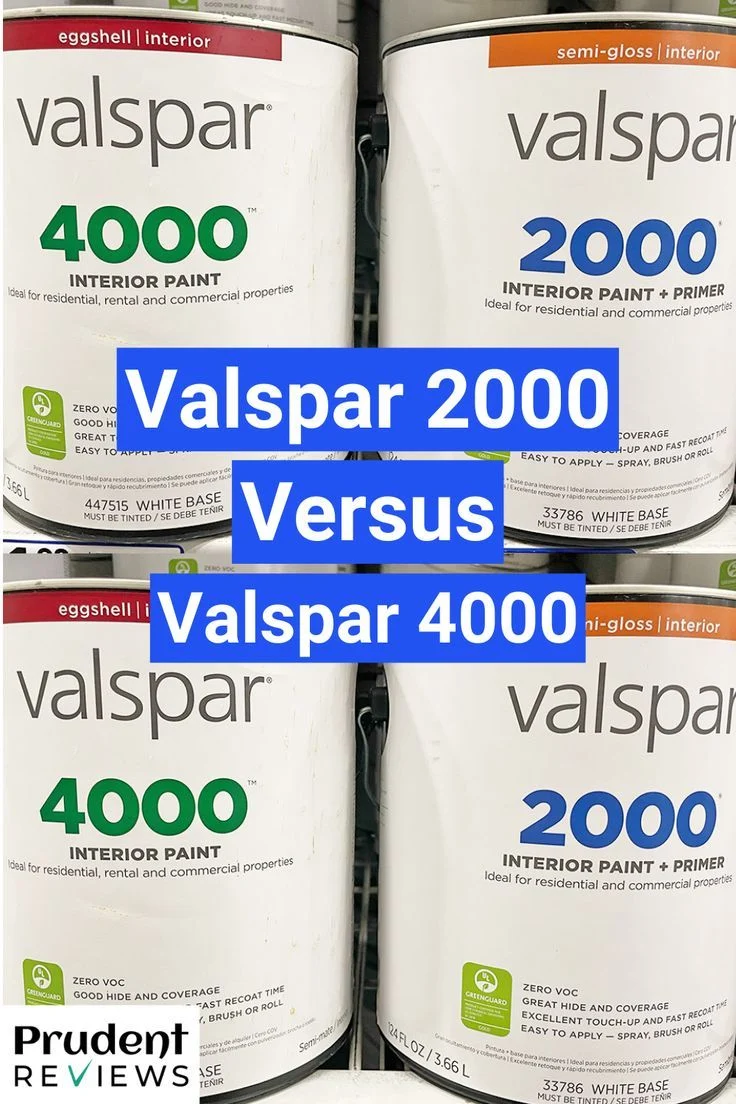
The first step in comparing Valspar 2000 vs 4000 paint is to recognize the philosophy behind each line. The 2000 series is positioned as a budget‑friendly, everyday interior paint. It offers reliable coverage and a decent washability rating, making it a solid choice for low‑traffic rooms such as guest bedrooms or closets.
Conversely, the 4000 series is marketed as a premium interior solution with enhanced durability and a richer color palette. It incorporates advanced binders that improve resistance to scuffs, stains, and moisture—features that are especially valuable in kitchens, bathrooms, and family rooms. The 4000 line also offers a smoother, more uniform finish, which can make a subtle color appear deeper and more sophisticated.
Both lines are low‑VOC and meet most indoor air quality standards, but the 4000 series typically carries a slightly higher price tag due to its upgraded formulation.
Valspar 2000 vs 4000 Paint – Color Range and Finish Options
When you compare Valspar 2000 vs 4000 paint, the breadth of color selections is a decisive factor. The 2000 series provides a respectable assortment of classic neutrals, soft pastels, and muted earth tones—perfect for creating a calm backdrop. However, the 4000 series expands the palette to include deep jewel tones, vibrant accent shades, and trend‑forward hues that align with current interior design movements.
- Sheen choices: Both series offer matte, eggshell, satin, and semi‑gloss finishes, but the 4000 line delivers a more consistent sheen across the surface, reducing the appearance of brush marks.
- Color depth: The 4000 series utilizes a higher pigment load, resulting in richer, more saturated colors that require fewer coats.
- Trend alignment: For designers seeking the latest neutral artwork ideas for living rooms, the 4000 palette provides the subtle depth needed to let artwork shine without competing with wall color.
Performance and Durability: Real‑World Testing

Durability is often the make‑or‑break factor in the Valspar 2000 vs 4000 paint debate. In high‑traffic zones—hallways, family rooms, and children’s bedrooms—the 4000 series outperforms its lower‑priced counterpart. Its enhanced binders create a tougher film that resists abrasion, making it less likely to show marks from furniture legs or scuffed shoes.
Moisture resistance is another key metric. While both lines can be used in bathrooms, the 4000 series is specifically engineered to handle humidity better, reducing the risk of peeling or mildew over time. For a wet‑room like a bathroom, pairing Valspar 4000 paint with proper ventilation is the optimal strategy.
In contrast, the 2000 series performs admirably in dry, low‑traffic environments. It offers decent scrub resistance for light cleaning, but heavy-duty scrubbing may wear the finish more quickly than the 4000 line.
Cost Considerations and Value Over Time
Budget constraints often drive the initial choice between Valspar 2000 vs 4000 paint. On a per‑gallon basis, the 2000 series is typically 15‑20% cheaper. However, when factoring in long‑term value, the 4000 series can be more economical.
Because the 4000 line often requires fewer coats—thanks to its higher pigment concentration—you may end up buying less paint overall. Additionally, its superior durability means fewer touch‑ups and less frequent repainting. For homeowners planning a long‑term stay, the incremental upfront cost can translate into savings over the lifespan of the walls.
When budgeting, also consider ancillary costs such as primer (often required for darker shades), high‑quality rollers, and professional labor if you’re not DIY‑inclined. A detailed cost‑benefit analysis will reveal that the premium price of Valspar 4000 paint often pays for itself within a few years of reduced maintenance.
Choosing the Right Paint for Specific Rooms
Different rooms have distinct functional and aesthetic demands. Below is a quick guide to matching Valspar 2000 vs 4000 paint with common home spaces.
- Living Room: The 4000 series shines here. Its richer colors and smoother finish complement larger wall areas and create a polished backdrop for furniture and décor. If you plan to showcase large art pieces, the subtle sheen of a 4000 satin finish can enhance visual impact.
- Bedroom: Both lines work, but the 2000 series offers a cost‑effective solution for secondary bedrooms or guest rooms where heavy wear is unlikely.
- Kitchen: Opt for Valspar 4000 paint in a satin or semi‑gloss finish to resist splatters and steam. Its moisture resilience is especially valuable around cooking zones.
- Bathroom: Valspar 4000 paint is the safer bet due to its superior humidity tolerance. Pair it with a ventilated fan for best results. For a budget‑friendly guest bathroom, the 2000 series can work if you’re diligent about ventilation and choose a high‑sheen finish.
- Hallways & Entryways: High‑traffic areas benefit from the 4000 line’s durability. The added resilience helps maintain a fresh look despite frequent foot traffic.
For a cohesive look across the home, many designers use the 2000 series in low‑traffic zones and reserve the 4000 series for statement spaces where durability and color depth matter most.
Quick Home Décor Tips Using Valspar Paint
- Use a muted Valspar 4000 hue on walls and add a pop of color with accessories—this creates a balanced, modern aesthetic.
- Combine a matte finish from the 2000 series with textured wall panels for added visual interest without the cost of a premium paint.
- When painting a small apartment, choose lighter shades from the 4000 line to reflect light and make the space feel larger.
- Pair a deep, saturated Valspar 4000 color with neutral artwork for a sophisticated living‑room look. See our guide on living room décor with neutral artwork for inspiration.
- In bathrooms, combine warm wood shelving with Valspar 4000 paint on the walls for a harmonious, warm, functional style.
Common Mistakes to Avoid When Using Valspar Paint
Even experienced DIYers can stumble over a few pitfalls that diminish the performance of Valspar 2000 vs 4000 paint.
- Skipping primer: Applying paint directly over unprepared surfaces can cause uneven absorption, especially with the higher‑pigment 4000 series.
- Choosing the wrong sheen for the room: A high‑gloss finish in a bedroom may feel harsh, while a flat finish in a kitchen can trap moisture.
- Under‑estimating coverage: The 2000 series often needs two coats for full opacity; assuming one coat will save time but results in patchy color.
- Improper surface cleaning: Grease or soap scum in kitchens and bathrooms must be removed before applying the 4000 line; otherwise the paint may not adhere properly.
- Not allowing proper drying time: Rushing the second coat can lead to lifting and streaking, especially with the thicker 4000 formulation.
Frequently Asked Questions
Is Valspar 4000 paint worth the extra cost?
Yes, for high‑traffic or moisture‑prone areas the 4000 series offers better durability, richer color depth, and fewer required coats, which can offset its higher price over time.
Can I use Valspar 2000 paint in a bathroom?
You can, but it’s advisable to select a satin or semi‑gloss finish and ensure excellent ventilation. For long‑term moisture resistance, the 4000 series is the safer choice.
Do I need a special primer for Valspar 4000 paint?
A quality interior primer is recommended, especially on new drywall, previously painted surfaces, or when switching from a dark to a light color. This ensures optimal adhesion and color fidelity.
How many coats of Valspar 2000 vs 4000 paint are typically required?
The 2000 series often needs two coats for full coverage, while the 4000 series may achieve the desired depth in one to two coats depending on the color and surface condition.
Are both paint lines low‑VOC?
Yes, both Valspar 2000 and 4000 lines meet low‑VOC standards, making them suitable for interior use in homes concerned with indoor air quality.
Can I mix Valspar 2000 and 4000 paints for a custom finish?
Mixing is not recommended because the formulations differ. Doing so could affect color consistency, sheen, and durability. Choose the line that best matches the room’s demands.
Conclusion
Deciding between Valspar 2000 vs 4000 paint ultimately hinges on the specific needs of each space. The 2000 series provides an economical, reliable option for low‑traffic rooms and budget‑sensitive projects, while the 4000 series delivers superior color richness, durability, and moisture resistance—ideal for kitchens, bathrooms, and high‑impact living areas. By evaluating factors such as foot traffic, humidity, desired sheen, and long‑term maintenance, you can select the right Valspar product to complement your interior design vision and keep your walls looking fresh for years to come. Explore more design ideas and see how the right paint choice can transform your home on The Homara.