
Table of Contents
- Why Your Dog Shakes After a Bath: The Science Behind the Shiver
- Why Your Dog Shakes After a Bath: Temperature Regulation Explained
- Common Triggers That Cause Your Dog to Shake After a Bath
- Why Your Dog Shakes After a Bath: Fear and Anxiety Factors
- How to Prevent Excessive Shaking After Bath Time
- Why Your Dog Shakes After a Bath: Grooming Techniques That Help
- Quick Tips to Calm Your Dog Post‑Bath
- Common Mistakes Dog Owners Make That Increase Shaking
- Frequently Asked Questions
Why Your Dog Shakes After a Bath – The Complete Owner’s Guide
Bath time is a bonding moment for many pet owners, but it’s also the moment when you might notice your furry friend start to tremble, shiver, or even shake vigorously. This reaction can be puzzling, especially when you’ve done everything right: lukewarm water, a gentle touch, and a fluffy towel. Understanding why your dog shakes after a bath is not just a curiosity; it’s essential for ensuring your pet’s comfort, safety, and long‑term health.
In this guide we’ll explore the physiological, emotional, and environmental factors that trigger post‑bath shaking. We’ll also share proven strategies to prevent excessive tremors, quick calming tips you can apply the moment the water stops running, and common pitfalls that many owners unknowingly fall into. By the end, you’ll feel confident handling bath time with a calm, confident dog—and you’ll have a deeper appreciation for the subtle ways your home environment, including the bathroom layout, can influence your pet’s experience.
Why Your Dog Shakes After a Bath: The Science Behind the Shiver
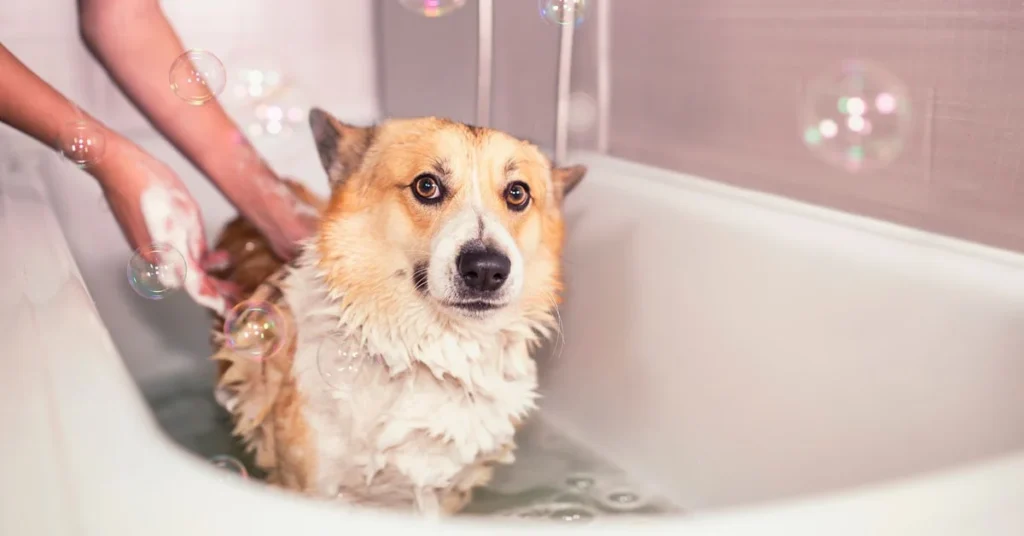
When a dog emerges from the tub, the body’s natural response to temperature changes often kicks in. Dogs do not have sweat glands across their skin like humans; they primarily regulate body heat through panting and the pads of their feet. After a bath, the water—whether warm or cool—creates a sudden shift in skin temperature, prompting the nervous system to activate a shivering reflex. This reflex is a built‑in mechanism to generate heat through rapid muscle contractions, helping the dog return to its optimal core temperature.
Research on canine thermoregulation shows that even lukewarm water can feel cooler than a dog’s normal skin temperature, especially for short‑haired breeds or dogs with thin coats. The brain’s hypothalamus detects this disparity and triggers muscle activity that appears as shaking. In many cases, the shaking is brief and harmless, simply a sign that the dog’s body is working to warm up again.
Why Your Dog Shakes After a Bath: Temperature Regulation Explained
Temperature regulation is not the only physiological driver. The act of bathing can also stimulate the autonomic nervous system, the part of the nervous system that controls involuntary actions like heart rate and perspiration. When water contacts the skin, sensory nerves send signals to the brain, which may interpret the sensation as a mild stressor. The result is an adrenaline surge that can cause the muscles to contract rhythmically, producing a shake.
For dogs with dense, double coats, the water can become trapped in the undercoat, making it harder for heat to escape. This trapped moisture acts like a blanket, retaining cold and prompting the body to shake in an attempt to circulate air and dry the fur. The same principle applies to dogs that have been towel‑dried too aggressively, which can compress the coat and prevent proper airflow.
Understanding why your dog shakes after a bath at this level helps you make informed decisions about water temperature, drying techniques, and post‑bath environment. A simple adjustment—like using a low‑heat hair dryer set on a “warm” (not hot) setting—can dramatically reduce the need for the body’s shivering response.
Common Triggers That Cause Your Dog to Shake After a Bath
While temperature is a major factor, several other triggers can intensify shaking. Recognizing these triggers lets you proactively address them before they become a habit.
- Cold Water: Even water that feels warm to human skin can be chilly for a dog, especially in winter months.
- Humidity: High humidity slows the drying process, leaving moisture in the coat longer and prolonging the shiver.
- Stressful Environment: Loud noises, slippery tubs, or an unfamiliar bathroom layout can increase anxiety.
- Medical Conditions: Arthritis, hypothyroidism, or skin infections can make a dog more prone to shaking when exposed to temperature changes.
- Breed‑Specific Traits: Breeds like the Chihuahua, Greyhound, or Chinese Crested often exhibit shaking as a normal behavioral quirk.
For pet owners who love a well‑styled home, the bathroom itself can be a source of stress. A sleek, modern bathroom might have sleek tile that feels slippery, or a glass shower door that reflects light in a way that startles sensitive dogs. Adjusting the space—adding a non‑slip mat or a calming scent—can make the whole bathing experience more pleasant. For ideas on how to style a bathroom without compromising pet safety, see our article on Signature Hardware vs Kohler: Which Bathroom Fixture Wins?
Why Your Dog Shakes After a Bath: Fear and Anxiety Factors
Fear is a powerful driver of the shaking response. Dogs that associate the bath with negative experiences—such as being forced to stand in a cold tub, or being splashed unexpectedly—can develop a conditioned fear response. This fear often manifests as a trembling body, a lowered tail, and wide eyes. The shaking is not just physical; it’s an outward sign of the animal’s heightened emotional state.
Behavioral experts recommend desensitization techniques to reduce anxiety. Start by allowing your dog to explore the empty tub, rewarding calm behavior with treats. Gradually introduce lukewarm water in small amounts while continuing to praise and treat. Over several sessions, the dog learns that the tub is a safe, neutral space. This approach mirrors interior design principles where gradual changes—like introducing new colors or textures—help occupants adapt without feeling overwhelmed.
How to Prevent Excessive Shaking After Bath Time
Prevention is always easier than treatment. Below are evidence‑based steps you can integrate into your routine to keep shaking to a minimum.
- Check Water Temperature: Aim for 37‑38°C (98‑100°F), which feels warm but not hot to a human hand.
- Use a Gentle Flow: A steady, gentle stream prevents splashing and reduces the sudden shock to the skin.
- Dry Strategically: Pat the coat dry with a microfiber towel before using a low‑heat dryer.
- Warm the Bathroom: If the room is chilly, turn on a portable heater a few minutes before the bath.
- Choose the Right Grooming Products: Look for shampoos formulated for sensitive skin and avoid products with strong fragrances that can cause irritation.
Many owners overlook the importance of the post‑bath environment. A drafty hallway can quickly chill a damp coat, prompting the body to shiver. By keeping the dog in a warm, draft‑free room until fully dry, you give the nervous system a chance to settle. For a holistic approach to home comfort, you might explore Sunspace vs Eze Breeze: Which Ventilation Solution Fits Your Home? – a guide that, while focused on human spaces, offers insight into managing airflow and temperature for all occupants, including pets.
Why Your Dog Shakes After a Bath: Grooming Techniques That Help
Specific grooming techniques can mitigate the shaking reflex. Here are a few that have proven effective:
- Brush Before the Bath: Removing loose fur reduces the amount of water trapped in the coat.
- Use a Handheld Sprayer: Directs water exactly where needed, preventing unnecessary saturation.
- Apply a Conditioning Rinse: Helps the coat retain some moisture, making it easier to towel‑dry.
- Finish with a Light “Blow‑Dry”: A warm (not hot) blow dryer set on low speed helps evaporate residual water without overheating the skin.
These steps echo interior design principles such as layering textures for comfort. Just as a well‑chosen rug can soften a hardwood floor, a proper drying routine softens the transition from wet to dry, reducing the need for the dog’s body to “shake it out.” For a creative take on layering textures, check out Creative plant shelf styling ideas to Elevate Your Home Décor.
Quick Tips to Calm Your Dog Post‑Bath
Even with the best preparation, a few shakes may still appear. These quick tips can help soothe your dog in the moments after the bath.
- Wrap your dog in a warm, fleece blanket for 5‑10 minutes.
- Offer a favorite treat or chew toy to distract from any lingering anxiety.
- Speak in a soft, reassuring tone while gently stroking the neck and shoulders.
- Play calm background music; studies show classical melodies lower canine stress hormones.
- Give a short, gentle massage focusing on the shoulders and back to promote circulation.
Common Mistakes Dog Owners Make That Increase Shaking
Even seasoned pet parents can fall into habits that unintentionally trigger shaking.
- Using Cold Water: A quick rinse with cold water may feel refreshing, but it spikes the temperature differential.
- Rubbing Vigorously: Over‑scrubbing can irritate the skin and cause a reflexive tremor.
- Skipping the Pre‑Brush: Leaving tangles in the coat traps water, extending drying time.
- Leaving the Dog in a Drafty Area: A breeze across a damp coat accelerates heat loss.
- Neglecting Health Checks: Undiagnosed skin conditions or joint pain can make a dog more sensitive to temperature changes.
By correcting these missteps, you not only reduce shaking but also enhance the overall grooming experience, much like how a well‑planned interior layout reduces foot traffic congestion in a small apartment.
Frequently Asked Questions
Why does my dog shake immediately after the water is turned off?
Most dogs shake right after the water stops because the sudden removal of a warm, moist environment creates a brief cooling effect. The body responds with a shiver to generate heat and restore equilibrium.
Is it normal for a dog to shake for several minutes after a bath?
A short, 30‑second shake is normal. If shaking continues for more than a minute or two, it may indicate that the dog is still cold, anxious, or has an underlying medical issue that needs veterinary attention.
Can certain shampoos cause shaking?
Yes. Shampoos with strong fragrances or harsh chemicals can irritate the skin, triggering a nervous response that includes shaking. Opt for hypoallergenic, fragrance‑free formulas to minimize this risk.
Should I use a hair dryer on my dog?
A low‑heat, low‑speed dryer can be helpful, but always keep it moving to avoid concentrating heat on one spot. Never use a hot setting, as it can cause burns and increase stress.
My dog shakes after every bath despite following all tips. What should I do?
If shaking persists, consult a veterinarian. Persistent tremors can signal thyroid problems, pain, or neurological issues that require professional evaluation.
How does the bathroom’s design affect my dog’s shaking?
A bathroom that is too cold, has slippery surfaces, or produces loud echoing noises can heighten a dog’s stress. Adding non‑slip mats, warm lighting, and soft background sounds can create a calmer environment, reducing the likelihood of shaking.
By addressing both the physiological and environmental aspects of why your dog shakes after a bath, you empower yourself to create a safe, comfortable routine that benefits both pet and owner.
Understanding the reasons behind post‑bath shaking equips you to take proactive steps—from adjusting water temperature to optimizing your bathroom’s layout—so that bath time becomes a relaxing ritual rather than a source of anxiety. Apply the tips, avoid common pitfalls, and always stay attuned to your dog’s unique needs. With patience and the right approach, you’ll notice fewer tremors and more tail wags after each soak.