
Table of Contents
- Why Chalk Sticks to Carpet and What Happens If You Wait
- Step‑by‑Step Guide: How to Get Chalk Out of Carpet
- Step 1 – Gently Vacuum the Loose Chalk
- Step 2 – Brush the Remaining Residue
- Step 3 – Apply a Gentle Cleaning Solution
- Step 4 – Blot, Don’t Rub
- Step 5 – Rinse with Minimal Moisture
- Step 6 – Dry Completely
- Alternative DIY Techniques for Stubborn Chalk Stains
- Using Baking Soda and Vinegar
- Dry‑Cleaning Solvent Spot Test
- Preventing Future Chalk Accidents
- Quick Tips for Fast Chalk Removal
- Common Mistakes When Trying to Get Chalk Out of Carpet
- Frequently Asked Questions
- Putting It All Together: A Real‑World Example
- Final Thoughts
How to Get Chalk Out of Carpet – Quick, Effective Methods
Chalk may seem harmless, but a stray piece can turn a pristine carpet into a dusty mess in seconds. Whether the chalk came from a child’s art project, a school activity, or a decorative touch, removing it without damaging the fibers requires the right approach. In this guide we’ll walk you through practical, low‑cost techniques that work on both synthetic and natural‑fiber carpets.
Understanding why chalk behaves the way it does on carpet will help you choose the most efficient removal method. Chalk is essentially powdered calcium carbonate, which can settle deep into the pile, cling to the backing, and even leave a faint residue that attracts more dirt. Acting quickly, using the correct tools, and following a systematic process will keep your carpet looking fresh and extend its lifespan.
By the end of this article you’ll know exactly how to get chalk out of carpet, which household items are safe to use, and how to protect your flooring during future creative sessions.
Why Chalk Sticks to Carpet and What Happens If You Wait
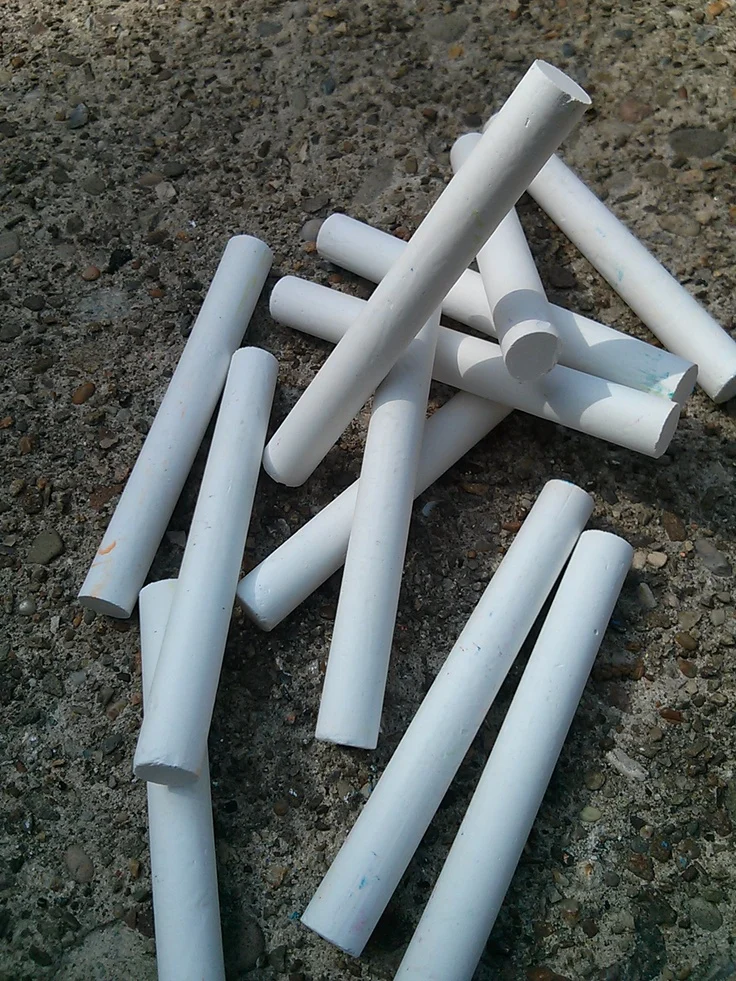
When chalk powder lands on carpet, the tiny particles become trapped in the weave. The carpet’s backing and any underlying padding can absorb moisture, causing the chalk to clump and become harder to lift. If you ignore the stain, the powder can oxidize, turning a dull gray and attracting dust, which makes the area look permanently dirty.
Getting chalk out of carpet promptly prevents:
- Permanent discoloration
- Accumulation of additional debris
- Potential damage to carpet fibers from aggressive scrubbing
Step‑by‑Step Guide: How to Get Chalk Out of Carpet
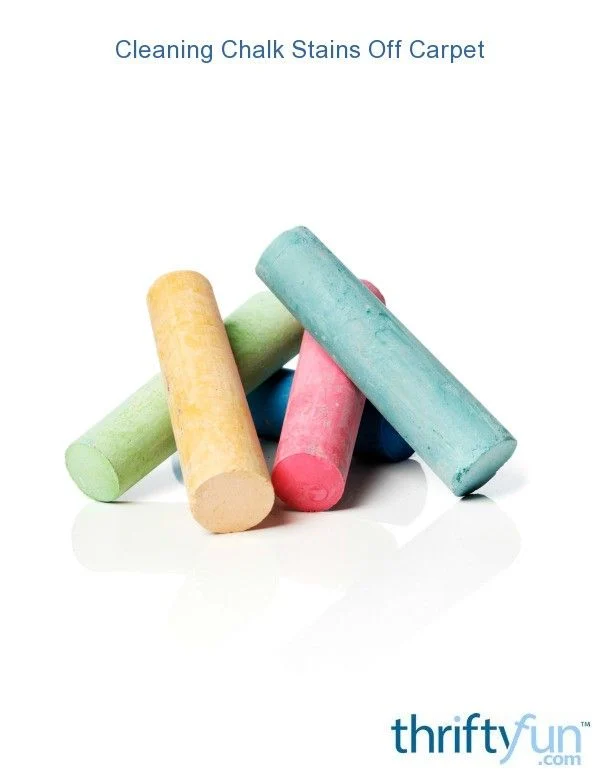
This section presents a clear, repeatable process that works for most carpet types. Gather the following supplies before you start:
- Vacuum cleaner with a clean brush roll
- Soft‑bristled brush or a clean paintbrush
- White paper towels or microfiber cloths
- Mild dish soap
- White vinegar (optional)
- Spray bottle
- Rubber gloves (if you have sensitive skin)
Step 1 – Gently Vacuum the Loose Chalk
Begin by using the vacuum’s brush roll on a low suction setting. Move the nozzle over the chalked area in short, overlapping strokes. This lifts the majority of loose powder without pushing it deeper into the pile.
Step 2 – Brush the Remaining Residue
Take a soft‑bristled brush and lightly sweep the area in one direction. The brush helps to dislodge chalk that is still attached to the fibers. Avoid vigorous back‑and‑forth motions, which can embed particles further.
Step 3 – Apply a Gentle Cleaning Solution
Mix two teaspoons of mild dish soap with a cup of warm water in a spray bottle. Lightly mist the stained spot—do not saturate the carpet. Allow the solution to sit for about one minute to loosen any stubborn chalk.
Step 4 – Blot, Don’t Rub
Using a clean white paper towel or microfiber cloth, gently blot the area from the outside toward the center. This pulls the dissolved chalk out of the fibers. Replace the cloth as it becomes soiled.
Step 5 – Rinse with Minimal Moisture
If any soap residue remains, lightly mist the area with plain water and blot again. Too much water can affect the backing, so keep this step brief.
Step 6 – Dry Completely
Place a dry towel over the spot and press firmly. For faster drying, use a fan or open windows. Ensure the carpet is completely dry before walking on it to prevent re‑staining.
Alternative DIY Techniques for Stubborn Chalk Stains
Sometimes, especially with older or high‑traffic carpets, the standard method leaves a faint haze. Here are two proven alternatives that homeowners often use:
Using Baking Soda and Vinegar
Baking soda acts as a gentle abrasive, while white vinegar neutralizes the alkaline nature of chalk. Sprinkle a thin layer of baking soda over the stained area, then mist lightly with a 1:1 mixture of water and white vinegar. Let it fizz for a minute, then brush gently and vacuum.
Dry‑Cleaning Solvent Spot Test
For delicate fibers like wool, a commercial dry‑cleaning solvent can be safe. Always perform a spot test in an inconspicuous corner, apply a small amount with a cloth, and blot. If the carpet color remains unchanged, you can treat the chalked spot using the same method.
Preventing Future Chalk Accidents
Even the most diligent cleaning routine can’t stop a sudden spill, but you can limit damage with a few preventative habits:
- Place a washable mat or rug protector under any area where children draw with chalk.
- Use a chalkboard tray with a built‑in dust catcher.
- Encourage the use of colored chalks that are less likely to leave a gray residue.
- Keep a small handheld vacuum nearby for quick clean‑ups.
By integrating these habits, you’ll reduce the frequency of chalk stains and preserve the carpet’s appearance longer.
Quick Tips for Fast Chalk Removal
- Act within 5 minutes – the longer chalk sits, the deeper it embeds.
- Use a lint roller for tiny particles before vacuuming.
- Never scrub aggressively; it damages the carpet fibers.
Common Mistakes When Trying to Get Chalk Out of Carpet
Many people make avoidable errors that worsen the problem:
- Using excessive water: Over‑wetting can cause the backing to swell and create mold.
- Applying harsh chemicals: Bleach or ammonia can discolor or weaken fibers.
- Rubbing instead of blotting: This pushes chalk deeper and can create a permanent mark.
Stick to the gentle, step‑by‑step approach outlined earlier to keep your carpet safe.
Frequently Asked Questions
Can I use a steam cleaner to remove chalk?
Steam cleaners introduce a lot of moisture, which can cause the chalk to set into the carpet backing. It’s better to use the low‑moisture method described above. If you must use steam, test a small area first.
Will a carpet shampoo remove chalk stains?
Carpet shampoos are formulated for oily or organic stains, not mineral powders like chalk. They may leave a residue that attracts more dust. The soap‑and‑water technique is more effective.
Is it safe to use a carpet rake after vacuuming?
A gentle carpet rake can help lift fibers and release trapped particles, but use it sparingly. Heavy raking can fray the yarn, especially on delicate plush piles.
Do professional cleaners handle chalk removal better?
Professionals have specialized equipment that can extract deeper particles without excess water. However, most household methods work well if applied promptly.
Can I use a hairdryer to speed up drying?
Yes, a low‑heat setting can accelerate drying. Keep the dryer moving to avoid overheating a single spot, which could scorch the fibers.
Putting It All Together: A Real‑World Example
Imagine a bright living room with a plush, neutral‑tone carpet where a child has just finished a chalk drawing on the floor. By following the “how to get chalk out of carpet” steps—vacuum, brush, mild soap mist, blot, and dry—the homeowner restores the carpet to its original look within minutes. The same process can be adapted for bedroom rugs, hallway runners, or even the carpeted area under a dining table.
For more styling inspiration, check out our guide on Elegant Home Styling Ideas: Timeless Tips for Every Space. It offers complementary advice on selecting rugs that hide minor spills while enhancing overall décor.
Final Thoughts
Getting chalk out of carpet doesn’t have to be a daunting task. With the right tools, a calm approach, and the step‑by‑step method detailed above, you can preserve the beauty of your floors while keeping the household safe for creative play. Remember to act quickly, avoid harsh chemicals, and use gentle blotting motions. By integrating preventive measures and quick‑fix tips, you’ll enjoy a clean, welcoming space that reflects your modern home styling sensibility.
Ready to tackle the next home‑maintenance challenge? Explore our other articles for more practical solutions and design inspiration.