
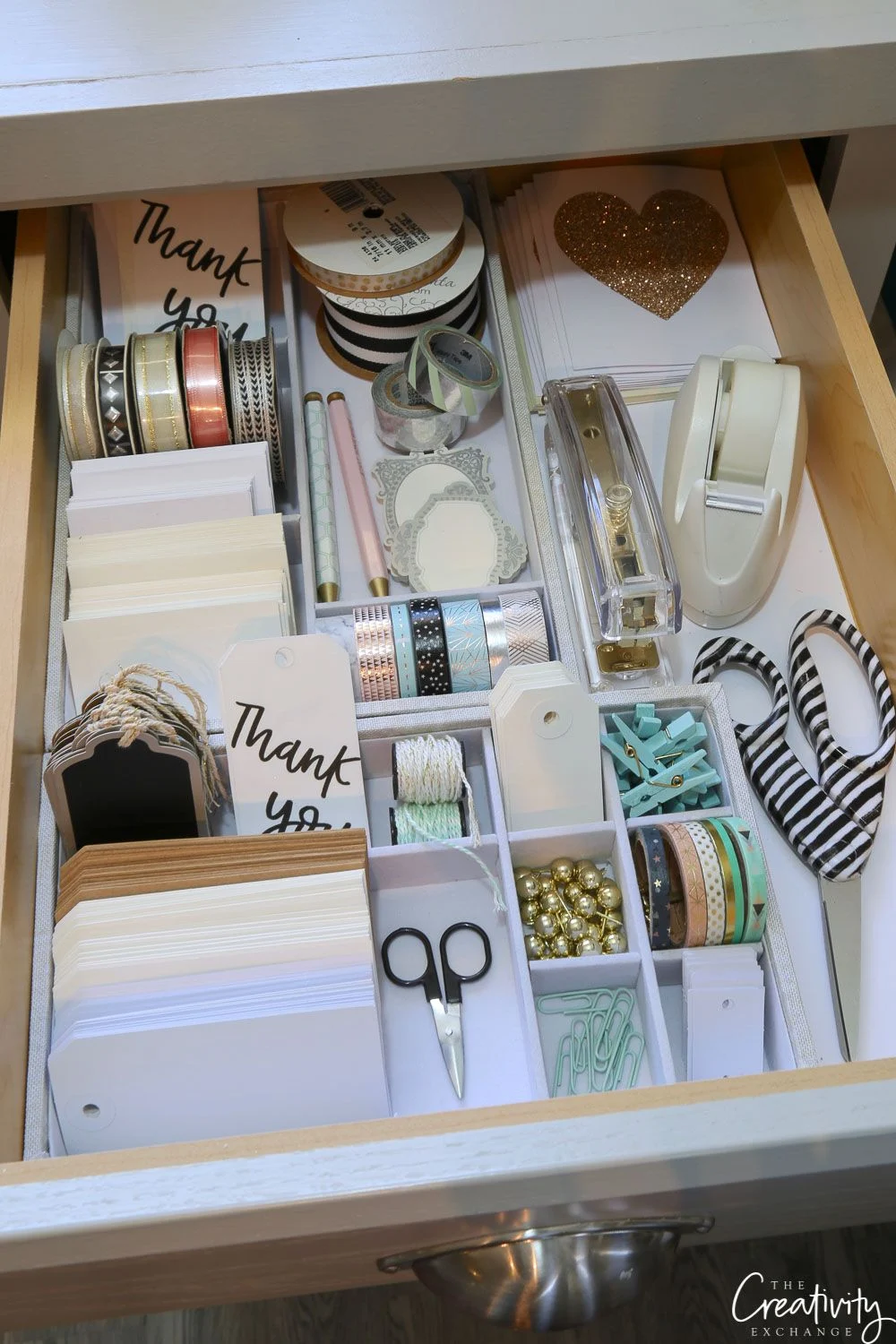
Table of Contents
- Why Minimalist Desk Drawer Organization Matters
- Step 1: Declutter with Intent
- How to Sort Effectively
- Step 2: Choose the Right Drawer Inserts
- Types of Organizers for Minimalist Desk Drawer Organization
- Step 3: Implement a Zone System
- Designing Your Zones
- Step 4: Integrate Multi‑Purpose Tools
- Smart Selections for Minimalist Desk Drawer Organization
- Step 5: Maintain Regularly with a 5‑Minute Reset
- Quick Reset Checklist
- Quick Tips for Instant Improvement
- Common Mistakes to Avoid
- Over‑Complicating the Layout
- Neglecting the Drawer’s Depth
- Ignoring Aesthetic Consistency
- Frequently Asked Questions
- How often should I reorganize my desk drawer?
- Can I apply minimalist desk drawer organization in a shared office?
- What are the best materials for drawer organizers?
- Is it okay to store electronic accessories in the drawer?
- How do I keep cables from tangling inside the drawer?
- Should I use scented drawer liners?
Minimalist Desk Drawer Organization – Streamline Your Workspace Efficiently
In a world where our desks double as command centers, maintaining a tidy drawer isn’t just aesthetic—it’s essential for productivity. A clutter‑free drawer reduces visual noise, saves time searching for tools, and creates a calm environment that encourages focus. Whether you work from a home office, a cramped studio apartment, or a bustling corporate cubicle, mastering minimalist desk drawer organization can transform your daily routine. This guide walks you through strategic decluttering, smart storage choices, and subtle design tricks that keep your drawer functional yet understated.
We’ll explore step‑by‑step methods to purge unnecessary items, recommend versatile organizers that blend with a minimalist aesthetic, and share insider tips on how to maintain order long after the initial setup. By the end, you’ll have a clear roadmap to a drawer that mirrors the sleek simplicity of modern interior design while meeting all your practical needs.
Why Minimalist Desk Drawer Organization Matters
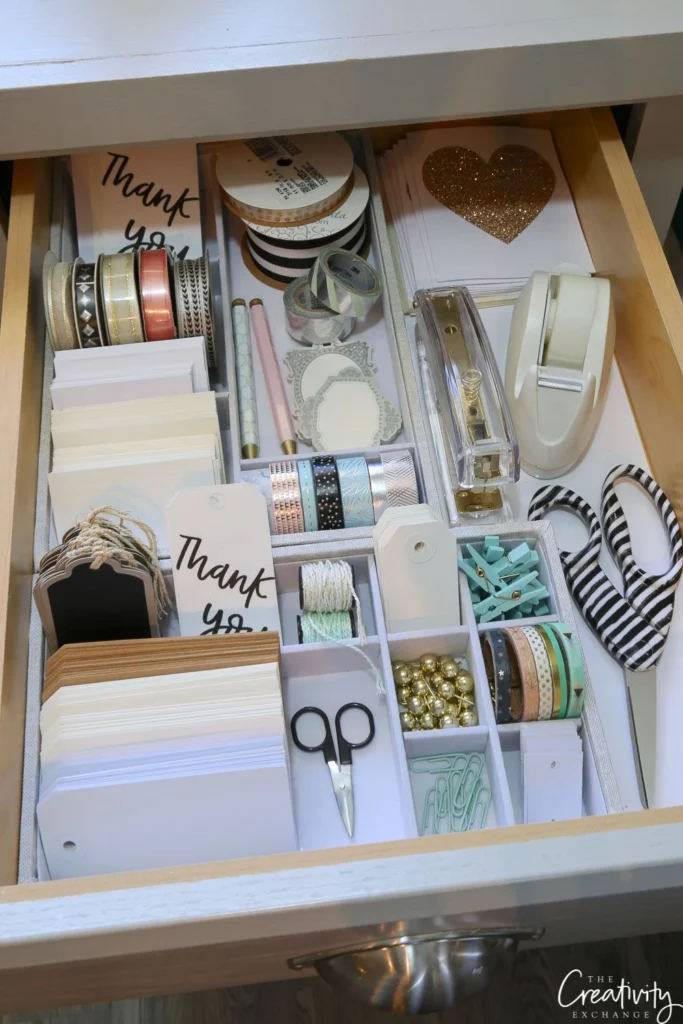
Adopting a minimalist approach to desk drawer organization goes beyond visual appeal. A well‑ordered drawer supports mental clarity, speeds up workflow, and even protects expensive tools from damage. When every item has a designated spot, the friction of rummaging through piles disappears, allowing you to concentrate on the task at hand. Moreover, a minimalist drawer aligns with broader home décor trends, ensuring that your workspace feels cohesive with the rest of your living area.
Beyond productivity, minimalist desk drawer organization contributes to a healthier environment. By reducing dust accumulation and eliminating broken or rusted objects, you create a cleaner, safer space. It also encourages mindful consumption—once you see the value of an uncluttered drawer, you’re more likely to make deliberate purchasing decisions, reinforcing the sustainable ethos of modern design.
Step 1: Declutter with Intent

The foundation of any minimalist desk drawer organization system is a thorough declutter. Begin by emptying the drawer completely onto a clean surface. Sort items into three categories: keep, relocate, and discard.
How to Sort Effectively
- Keep: Items you use daily—pens, notepads, USB drives, and essential stationery.
- Relocate: Items that belong elsewhere, such as loose papers that should be filed or tools better stored in a cabinet.
- Discard: Dried-out markers, broken clips, or anything you haven’t used in the past six months.
As you sort, ask yourself if each item truly adds value to your work. This intentional decision‑making process is the heart of minimalist desk drawer organization and prevents future clutter from creeping back in.
Step 2: Choose the Right Drawer Inserts

Investing in high‑quality drawer inserts is a game‑changer for maintaining order. Look for modular, expandable organizers made from sustainable materials like bamboo or recycled plastic. These pieces allow you to customize compartments based on the size and shape of your essentials.
Types of Organizers for Minimalist Desk Drawer Organization
- Adjustable dividers for pens, pencils, and highlighters.
- Flat trays for sticky notes, paper clips, and small gadgets.
- Stackable containers for larger items such as calculators or portable chargers.
Opt for a neutral color palette—think matte white, soft gray, or natural wood tones—to keep the drawer visually light and cohesive with a minimalist aesthetic. For inspiration on selecting the perfect storage solutions, check out our guide on where to buy home decor boxes.
Step 3: Implement a Zone System
Dividing your drawer into functional zones maximizes efficiency. A common layout includes a “writing zone” for pens and markers, a “paper zone” for notepads and sticky notes, and a “tech zone” for chargers and USB devices. By keeping like items together, you reduce the time spent searching and reinforce the habit of returning each object to its rightful spot.
Designing Your Zones
- Identify the items you use most frequently and allocate the most accessible area for them.
- Place less‑used items toward the back of the drawer.
- Reserve a small, hidden compartment for rarely needed items to keep the visible space uncluttered.
This zoning approach aligns perfectly with minimalist desk drawer organization principles, ensuring that each compartment serves a clear purpose without overwhelming the visual field.
Step 4: Integrate Multi‑Purpose Tools
To keep the drawer count low, select tools that serve multiple functions. For example, a dual‑ended pen (ballpoint on one side, highlighter on the other) reduces the number of separate items you need. Similarly, a compact, foldable ruler can double as a straight edge for cutting or drawing.
Smart Selections for Minimalist Desk Drawer Organization
- Magnetic strips for metal clips and small metal tools.
- Silicone bands that hold bundles of cables together.
- Compact, rechargeable LED lights that serve as both illumination and a power source.
Choosing multi‑purpose items not only saves space but also reinforces the minimalist ethos of “less is more.”
Step 5: Maintain Regularly with a 5‑Minute Reset
Even the best minimalist desk drawer organization system can slip into disarray if not maintained. Schedule a quick five‑minute reset at the end of each week. During this time, return items to their designated zones, wipe down surfaces, and reassess any new objects that may have entered the drawer.
Quick Reset Checklist
- Clear the drawer surface.
- Place items back into their zones.
- Discard any new clutter.
- Wipe the interior with a microfiber cloth.
- Re‑evaluate storage needs for the upcoming week.
This habit ensures that your minimalist desk drawer organization remains effective over the long term, preventing the slow creep of unnecessary items.
Quick Tips for Instant Improvement
- Use a thin, removable tray for frequently used accessories.
- Label each zone subtly with minimalist stickers or laser‑etched tags.
- Adopt a “one‑in, one‑out” rule: for every new item added, remove an old one.
- Keep a small, decorative box for personal items to avoid mixing work and leisure clutter.
- Rotate seasonal items (like holiday pens) out of the drawer to keep the core setup consistent.
Common Mistakes to Avoid
Even seasoned organizers can fall into pitfalls that undermine a minimalist desk drawer organization system.
Over‑Complicating the Layout
While zones are helpful, creating too many tiny compartments can lead to “analysis paralysis.” Stick to three to five zones and keep each compartment spacious enough to retrieve items without digging.
Neglecting the Drawer’s Depth
Many people fill the front of the drawer and forget about the back, leading to items being buried and forgotten. Ensure your organizers extend to the full depth, and place less‑used items toward the rear.
Ignoring Aesthetic Consistency
Using mismatched organizers or bright colors can break the calm vibe central to minimalist desk drawer organization. Choose a uniform material and color scheme to maintain visual harmony.
Frequently Asked Questions
How often should I reorganize my desk drawer?
A quick weekly reset keeps the drawer functional, while a deeper overhaul every three to six months helps you reassess your needs and discard items that have become obsolete.
Can I apply minimalist desk drawer organization in a shared office?
Absolutely. Use personal labels and portable organizers so each user can maintain their own system without interfering with others’ spaces.
What are the best materials for drawer organizers?
Eco‑friendly options like bamboo, reclaimed wood, or recycled acrylic blend durability with a clean aesthetic that complements minimalist design trends.
Is it okay to store electronic accessories in the drawer?
Yes, but keep them in dedicated compartments with padding or silicone mats to prevent scratches and static buildup.
How do I keep cables from tangling inside the drawer?
Coil cables using the “over‑under” method and secure them with small Velcro ties or silicone bands. Store them vertically in a narrow slot to maintain order.
Should I use scented drawer liners?
Scented liners can add a pleasant aroma, but choose subtle, natural fragrances to avoid overwhelming the minimalist vibe.
Implementing a thoughtful minimalist desk drawer organization plan not only enhances the look of your workspace but also improves efficiency and well‑being. By decluttering, selecting appropriate organizers, zoning your space, and committing to regular maintenance, you’ll create a drawer that feels as light and focused as your design philosophy. Remember, the goal is to keep only what serves a purpose while maintaining a calm, cohesive aesthetic that mirrors modern interior design trends.
Ready to transform your entire workspace? Explore our article on minimal desk decoration ideas for complementary tips on creating a serene, stylish desk surface that works hand‑in‑hand with your newly organized drawer.
Enjoy the clarity and calm that come with a well‑structured drawer. Keep experimenting, stay mindful of what you truly need, and let your workspace reflect the simplicity and elegance you strive for in every corner of your home.