
Table of Contents
- Understanding the Core of How to Decorate a Mid Century Home
- Key Visual Cues When Deciding How to Decorate a Mid Century Home
- Choosing the Right Color Palette for a Mid Century Vibe
- Selecting Authentic Furniture Pieces
- Mixing Modern Comfort with Vintage Charm
- Accessorizing with Purposeful Details
- Quick Tips for Instantly Boosting Mid‑Century Appeal
- Common Mistakes to Avoid When Decorating Mid‑Century Spaces
- Frequently Asked Questions
- Putting It All Together: A Cohesive Mid‑Century Home
How to Decorate a Mid Century Home: Timeless Style Tips
Mid‑century modern design has endured for more than half a century because of its clean lines, organic forms, and effortless blend of form and function. Whether you live in a 1950s bungalow or a contemporary loft, learning how to decorate a mid century home can transform ordinary rooms into iconic spaces that feel both nostalgic and fresh.
In this guide we’ll walk through the essential elements that define the style, from the perfect color palette to the art of mixing vintage pieces with today’s comforts. You’ll come away with actionable ideas you can apply room by room, no matter the square footage or budget.
Ready to bring a timeless aesthetic into your living environment? Let’s explore the key principles, practical tips, and common pitfalls so you can confidently answer the question: how to decorate a mid century home?
Understanding the Core of How to Decorate a Mid Century Home
The first step in learning how to decorate a mid century home is to grasp its philosophical roots. Mid‑century modern emerged in the post‑World War II era, championing simplicity, functionality, and a close relationship with nature. Designers like Charles and Ray Eames, Eero Saarinen, and George Nelson emphasized exposed structural elements, tapered legs, and a mix of natural and industrial materials.
Key Visual Cues When Deciding How to Decorate a Mid Century Home
- Low‑profile furniture with clean, geometric lines.
- Organic wood tones—especially teak, walnut, and rosewood.
- Bold yet muted color accents, often inspired by nature.
- Large windows or glass doors that blur indoor‑outdoor boundaries.
- Minimal ornamentation; every piece should serve a purpose.
By internalizing these cues, you’ll find it easier to make selections that feel authentic rather than forced. When you’re unsure about a particular piece, ask yourself if it contributes to a calm, functional space while echoing the era’s optimism.
Choosing the Right Color Palette for a Mid Century Vibe
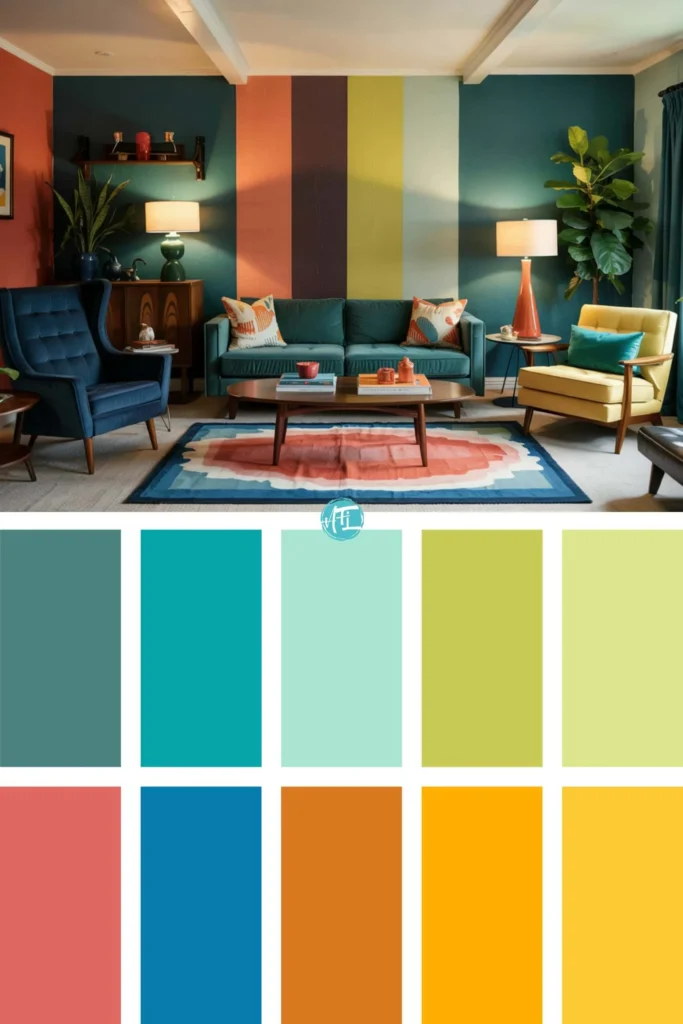
Color is the silent narrator of any interior, and mastering how to decorate a mid century home begins with the right palette. Classic mid‑century palettes balance warm earth tones with pops of saturated hues. Think mustard yellow, avocado green, teal, and burnt orange set against a backdrop of crisp white, soft gray, or muted beige.
To keep the look contemporary, you can swap the traditional orange for a more subdued terracotta or replace avocado with a sage green. When selecting paint, consider the natural light your rooms receive; brighter spaces can handle deeper accents, while dimmer rooms benefit from lighter, reflective shades.
For a nuanced guide on selecting paint colors that complement mid‑century furniture, check out our article on choosing the perfect paint for your home. The right hue will amplify the clean lines of your furniture and create a harmonious backdrop for accessories.
Selecting Authentic Furniture Pieces
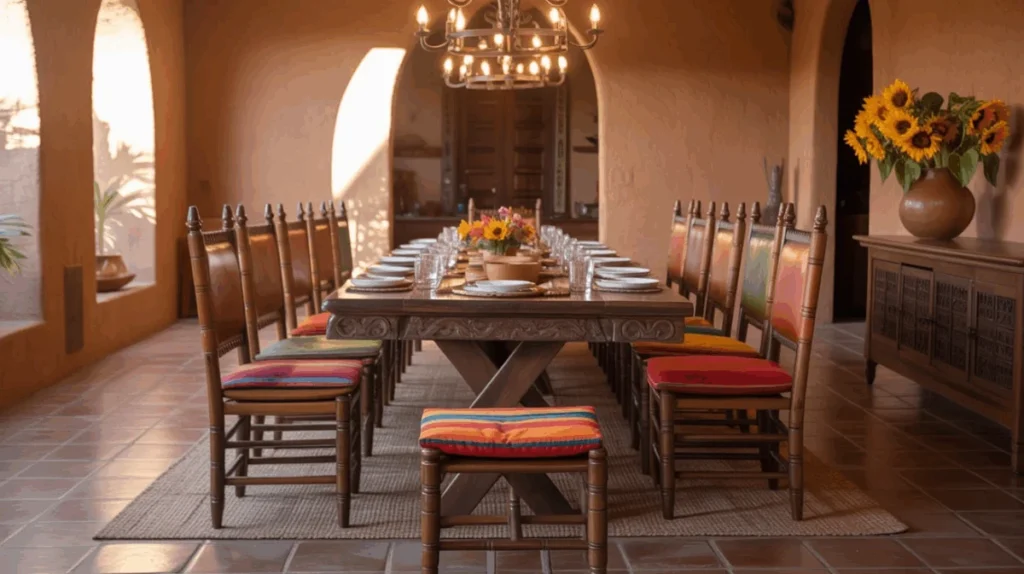
Furniture is the cornerstone of how to decorate a mid century home. Iconic silhouettes—such as the Eames lounge chair, the Noguchi coffee table, or a sleek teak credenza—immediately signal the style. When budgeting, prioritize a few statement pieces and fill the remaining space with reproductions or well‑chosen contemporary items that echo the same geometry.
Key considerations when hunting for furniture:
- Scale: Mid‑century pieces are typically low‑profile, so keep floor space open.
- Material: Natural wood, molded plywood, and metal are hallmarks.
- Functionality: Look for multi‑purpose items—like a storage ottoman—that maintain clean lines.
If you live in a smaller apartment, explore space‑saving ideas such as a compact, modular sofa that still carries the iconic tapered leg. Our smart bedroom décor for small apartments article offers inspiration on maximizing limited square footage without sacrificing style.
Mixing Modern Comfort with Vintage Charm
One of the most rewarding aspects of learning how to decorate a mid century home is balancing the era’s retro allure with today’s comfort standards. Pair a vintage teak sideboard with a plush, low‑profile sectional in a neutral fabric. Add a sleek, modern floor lamp with a brass finish to echo the period’s love of metal accents.
Textiles also play a pivotal role. Choose woven rugs with geometric patterns, linen curtains that allow natural light, and cushions in muted, saturated tones. These layers soften the rigidity of the architecture while keeping the aesthetic cohesive.
For a fresh perspective on integrating natural elements, read our piece on DIY décor with natural wood décor. Simple wooden wall shelves or a reclaimed timber headboard can reinforce the organic feel central to mid‑century design.
Accessorizing with Purposeful Details
Accessories in a mid‑century setting should be curated, not cluttered. A well‑placed abstract sculpture, a set of retro ceramic vases, or a vintage wall clock can become conversation starters without overwhelming the space.
When choosing decor, keep these guidelines in mind:
- Scale & proportion: A large floor lamp can anchor a living room, while small brass figurines work well on side tables.
- Material harmony: Pair metal with wood, glass with leather, and avoid mixing overly ornate styles.
- Functional art: Opt for pieces that double as storage, such as a stylish wicker basket or a sleek metal tray.
Remember, each accessory should reinforce the clean, purposeful ethos of mid‑century modern design.
Quick Tips for Instantly Boosting Mid‑Century Appeal
- Swap out heavy drapery for lightweight linen or linen‑blend curtains.
- Introduce a statement pendant light with a brass or matte black finish.
- Use a monochrome palette for larger furniture and add color through cushions or artwork.
- Incorporate indoor plants—such as a fiddle leaf fig or a snake plant—to echo the era’s nature‑centric mindset.
- Keep surfaces clear; a clutter‑free room feels more authentic to the period.
Common Mistakes to Avoid When Decorating Mid‑Century Spaces
Even seasoned decorators can slip up. Here are typical errors and how to sidestep them:
- Over‑decorating: Filling every corner with memorabilia dilutes the clean‑line aesthetic. Stick to a few curated pieces.
- Ignoring scale: Oversized sofas or oversized artwork can dominate a room meant for airy, low‑profile furnishings.
- Misusing color: Pairing neon hues with classic mid‑century tones creates visual conflict. Keep accents restrained.
- Choosing cheap reproductions: Low‑quality knock‑offs may look authentic but lack the subtle craftsmanship that defines genuine pieces.
Frequently Asked Questions
What floor finishes work best with mid‑century modern décor?
Warm wood flooring—especially teak, walnut, or oak—enhances the natural feel of the style. If you prefer tile, opt for matte porcelain in neutral tones that mimic stone.
Can I incorporate mid‑century design in a small apartment?
Absolutely. Focus on a few key furniture pieces, use light color schemes to open up the space, and employ multi‑functional items like storage benches or wall‑mounted shelves.
Is it okay to mix mid‑century furniture with contemporary pieces?
Yes, as long as the contemporary items share similar clean lines, material palettes, or geometric forms. The mix should feel intentional, not haphazard.
How do I choose lighting that fits the mid‑century aesthetic?
Look for pendant lights, sputnik chandeliers, or floor lamps with slim brass or matte black finishes. Organic shapes and exposed bulbs also echo the era’s experimental spirit.
Should I use wallpaper in a mid‑century home?
If you choose wallpaper, go for subtle geometric patterns in muted colors. Too bold a print can clash with the simplicity of the style.
Putting It All Together: A Cohesive Mid‑Century Home
Bringing everything full circle, the journey of learning how to decorate a mid century home is about balance. Start with the structural foundations—color, layout, and furniture—then layer in accessories and lighting that highlight the era’s love for organic shapes and functional beauty.
As you refine each room, step back often to assess the overall flow. Does the living area feel open? Does the bedroom maintain a serene, uncluttered vibe? The answers will guide you toward a harmonious, timeless environment that feels both nostalgic and current.
Now that you have a roadmap, take one step at a time. Choose a statement piece, paint a wall, or add a sculptural lamp. Each decision moves you closer to a space that proudly reflects the mid‑century modern legacy.
Enjoy the process, experiment with textures, and remember that the heart of mid‑century design lies in simplicity, functionality, and a genuine connection to the natural world.