
Table of Contents
- Black vs White Interior Doors: Understanding the Visual Impact
- Why Black Can Be a Game‑Changer
- Why White Remains a Classic Choice
- How Black vs White Interior Doors Influence Light and Space
- Light Absorption with Black Doors
- Light Reflection with White Doors
- Material and Finish Considerations for Both Colours
- Choosing the Right Material
- Finishes That Complement Black and White
- Styling Black Interior Doors in Different Rooms
- Living Room
- Bedroom
- Kitchen
- Home Office
- Styling White Interior Doors for Seamless Integration
- Bathroom
- Dining Area
- Entryway
- Small Apartments
- Budget, Maintenance, and Longevity
- Cost Factors
- Maintenance Tips
- Choosing the Right Door for Different Rooms
- Quick Tips for Black vs White Interior Doors
- Common Mistakes When Selecting Door Colours
- Frequently Asked Questions
- Final Thoughts on Black vs White Interior Doors
Black vs White Interior Doors – A Comprehensive Guide for Modern Homes
Choosing the colour of an interior door might seem like a small decision, but it can dramatically shape the atmosphere of every room. Whether you lean toward the bold drama of black or the timeless serenity of white, each option brings its own set of visual, functional, and emotional benefits. In today’s design‑focused market, homeowners and renters alike are looking for ways to make a statement without overwhelming a space. This guide walks you through the essential considerations, from light reflection to material finishes, helping you decide which hue aligns with your lifestyle and aesthetic goals.
We’ll explore practical styling ideas, common pitfalls, and answer the most frequently asked questions about black vs white interior doors. By the end of this article, you’ll have a clear roadmap for selecting doors that enhance your home’s flow, complement your colour palette, and stand up to everyday wear.
Black vs White Interior Doors: Understanding the Visual Impact
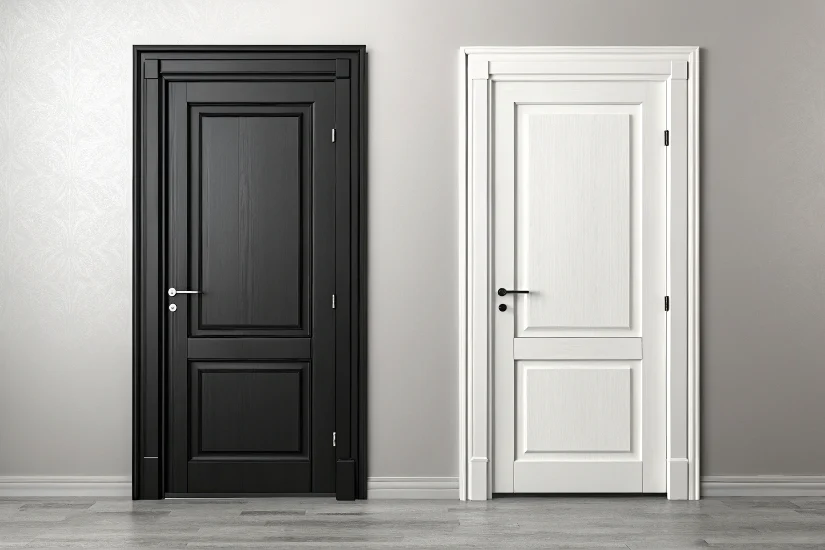
The first impression a door makes is visual. Black interior doors command attention; they act as a focal point, framing entryways and adding depth. White interior doors, on the other hand, recede into the background, creating a seamless, airy feel that can make rooms appear larger.
Why Black Can Be a Game‑Changer
- Contrast: Black creates a striking contrast against light walls, highlighting architectural details.
- Modern Edge: Dark finishes are synonymous with contemporary and industrial aesthetics.
- Definition: In open‑plan homes, black doors can delineate zones without closing off space.
Why White Remains a Classic Choice
- Continuity: White doors blend with most wall colours, preserving a cohesive look.
- Light Enhancement: They reflect natural and artificial light, brightening darker areas.
- Versatility: White works with any style—from minimalist to traditional.
Understanding these visual dynamics is the foundation for making an informed decision about black vs white interior doors.
How Black vs White Interior Doors Influence Light and Space
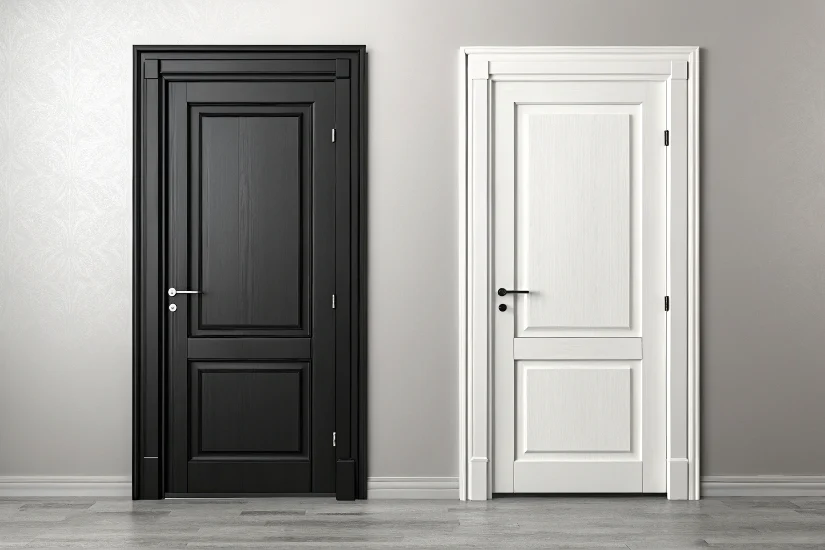
Lighting is the lifeblood of interior design, and the colour of your doors plays a pivotal role in how light behaves throughout your home. Black interior doors absorb light, which can create intimate, cosy pockets. Conversely, white doors bounce light, amplifying brightness and openness.
Light Absorption with Black Doors
In rooms with abundant natural light, a black door can ground the space, preventing glare and providing a visual anchor. In low‑light areas, however, the same door may make the room feel more closed off. Pairing black doors with strategic lighting—such as uplights or pendant fixtures—helps balance the absorption effect.
Light Reflection with White Doors
White doors excel in smaller rooms, studios, or basements where every ounce of light counts. They work especially well with light‑coloured walls and ceilings, creating an uninterrupted flow of brightness. If you opt for white doors, consider using matte or satin finishes to avoid harsh glare.
When deciding between black vs white interior doors, think about the existing light sources and the ambience you aim to achieve in each space.
Material and Finish Considerations for Both Colours
The colour of a door is only part of the story; the underlying material and finish dictate durability, maintenance, and how the colour will age over time.
Choosing the Right Material
- Solid Wood: Offers natural warmth; stains can deepen black tones or brighten white.
- MDF (Medium‑Density Fibreboard): Provides a smooth surface ideal for paint, ensuring uniform black or white coverage.
- Metal: Often used for black doors, delivering a sleek, industrial look with high durability.
Finishes That Complement Black and White
- Matte: Reduces fingerprints on black doors and softens the starkness of white.
- Satin: Offers a subtle sheen that works well for both hues, balancing elegance and practicality.
- Gloss: Highlights colour depth on black doors but can be unforgiving on white, showing smudges easily.
Investing in high‑quality finishes ensures that black vs white interior doors retain their visual appeal for years.
Styling Black Interior Doors in Different Rooms
Black interior doors are versatile, but they shine when paired with complementary design elements. Below are room‑specific styling tips that make dark doors a cohesive part of your décor.
Living Room
In the living area, black doors can act as a visual anchor for a modern sofa or a gallery wall. Pair them with light‑coloured walls, natural wood flooring, and metallic accents (think brass or chrome) for contrast. Adding a budget-friendly living room décor ideas guide can help you balance the boldness of black doors with affordable accessories.
Bedroom
Black bedroom doors create a serene, cocoon‑like atmosphere, especially when combined with soft, neutral bedding and warm lighting. Consider a matte black finish to reduce glare at night and install a subtle back‑lit strip for a contemporary night‑light effect.
Kitchen
For kitchens, black pantry or pantry doors add drama without overwhelming the space, especially when paired with white cabinetry and stainless‑steel appliances. The contrast emphasizes clean lines and makes the kitchen feel purposeful.
Home Office
A black office door can delineate work from living areas, helping maintain focus. Pair it with a light‑coloured desk and shelving to keep the room from feeling too heavy.
Styling White Interior Doors for Seamless Integration
White interior doors excel at creating a cohesive, airy feel. When styled thoughtfully, they can elevate any room without stealing the spotlight.
Bathroom
White doors in a bathroom reinforce a spa‑like atmosphere. Complement them with soft, natural textures like stone or bamboo, and consider adding a bathroom décor ideas guide for cohesive styling.
Dining Area
White doors framing a dining space can make the room feel expansive, especially when combined with a wooden dining table and greenery. A simple, clean backdrop lets the table become the focal point.
Entryway
Using a white door at the entryway sets an inviting tone. Pair it with a bold rug or a statement mirror to add personality without compromising the fresh look.
Small Apartments
In compact living situations, white doors amplify the sense of space. Combine them with light‑coloured walls, reflective surfaces, and strategic lighting to maximize openness.
Budget, Maintenance, and Longevity
Both black and white interior doors can fit a range of budgets, but there are distinct cost and upkeep considerations to keep in mind.
Cost Factors
- Paint vs Pre‑Finished: DIY painting a white MDF door is often cheaper than buying a pre‑finished black wood door.
- Hardware: Dark finishes may require premium hardware (e.g., brushed nickel or black metal) to avoid clashing.
- Installation: Complex frames for black doors, especially metal, can increase labor costs.
Maintenance Tips
- Black Doors: Dust and fingerprints are more visible; regular cleaning with a microfiber cloth and gentle cleaner keeps them looking sleek.
- White Doors: Stains from scuffs or paint can be more noticeable; use a touch‑up paint kit for quick fixes.
- All Doors: Apply a protective sealant every 2–3 years to preserve the finish and guard against moisture.
Choosing the Right Door for Different Rooms
Not every room benefits from the same colour. Below is a quick guide to match black vs white interior doors with room functions and design goals.
- High‑Traffic Areas (Hallways, Kitchens): White doors reflect light, making navigation easier; black doors add durability if using a high‑quality finish.
- Private Spaces (Bedrooms, Home Offices): Black doors create a sense of enclosure; white doors keep the space airy.
- Showcase Areas (Living Rooms, Dining Rooms): Choose black for drama; white for a seamless backdrop that highlights artwork or furniture.
Assess each room’s lighting, size, and intended mood before making a final call on black vs white interior doors.
Quick Tips for Black vs White Interior Doors
- Test paint swatches on a small portion of the door before committing.
- Pair black doors with warm metal hardware to soften the darkness.
- Use white doors in rooms lacking natural light to boost brightness.
- Consider a matte finish on black doors to hide fingerprints.
- Integrate subtle accent lighting on door frames for added visual interest.
Common Mistakes When Selecting Door Colours
Even seasoned designers can slip up. Here are frequent errors and how to avoid them.
- Ignoring Light Levels: Installing a black door in a windowless hallway can make the space feel cramped. Counteract by adding wall sconces.
- Overlooking Hardware Compatibility: Mismatched handles can clash with both black and white doors. Choose finishes that complement the door colour.
- Choosing the Wrong Finish: High‑gloss white doors can look stark; opt for satin or matte for a softer appearance.
- Neglecting Cohesion: A black door against a dark wall eliminates contrast. Ensure surrounding walls provide enough visual difference.
Frequently Asked Questions
Can black interior doors make a small room feel larger?
While black absorbs light, strategic lighting and reflective flooring can offset the effect, allowing the door to serve as a stylish accent without shrinking the space.
Are white interior doors prone to yellowing over time?
High‑quality paints with UV‑resistant additives reduce yellowing. Regular cleaning and a protective sealant extend the pristine look of white doors.
What hardware works best with black doors?
Brushed nickel, oil‑rubbed bronze, or matte black hardware complement the depth of black doors, creating a cohesive, modern aesthetic.
Is it possible to repaint a black door white later?
Yes, but it requires thorough sanding and priming to prevent the original black from showing through. Using a high‑cover primer ensures an even finish.
How do I coordinate black doors with colourful walls?
Pair black doors with muted wall colours or use accent walls. This maintains visual balance while allowing the door to remain a statement piece.
Final Thoughts on Black vs White Interior Doors
Choosing between black and white interior doors isn’t merely a colour decision; it’s about shaping the personality of your home. Black doors bring drama, definition, and a contemporary edge, while white doors offer light, continuity, and timeless versatility. By considering light levels, room function, material durability, and complementary hardware, you can select the perfect hue that aligns with your design vision.
Remember, the right choice enhances flow, amplifies natural light, and reinforces the overall style narrative of each space. Explore more inspiration across The Homara, whether you’re seeking sustainable décor ideas or practical installation guides. With thoughtful planning, your interior doors will become a seamless extension of your home’s story.