
Table of Contents
- Best Serum to Use with LED Light Therapy – Why the Right Serum Matters
- Understanding LED Light Therapy Wavelengths
- Key Ingredients That Enhance LED Results
- Peptides
- Niacinamide (Vitamin B3)
- Salicylic Acid
- Vitamin C (L‑Ascorbic Acid)
- Hyaluronic Acid
- Retinol (Vitamin A)
- Top 5 Serums Recommended for Different LED Devices
- How to Apply Serum Correctly with LED Sessions
- Common Mistakes and How to Avoid Them
- Quick Tips for Maximizing LED & Serum Synergy
- Frequently Asked Questions
LED light therapy has moved from clinical settings into the everyday bathroom, promising everything from acne reduction to collagen‑boosting anti‑aging effects. Yet many users overlook a critical component that can dramatically amplify those results: the serum applied before or after the session. Selecting the best serum to use with LED light therapy isn’t just about a luxury feel; it’s about chemistry that works hand‑in‑hand with specific light wavelengths. In this guide we’ll break down why the right serum matters, which ingredients synergize best with each light type, and present a curated list of top performers that fit a range of budgets and skin concerns.
Whether you’re a skincare novice curious about your new handheld LED mask or a seasoned beauty enthusiast fine‑tuning a professional‑grade panel, understanding the interplay between light and topical actives will help you get the most out of every session. We’ll also sprinkle in a few home‑styling ideas—because a serene, well‑designed space can make your self‑care routine feel even more luxurious.
Best Serum to Use with LED Light Therapy – Why the Right Serum Matters
The core principle behind LED therapy is photobiomodulation: light energy penetrates the skin and triggers cellular processes such as increased ATP production, reduced inflammation, and enhanced fibroblast activity. When you pair this with a serum packed with complementary actives, the skin’s response can be accelerated and more uniform. Think of the serum as a delivery vehicle that primes the skin’s receptors, allowing the light to “talk” to the cells more efficiently.
Choosing the best serum to use with LED light therapy involves matching the serum’s key ingredients to the wavelength you’re using. For example, a red‑light (630‑660 nm) session aims to boost collagen, so a serum rich in peptides and antioxidants can amplify that effect. Conversely, a blue‑light (415‑455 nm) treatment targets acne‑causing bacteria; here a serum with salicylic acid or niacinamide can enhance the antibacterial action without over‑drying the skin.
In practice, the best serum should be lightweight enough to allow light penetration, non‑comedogenic, and free of ingredients that could interfere with the photochemical reaction—such as high concentrations of antioxidants that might absorb the same light wavelengths and reduce efficacy.
Understanding LED Light Therapy Wavelengths
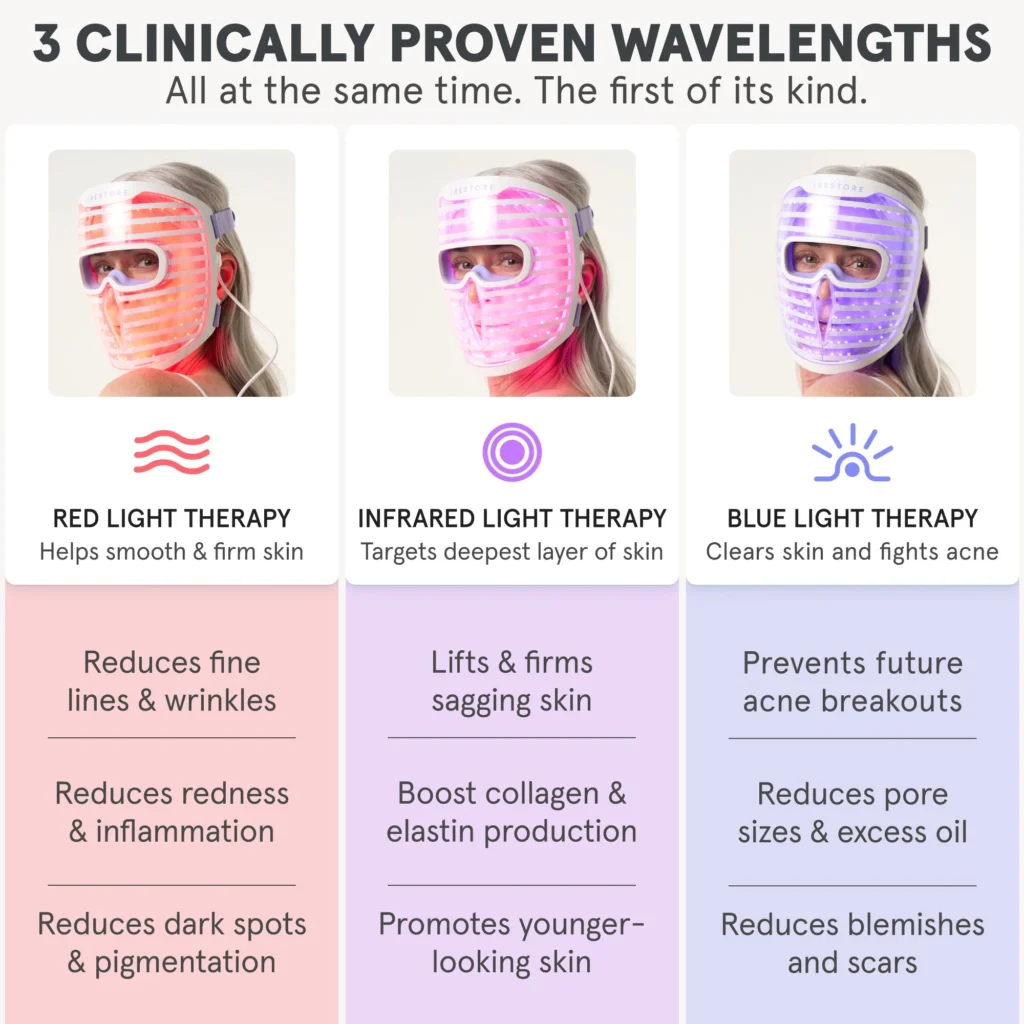
LED devices typically emit one or more of the following wavelengths, each with a distinct skin‑benefit profile:
- Red (630‑660 nm): Stimulates collagen, improves circulation, and reduces fine lines.
- Blue (415‑455 nm): Kills Propionibacterium acnes, reduces oil production, and calms inflammation.
- Near‑Infrared (NIR, 810‑850 nm): Penetrates deeper layers for tissue repair, reduces scar tissue, and eases joint pain.
- Green (525‑550 nm): Targets hyperpigmentation and balances melanin production.
- Yellow (590‑620 nm): Improves skin texture and reduces redness.
When you know which light your device emits, you can pinpoint the active ingredients that will synergize most effectively. For instance, antioxidants such as Vitamin C work well with red light because both combat oxidative stress, while gentle exfoliants pair nicely with blue light to keep pores clear without causing irritation.
Key Ingredients That Enhance LED Results
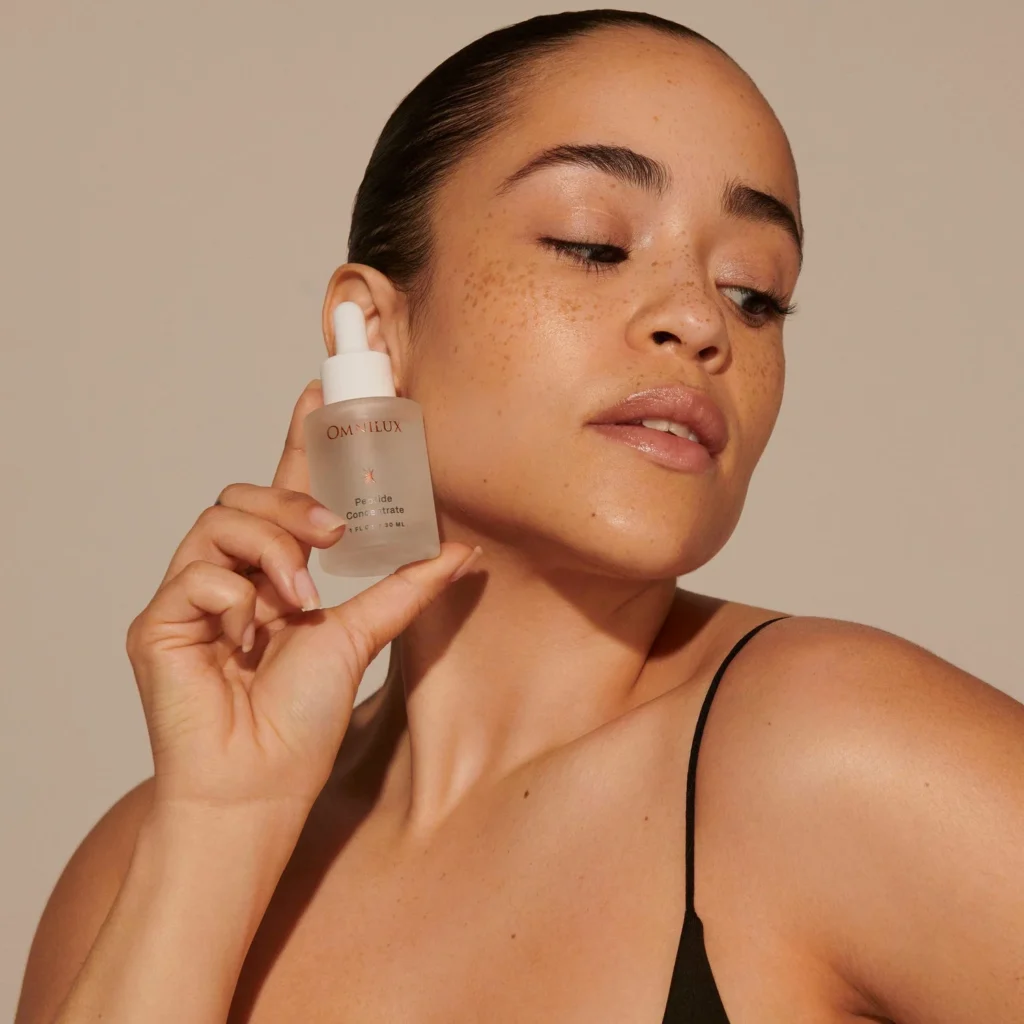
Below are the most research‑backed ingredients that consistently boost the efficacy of LED treatments. Look for these when searching for the best serum to use with LED light therapy for your specific needs.
Peptides
Short chains of amino acids that signal fibroblasts to produce more collagen and elastin. When paired with red or NIR light, peptides can double the collagen‑boosting effect, leading to firmer skin over time.
Niacinamide (Vitamin B3)
A multitasker that reduces inflammation, regulates oil production, and strengthens the skin barrier. It complements both blue and red light by calming redness while supporting barrier repair.
Salicylic Acid
A beta‑hydroxy acid that penetrates pores to dissolve excess sebum. Ideal for blue‑light sessions targeting acne, it helps keep the pores clear without excessive dryness when used at 1‑2% concentration.
Vitamin C (L‑Ascorbic Acid)
A potent antioxidant that neutralizes free radicals generated by light exposure. When combined with red or green light, Vitamin C can further reduce oxidative damage and brighten hyperpigmented spots.
Hyaluronic Acid
Provides deep hydration without creating a heavy film that blocks light. It’s especially useful for NIR treatments where moisture retention supports tissue repair.
Retinol (Vitamin A)
While retinol is a powerhouse for anti‑aging, it can increase photosensitivity. Use it in the evening, separate from LED sessions, or choose a serum with a low, stable retinoid if you’re doing red‑light therapy only.
Top 5 Serums Recommended for Different LED Devices
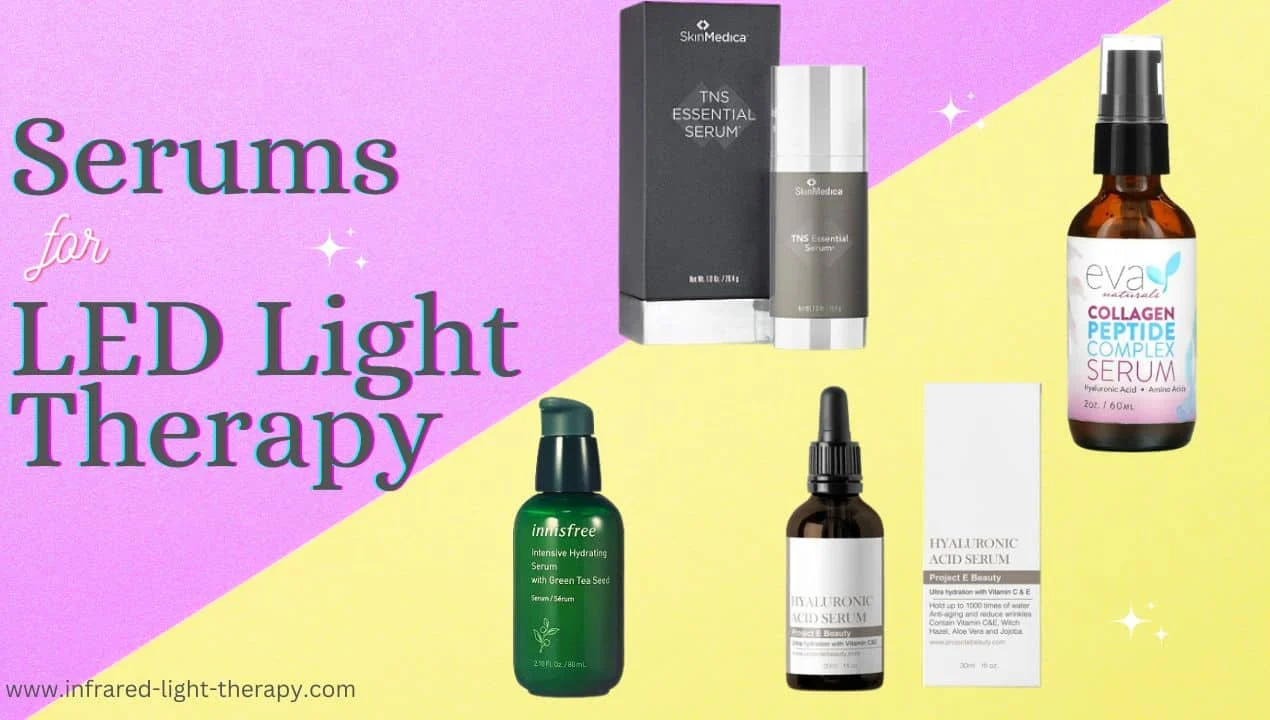
Below is a curated list of the best serum to use with LED light therapy for the most common wavelengths. All products are fragrance‑free, non‑comedogenic, and formulated to let light pass through effectively.
- Radiance Peptide Complex (Red Light) – Contains a blend of Matrixyl 3000, copper peptides, and Vitamin C. The lightweight gel texture makes it perfect for daily red‑light sessions, enhancing collagen synthesis.
- Clear Skin BHA Serum (Blue Light) – 2% salicylic acid combined with niacinamide and tea tree oil. It gently exfoliates while the antimicrobial ingredients support the antibacterial action of blue light.
- Deep Repair Hyaluronic Boost (NIR) – Features a triple‑layer hyaluronic acid formula (low, medium, and high molecular weight) plus panthenol. It keeps deeper skin layers hydrated, allowing NIR light to reach tissues more efficiently.
- Luminous Green Brightening Serum (Green Light) – Combines Vitamin C, licorice root extract, and niacinamide to target melanin production. The serum’s clear, watery base ensures the green wavelength can interact with melanocytes without obstruction.
- Calm & Glow Yellow Elixir (Yellow Light) – A soothing mix of allantoin, chamomile extract, and squalane. It reduces redness while providing a barrier that doesn’t hinder the 590‑620 nm light.
If you’re looking for a broader guide on modern home styling while you enjoy your skincare routine, check out our Easy DIY Home Décor Ideas to Transform Any Space. A well‑curated bathroom can turn a simple LED session into a spa‑like retreat.
How to Apply Serum Correctly with LED Sessions
Even the most potent serum will underperform if applied incorrectly. Follow these steps to maximize the synergy between your serum and LED device:
- Cleanse Thoroughly: Remove makeup, sunscreen, and excess oil with a gentle, pH‑balanced cleanser. This ensures the serum can penetrate without a barrier.
- Pat Dry, Don’t Rub: Lightly blot the skin with a soft towel. Over‑drying can strip natural oils that help the serum spread evenly.
- Apply a Thin Layer: Use 2‑3 drops for the face, spreading in upward motions. A thin film prevents light scattering.
- Wait 1‑2 Minutes: Allow the serum to absorb fully before turning on the LED device. This prevents the light from reflecting off a wet surface.
- Set Your LED Timer: Follow manufacturer recommendations—typically 10‑20 minutes per session.
- Post‑Treatment Care: After the LED session, reapply a second thin layer of serum or a lightweight moisturizer to lock in the benefits.
For those who enjoy a coordinated aesthetic, consider pairing your skincare corner with sleek, minimal fixtures. Our article on Best Tube Lights Illuminating Your Space with Style and Efficiency offers lighting ideas that complement your LED device’s glow.
Common Mistakes and How to Avoid Them
Even with the best serum, some habits can sabotage your LED results:
- Using Heavy, Oily Serums: Thick creams can block light penetration. Stick to water‑based or gel formulas.
- Layering Multiple Active Products: Stacking retinol, acids, and vitamin C before an LED session may cause irritation. Choose one active that aligns with your light wavelength.
- Skipping the Waiting Period: Turning on the LED immediately after applying serum can cause the light to bounce off the liquid, reducing efficacy.
- Over‑Exfoliating: Using strong exfoliants on the same day as a blue‑light session can damage the skin barrier and increase sensitivity.
- Inconsistent Use: LED therapy builds results over time. Pair your serum with a regular schedule—ideally 3‑5 times per week.
Quick Tips for Maximizing LED & Serum Synergy
- Choose serums with a pH close to 5.5 for optimal skin absorption.
- Store your serums in a cool, dark place to preserve antioxidant potency.
- Test a small patch of skin 24 hours before a full session to ensure tolerance.
- Pair LED sessions with a calming environment—soft music and dim ambient lighting enhance relaxation.
- Stay hydrated; systemic hydration supports skin’s response to both light and topical actives.
Frequently Asked Questions
Can I use a retinol serum with red‑light LED therapy?
Yes, but only if the retinol concentration is low (0.3%‑0.5%) and you apply it on nights when you’re not using the LED. Red light is less likely to cause photosensitivity, yet pairing high‑strength retinol with any light can increase irritation.
Do I need a different serum for each LED wavelength?
Ideally, yes. Matching ingredients to the light’s primary function (e.g., peptides for red, salicylic acid for blue) yields the best results, though a balanced multi‑active serum can work for devices that combine several wavelengths.
Is it safe to use antioxidant‑rich serums during an LED session?
Antioxidants like Vitamin C are safe and actually complement red and green light by reducing oxidative stress. However, very high concentrations may absorb some light, so a 10‑15% Vitamin C serum is optimal.
How often should I apply serum with LED therapy?
Consistency matters. Apply the serum before each LED session (3‑5 times weekly) and follow with a lightweight moisturizer afterward. This routine maintains barrier health and supports ongoing collagen production.
Can I use my LED device at home while watching TV or scrolling on my phone?
Yes, as long as the device’s sensor is unobstructed. Avoid bright screens that emit competing blue light during a blue‑light treatment, as this could dilute the therapeutic effect.
For a broader perspective on creating a calming, stylish bathroom sanctuary, explore our guide on Marvin Infinity vs Essential Windows: A Detailed Comparison for Modern Home Décor. The right environment can turn a routine skincare step into a ritual you look forward to.
By selecting the best serum to use with LED light therapy for your specific device, following proper application steps, and avoiding common pitfalls, you’ll unlock faster, more visible improvements in skin texture, tone, and clarity. Remember, the synergy between light and serum is a partnership—treat both with care, and your skin will thank you with a radiant, healthy glow.
Feel inspired to redesign your skincare nook? A clean, organized space not only looks great but also reduces stress, making each LED session more enjoyable. Small décor upgrades—like a sleek countertop organizer or a soft‑glow mirror light—can elevate the whole experience.
Now that you’ve got the science and product recommendations, it’s time to experiment. Track your progress with photos, note how each serum feels under the light, and adjust as needed. Consistency, patience, and the right serum will deliver the luminous skin you’ve been aiming for.