
Table of Contents
- How to Decorate Curtains at Home: Foundations of Great Design
- Scale and Proportion
- Colour Harmony
- Texture and Fabric Choice
- Choosing the Right Curtain Hardware
- Rod Materials and Finishes
- Bracket Placement and Support
- Innovative Hardware Options
- Layering Techniques for Depth and Flexibility
- Sheer + Blockout
- Curtains + Valances
- Mixing Materials
- Styling Curtains for Specific Rooms
- Living Room
- Bedroom
- Kitchen
- Home Office
- Small Apartments
- DIY Projects and Budget‑Friendly Upgrades
- Painting or Dyeing Existing Curtains
- Adding Decorative Trim
- Creating a Custom Valance
- Upcycling Fabric Scraps
- Quick Tips for Instant Impact
- Common Mistakes When Decorating Curtains and How to Avoid Them
- Incorrect Length
- Overly Heavy Fabrics in Small Spaces
- Ignoring the Curtain Rod’s Impact
- Neglecting Maintenance
- Frequently Asked Questions
- Conclusion
Curtains are more than just a functional element that blocks light or provides privacy; they are a powerful design tool that can define a room’s mood, accentuate architectural features, and tie together disparate décor pieces. Whether you live in a compact city apartment or a spacious suburban home, learning how to decorate curtains at home opens up endless possibilities to express personal style without a full‑scale renovation.
In this guide, we’ll walk through the essential principles of curtain styling, from choosing the right fabric and hardware to layering techniques and seasonal updates. You’ll discover practical, budget‑friendly ideas that work for living rooms, bedrooms, kitchens, and even home offices. By the end, you’ll feel confident turning an ordinary window treatment into a focal point that elevates your entire interior.
Let’s explore the art and science of curtain décor, and see how a few thoughtful choices can dramatically transform the look and feel of your home.
How to Decorate Curtains at Home: Foundations of Great Design

The first step in mastering how to decorate curtains at home is understanding the foundational elements that influence the overall impact. These include scale, proportion, colour, texture, and the relationship between the curtains and the rest of the room.
Scale and Proportion
- Measure correctly. The curtain rod should extend at least 6‑12 inches beyond the window frame on each side. This creates a sense of openness and makes the window appear larger.
- Length matters. Floor‑length curtains convey elegance, while “kiss‑the‑floor” styles (curtains that hover an inch above the ground) are more casual and practical for high‑traffic areas.
- Width to height ratio. Aim for a curtain width that is 1.5 to 3 times the window width, depending on how full you want the drape to look. This fullness adds visual weight and softness.
Colour Harmony
Colour selection is where personality shines. A safe starting point is to base your curtain colour on the room’s existing palette. For a harmonious look, choose a shade that either matches a dominant colour or complements a secondary hue.
Need inspiration on colour pairing? Check out our expert guide on the best curtain colour for white walls – it provides a thorough breakdown of classic and contemporary combos.
Texture and Fabric Choice
Fabric influences both aesthetics and functionality. Light fabrics like linen and voile bring breezy elegance, while heavier materials such as velvet or suede add drama and insulation. Consider the room’s usage: a kitchen may benefit from easy‑to‑clean cotton, whereas a bedroom can indulge in plush textures.
Choosing the Right Curtain Hardware
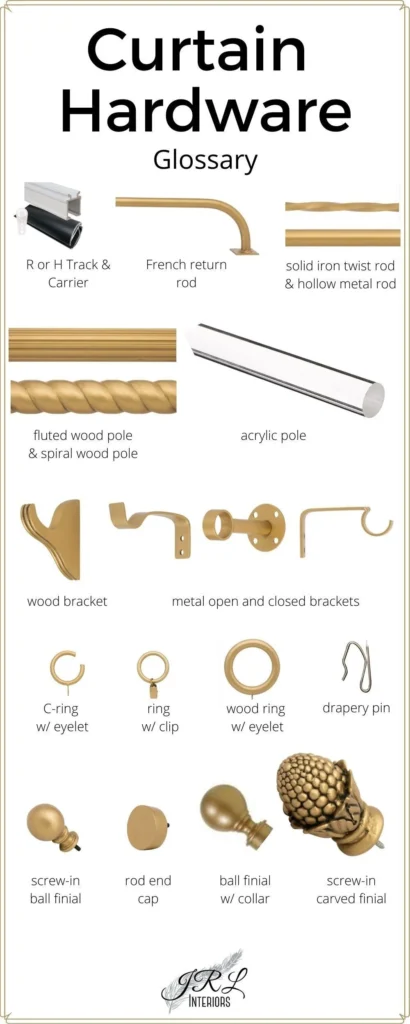
Hardware isn’t just a support system; it’s an integral design element that can either blend seamlessly or make a bold statement. Here’s how to select rods, brackets, and accessories that complement your vision of how to decorate curtains at home.
Rod Materials and Finishes
- Metal rods. Brass and brushed nickel add a sleek, modern vibe; matte black works well in industrial or minimalist spaces.
- Wooden rods. Natural wood finishes bring warmth and are perfect for rustic, Scandinavian, or transitional interiors.
- Decorative finials. Choose finials that echo other room details, such as a mirrored knob that matches a bedside lamp.
Bracket Placement and Support
For heavier curtains, ensure brackets are anchored into wall studs or use toggle bolts for drywall. Position brackets at least 4‑6 inches above the window frame to enhance the sense of height.
Innovative Hardware Options
Consider using tension rods in small apartments for a no‑drill solution, or double‑track systems that allow both sheer and blackout panels to be layered. Layering not only adds visual interest but also provides flexibility for light control throughout the day.
Layering Techniques for Depth and Flexibility

Layering is a dynamic method that adds texture, depth, and functional versatility when you learn how to decorate curtains at home. By combining different types of window treatments, you can adapt the ambience to any mood or season.
Sheer + Blockout
- Install sheer curtains close to the window for diffused daylight and a soft, airy feel.
- Hang heavier blackout panels behind the sheers for privacy and light control at night.
- This combination works especially well in bedrooms, home offices, and media rooms.
Curtains + Valances
Adding a valance – a short decorative piece that sits above the main curtain – creates a finished look. Choose a valance in a coordinating fabric or a contrasting pattern to introduce a pop of colour.
Mixing Materials
Pair a linen panel with a patterned silk valance for an eclectic yet curated appearance. The contrast of matte and sheen adds richness without overwhelming the space.
Styling Curtains for Specific Rooms
Each room has its own functional needs and aesthetic language. Below are tailored strategies for applying the principles of how to decorate curtains at home to various living areas.
Living Room
- Big windows, bold statements. Floor‑to‑ceiling drapes in a saturated hue can anchor the seating arrangement.
- Layer with woven baskets. For a warm, textured backdrop, check out our article on Living Room Décor with Woven Baskets – Stylish, Functional & Timeless. Pairing curtains with natural basket accessories balances softness with organic texture.
- Coordinate with upholstery. Echo a secondary colour from the sofa or rug in the curtain fabric for visual cohesion.
Bedroom
A bedroom thrives on serenity. Opt for blackout curtains in a muted tone to encourage restful sleep, while a sheer overlay adds a romantic glow at sunrise.
Kitchen
In the kitchen, durability and hygiene are paramount. Choose washable cotton or polyester blends. Shorter curtains that stop at the countertop keep the space bright and functional.
Home Office
Productivity benefits from natural light without glare. Sheer curtains paired with a subtle patterned blackout layer can reduce screen reflections while maintaining a professional aesthetic.
Small Apartments
For limited square footage, use high‑mounting rods to draw the eye upward, creating an illusion of height. Light, airy fabrics prevent the room from feeling cramped.
DIY Projects and Budget‑Friendly Upgrades
Transforming curtains doesn’t always require a hefty investment. Creative DIY methods allow you to personalize and refresh your windows while mastering how to decorate curtains at home on a budget.
Painting or Dyeing Existing Curtains
Use fabric dye to refresh faded curtains or change their hue entirely. This technique works especially well with natural fibers like cotton or linen.
Adding Decorative Trim
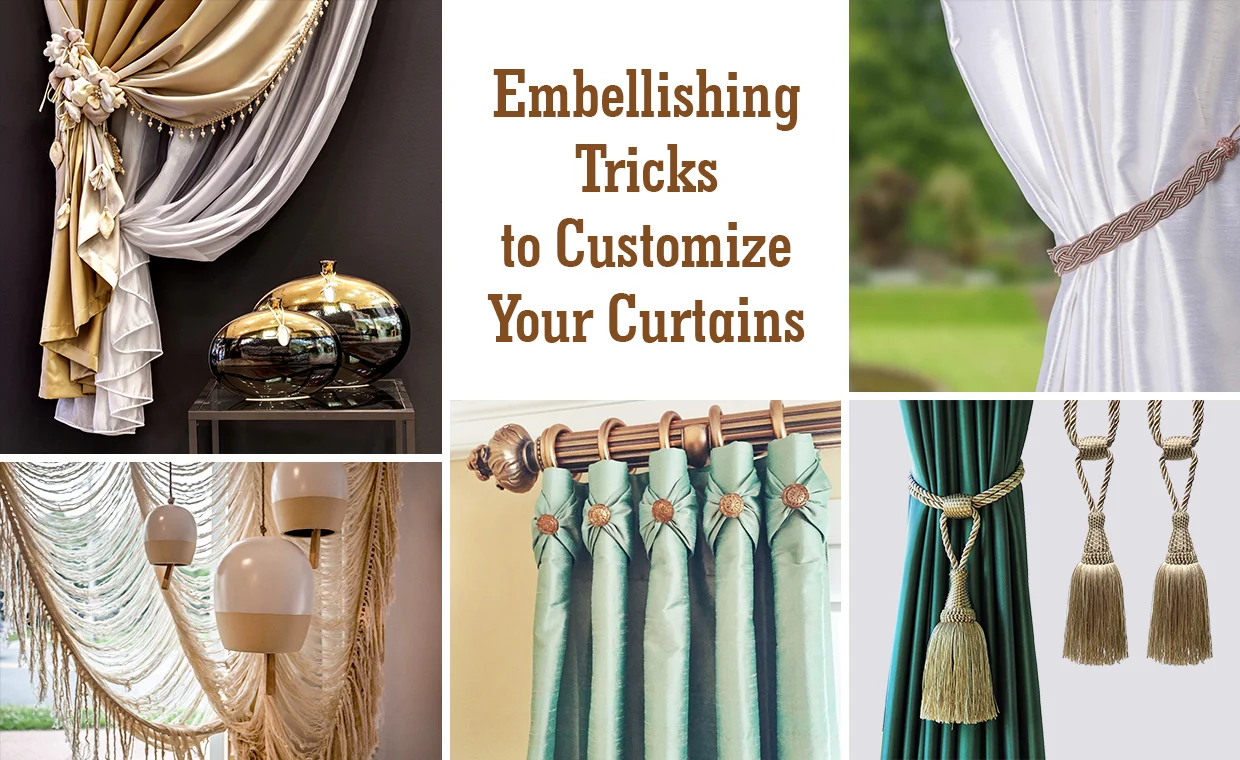
- Attach tassels, pom‑poms, or lace trim to the curtain bottom for a whimsical touch.
- Use a sewing machine or fabric glue for a quick, no‑sew solution.
Creating a Custom Valance
Reuse an old tablecloth or scarf as a valance. Cut to size, hem the edges, and attach with curtain rings for an instant style upgrade.
Upcycling Fabric Scraps
Combine leftover fabric pieces to craft a patchwork curtain. This approach adds visual interest and celebrates sustainable design.
Quick Tips for Instant Impact
- Choose a rod that contrasts with the wall color for a bold statement.
- Hang curtains high and wide to maximize perceived window size.
- Use tie‑backs or holdbacks to showcase the fabric’s texture.
- Incorporate a subtle pattern on sheer panels for added depth.
- Refresh curtain hardware annually to keep the look current.
Common Mistakes When Decorating Curtains and How to Avoid Them
Even seasoned decorators can stumble. Below are typical pitfalls and practical fixes.
Incorrect Length
Curtains that are too short make the room feel unfinished. Measure from the floor to the desired length before purchasing, and always add a few extra inches for trimming if needed.
Overly Heavy Fabrics in Small Spaces
Bulky materials can overwhelm a modest room, making it feel cramped. Opt for lighter fabrics or use a double‑layer approach to retain softness without visual heaviness.
Ignoring the Curtain Rod’s Impact
A plain rod can undermine an otherwise sophisticated scheme. Select a rod finish that complements other metal accents in the room, such as cabinet handles or light fixtures.
Neglecting Maintenance
Regular cleaning extends curtain life. Follow care labels—most cotton and polyester blends are machine‑washable, while delicate silks require dry cleaning.
Frequently Asked Questions
What curtain length works best for high‑ceiling rooms?
For ceilings higher than 9 feet, floor‑length curtains that hang just a half‑inch above the floor create an elegant, elongated look. If you want an ultra‑luxurious feel, let them puddle slightly on the floor.
Can I use the same curtains in multiple rooms?
Absolutely. Choose a neutral base colour and pair it with different accessories—valances, tie‑backs, or hardware—to adapt the curtains to each room’s style.
How do I make curtains more sound‑absorbing?
Heavier fabrics like velvet or specially‑treated acoustic curtains can dampen noise. Adding a second layer of blackout curtains also improves sound insulation.
Is it necessary to match curtain colour with the wall?
Not necessarily. Contrasting colours can add drama, while complementary tones create harmony. Consider the overall colour scheme and the mood you wish to evoke.
What are the best curtain options for a minimalist apartment?
Simple, clean lines in neutral tones (white, beige, light grey) with minimal hardware work best. For inspiration, see our guide on Minimalist Home Styling for Apartments.
Conclusion
Learning how to decorate curtains at home is a rewarding journey that blends practicality with artistic expression. By focusing on scale, colour, texture, and the right hardware, you can turn ordinary windows into striking focal points. Whether you prefer the drama of floor‑length velvet, the breeziness of linen sheers, or a layered look that adapts to every time of day, the possibilities are endless.
Remember to measure carefully, experiment with layering, and don’t shy away from DIY upgrades that reflect your personal style. With these strategies in hand, you’re ready to refresh any room—living room, bedroom, kitchen, or office—while staying within budget and maintaining a cohesive design language. Happy decorating, and enjoy watching your home transform, one curtain at a time.