

Table of Contents
- Cozy Living Room Layered Rug Styling: A Design Overview
- Cozy Living Room Layered Rug Styling: Choosing the Right Base
- Choosing the Right Rug Shapes and Sizes for Layering
- Cozy Living Room Layered Rug Styling: Color & Pattern Harmony
- Cozy Living Room Layered Rug Styling: Texture Pairing
- Practical Placement Tips for Different Living Room Layouts
- Quick Tips for Instantly Elevating Your Rug Layers
- Common Mistakes in Layered Rug Styling and How to Avoid Them
- Frequently Asked Questions
- Putting It All Together: A Real‑World Example
- Conclusion
Cozy Living Room Layered Rug Styling: A Complete Guide
Creating a living room that feels both inviting and visually dynamic is a goal many homeowners share. One of the most effective ways to achieve this is through the art of layered rugs. When done right, cozy living room layered rug styling adds depth, warmth, and a touch of personality without overwhelming the space. This approach works beautifully in apartments, suburban homes, and even compact studios, allowing you to play with texture, color, and pattern while maintaining a cohesive look.
In this guide, we’ll walk you through the essential principles of layering rugs, from selecting the perfect size combinations to mastering color harmony. You’ll learn practical placement strategies for various floor plans, discover common pitfalls to avoid, and pick up quick actionable tips you can apply today. By the end, you’ll have a clear roadmap to transform any living area into a cozy sanctuary that reflects your unique style.
Cozy Living Room Layered Rug Styling: A Design Overview

The foundation of successful layered rug styling lies in understanding why layers work. A single rug can anchor a room, but two or more rugs create visual interest and a sense of depth, much like a painter adds layers of paint to achieve richness. When you layer, each rug should have a distinct role: the larger base rug defines the space, while the smaller rug(s) highlight focal points or add a splash of pattern.
Key considerations include the size relationship (usually a 1:2 or 1:3 ratio), the balance of textures, and the flow of foot traffic. For example, a neutral jute rug can serve as the foundational layer, providing a natural, tactile feel, while a vibrant Persian‑style rug placed on top can inject color and cultural flair. This layered approach not only feels cozy but also offers flexibility—swap out the top rug seasonally to refresh the room’s vibe.
Cozy Living Room Layered Rug Styling: Choosing the Right Base
Start with a base rug that covers most of the seating area. This rug should be large enough to accommodate your sofa, armchairs, and coffee table, typically extending a foot beyond each piece. Neutral tones—think ivory, soft gray, or muted beige—work well because they allow the upper rug(s) to become the star without competing for attention. Materials such as low‑pile wool or woven sisal provide durability and a subtle texture that invites you to walk barefoot.
When choosing the base, consider the room’s existing color palette. If your walls are painted in cool blues, a warm beige base can create a comforting contrast, reinforcing the cozy living room layered rug styling effect. Remember, the base sets the stage, so prioritize size, durability, and a neutral hue that complements your overall décor.
Choosing the Right Rug Shapes and Sizes for Layering
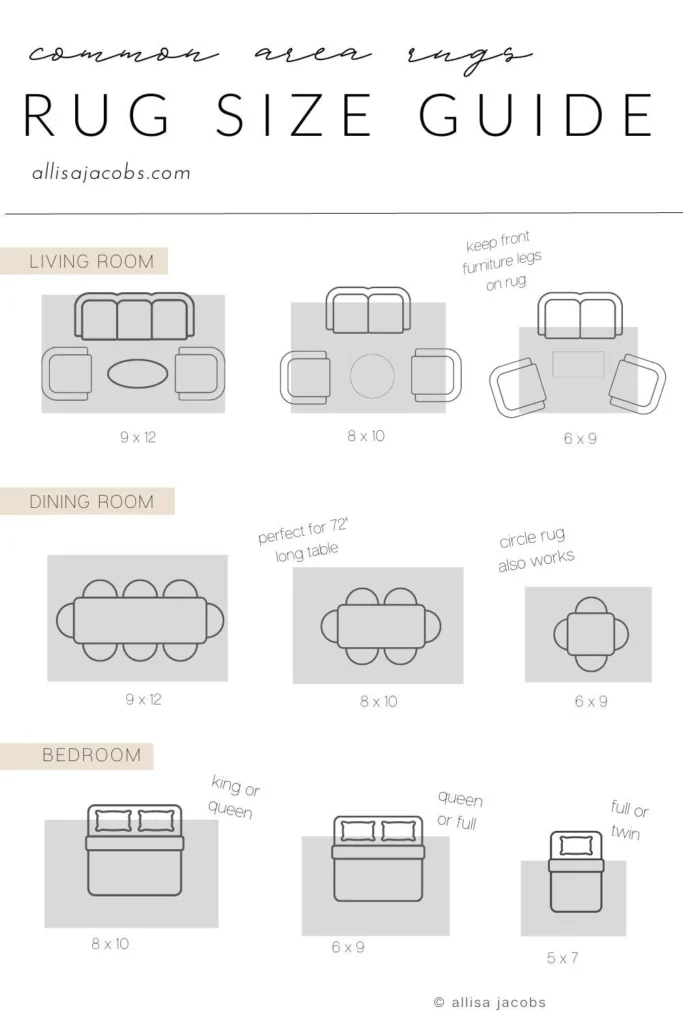
While rectangular rugs dominate most living rooms, experimenting with different shapes can add intrigue. Pair a large rectangular base with a round or oval rug on top to soften hard lines, or use a square rug to create a centered focal point. The key is maintaining proportion; a too‑large top rug will drown the base, while a too‑small piece may look lost.
- 1:2 Ratio – The top rug is roughly half the size of the base. Ideal for creating a balanced visual hierarchy.
- 1:3 Ratio – The top rug covers a third of the base area, perfect for accentuating a coffee table or a reading nook.
- Mixed Shapes – Combine a rectangular base with a circular accent rug to break monotony and add a sense of movement.
For small apartments, consider a single large rug with a narrow runner layered at the entrance. This approach adds definition without overcrowding the floor. When you’re unsure about proportions, lay out the rugs on the floor using painter’s tape first—this visual test helps you gauge scale before committing.
Cozy Living Room Layered Rug Styling: Color & Pattern Harmony
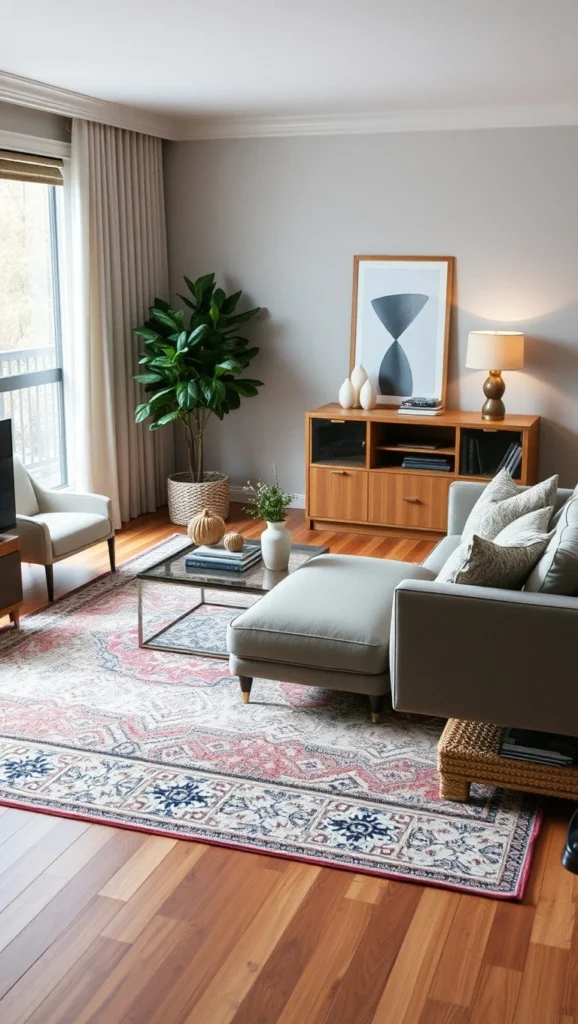
Color coordination is where creativity shines. A successful cozy living room layered rug styling scheme often follows the 60‑30‑10 rule: 60% of the room’s palette comes from walls and large furniture, 30% from secondary elements like the base rug, and 10% from accent pieces—including the top rug. Choose a base rug in a muted version of your secondary color, then let the top rug introduce a bold pattern or contrasting hue.
For example, if your sofa is a deep navy, a light gray base rug provides a neutral canvas, while a mustard‑colored geometric rug on top adds a pop of warmth. When mixing patterns, keep scale in mind: pair a large‑scale, low‑contrast pattern on the base with a smaller, high‑contrast design on top. This prevents visual chaos and maintains the room’s cozy ambiance.
Cozy Living Room Layered Rug Styling: Texture Pairing
Texture is an often‑overlooked component of layering. Combining a soft, plush rug with a flat‑weave piece creates tactile contrast that encourages you to feel the floor as you move through the room. A shaggy rug under a sleek, flat‑woven kilim, for instance, offers a modern‑bohemian vibe that feels both relaxed and curated.
When selecting textures, think about the room’s usage. High‑traffic areas benefit from low‑pile, durable fibers, while a reading corner can afford a more delicate, high‑pile rug for comfort. Layering different textures also helps hide wear—if the top rug shows signs of flattening, the plush base continues to provide comfort and visual interest.
Practical Placement Tips for Different Living Room Layouts
Every living room layout—whether open‑plan, L‑shaped, or compact—presents unique challenges for cozy living room layered rug styling. Here are three common configurations and how to approach them:
- Open‑Plan Living/Dining – Use a large neutral base that spans both zones, then place a distinct top rug under the coffee table to delineate the lounge area.
- L‑Shaped Seating – Align the base rug with the longest wall, allowing the top rug to sit under the main seating cluster, creating a visual anchor.
- Compact Studio – Opt for a single rug that covers most of the floor, and layer a narrow runner across the entrance for directional flow.
Remember to keep the rug edges visible. Allow at least 6‑12 inches of floor space between the rug’s perimeter and the walls to prevent a boxed‑in feeling. This breathing room enhances the cozy effect by allowing natural light to reflect off the floor, especially in rooms with hardwood or light‑colored flooring.
Quick Tips for Instantly Elevating Your Rug Layers
- Start with a neutral base; it makes swapping top rugs easy.
- Use a 1:2 size ratio for a balanced look.
- Mix textures—soft plus flat‑weave—for depth.
- Anchor the top rug over a coffee table or seating cluster.
- Rotate the top rug seasonally to keep the space fresh.
Common Mistakes in Layered Rug Styling and How to Avoid Them
Even seasoned decorators can slip up. Below are frequent errors and practical fixes:
- Choosing Rugs That Are Too Similar – When both rugs share the same color and pattern, the layering effect disappears. Introduce contrast through hue or design.
- Ignoring Traffic Flow – Placing a delicate top rug where foot traffic is heavy leads to premature wear. Keep the sturdier rug on the most trafficked paths.
- Incorrect Proportions – A top rug that’s too large overwhelms the base, while one that’s too small looks like an afterthought. Stick to the 1:2 or 1:3 ratio guidelines.
- Neglecting the Edge Gap – Rugs that touch the walls can make a room feel cramped. Always leave a small border of exposed flooring.
- Clashing Styles – Pairing a modern abstract rug with a traditional oriental piece can feel chaotic. Choose a unifying element like color or material to tie them together.
By being mindful of these pitfalls, you’ll ensure your cozy living room layered rug styling remains harmonious, functional, and aesthetically pleasing.
Frequently Asked Questions
Can I layer more than two rugs in a living room?
Absolutely. While two rugs are the most common, adding a third, such as a narrow runner across a hallway, can enhance zones within the same space. Just maintain consistent ratios and keep the visual hierarchy clear.
What rug materials work best for layering?
Combine low‑pile wool or synthetic blends for durability with high‑pile plush or flat‑weave natural fibers like jute or bamboo. This mix balances comfort with longevity, especially in high‑traffic areas.
How do I keep layered rugs from slipping?
Use non‑slip rug pads underneath each layer. A high‑density pad under the base rug prevents movement, while a thinner pad beneath the top rug adds grip without adding height.
Is it okay to layer a patterned rug over a solid‑color rug?
Yes, and it’s often recommended. A solid base lets the patterned top rug shine, creating a focal point without competing patterns that could overwhelm the space.
How often should I rotate my layered rugs?
Rotating every six months helps even out wear and refreshes the room’s look. If you have seasonal colors, consider swapping the top rug to match your décor calendar.
Putting It All Together: A Real‑World Example
Imagine a living room with light gray walls, a navy sectional, and walnut flooring. Start with a 9‑foot rectangular, low‑pile wool rug in a soft taupe as the base. This neutral tone echoes the walnut floor while grounding the navy sofa. Next, place a 5‑foot round rug featuring a muted mustard geometric pattern directly under the coffee table. The round shape softens the room’s angular furniture, and the mustard accent draws the eye without clashing with the navy.
Finish the look with a thin jute runner crossing the doorway, providing a natural texture that ties the space together. Add a couple of plush cushions in mustard and teal for coordinated pops of color, and you have a cohesive, layered design that feels both cozy and thoughtfully styled.
For further inspiration on small‑space design, check out our modern apartment décor ideas. If you’re interested in complementary décor projects, our guide on DIY wall shelf using crates offers a practical way to add storage without compromising style.
Conclusion
Layered rugs are a versatile, affordable, and visually rewarding way to elevate any living area. By selecting the right base, respecting size ratios, and thoughtfully mixing colors, patterns, and textures, you can achieve cozy living room layered rug styling that feels both intentional and inviting. Remember to consider traffic flow, maintain a clear edge gap, and avoid common missteps like mismatched scales or overly similar designs. With the tips, examples, and quick fixes shared here, you’re ready to experiment, refresh, and enjoy a living room that truly reflects your personal style.
Explore more interior design inspiration on The Homara, and let your creativity guide the next layer of comfort in your home.