
Table of Contents
- Simple Kitchen Shelf Arrangement: Foundations for Function and Style
- Why a Simple Kitchen Shelf Arrangement Works
- Assessing Your Space and Needs
- Choosing the Right Shelving Materials
- Organizing by Zones: Cooking, Baking, and Everyday Essentials
- Cooking Zone
- Baking Zone
- Everyday Essentials
- Styling Tips for a Cohesive Look
- Quick Tips for an Instant Upgrade
- Common Mistakes to Avoid
- Frequently Asked Questions
- Conclusion
Simple Kitchen Shelf Arrangement: Practical Tips for Every Home
When it comes to designing a functional kitchen, the way you arrange your shelves can make or break the overall flow. A simple kitchen shelf arrangement not only maximizes storage but also enhances visual harmony, turning a busy cooking area into an inviting space. Whether you live in a compact apartment or a spacious house, thoughtful shelf placement can free up countertops, keep essential tools within reach, and showcase decorative pieces without creating clutter.
Homeowners and renters alike often overlook the power of shelves as design elements. By treating them as both storage solutions and styling opportunities, you can achieve a balance between practicality and aesthetics. In the following sections, we’ll explore step‑by‑step methods, material choices, zone‑based organization, and styling tricks that empower you to craft a simple kitchen shelf arrangement that feels intentional and effortlessly elegant.
Simple Kitchen Shelf Arrangement: Foundations for Function and Style
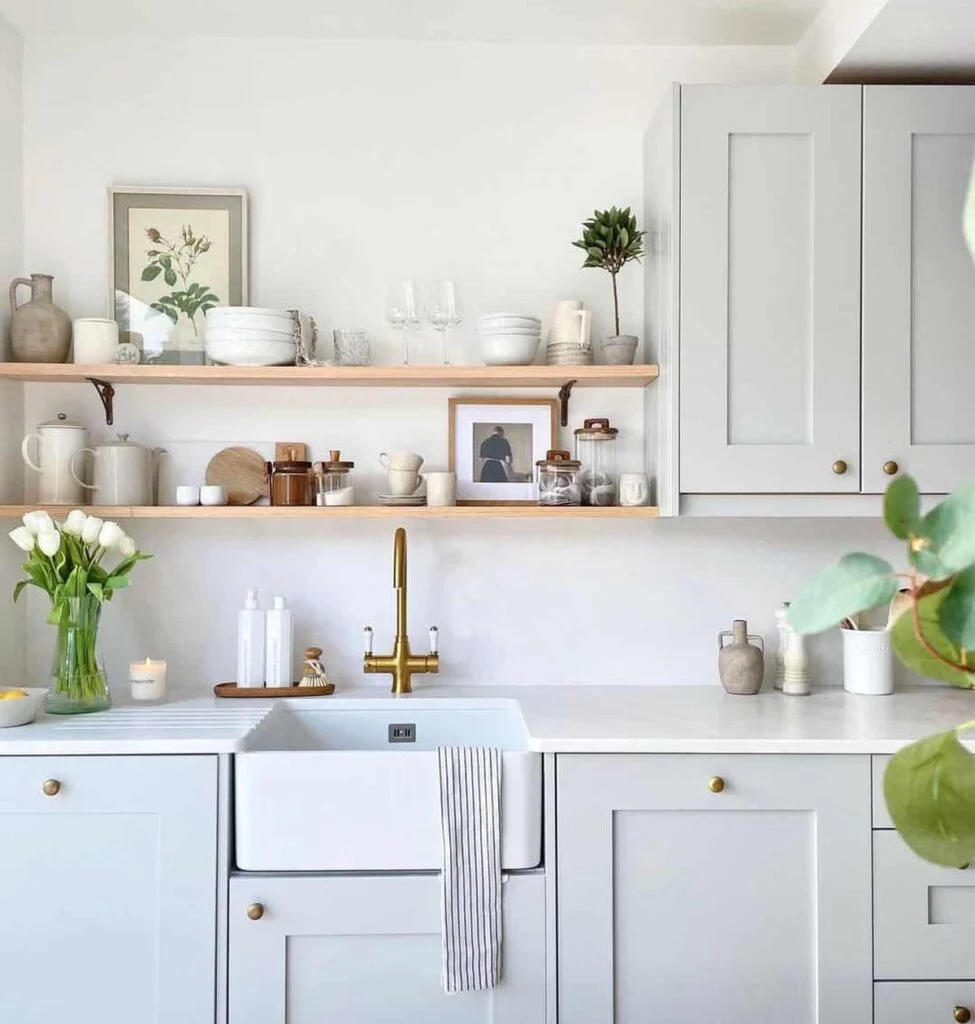
The first step in any successful kitchen makeover is understanding the dual role of shelves: they store, display, and define the room’s visual rhythm. A simple kitchen shelf arrangement begins with a clear assessment of the items you own, the activities you perform daily, and the overall aesthetic you wish to convey. By mapping out where you cook, bake, and entertain, you can allocate shelf space accordingly, ensuring that everything from spices to serving platters has a dedicated home.
Why a Simple Kitchen Shelf Arrangement Works
- Improves workflow by placing frequently used items at eye level.
- Reduces countertop clutter, freeing space for food prep.
- Creates visual interest through curated displays of cookware and décor.
- Supports small‑space living by utilizing vertical real estate.
Integrating these principles helps you achieve a harmonious blend of utility and style, making the kitchen feel larger and more organized. For inspiration on how to balance function with modern aesthetics, see our guide on modern apartment décor ideas, which offers valuable insights for compact environments.
Assessing Your Space and Needs

Before you install new shelves or rearrange existing ones, take precise measurements of wall length, ceiling height, and any obstructions such as windows or appliances. Sketch a simple floor plan and note the locations of key work zones—prep, cooking, cleaning, and storage. This visual map will reveal gaps where a simple kitchen shelf arrangement can fill voids, improve accessibility, and maintain a clean line of sight across the room.
Consider the following questions during your assessment:
- Which items do you reach for most often? (e.g., daily spices, utensils)
- Do you need open shelving for decorative pieces or closed cabinets for hidden storage?
- How much vertical space is available for high shelves versus low, easily reachable ones?
Answering these questions ensures that your shelf layout aligns with both practical requirements and aesthetic goals, a core principle of effective home décor ideas planning.
Choosing the Right Shelving Materials

Material selection influences durability, maintenance, and the overall vibe of your kitchen. Wood offers warmth and can be stained or painted to match existing cabinets, while metal provides an industrial edge and resists moisture. Glass shelves create an airy feel, especially in smaller kitchens, but may require frequent cleaning. For a sustainable choice, reclaimed wood or bamboo adds eco‑friendly charm without sacrificing strength.
When selecting materials, keep these considerations in mind:
- Weight capacity: Heavy cookware needs sturdy support; verify load limits.
- Finish durability: Kitchens are prone to splatters; opt for finishes that resist stains.
- Stylistic cohesion: Match shelf material with countertop and hardware for a seamless look.
Blending different textures can also create visual depth. For instance, pairing a reclaimed wood shelf with matte black brackets delivers a modern yet rustic feel, aligning with contemporary interior design tips.
Organizing by Zones: Cooking, Baking, and Everyday Essentials
A well‑planned simple kitchen shelf arrangement respects the concept of zones—grouping items based on how often and where they are used. This zoning principle reduces movement, speeds up meal preparation, and keeps your kitchen orderly.
Cooking Zone
Place oil bottles, frequently used spices, and essential utensils on a shelf just above the stove. Use clear jars for spices to maintain a uniform look and make identification effortless. Adding a small magnetic strip for knives can free up drawer space while keeping blades safely accessible.
Baking Zone
Allocate a lower shelf near the countertop for mixing bowls, measuring cups, and bakeware. Stack baking sheets vertically using a simple rack, allowing you to pull them out without disturbing other items. Decorative containers for flour, sugar, and cocoa not only store staples but also add a cohesive color palette.
Everyday Essentials
Reserve a middle‑height shelf for coffee makers, mugs, and daily-use appliances. Incorporate a decorative basket or tray to corral loose items like napkins or reusable bags. This zone keeps your morning routine smooth and your countertops clear.
By aligning each shelf with a specific zone, you turn a simple kitchen shelf arrangement into a strategic workflow enhancer, echoing the efficiency found in professional kitchens.
Styling Tips for a Cohesive Look
Open shelving offers a canvas for personal expression. To avoid a chaotic appearance, follow a few key styling strategies that keep your simple kitchen shelf arrangement polished and purposeful.
- Limit the number of decorative pieces: Aim for a 2:1 ratio of functional items to décor.
- Use uniform containers: Matching jars, canisters, and bowls create visual continuity.
- Introduce greenery: Small potted herbs add freshness and practicality for cooking.
- Play with height: Arrange taller items at the back and shorter ones in front to maintain depth.
For a touch of seasonal charm, rotate a few decorative objects—such as a rustic wooden bowl or a set of ceramic mugs—without overloading the shelves. If you enjoy crafting, our article on DIY décor with simple clay bowls offers budget‑friendly ideas that can seamlessly integrate into your shelving scheme.
Quick Tips for an Instant Upgrade
Sometimes a small tweak can dramatically improve the look and function of your kitchen shelves. Here are three quick, actionable ideas you can implement today:
- Install removable adhesive hooks underneath a shelf to hang mugs or utensils.
- Swap mismatched canisters for a cohesive set in a single hue to instantly tidy the visual field.
- Add a thin strip of LED lighting along the back edge of a shelf to highlight displayed items and add ambience.
These easy adjustments enhance the overall impact of your simple kitchen shelf arrangement without requiring major renovations.
Common Mistakes to Avoid
Even seasoned home stylists can stumble when arranging shelves. Recognizing common pitfalls helps you steer clear of costly errors.
- Overcrowding: Packing too many items defeats the purpose of open shelving and creates visual noise.
- Ignoring weight distribution: Placing heavy cookware on flimsy brackets can lead to sagging or breakage.
- Neglecting lighting: Poor lighting hides the beauty of displayed pieces; consider under‑shelf lighting.
- Mixing styles indiscriminately: Combining ultra‑modern metal with vintage rustic wood without a unifying element can look disjointed.
By staying mindful of these issues, you ensure that your simple kitchen shelf arrangement remains functional, safe, and aesthetically pleasing for years to come.
Frequently Asked Questions
What height should my kitchen shelves be?
A comfortable eye‑level range is 48–60 inches from the floor, but adjust based on your height and the items you’ll store. Lower shelves work well for heavier cookware, while higher ones suit decorative pieces.
Can I use wall-mounted shelves in a small kitchen?
Absolutely. Wall-mounted shelves free up floor space and create vertical storage, which is ideal for small‑space decorating. Just ensure the brackets can support the weight of your chosen items.
How do I keep open shelves looking tidy?
Adopt a uniform container system, limit decorative items, and regularly declutter. Group similar objects together—spices in one row, mugs in another—to maintain order.
Is it okay to mix open and closed storage?
Yes. Combining open shelves with cabinets lets you hide less‑attractive items while showcasing your favorite pieces, achieving a balanced look that aligns with modern home styling.
Should I paint my shelves the same color as my cabinets?
Matching colors create a seamless flow, but contrasting hues can add depth. Choose based on the overall palette of your kitchen and the mood you want to evoke.
Conclusion
Designing a simple kitchen shelf arrangement is a rewarding process that blends organization with personal style. By assessing your space, selecting appropriate materials, zoning your storage, and applying thoughtful styling techniques, you transform ordinary shelves into functional art. Remember to avoid common mistakes, incorporate quick upgrades, and stay true to your home’s overall design narrative. With these insights, you’re ready to curate a kitchen that not only works efficiently but also inspires daily cooking moments. For more inspiration, explore our article on simple dining table styling ideas, and keep experimenting with the endless possibilities of modern home décor.