
Table of Contents
- Understanding Why Dried Dog Poop Is Hard to Remove
- Gathering the Right Tools and Materials
- Step‑by‑Step Process: How to Clean Dried Dog Poop from Carpet
- Step 1: Softening the Dried Residue
- Step 2: Gentle Mechanical Removal
- Step 3: Applying an Enzymatic Cleaner
- Step 4: Blotting and Rinsing
- Step 5: Drying the Carpet
- Step 6: Final Vacuum
- Preventive Strategies to Keep Carpets Clean
- Quick Home Décor Tips for a Pet‑Friendly Space
- Common Mistakes When Cleaning Pet Stains
- Frequently Asked Questions
- Can I use bleach to clean dried dog poop from carpet?
- How long should I wait before using a carpet shampoo after cleaning?
- Is it safe to use a steam cleaner on a carpet with pet stains?
- What should I do if the stain reappears after cleaning?
- Can professional carpet cleaning replace my own efforts?
- Do certain carpet materials resist pet stains better?
How to Clean Dried Dog Poop from Carpet – A Complete Guide for Modern Homeowners
Pets bring joy, companionship, and a few unexpected challenges to any household. One of the most frustrating—and often overlooked—issues is dealing with dried dog poop that has found its way onto a carpeted floor. While it may seem like a small inconvenience, ignoring the stain can lead to lingering odors, discoloration, and even damage to the carpet fibers. Understanding the proper method for removal not only preserves the aesthetic integrity of your home décor but also maintains a healthy indoor environment.
This guide walks you through the science behind dried pet waste, the essential tools you’ll need, and a step‑by‑step process that works for a variety of carpet types. Whether you’re a seasoned pet owner, a renter concerned about lease agreements, or a design enthusiast who wants every rug to look flawless, the techniques below will help you restore your carpet with confidence.
By the end of this article, you’ll know exactly how to clean dried dog poop from carpet without compromising the texture or color, and you’ll have a set of preventive habits that keep future accidents from becoming a design nightmare.
Understanding Why Dried Dog Poop Is Hard to Remove
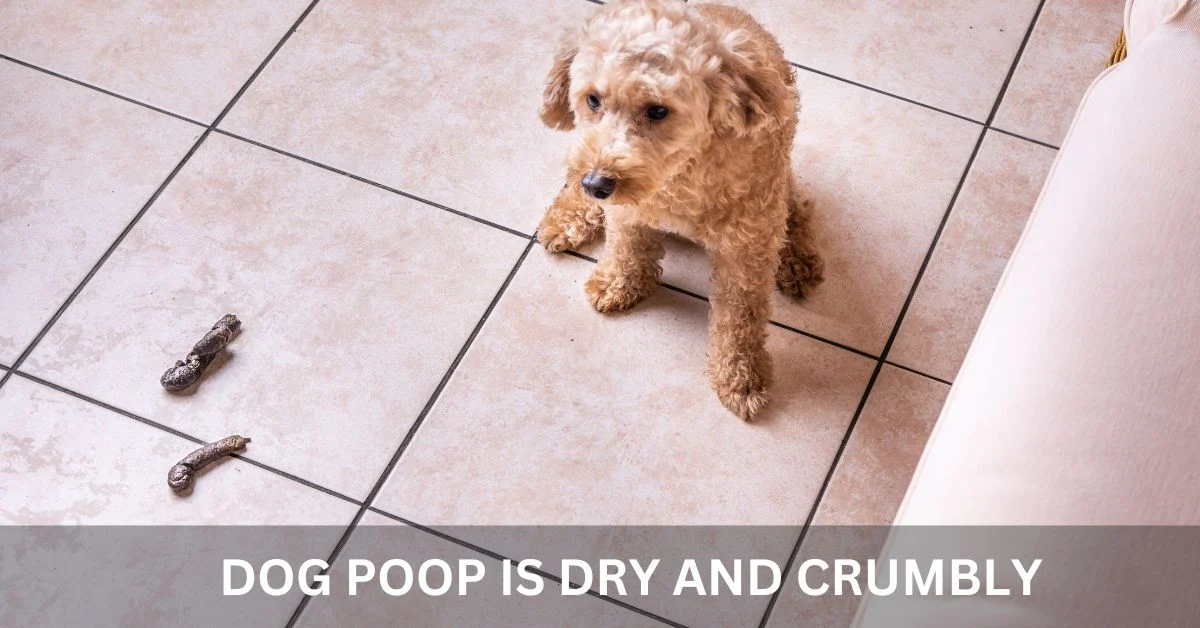
When dog waste dries, the proteins and fats solidify, binding tightly to carpet fibers. This makes the stain resistant to simple water‑based cleaning solutions. Additionally, the odor‑causing bacteria become entrenched, which can lead to a persistent smell if not treated properly. Recognizing these challenges is the first step in learning how to clean dried dog poop from carpet effectively.
Most modern carpets are made of nylon, polyester, or olefin, each with its own tolerance for moisture and cleaning agents. Knowing the composition of your carpet will guide you toward the safest cleaning products, ensuring you don’t inadvertently discolor or weaken the fibers.
Gathering the Right Tools and Materials

Before you tackle the mess, assemble a kit that includes both household items and specialized cleaners. Having everything at hand prevents the need to pause mid‑process, which can allow the stain to set deeper.
- Protective gloves – to keep hands clean and avoid bacterial transfer.
- Vacuum cleaner with a hose attachment – for loose debris removal.
- Plastic scraper or dull knife – to gently lift the solid portion without pulling fibers.
- White vinegar or enzymatic cleaner – both break down organic matter.
- Distilled water – avoids mineral deposits that can affect carpet texture.
- Microfiber cloths – absorb moisture without leaving lint.
- Spray bottle – for controlled application of cleaning solution.
- Drying fan or hair dryer on cool setting – speeds up the drying process.
For a deeper dive into how small design details can influence cleaning routines, see our Simple Home Design Ideas: Fresh Inspiration for Every Room article.
Step‑by‑Step Process: How to Clean Dried Dog Poop from Carpet

Step 1: Softening the Dried Residue
Start by lightly misting the affected area with a mixture of one part white vinegar to two parts distilled water. The acidity of the vinegar helps to break down the hardened proteins. Let the solution sit for 5–7 minutes; you’ll notice the waste beginning to soften.
Step 2: Gentle Mechanical Removal
Using a plastic scraper, carefully lift the softened mass. Avoid using metal tools, as they can snag or tear carpet fibers. Work from the outer edges toward the center to prevent spreading the stain.
Step 3: Applying an Enzymatic Cleaner
Enzymatic cleaners are specifically formulated to digest organic material. Apply a generous amount over the remaining stain, following the manufacturer’s instructions for dwell time—usually 10–15 minutes. The enzymes will continue to break down microscopic residues that cause odor.
Step 4: Blotting and Rinsing
After the enzymatic action, dampen a clean microfiber cloth with distilled water and gently blot the area. Do not rub; blotting lifts the cleaning solution and residue without embedding them deeper into the fibers.
Step 5: Drying the Carpet
Use a fan or a cool‑setting hair dryer to dry the carpet quickly. Moisture left in the fibers can promote mold growth, which defeats the purpose of your thorough cleaning.
Step 6: Final Vacuum
Once the carpet is completely dry, vacuum the area to lift the fibers back to their original position and remove any remaining particles.
Following these steps will leave your carpet looking and smelling fresh, ready to complement any interior design scheme you have planned.
Preventive Strategies to Keep Carpets Clean
Even the best cleaning routine can’t replace good habits. Below are practical measures that reduce the likelihood of future accidents turning into stubborn stains.
- Designate a pet‑friendly zone with washable rugs or mats where your dog prefers to rest.
- Train your dog to use a specific outdoor area, reinforcing the habit with treats.
- Place a breathable carpet protector or stain‑resistant pad beneath high‑traffic rugs.
- Schedule regular grooming and health checks; a healthy digestive system means fewer accidents.
- Keep a quick‑access cleaning kit in a hallway closet for immediate response.
For a broader view on how thoughtful layout choices can simplify maintenance, explore Transform Your Living Space: Living Room Décor with Clay Pottery Décor Ideas.
Quick Home Décor Tips for a Pet‑Friendly Space
- Choose low‑pile carpets; they are easier to clean and less likely to trap pet hair.
- Opt for neutral, stain‑hiding colors such as greys or beiges that disguise minor mishaps.
- Incorporate washable slipcovers on sofas and chairs to protect upholstery.
- Use stylish storage baskets to hide pet supplies while keeping the room tidy.
Common Mistakes When Cleaning Pet Stains
Even seasoned homeowners can fall into traps that worsen the problem. Here are the most frequent errors and how to avoid them:
- Using hot water. Heat can set protein stains, making them permanent.
- Rubbing aggressively. This pushes the waste deeper into the carpet pile.
- Skipping a test spot. Some cleaners discolor certain fibers; always test on an inconspicuous area first.
- Neglecting odor elimination. Residual bacteria cause lingering smells that attract pets back to the spot.
Frequently Asked Questions
Can I use bleach to clean dried dog poop from carpet?
Bleach is too harsh for most carpet fibers and can cause discoloration or weakening of the backing. Stick with enzyme‑based cleaners or a vinegar solution for safe, effective results.
How long should I wait before using a carpet shampoo after cleaning?
Allow the carpet to dry completely—typically 2–4 hours—before applying any shampoo. This prevents moisture from becoming trapped, which could lead to mold.
Is it safe to use a steam cleaner on a carpet with pet stains?
Steam cleaners can be effective if the carpet manufacturer approves high‑temperature cleaning. However, they may also embed odors deeper if the stain isn’t fully broken down first.
What should I do if the stain reappears after cleaning?
Re‑apply the enzymatic cleaner and extend the dwell time. Sometimes multiple treatments are necessary for heavily soiled areas.
Can professional carpet cleaning replace my own efforts?
Professional services are valuable for deep‑cleaning and restoring heavily used carpets, but routine spot‑cleaning (like how to clean dried dog poop from carpet) extends the life of your flooring and saves money in the long run.
Do certain carpet materials resist pet stains better?
Polypropylene (olefin) and solution‑dyed nylon have a tighter weave and built‑in stain resistance, making them preferable for homes with pets.
By mastering how to clean dried dog poop from carpet and adopting a preventive mindset, you protect both your investment in home décor and the comfort of your furry family members. The next time an accident occurs, you’ll act swiftly, preserve the beauty of your space, and keep the living environment fresh.