
Table of Contents
- How to Get Pizza Sauce Out of Carpet: Immediate Action Steps
- How to Get Pizza Sauce Out of Carpet – Blotting Basics
- Understanding Carpet Fibers and Stain Chemistry
- How to Get Pizza Sauce Out of Carpet Using Homemade Solutions
- Professional Cleaning Methods and When to Call Experts
- How to Get Pizza Sauce Out of Carpet with Steam Extraction
- Preventive Measures: Protecting Your Carpets from Future Spills
- How to Get Pizza Sauce Out of Carpet – Using Mats and Area Rugs
- Quick Tips for Getting Pizza Sauce Out of Carpet
- Common Mistakes When Cleaning Pizza Sauce Stains
- Frequently Asked Questions
- Conclusion
How to Get Pizza Sauce Out of Carpet – Fast & Safe Cleaning Guide
Spilling pizza sauce on a beautiful carpet is a scenario many homeowners dread. The bright red‑tomato base, combined with herbs and oil, can quickly turn a cozy living room into a visual eyesore if not treated correctly. Knowing how to get pizza sauce out of carpet not only saves you from an unsightly mess, but also preserves the integrity of the fibers, keeping the room feeling fresh and welcoming.
Whether you’re a first‑time renter, a seasoned homeowner, or a design enthusiast who loves to keep every corner of the space Instagram‑ready, mastering stain removal is an essential skill. In this guide we’ll walk you through immediate actions, DIY solutions, professional options, and preventive measures that fit seamlessly into a modern home décor lifestyle.
By the end of this article you’ll be equipped with a systematic approach to tackle pizza sauce stains, understand why certain methods work better on specific carpet types, and learn how to protect your flooring while maintaining a stylish aesthetic.
How to Get Pizza Sauce Out of Carpet: Immediate Action Steps
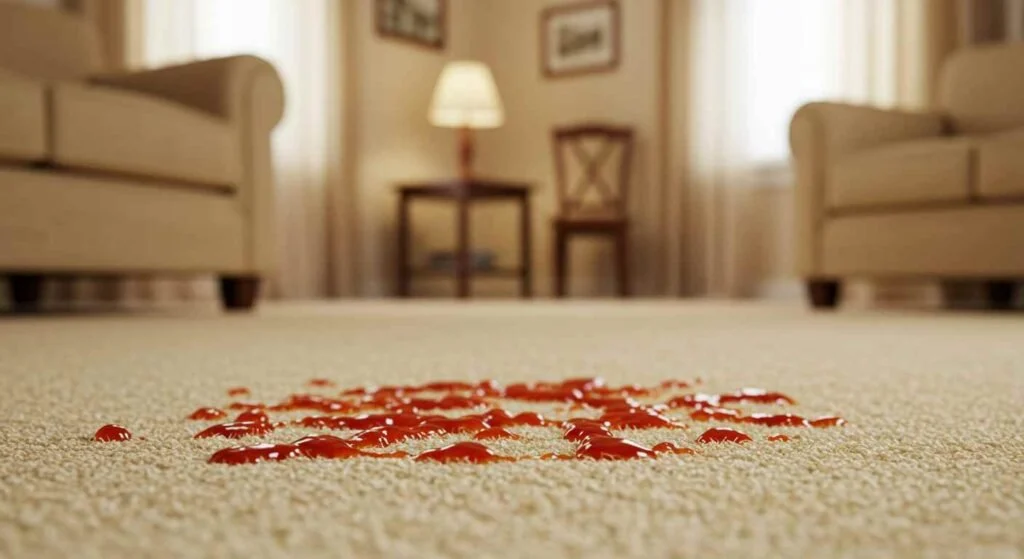
Time is the most critical factor when dealing with liquid stains. The longer the sauce sits, the deeper it penetrates the carpet pile and backing, making removal increasingly difficult. Follow these quick steps to limit damage:
- Act within minutes: Grab a clean white cloth or paper towel the moment the spill occurs.
- Blot, don’t rub: Press gently to absorb excess sauce. Rubbing pushes the pigment deeper into the fibers.
- Use cold water: Lightly dampen a separate cloth with cold water and continue blotting. Hot water can set the tomato pigments.
- Test a hidden area: Before applying any cleaning solution, test it on an inconspicuous spot to ensure it won’t discolor the carpet.
These initial actions set the stage for the more detailed techniques that follow, ensuring that the stain does not become a permanent fixture in your design‑focused space.
How to Get Pizza Sauce Out of Carpet – Blotting Basics
The physics of blotting involves capillary action: the cloth draws the liquid out of the carpet fibers by creating a pressure differential. Use a series of clean cloths, changing them often, to avoid re‑depositing the sauce back onto the carpet. If the sauce is thick, you can gently scrape off excess with a spoon or dull edge, but always keep the blade angled away from the carpet to prevent snagging.
For a modern home, consider keeping a small “stain‑kit” in your living room—an extra white towel, a spray bottle of distilled water, and a few common household cleaners. This kit not only helps you get pizza sauce out of carpet quickly but also reinforces a proactive, design‑savvy mindset.
Understanding Carpet Fibers and Stain Chemistry
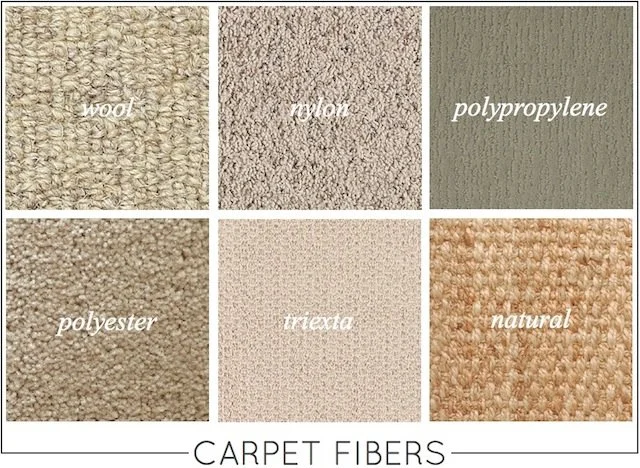
Carpets come in a variety of materials—nylon, polyester, olefin, and natural fibers like wool. Each reacts differently to acidic tomato sauce and oily residues. Knowing your carpet type guides you toward the safest cleaning agents.
- Nylon: Highly resilient, tolerates mild detergents well.
- Polyester: Stands up to gentle soap solutions but can attract oil‑based stains.
- Olefin (polypropylene): Water‑resistant; avoid excess moisture to prevent mold.
- Wool: Requires pH‑neutral cleaners; harsh chemicals can damage the fiber.
The acidic nature of pizza sauce (pH ~4) can weaken certain fibers if left untreated, while the oil component can create a barrier that repels water‑based cleaners. A balanced approach—using a mild alkaline solution to neutralize acidity followed by a surfactant to lift oil—delivers the best results.
How to Get Pizza Sauce Out of Carpet Using Homemade Solutions
Most homeowners have the ingredients for an effective, carpet‑friendly cleaning solution. Mix the following in a spray bottle:
- 1 cup of warm (not hot) distilled water.
- ½ teaspoon of mild dishwashing liquid (preferably fragrance‑free).
- ¼ teaspoon of white vinegar to neutralize acidity.
Shake gently and spray lightly on the stained area, then blot with a clean cloth. Repeat until the sauce lifts. For stubborn stains, a second mixture—1 tablespoon of baking soda combined with a few drops of hydrogen peroxide—creates a gentle foaming action that breaks down remaining pigments without bleaching the carpet.
These DIY methods align with a modern, eco‑conscious décor philosophy, allowing you to maintain a pristine floor while avoiding harsh chemicals that could affect indoor air quality.
Professional Cleaning Methods and When to Call Experts
While many stains can be handled at home, some scenarios call for professional expertise. If the sauce has set for more than 24 hours, penetrated a high‑pile carpet, or if you notice discoloration spreading, it’s time to consider a professional carpet cleaning service.
Professionals often use hot water extraction (steam cleaning) or dry‑cleaning powders that encapsulate the stain particles. These methods are effective but require specialized equipment to avoid over‑saturating the carpet backing, which could lead to mold growth—especially in humid climates.
Before hiring, verify that the company uses environmentally friendly detergents, aligning with the modern home décor ethos of sustainability. A reputable service will also advise on post‑cleaning care, such as proper drying techniques to preserve carpet texture.
How to Get Pizza Sauce Out of Carpet with Steam Extraction
Steam extraction works by injecting hot water mixed with a cleaning solution deep into the carpet fibers, then vacuuming it out along with the lifted soil. To use this method safely:
- Pre‑test a small area to confirm colorfastness.
- Set the machine to a low temperature if your carpet is synthetic; wool fibers prefer cooler settings.
- Move the wand slowly to allow the solution to penetrate fully.
- Allow the carpet to dry completely—use fans or open windows to speed airflow.
Steam extraction not only removes pizza sauce but also refreshes the overall look of the room, making it a worthwhile investment for high‑traffic areas like living rooms where style and functionality intersect.
Preventive Measures: Protecting Your Carpets from Future Spills
Prevention is often easier than remediation. Incorporating protective design elements into your interior can safeguard carpets without sacrificing aesthetic appeal.
Strategically placed area rugs or washable mats under dining tables and kitchen islands create a barrier that catches drips before they reach the main carpet. Choose rugs with low‑pile construction and neutral colors to complement modern décor while remaining easy to clean.
For families with children or frequent entertainers, consider a neutral candle décor approach—using subtle lighting and functional accessories that double as spill‑catchers, such as decorative trays or silicone placemats.
How to Get Pizza Sauce Out of Carpet – Using Mats and Area Rugs
When selecting a mat, look for materials that are both absorbent and machine‑washable. Polypropylene or microfiber rugs often have built‑in stain‑resistant treatments that simplify the cleaning process. Position the mat so that it aligns with the natural flow of foot traffic; this not only protects the underlying carpet but also adds a layer of visual interest consistent with a cohesive interior design scheme.
Pairing a stylish rug with a ceramic décor accent can turn a functional element into a statement piece, reinforcing the modern aesthetic while serving a practical purpose.
Quick Tips for Getting Pizza Sauce Out of Carpet
- Keep a small spray bottle of diluted white vinegar and water on hand for immediate neutralization.
- Use a handheld vacuum with a brush attachment after blotting to lift any residual particles.
- Apply a thin layer of cornstarch or talc to oily stains; let it sit for 10 minutes, then vacuum.
- When using commercial cleaners, choose a “carpet‑safe” label and follow the manufacturer’s dilution instructions.
- After cleaning, place a fan near the area to expedite drying and prevent mildew.
Common Mistakes When Cleaning Pizza Sauce Stains
Even well‑intentioned efforts can backfire if certain pitfalls are ignored. Below are frequent errors and how to avoid them:
- Rubbing the stain: This pushes the sauce deeper. Always blot.
- Using hot water: Heat can set the tomato pigments, making them permanent.
- Applying too much liquid: Over‑wetting the carpet leads to mold and odor problems.
- Skipping a spot test: Some detergents can cause discoloration, especially on wool.
- Neglecting the carpet backing: A stain that seeps through the pile can affect the adhesive layer, weakening the carpet’s attachment.
By being mindful of these missteps, you’ll maintain both the visual appeal and structural health of your flooring.
Frequently Asked Questions
Can I use bleach to get pizza sauce out of carpet?
Bleach is too harsh for most carpet fibers and can cause discoloration. Instead, opt for a mild vinegar‑based solution or a carpet‑safe enzymatic cleaner.
How long does it take for a carpet to dry after cleaning?
Drying time varies with humidity and ventilation but typically ranges from 4 to 8 hours. Using fans or opening windows can reduce this period.
Is it safe to use a steam mop on carpet?
Steam mops are designed for hard floors. For carpet, use a dedicated steam extractor that controls moisture levels to avoid saturating the backing.
Will baking soda damage my carpet?
Baking soda is gentle and can absorb odors. When mixed with a little water or hydrogen peroxide, it becomes a mild foaming cleanser that’s safe for most synthetic fibers.
Should I hire a professional for every pizza sauce spill?
For fresh, small stains, DIY methods are usually sufficient. If the stain is old, set, or has spread widely, a professional service can prevent long‑term damage.
How can I incorporate stain‑resistant design elements without compromising style?
Select area rugs with subtle patterns and neutral tones that complement your modern décor. Pair them with functional accessories like decorative trays or stylish silicone placemats, creating a cohesive look while protecting high‑traffic zones.
Conclusion
Spills are inevitable, but they don’t have to dictate the look of your home. By understanding the science behind pizza sauce stains, employing the right immediate actions, and integrating preventive décor choices, you can confidently keep your carpet pristine. Whether you choose a homemade solution, a professional steam extraction, or a combination of both, the key is to act promptly and protect the fibers you’ve thoughtfully curated.
Apply these strategies, enjoy a spotless living space, and continue exploring modern home‑styling ideas on The Homara. Your carpet—and your design sensibility—will thank you.