
Table of Contents
- Understanding Stickley’s Heritage: Why the Brand Commands Respect
- Cost vs. Value: Is Stickley Furniture Worth It for Your Budget?
- Initial Price Point
- Expected Lifespan
- Resale Potential
- Design Compatibility: Does Stickley Fit Modern Living Rooms?
- Integrating Stickley with Current Trends
- Maintenance Made Simple: Keeping Stickley Furniture Looking Its Best
- Everyday Care
- Deep Cleaning & Re‑Finishing
- Environmental Impact: Sustainable Choices Behind Stickley
- Responsible Sourcing
- Longevity Reduces Waste
- Quick Tips for Selecting the Right Stickley Piece
- Common Mistakes When Buying High‑End Furniture
- Frequently Asked Questions
- Is Stickley furniture worth it for a small apartment?
- How does Stickley compare to other high‑end brands like Ethan Allen or Restoration Hardware?
- Can I customize Stickley furniture?
- What is the typical resale value of a Stickley dining table?
- Do Stickley pieces require professional maintenance?
- Is Stickley furniture suitable for families with children?
When a piece of furniture bears the Stickley name, most people instantly imagine the iconic Mission‑style lines, sturdy hardwoods, and a legacy that dates back over a century. Yet the allure of the brand also brings a steep price tag that can make even seasoned collectors pause. Homeowners and design enthusiasts alike often ask, is Stickley furniture worth it? Answering that question involves looking beyond the label to examine craftsmanship, material durability, design relevance, and the long‑term financial payoff.
In today’s market, where mass‑produced pieces compete with handcrafted heirlooms, making an informed decision about high‑end furniture is crucial. Whether you’re furnishing a newly‑bought loft, redesigning a family living room, or simply curious about investing in a timeless piece, understanding the true value of Stickley furniture can guide you toward a purchase that aligns with both aesthetic goals and budget realities.
In this comprehensive guide we’ll break down the history of Stickley, analyze the construction techniques that set it apart, compare cost versus longevity, and explore how these pieces fit into modern interior design trends. By the end, you’ll have a clear picture of whether Stickley furniture is worth it for your home and lifestyle.
Understanding Stickley’s Heritage: Why the Brand Commands Respect
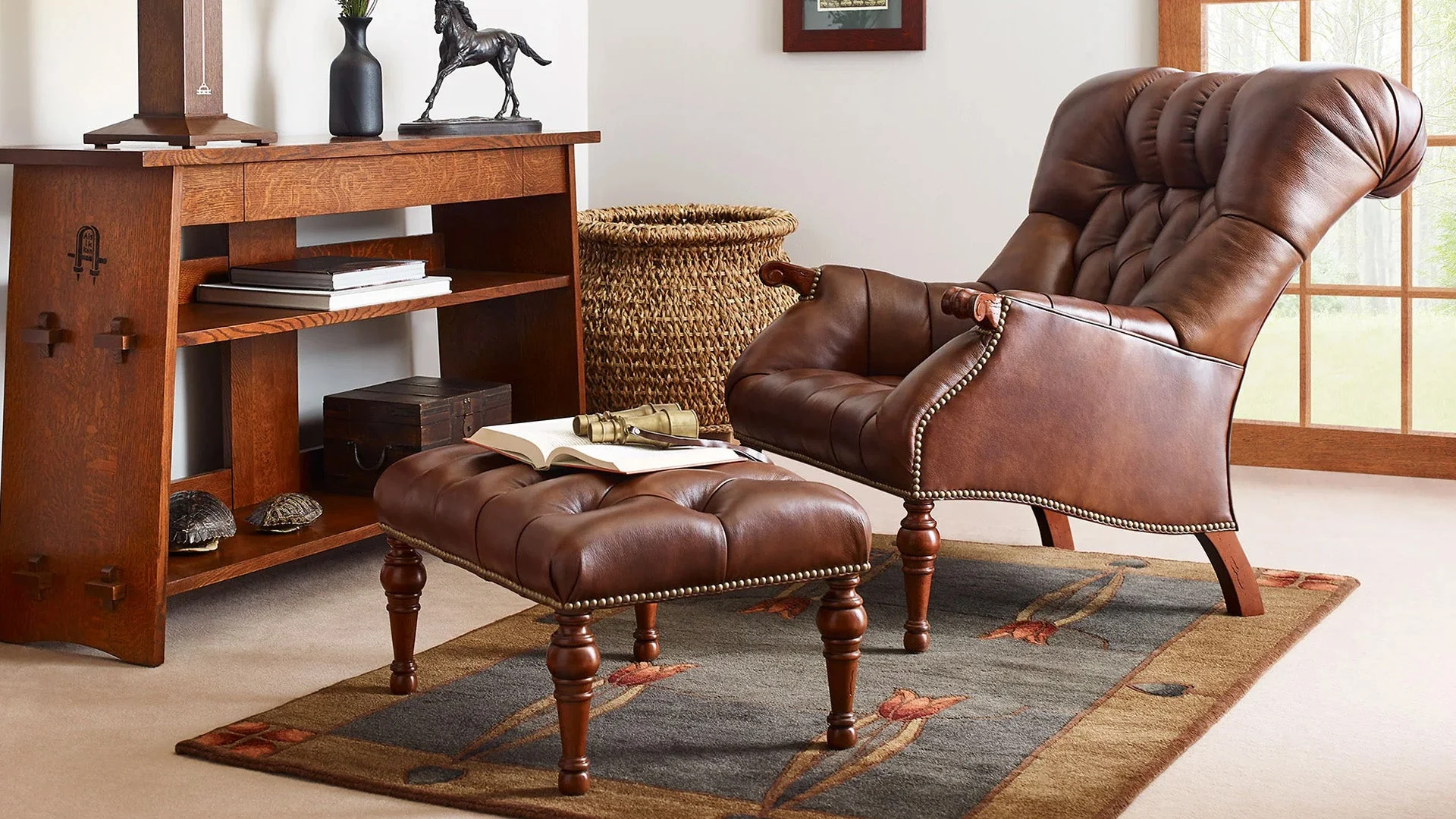
Founded in 1900 by Gustav Stickley, the company pioneered the American Arts and Crafts movement, emphasizing honesty of materials and functional beauty. Over the decades, Stickley has remained committed to hand‑crafted joinery, solid wood construction, and a design language that blends simplicity with elegance. This heritage is more than marketing fluff; it’s a concrete foundation that influences every piece produced under the Stickley banner.
The brand’s reputation rests on several pillars:
- Material Selection: Premium hardwoods such as quarter‑sawn oak, walnut, and maple are sourced from sustainable forests, ensuring both strength and a beautiful grain pattern.
- Joinery Techniques: Traditional mortise‑and‑tenon joints, dovetail drawers, and hand‑finished surfaces are hallmarks of Stickley craftsmanship.
- Finishes: Oil‑based stains and hand‑applied varnishes protect the wood while allowing it to age gracefully.
- Design Consistency: The iconic Mission style remains relevant, but Stickley also offers contemporary lines that adapt to modern interiors.
Because these elements are ingrained in every piece, many buyers wonder if the price premium truly translates into lasting value. The answer, as we’ll see, depends on several practical considerations.
Cost vs. Value: Is Stickley Furniture Worth It for Your Budget?

One of the most common concerns is whether the high upfront cost of Stickley furniture can be justified over time. To evaluate this, we’ll look at three key factors: initial price, expected lifespan, and resale potential.
Initial Price Point
Stickley’s entry‑level items start around $1,200 for a side table, while larger pieces like a solid oak dining table can exceed $5,000. Compared to mass‑market brands that offer similar dimensions for a fraction of the cost, Stickley appears pricey. However, the price includes:
- Hand‑crafted labor, often requiring several days per piece.
- High‑grade hardwoods that are less prone to warping or cracking.
- Finishes that protect against everyday wear while developing a patina.
Expected Lifespan
When maintained properly—regular dusting, occasional re‑oiling, and protection from direct sunlight—Stickley furniture can last 50 years or more. In contrast, lower‑priced particleboard or veneer pieces may need replacement within a decade. This longevity can offset the initial expense, especially for families looking to create a lasting heirloom.
Resale Potential
Because of its recognized brand and timeless design, Stickley furniture often retains a strong resale value. A well‑kept Stickley coffee table may sell for 60‑80% of its original price on the secondary market, providing a partial return on investment.
When you weigh the higher purchase price against decades of use and respectable resale figures, the equation leans toward “yes, it is worth it” for many homeowners who value durability and heritage.
Design Compatibility: Does Stickley Fit Modern Living Rooms?
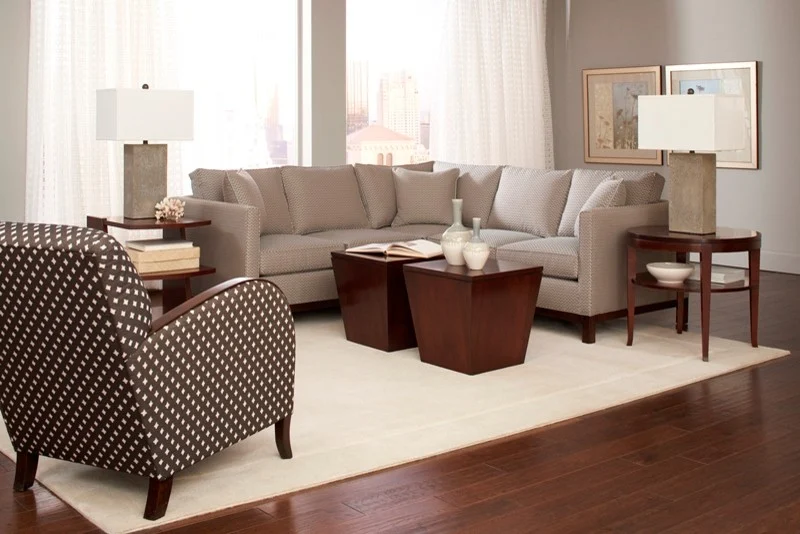
Critics sometimes argue that Stickley’s Mission aesthetic feels dated in today’s sleek interiors. Yet the brand’s evolution shows a nuanced approach to contemporary design, offering collections that blend classic wood grain with modern silhouettes.
Integrating Stickley with Current Trends
Consider the following strategies to make Stickley pieces feel fresh:
- Mix Materials: Pair a Stickley walnut sideboard with a glass coffee table or metal lighting fixtures for contrast.
- Neutral Palette: Use a light, neutral wall color to let the wood’s natural tone become the focal point. For inspiration on neutral styling, see our Neutral Interior Styling Inspiration guide.
- Layer Textures: Add a plush rug, soft throw pillows, and ceramic décor accents to soften the robust wood lines. Our article on Home décor with ceramic décor accents offers ideas for this approach.
By thoughtfully pairing Stickley furniture with contemporary accessories, the pieces can serve as anchor points that bring warmth and sophistication to any modern living room.
Maintenance Made Simple: Keeping Stickley Furniture Looking Its Best
Long‑term value hinges on proper care. Fortunately, maintaining Stickley pieces isn’t overly complex, and a few routine steps can preserve both appearance and structural integrity.
Everyday Care
- Dust with a soft, lint‑free cloth weekly.
- Avoid placing hot items directly on the surface; use coasters or trivets.
- Rotate cushions or decorative items to prevent uneven wear.
Deep Cleaning & Re‑Finishing
Every 5–7 years, consider a light sanding followed by a fresh coat of oil‑based finish. This rejuvenates the wood’s natural glow and protects against scratches. For DIY enthusiasts, our guide on DIY décor with clay candle holders includes tips on choosing the right finish for wood surfaces.
By incorporating these maintenance habits, owners can ensure that their Stickley furniture remains a centerpiece for generations.
Environmental Impact: Sustainable Choices Behind Stickley
Eco‑conscious consumers increasingly evaluate furniture based on its environmental footprint. Stickley’s commitment to sustainable forestry, low‑VOC finishes, and responsible manufacturing processes adds another layer to the “is Stickley furniture worth it” conversation.
Responsible Sourcing
Stickley sources wood from Forest Stewardship Council (FSC) certified suppliers, meaning the trees are harvested in a manner that preserves biodiversity and supports local communities. This contrasts with many mass‑produced items that rely on fast‑growing, low‑quality timber.
Longevity Reduces Waste
Because Stickley pieces are built to last, they reduce the frequency of replacement and, consequently, the amount of waste that ends up in landfills. From a lifecycle perspective, investing in durable furniture can be more sustainable than buying cheap, disposable items.
Quick Tips for Selecting the Right Stickley Piece
- Identify the room’s primary function and choose a Stickley item that complements it (e.g., a sturdy media console for a home theater).
- Measure the space accurately; Stickley pieces are often substantial in size.
- Request a wood sample to ensure the grain and finish match your existing décor.
- Consider a mixed‑material approach: combine Stickley wood with metal or glass to modernize the look.
- Plan for future care: set aside a small budget for periodic refinishing.
Common Mistakes When Buying High‑End Furniture
Even seasoned shoppers can stumble when purchasing premium items. Avoid these pitfalls to ensure your investment truly pays off.
- Overlooking Scale: A massive Stickley armoire can overwhelm a small apartment, making the space feel cramped.
- Neglecting Style Cohesion: Pairing a traditional Stickley credenza with ultra‑minimalist décor may create visual dissonance.
- Skipping Warranty Review: Stickley offers a limited lifetime warranty on certain collections; understand what is covered before buying.
- Ignoring Light Exposure: Direct sunlight can fade finishes; position furniture away from windows or use UV‑filtering window treatments.
Frequently Asked Questions
Is Stickley furniture worth it for a small apartment?
Yes, if you select appropriately scaled pieces and blend them with lighter, contemporary accessories. A compact Stickley side table or a sleek coffee table can add character without overcrowding the space.
How does Stickley compare to other high‑end brands like Ethan Allen or Restoration Hardware?
Stickley stands out for its historical craftsmanship and commitment to solid wood construction. While Ethan Allen and RH offer a broader range of styles, Stickley’s focus on the Arts and Crafts tradition often results in a more enduring aesthetic and superior joinery.
Can I customize Stickley furniture?
Many collections allow limited customization, such as choosing wood species, finish tone, or hardware. For extensive alterations, work directly with an authorized dealer or the company’s custom shop.
What is the typical resale value of a Stickley dining table?
A well‑maintained Stickley dining table can retain 60‑80% of its original price after 10‑15 years, especially if the wood grain and finish are in good condition.
Do Stickley pieces require professional maintenance?
Basic upkeep can be done by the owner, but periodic refinishing or repairs to structural joints may benefit from a professional woodworker familiar with traditional techniques.
Is Stickley furniture suitable for families with children?
The solid construction makes Stickley pieces durable enough for family use, but the finish may be more susceptible to scratches. Using protective pads and regular cleaning can keep the furniture looking its best.
Choosing whether Stickley furniture is worth it ultimately hinges on your priorities: Are you looking for a piece that embodies historical craftsmanship, lasts a lifetime, and can become a family heirloom? If so, the investment often justifies the cost. However, if your focus is on short‑term trends or tight budgets, you might explore other options that offer similar aesthetics at a lower price point.
In the end, the true measure of value lies in how the furniture enhances your living environment, reflects your personal style, and serves you over the years. By weighing quality, design compatibility, maintenance, and sustainability, you can make an informed decision that aligns with both your aesthetic aspirations and financial considerations.
Ready to bring timeless elegance into your home? Explore more design ideas on The Homara, from modern living room layouts to thoughtful accessorizing tips that highlight the natural beauty of handcrafted furniture.