
Table of Contents
- How to Decorate an Open Floor Plan Home: Core Principles
- How to Decorate an Open Floor Plan Home: Defining Zones with Furniture
- Choosing a Cohesive Colour Palette
- How to Decorate an Open Floor Plan Home: Using Paint and Wall Treatments
- Lighting Layers for Depth and Drama
- How to Decorate an Open Floor Plan Home: Choosing the Right Light Fixtures
- Integrating Storage Without Breaking Flow
- How to Decorate an Open Floor Plan Home: Multi‑Purpose Furniture Ideas
- Adding Personality Through Textures and Accessories
- How to Decorate an Open Floor Plan Home: Using Plants for Freshness
- Quick Home Décor Tips
- Common Mistakes to Avoid
- Frequently Asked Questions
- Can I use different flooring in each zone of an open floor plan?
- How do I make a small open‑plan apartment feel larger?
- Is it okay to have a single colour scheme throughout the entire open floor plan?
- What’s the best way to separate a kitchen from a living area without walls?
- How many lighting layers should I incorporate?
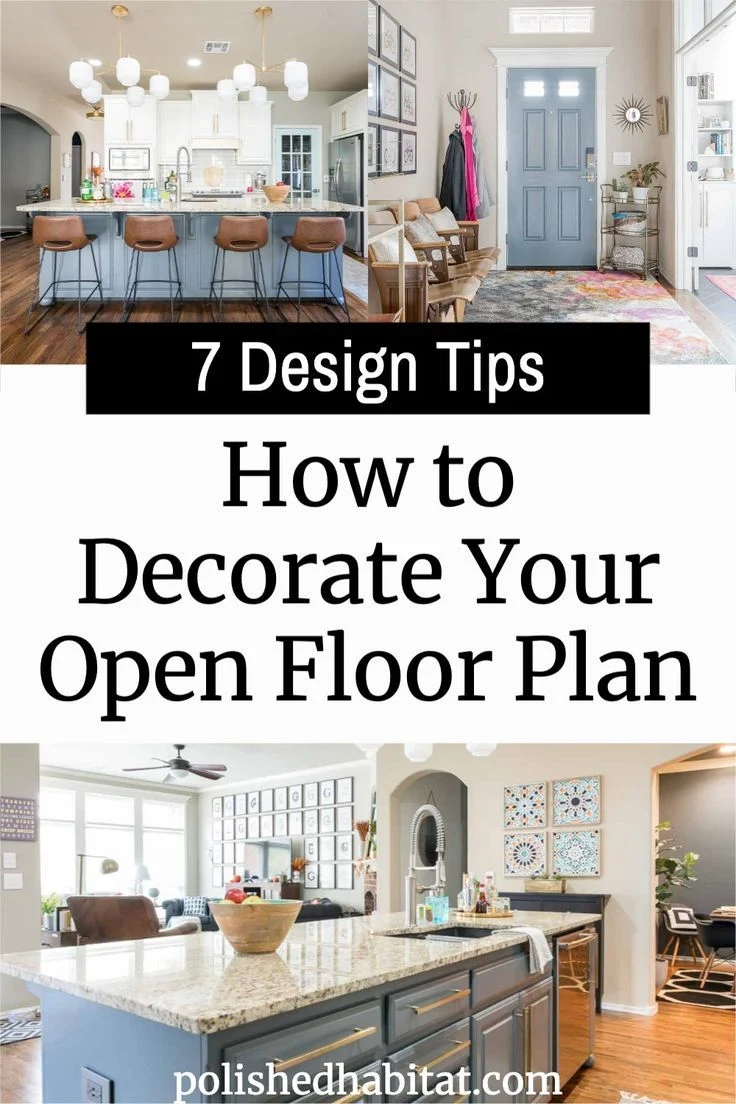
Open‑floor layouts have become a hallmark of modern living, offering a sense of spaciousness that traditional compartmentalized homes often lack. Yet, that same openness can feel overwhelming if the space isn’t thoughtfully arranged. Knowing how to decorate an open floor plan home is essential for creating harmony, defining functional zones, and maintaining visual flow without sacrificing comfort.
This guide walks you through the core principles, practical tricks, and design psychology behind successful open‑plan styling. Whether you’re a first‑time homeowner, a renter eager to personalize a loft, or a seasoned decorator looking for fresh inspiration, you’ll discover actionable ideas that blend aesthetics with everyday functionality.
We’ll explore everything from zoning strategies and lighting layers to colour palettes that unify disparate areas. Along the way, you’ll find links to related articles such as Is Home Decor a Hobby? Exploring the Passion Behind Modern Styling and Minimalist Home Décor Inspiration: Simple, Stylish, Sustainable, giving you a broader context for each design decision.
How to Decorate an Open Floor Plan Home: Core Principles
Before you pick out furniture or choose a paint colour, it’s useful to understand the three foundational concepts that guide every successful open‑plan makeover: spatial hierarchy, visual cohesion, and functional flow. A clear hierarchy tells the eye where to start and what to notice next, while visual cohesion ensures that each zone feels part of a larger story. Functional flow, on the other hand, is about the practical pathways people use daily.
Start by sketching a simple floor plan on paper or using a free online tool. Identify the primary activities—cooking, relaxing, working, entertaining—and allocate rough square footage for each. Remember, the goal of learning how to decorate an open floor plan home isn’t to cram everything into one giant room, but to carve out purposeful pockets that still breathe together.
How to Decorate an Open Floor Plan Home: Defining Zones with Furniture
- Anchor pieces: Use a large sofa, a solid dining table, or a striking media console as the anchor for each zone. These pieces act as visual anchors that naturally delineate space without walls.
- Rugs: Layering rugs of different textures and sizes can subtly separate living and dining areas while adding warmth. A rug under the coffee table signals a lounge zone, whereas a runner beneath the dining set defines a feeding space.
- Backpacks and screens: Open‑backed bookshelves, half‑walls, or decorative screens provide a lightweight barrier that preserves sightlines but adds a sense of enclosure.
When arranging these anchors, keep traffic patterns in mind. Aim for a clear 3‑foot pathway between major pieces to ensure smooth movement—this is a core part of mastering how to decorate an open floor plan home without creating bottlenecks.
Choosing a Cohesive Colour Palette
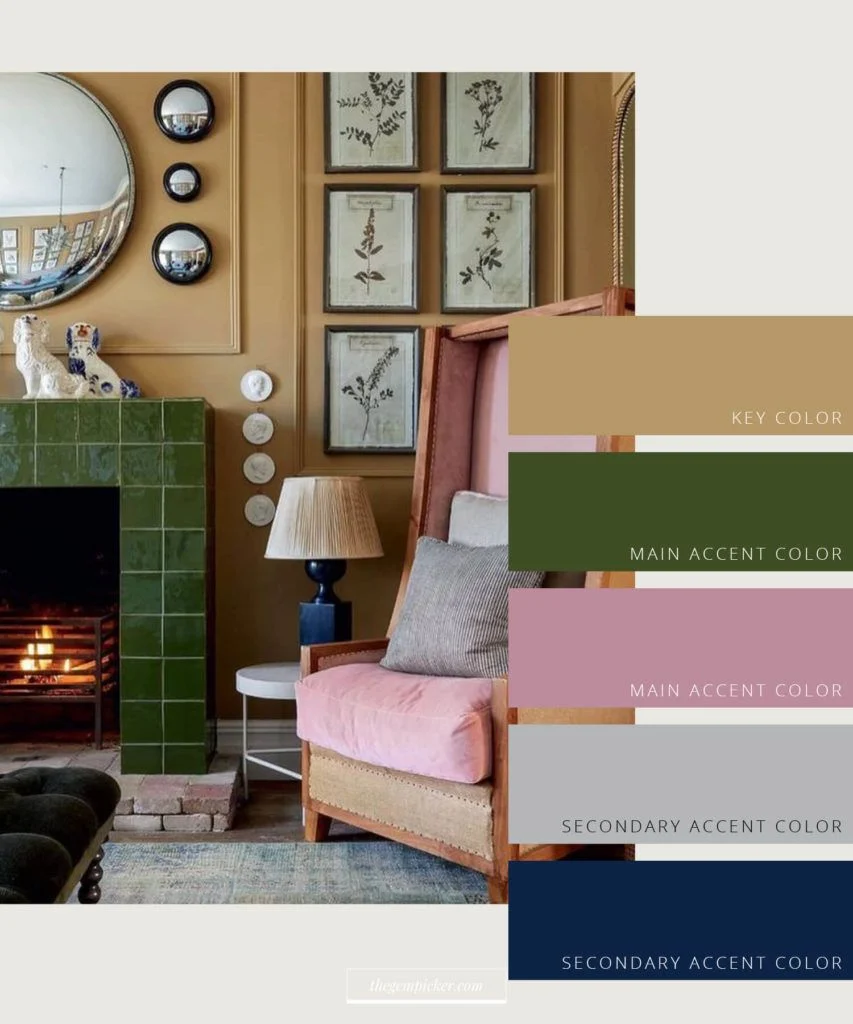
Colour is the most powerful tool for unifying an expansive layout. A well‑selected palette can make an open space feel intimate while also guiding the eye from one zone to the next. For an open‑plan setting, opt for a base of soft neutrals—think warm greys, muted beiges, or gentle taupes—and then introduce accent hues through accessories, artwork, and textiles.
Consider the psychological impact of colour: cool blues promote calmness, perfect for a reading nook, while warm terracotta or mustard injects energy into a kitchen island. By repeating the same accent colour across different zones—perhaps in throw pillows in the living area and countertop accessories in the kitchen—you reinforce the narrative of how to decorate an open floor plan home with visual consistency.
How to Decorate an Open Floor Plan Home: Using Paint and Wall Treatments
One effective technique is to paint each functional zone in a slightly different shade of the same colour family. For example, a light dove‑gray in the living area can transition to a deeper slate in the dining space, creating a subtle cue that the area has changed while maintaining harmony. If you’re hesitant about multiple colours, use wall treatments like textured wallpaper or decorative panels on a single wall to add depth without breaking continuity.
Don’t forget the ceiling and floor. A light, reflective ceiling paint expands vertical space, while a consistent flooring material—hardwood, polished concrete, or wide‑plank laminate—keeps the eye glued to the overall layout, reinforcing the principles of how to decorate an open floor plan home.
Lighting Layers for Depth and Drama

Lighting is more than illumination; it sculpts space and sets mood. In an open‑plan home, layered lighting—ambient, task, and accent—prevents the area from feeling flat or overly bright. Begin with a central ceiling fixture or recessed LEDs for ambient lighting, then add task lighting where function demands it, such as under‑cabinet lights in the kitchen or a floor lamp beside a reading chair.
Accent lighting, like pendant lights over a dining table or LED strips behind a bookshelf, creates focal points that help define each zone. By strategically placing these light sources, you answer the essential question of how to decorate an open floor plan home with visual interest while supporting daily activities.
How to Decorate an Open Floor Plan Home: Choosing the Right Light Fixtures
- Pendant clusters: Group three to five pendants at varying heights over a kitchen island to create a visual centerpiece.
- Floor lamps: Use tall, slim floor lamps with directional heads to illuminate reading corners without cluttering the floor.
- Wall sconces: Install low‑profile sconces along a hallway or behind a sofa to add soft wash lighting and enhance the sense of layered illumination.
Don’t overlook dimmers—installing them allows you to shift the atmosphere from bright and energetic during a dinner party to cozy and intimate for a movie night, a key tactic in mastering how to decorate an open floor plan home.
Integrating Storage Without Breaking Flow
Open spaces often struggle with clutter, making storage a critical component of any design plan. The challenge is to incorporate storage solutions that blend seamlessly with the overall aesthetic. Think of built‑in cabinetry, floating shelves, and multi‑functional furniture—each serves as both a practical container and a decorative element.
For example, a sleek, low‑profile media console can double as a display surface for books and art, while a bench with hidden compartments at the foot of a dining table offers a place for blankets or board games. These choices illustrate how to decorate an open floor plan home while preserving a tidy, streamlined look.
How to Decorate an Open Floor Plan Home: Multi‑Purpose Furniture Ideas
- Storage ottomans: Place them beside a sofa for extra seating and hidden storage.
- Convertible coffee tables: Tables with lift‑top mechanisms provide a work surface when needed.
- Open shelving units: Use them to showcase decorative trays (Home décor with simple décor trays: Effortless Styling Ideas) while keeping everyday items within reach.
By selecting pieces that serve dual purposes, you keep the visual flow intact—a core lesson in how to decorate an open floor plan home without sacrificing functionality.
Adding Personality Through Textures and Accessories
Textures bring depth and tactile comfort to any space, especially one as spacious as an open floor plan. Layering different materials—soft throws, woven baskets, sleek metal fixtures, and natural wood—creates a rich, inviting environment that feels curated rather than sterile.
Accessories such as statement art, indoor plants, and decorative trays can act as unifying elements. For instance, a series of coordinated ceramic vases placed on a console table in the living area and repeated on a kitchen shelf ties the zones together, reinforcing the overarching theme of how to decorate an open floor plan home with cohesive styling.
How to Decorate an Open Floor Plan Home: Using Plants for Freshness
Plants are an effortless way to inject colour and life. Tall floor plants like a fiddle leaf fig or a snake plant can act as natural room dividers, while smaller potted herbs on the kitchen windowsill provide both utility and visual interest. Pair them with simple décor trays for a clean, organized look that complements the overall aesthetic.
When choosing plant varieties, consider the light conditions of each zone—bright, indirect light for leafy greens, lower light tolerance for succulents—ensuring they thrive and continue to enhance the space.
Quick Home Décor Tips
- Use a consistent metal finish (e.g., brushed brass) across lighting, hardware, and decorative accents to unify disparate zones.
- Introduce a single bold colour through cushions, artwork, or a statement rug to create a visual anchor that travels throughout the space.
- Layer rugs strategically: a large neutral rug under the living area and a smaller patterned rug under a coffee table adds depth without overwhelming the eye.
- Install ceiling-mounted curtain tracks instead of floor‑to‑ceiling drapes; they soften the space while preserving sightlines.
- Incorporate reflective surfaces—mirrored cabinets or glossy tiles—to bounce light and make the open area feel even larger.
Common Mistakes to Avoid
Even seasoned decorators can slip up when tackling an open‑plan layout. One frequent error is over‑furnishing; cramming too many pieces into the space defeats the purpose of openness. Another pitfall is neglecting a unifying colour scheme, which can leave the area feeling disjointed.
Additionally, ignoring traffic flow leads to cluttered pathways and safety hazards. Finally, under‑lighting—a single overhead fixture—creates harsh shadows and a sterile atmosphere. By being aware of these issues, you can confidently apply the principles of how to decorate an open floor plan home without compromising style or usability.
Frequently Asked Questions
Can I use different flooring in each zone of an open floor plan?
While it’s possible, most designers recommend a continuous flooring material to maintain visual flow. If you desire contrast, consider subtle changes like a rug or a different finish that doesn’t break the line of sight.
How do I make a small open‑plan apartment feel larger?
Opt for light, neutral colours, minimal furniture, and strategic mirrors. Use multi‑functional pieces like a sofa bed or a fold‑out dining table, and keep clutter to a minimum. Proper lighting layers also expand perceived space.
Is it okay to have a single colour scheme throughout the entire open floor plan?
Yes, a monochromatic palette can be very sophisticated. Introduce texture and varied shades to avoid monotony. Accents in wood, metal, or textiles add depth while preserving cohesion.
What’s the best way to separate a kitchen from a living area without walls?
Use visual separators such as a change in flooring, a pendant light cluster over the island, a contrasting rug, or an open‑backed bookshelf. These elements define zones while keeping the space airy.
How many lighting layers should I incorporate?
Aim for three layers: ambient (overall illumination), task (focused light for specific activities), and accent (highlights or mood lighting). This combination ensures functionality and visual interest.
Designing an open‑plan home is a rewarding challenge that blends creativity with strategic planning. By mastering the fundamentals of spatial zoning, colour coordination, layered lighting, integrated storage, and texture, you’ll discover how to decorate an open floor plan home in a way that feels both expansive and intimate. Apply these ideas, experiment with personal touches, and watch your living space transform into a harmonious, functional masterpiece.