
Table of Contents
- Why DIY minimalist home décor Works for Every Lifestyle
- Planning Your DIY Minimalist Home Décor Project
- Assess Your Space and Set Goals
- Choose a Cohesive Color Scheme
- Essential DIY Projects for a Minimalist Look
- Floating Shelves Made from Reclaimed Wood
- DIY Concrete Accent Wall
- Handcrafted Linen Curtains
- Maximizing Small Spaces with Minimalist Strategies
- Multi‑Functional Furniture
- Vertical Storage Solutions
- Mirrored Accents
- Quick Tips for an Instant Minimalist Refresh
- Common Mistakes to Avoid in DIY Minimalist Home Décor
- Over‑Decorating with “Minimal” Items
- Choosing the Wrong Scale
- Neglecting Lighting Layers
- Frequently Asked Questions
- Can I achieve a minimalist look on a tight budget?
- How do I decide which items to keep?
- What color palettes work best for minimalist interiors?
- Is it okay to mix materials in a minimalist space?
- How can I incorporate greenery without clutter?
- Do I need professional help for a minimalist remodel?
DIY minimalist home décor: Simple Steps for Modern Living
Minimalist design isn’t about stripping away personality; it’s about curating a space where every element serves a purpose and adds calm. For homeowners and renters alike, mastering DIY minimalist home décor can transform cramped rooms into airy retreats without breaking the bank. In this guide, we’ll explore why a minimalist approach works, how to start from a clean slate, and which affordable projects will give your home a fresh, modern look.
Whether you live in a tiny studio or a sprawling house, the principles of minimalism can be adapted to any floor plan. You’ll learn how to balance function and aesthetics, pick the right materials, and make thoughtful choices that keep clutter at bay. By the end of this article, you’ll have a toolbox of practical ideas to implement today, plus answers to common questions that often arise when embarking on a DIY minimalist home décor journey.
Why DIY minimalist home décor Works for Every Lifestyle
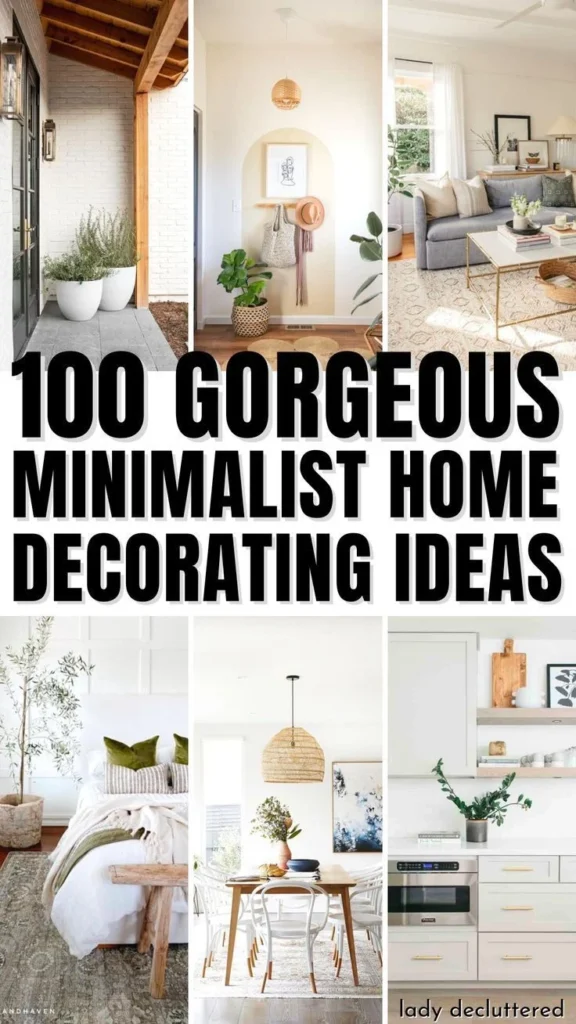
Minimalism thrives on simplicity, but the beauty lies in intentional design. When you adopt DIY minimalist home décor, you gain control over every detail—from the color palette to the texture of a handmade shelf. This hands‑on approach not only saves money but also ensures each piece reflects your taste, making the space feel authentic rather than cookie‑cutter.
Key benefits include:
- Reduced visual noise, which promotes focus and relaxation.
- Improved organization, because fewer items mean clearer storage solutions.
- Enhanced sustainability, as DIY projects often reuse materials and avoid mass‑produced items.
By focusing on quality over quantity, you create a home that feels spacious, timeless, and easy to maintain—perfect for busy professionals, families, or anyone craving a breath of fresh air in their living environment.
Planning Your DIY Minimalist Home Décor Project
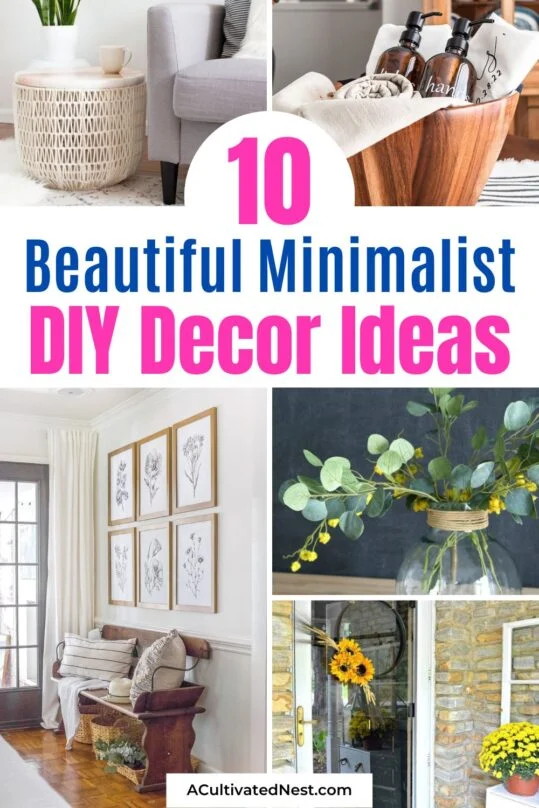
Before picking up a paintbrush or a hammer, spend time planning. A solid plan prevents costly missteps and keeps the minimalist vision cohesive across rooms.
Assess Your Space and Set Goals
Walk through each room and note:
- Existing furniture that serves a purpose.
- Items that add visual clutter.
- Natural light sources and traffic flow.
Write down specific goals—e.g., “Create a calm bedroom retreat with a monochrome palette” or “Design a functional living area with hidden storage.” Clear objectives guide your DIY minimalist home décor decisions and help you stay on track.
Choose a Cohesive Color Scheme
Neutral tones—soft whites, warm grays, and muted earth colors—form the backbone of minimalist interiors. Add subtle accents like charcoal, navy, or pastel greens to keep the palette interesting without overwhelming the senses. When painting, use low‑VOC, matte finishes for a sophisticated, non‑reflective look.
Essential DIY Projects for a Minimalist Look
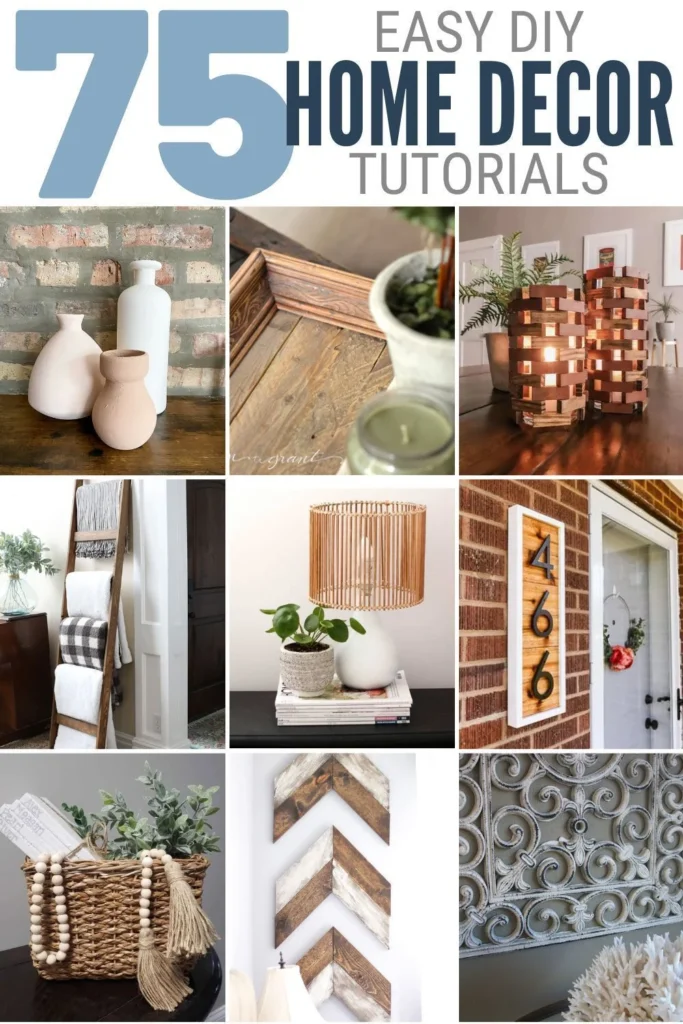
The following projects are budget‑friendly, require only basic tools, and deliver high‑impact results. Each can be adapted to any room, from the living area to a compact balcony.
Floating Shelves Made from Reclaimed Wood
Floating shelves provide storage without visual bulk. By using reclaimed planks, you add texture while staying eco‑friendly.
- Measure wall space and cut planks to desired length.
- Attach a sturdy hidden bracket (you can find inexpensive options at hardware stores).
- Sand lightly, apply a matte white or natural oil finish, and mount.
These shelves are perfect for displaying a few curated objects—think a single vase, a small stack of books, or a potted succulent from our minimal balcony plant shelf styling guide.
DIY Concrete Accent Wall
A concrete finish adds industrial chic while staying neutral. Use a concrete overlay mix, a trowel, and a sealant for durability. The texture creates depth without adding color, making it an ideal backdrop for minimalist artwork or a sleek media console.
Handcrafted Linen Curtains
Natural linen drapes filter light softly and blend seamlessly with a neutral palette. Cut linen panels to size, hem the edges, and attach simple rod brackets. The airy quality of linen enhances the sense of spaciousness essential to DIY minimalist home décor.
Maximizing Small Spaces with Minimalist Strategies
Compact living areas benefit most from clever design tricks that amplify space. Below are targeted ideas for studios, tiny apartments, and even modest balconies.
Multi‑Functional Furniture
Choose pieces that serve dual purposes, such as a sofa with hidden storage or a fold‑out desk that doubles as a dining table. When building your own, consider a platform bed with built‑in drawers—easy to construct with plywood and a few hinges.
Vertical Storage Solutions
Utilize wall height by installing tall, narrow cabinets or a series of stacked cubes. Keep the silhouette slim to maintain an open feel. Pair these with a few curated decorative items to avoid visual clutter.
Mirrored Accents
Strategically placed mirrors reflect light and create the illusion of extra space. A full‑length mirror on a hallway wall or a mirrored backsplash in the kitchen can dramatically open up a room.
Quick Tips for an Instant Minimalist Refresh
- Remove one decorative item per day until you reach a curated collection.
- Swap heavy curtains for simple roller blinds in neutral tones.
- Group accessories in like‑size clusters to maintain visual balance.
- Introduce natural textures—think jute rugs or woven baskets—to add warmth without clutter.
- Use a single statement piece, such as a sculptural lamp, to create focus.
Common Mistakes to Avoid in DIY Minimalist Home Décor
Even well‑meaning enthusiasts can slip into pitfalls that undermine a minimalist aesthetic. Recognizing these errors early helps you stay on course.
Over‑Decorating with “Minimal” Items
It’s easy to think that small objects are harmless, but too many knick‑knacks can create visual noise. Stick to a “one‑in, one‑out” rule: for every new decorative piece, remove another.
Choosing the Wrong Scale
Oversized furniture overwhelms a small room, while tiny accessories can look lost on a large wall. Measure your space and select pieces that proportionally fit the room’s dimensions.
Neglecting Lighting Layers
A single overhead fixture can make a room feel harsh. Combine ambient lighting (soft ceiling lights), task lighting (table lamps), and accent lighting (LED strips) to create depth and a welcoming atmosphere.
Frequently Asked Questions
Can I achieve a minimalist look on a tight budget?
Absolutely. Focus on repurposing existing furniture, using affordable materials like reclaimed wood, and tackling simple DIY projects such as painting or building floating shelves. Small, intentional changes add up to a cohesive minimalist aesthetic.
How do I decide which items to keep?
Ask yourself two questions: Does the item serve a functional purpose? Does it bring genuine joy? If the answer is “no” to either, it’s a candidate for donation or storage elsewhere.
What color palettes work best for minimalist interiors?
Neutral bases—white, ivory, soft gray, and beige—paired with muted accents like navy, forest green, or charcoal create a serene backdrop while allowing occasional pops of color through textiles or artwork.
Is it okay to mix materials in a minimalist space?
Yes, mixing natural textures (wood, stone, linen) adds depth and warmth. The key is to keep the overall palette restrained and let the textures speak for themselves without overwhelming the eye.
How can I incorporate greenery without clutter?
Choose a single, statement plant—such as a tall fiddle leaf fig—or create a modest vertical garden using a sleek wall‑mounted planter. For inspiration, see our article on minimal balcony plant shelf styling.
Do I need professional help for a minimalist remodel?
Most basic projects—painting, installing shelves, or crafting simple furniture—can be tackled DIY. Reserve professional services for structural changes, major electrical work, or intricate installations that require permits.
Embarking on a DIY minimalist home décor journey is both rewarding and empowering. By decluttering, choosing a restrained color scheme, and embracing simple, well‑crafted projects, you’ll create a living environment that feels spacious, purposeful, and uniquely yours. Remember, minimalism is a process, not a one‑time event; each small improvement adds up to a harmonious home you’ll love coming back to.
Ready to transform more rooms? Explore our guide on decorating small apartments simply for additional inspiration that complements your minimalist vision.
For a touch of warmth and productivity in your home office, check out our tips on cozy workspace décor with candles. These ideas blend seamlessly with a minimalist approach, adding subtle ambience without excess.
Take the first step today, and watch how thoughtful, understated design can reshape the way you live, work, and relax within your own walls.
[ CATEGORY ]: Home Decor Ideas