

Table of Contents
- Understanding honed vs polished quartzite
- Key differences between honed vs polished quartzite
- Design considerations for each finish
- Durability and maintenance
- Cost implications and value
- Choosing the right finish for specific rooms
- Quick Tips for Working with honed vs polished quartzite
- Common mistakes and how to avoid them
- Frequently Asked Questions
- Is honed quartzite more resistant to stains than polished quartzite?
- Can I switch from a polished finish to a honed finish later?
- Which finish is better for outdoor applications?
- Do both finishes require sealing?
- How does the finish affect the perceived size of a room?
- Will a honed finish hide scratches better than a polished one?
Honed vs Polished Quartzite: Choosing the Right Finish for Your Home
Quartzite has become a favorite among designers who crave natural elegance without the high cost of marble. Yet, the stone’s true potential is unlocked only when you select the appropriate surface finish. The two most common treatments—honed and polished—create dramatically different looks, feels, and performance characteristics. Understanding how honed vs polished quartzite behaves in real‑world settings can prevent costly mistakes and help you achieve a cohesive aesthetic throughout your space.
Whether you’re renovating a kitchen, updating a bathroom, or adding a striking feature wall, the finish you choose will influence everything from light reflection to slip resistance. This guide walks you through the science, the style implications, and practical tips so you can decide which finish aligns with your design vision, lifestyle, and maintenance preferences.
Understanding honed vs polished quartzite
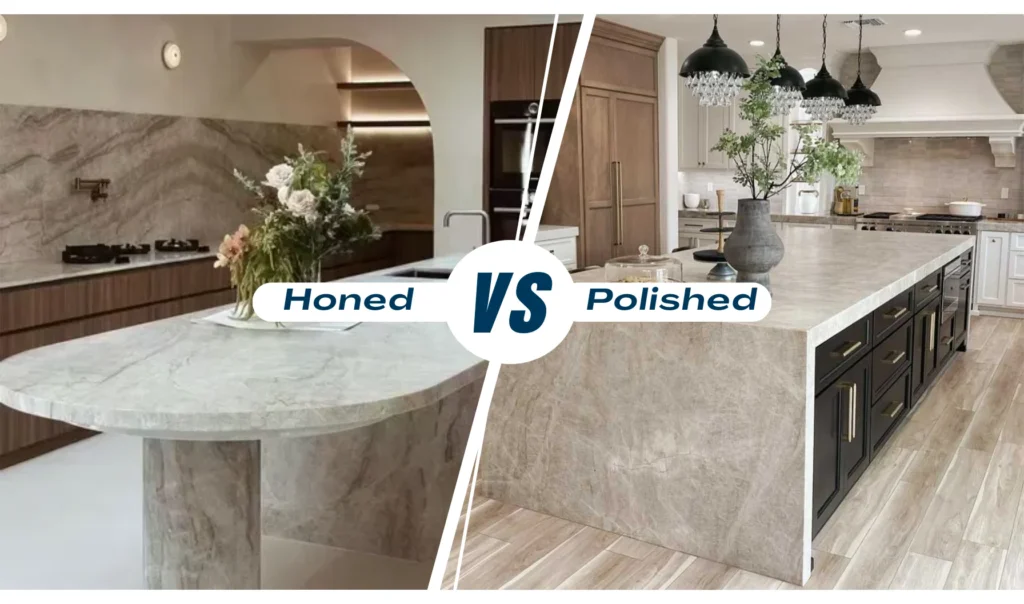
The first step in the decision‑making process is to grasp what each finish actually entails. A polished surface is created by grinding the stone with progressively finer abrasives until it achieves a high‑gloss sheen that mirrors glass. The result is a reflective, almost luminous appearance that showcases the stone’s natural veining and depth.
In contrast, a honed finish is produced by stopping the grinding process before the final polishing stage. The stone retains a smooth, matte texture that feels soft to the touch and diffuses light rather than bouncing it back. Both finishes preserve the stone’s durability, but they differ in visual impact, tactile experience, and suitability for specific rooms.
Key differences between honed vs polished quartzite
- Visual effect: Polished quartzite amplifies color contrast and sparkle; honed quartzite offers a subtle, understated elegance.
- Feel: Polished feels cool and sleek; honed feels warm and velvety.
- Slip resistance: Honed surfaces provide better traction in wet areas, making them a practical choice for bathrooms and outdoor patios.
- Maintenance: Polished finishes may show scratches and etching more readily, while honed finishes can hide minor imperfections.
- Light interaction: Polished quartzite reflects natural and artificial light, brightening darker rooms; honed quartzite absorbs light, creating a cozy ambiance.
Design considerations for each finish

When you match the finish to your overall interior design theme, the stone becomes an integral part of the story you’re telling. A polished quartzite slab in a sleek, contemporary kitchen can act as a centerpiece, echoing the high‑gloss cabinetry and stainless‑steel appliances. Meanwhile, a honed slab in a rustic‑modern bathroom can soften the space, complementing wood tones and matte fixtures.
Think about the surrounding elements:
- Color palette: Bright, high‑contrast colors thrive on polished surfaces, whereas muted, earthy hues pair beautifully with honed finishes.
- Lighting: If your room relies on natural light, a polished finish can amplify it; in low‑light environments, a honed finish can prevent glare and create a gentle glow.
- Scale of the space: In small apartments, a polished slab can visually expand the area, while honed quartzite can add depth without overwhelming the senses.
For a real‑world example, check out our article on warm bedside lighting to see how subtle lighting choices interact with matte surfaces.
Durability and maintenance

Both honed and polished quartzite are incredibly hard—ranking around 7 on the Mohs scale—so they resist scratches and heat better than many other natural stones. However, the finish influences how the stone reacts to everyday wear.
Polished quartzite tends to show water spots, fingerprints, and etching from acidic substances more quickly. Regular cleaning with a pH‑neutral stone cleanser and a soft microfiber cloth keeps it looking showroom‑ready. Sealants are recommended, especially in high‑traffic areas, to protect the glossy surface from staining.
Honed quartzite is more forgiving. Its matte texture masks minor stains and water marks, making it a popular choice for busy family bathrooms or kitchens where spills are inevitable. Still, sealing is advisable to guard against deep‑seated stains, particularly with porous varieties.
Maintenance routines are straightforward:
- Wipe spills immediately with a soft cloth.
- Use a pH‑balanced stone cleaner once a week.
- Re‑seal the surface every 12–18 months, depending on manufacturer recommendations.
Cost implications and value
From a budget perspective, the cost difference between honed and polished quartzite is generally modest. The primary expense lies in the stone itself, while the finishing process adds a slight premium—often 5‑10% more for polishing due to the extra labor and equipment required.
However, the long‑term value can shift based on how the finish aligns with your lifestyle. A polished slab in a high‑visibility kitchen may enhance resale appeal, while a honed finish in a bathroom could reduce maintenance costs over time. Consider the return on investment not just in dollars, but in how the finish supports your daily routine and aesthetic goals.
Choosing the right finish for specific rooms
Below is a quick guide that matches each finish to typical home areas:
- Kitchen countertops: Polished quartzite adds drama and reflects light, perfect for open‑plan kitchens. If you prioritize slip resistance for a cooking island, a honed finish may be safer.
- Bathroom vanity tops: Honed quartzite is ideal because it reduces the risk of slipping on wet surfaces while still offering a luxurious feel.
- Living room accent walls: Polished quartzite creates a striking focal point; honed quartzite offers a softer backdrop for artwork and textiles.
- Outdoor patios: Honed finishes resist glare and provide better traction underfoot, especially in humid climates.
If you’re looking for further inspiration on how stone finishes interact with other décor elements, our piece on timeless inspiration for modern spaces showcases several real‑world installations.
Quick Tips for Working with honed vs polished quartzite
- Test a sample slab in the actual lighting of the room before committing.
- Pair polished quartzite with matte hardware to avoid visual overload.
- Use honed quartzite in wet zones to improve safety without sacrificing style.
- Apply a high‑quality penetrative sealer to both finishes for added protection.
- Consider the long‑term cleaning routine—choose the finish that matches your willingness to maintain shine.
Common mistakes and how to avoid them
Even seasoned designers can stumble when selecting between honed and polished quartzite. Here are some frequent pitfalls:
- Overlooking slip resistance: Installing polished quartzite in a shower area can lead to hazardous conditions. Choose honed for any surface that will get wet.
- Ignoring light dynamics: A polished slab in a dimly lit hallway may create unwanted glare. Assess natural and artificial light sources first.
- Misjudging maintenance commitment: If you’re not prepared for frequent polishing of a glossy surface, a honed finish will save you frustration.
- Failing to match surrounding textures: Pairing a highly reflective polished stone with other glossy elements can make a space feel sterile. Balance with texture—think wood, fabric, or matte metal.
Frequently Asked Questions
Is honed quartzite more resistant to stains than polished quartzite?
Both finishes are equally porous, so neither is inherently more stain‑resistant. The difference lies in visibility; stains are less noticeable on a honed surface because the matte texture hides them better.
Can I switch from a polished finish to a honed finish later?
Yes, a professional stone fabricator can re‑finish a polished slab to a honed look, but it will remove the original polish and may slightly reduce the slab’s thickness.
Which finish is better for outdoor applications?
Honed quartzite is generally preferred for outdoor use because it reduces glare and provides better slip resistance under wet conditions.
Do both finishes require sealing?
Sealing is recommended for both honed and polished quartzite to protect against stains and moisture penetration, especially in high‑traffic or wet areas.
How does the finish affect the perceived size of a room?
Polished quartzite reflects light, making a space feel larger and brighter. Honed quartzite absorbs light, creating a cozier, more intimate atmosphere.
Will a honed finish hide scratches better than a polished one?
Minor scratches are less visible on a honed surface because the matte texture diffuses light, whereas a polished finish can highlight imperfections.
Choosing between honed vs polished quartzite ultimately depends on how you balance aesthetics, functionality, and maintenance. By evaluating the room’s purpose, lighting conditions, and your personal upkeep preferences, you can select a finish that not only looks stunning but also serves your everyday needs. For more ideas on blending textures and finishes, explore our guide on workspace décor with ceramic pen holders. Happy designing, and may your quartzite choices bring timeless beauty to every corner of your home.