
Table of Contents
- Understanding the Basics of home décor with soft natural lighting
- Choosing Window Treatments that Enhance Soft Light
- How to select curtains for home décor with soft natural lighting
- Colour Palettes that Complement Natural Light
- Furniture Placement and Layout for Maximum Light Distribution
- Layering Light: Combining Natural and Artificial Sources
- Soft Natural Lighting in Specific Rooms
- Living Room – Creating a Light‑Filled Gathering Spot
- Bedroom – Crafting a Serene Retreat
- Kitchen – Brightening Functional Spaces
- Bathroom – Soft Light for a Spa‑Like Feel
- Quick Home Décor Tips for Soft Natural Lighting
- Common Mistakes to Avoid When Working with Soft Natural Light
- Frequently Asked Questions
- Can I achieve soft natural lighting in a windowless room?
- What window treatments are best for preserving privacy without sacrificing light?
- How do I prevent glare on my TV or computer screen?
- Is it okay to paint my ceiling a colour other than white?
- Do indoor plants really improve the quality of natural light?
- How often should I clean my windows to maintain optimal lighting?
Home décor with soft natural lighting: A Complete Guide
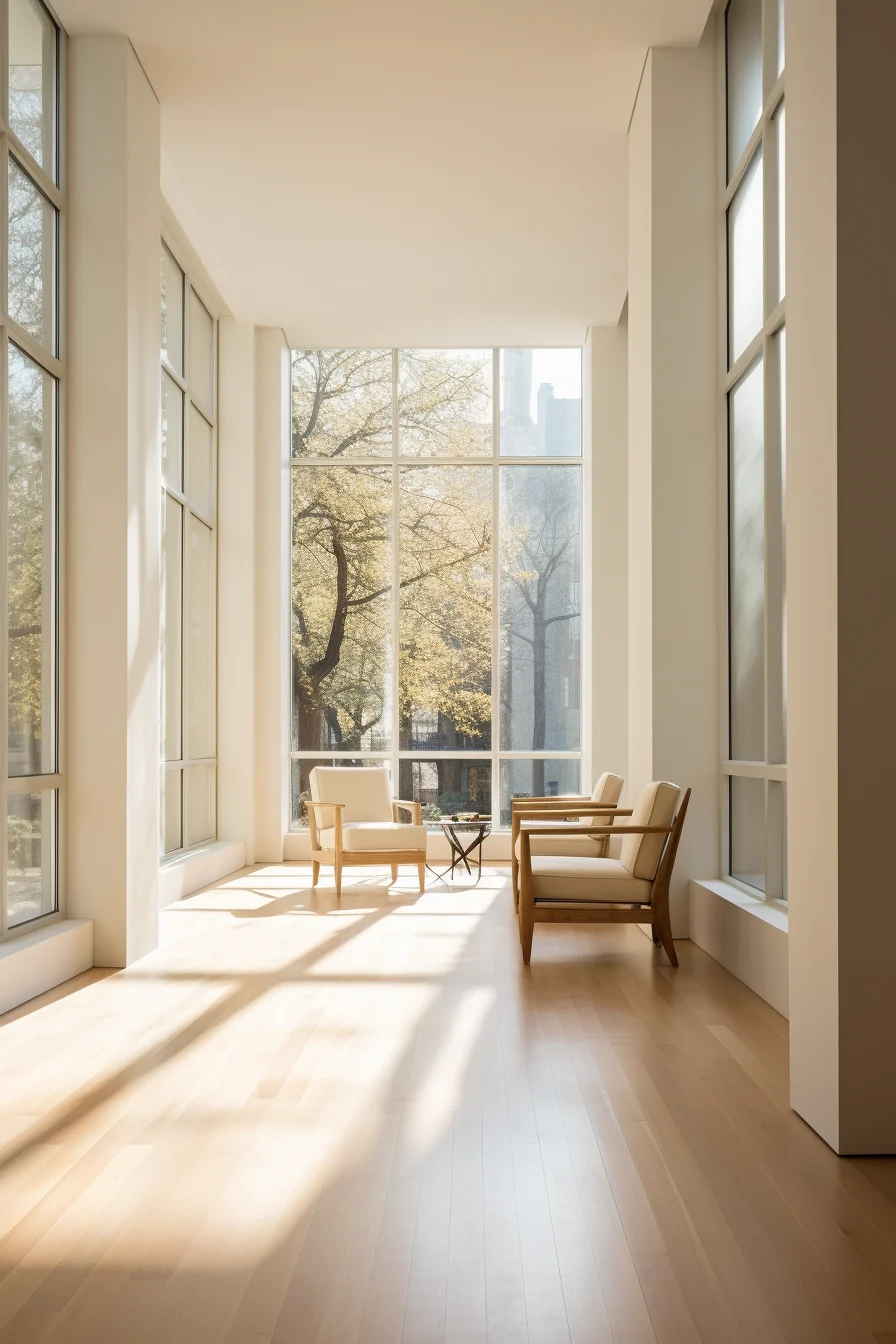
Imagine walking into a room where the sunlight gently filters through sheer curtains, highlighting the texture of a linen sofa and the subtle hue of a painted wall. That serene ambience isn’t a coincidence; it’s the result of thoughtful home décor with soft natural lighting. In today’s fast‑paced world, many homeowners and renters seek calm, inviting spaces that feel both modern and timeless.
Soft natural lighting does more than brighten a room—it shapes mood, emphasizes architectural details, and creates a harmonious backdrop for your personal style. Whether you’re redecorating a compact studio apartment, a sprawling family home, or a cozy bedroom, mastering the interplay of light and design can dramatically elevate the overall experience.
In this guide we’ll explore practical strategies, design principles, and common pitfalls, all geared toward helping you harness gentle daylight to enhance every corner of your home. From choosing the right window treatments to selecting complementary colour palettes, you’ll leave with a toolbox of ideas ready to implement.
Understanding the Basics of home décor with soft natural lighting
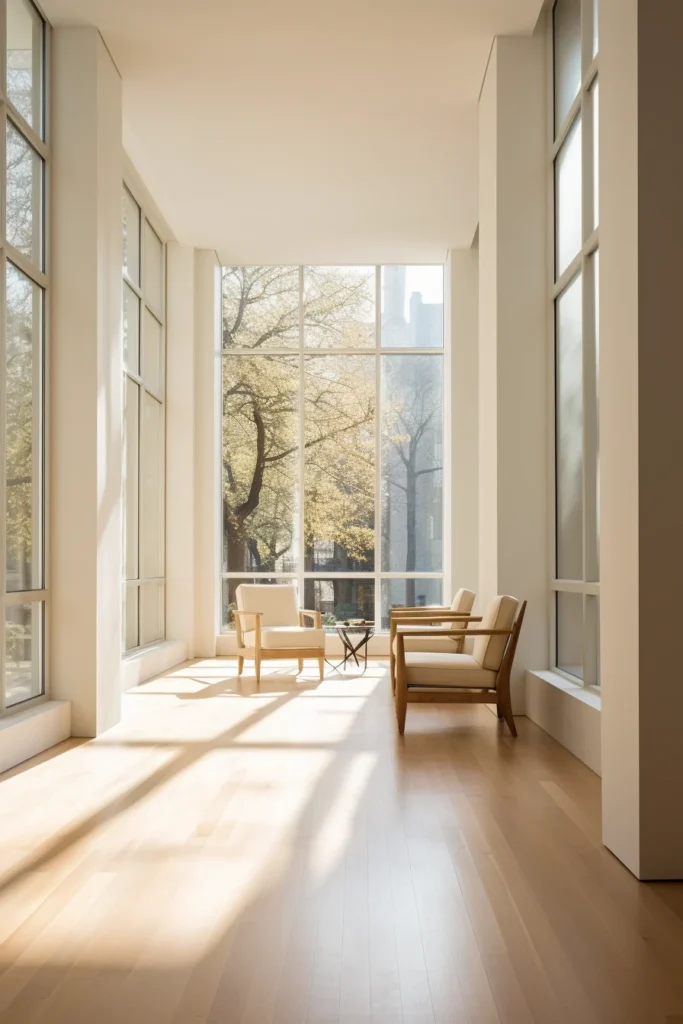
The first step toward effective home décor with soft natural lighting is recognizing how daylight behaves. Light changes throughout the day, shifting colour temperature from cool morning blues to warm evening golds. By selecting finishes, fabrics, and furnishings that respond well to this dynamic range, you create spaces that feel alive yet relaxed.
Key principles include:
- Orientation: South‑facing windows receive the most consistent light, while north‑facing windows offer softer, diffused illumination.
- Window size: Larger windows increase light penetration, but they also demand careful layering of décor to avoid glare.
- Reflective surfaces: Light‑reflective materials such as glossy tiles, glass, or polished wood bounce daylight deeper into the room.
By mapping out the natural light patterns in each room, you can tailor your home décor with soft natural lighting to complement the unique rhythm of sunlight in your home.
Choosing Window Treatments that Enhance Soft Light
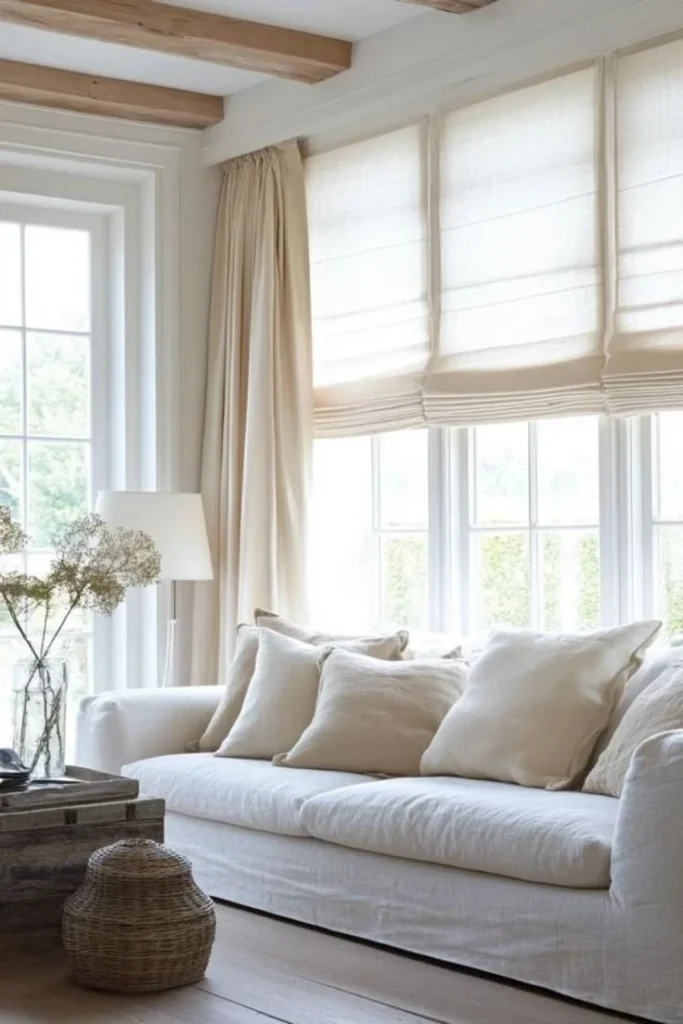
The right window treatment acts as a filter, not a blocker. Sheer curtains, light linen drapes, and bamboo blinds allow daylight to enter while reducing harsh glare. When selecting fabrics, prioritize natural fibres—they diffuse light evenly and add subtle texture.
How to select curtains for home décor with soft natural lighting
Consider the following guidelines:
- Opt for white, ivory, or pastel shades to preserve the light’s brightness.
- Layer sheer panels with heavier drapes for flexibility; you can pull the heavier layer for privacy at night while keeping the sheer open during the day.
- Choose a length that just grazes the floor to avoid cutting off light prematurely.
For smaller apartments, a ceiling‑mounted track system can hold sheer panels without sacrificing floor space, making the room feel taller and more open.
Colour Palettes that Complement Natural Light
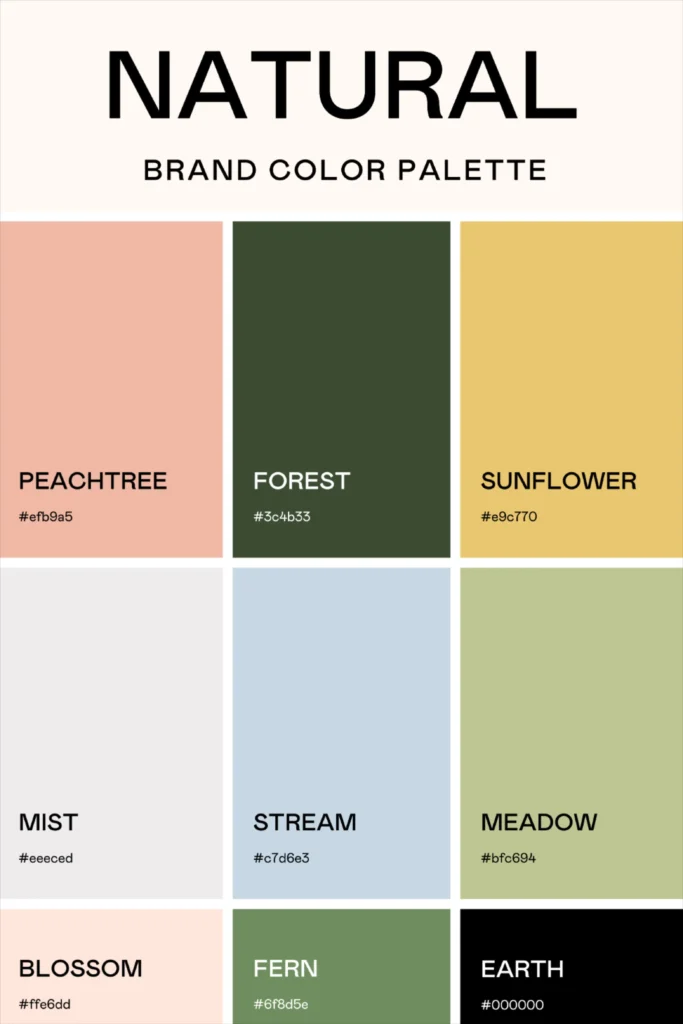
Colour interacts directly with light. Soft, muted tones such as muted sage, pale blush, and warm greys act like quiet mirrors, reflecting daylight without overwhelming the senses. Conversely, bold colours absorb light and can make a room feel smaller if overused.
When planning home décor with soft natural lighting, start with a neutral base—think off‑white walls, light wood flooring, or a subtle stone finish. Then introduce colour through accessories: cushions, artwork, and rugs. This approach lets the daylight remain the star while your chosen hues provide personality.
For inspiration, explore our Calm Home Color Palette Inspiration guide, which showcases serene combinations that thrive under soft natural light.
Furniture Placement and Layout for Maximum Light Distribution
Strategic furniture arrangement can either block or amplify daylight. To keep your rooms airy:
- Place low‑profile furniture—such as a sleek sofa or a platform bed—near windows to maintain sightlines.
- Avoid bulky pieces directly in front of windows; instead, use floating shelves or slender console tables.
- Use mirrors opposite windows; they reflect daylight back into the room, effectively doubling the light without additional fixtures.
In open‑plan living spaces, consider a “light zone” where the layout encourages flow from the kitchen to the living area, allowing daylight to travel uninterrupted. This technique is especially effective in modern homes where visual continuity is prized.
Layering Light: Combining Natural and Artificial Sources
Even the most generous daylight can be supplemented with well‑chosen artificial lighting. The goal is to maintain the softness of natural light while providing functionality after sunset.
Key tactics include:
- Warm‑toned LED bulbs: Choose colour temperatures between 2700K and 3000K to mimic the evening sun.
- Dimmer switches: They let you adjust intensity, preserving the gentle ambience you love during daylight hours.
- Floor lamps with fabric shades: These diffuse light, creating a glow that blends seamlessly with daylight.
For a practical demonstration of blending styles, read our article on Bleaching Oil vs Weathering Stain – Which Finish Wins for Your Home Décor, which discusses finishes that enhance both natural and artificial light.
Soft Natural Lighting in Specific Rooms
Each room presents its own challenges and opportunities. Below are tailored suggestions for the most common spaces.
Living Room – Creating a Light‑Filled Gathering Spot
The living room often serves as the heart of the home, making it an ideal canvas for home décor with soft natural lighting. Position a low media console against a wall that isn’t directly opposite a window to keep the view open. Add a rug in a muted hue to anchor the space without competing with the daylight.
For visual interest, incorporate a gallery wall featuring minimal frames. Our guide on Wall décor with minimal gallery layout – A Modern Design Guide offers ideas that look particularly striking when illuminated by natural light.
Bedroom – Crafting a Serene Retreat
In the bedroom, soft natural lighting can promote relaxation and improve sleep quality. Choose blackout curtains for the night and sheer layers for daytime. Position the bed so the headboard is not directly under a window; this prevents glare while still allowing morning light to filter in.
Use plush, natural fabrics—think linen sheets and cotton throws—that respond gently to daylight, enhancing the tactile experience of the room.
Kitchen – Brightening Functional Spaces
Even kitchens benefit from a softer light touch. Install a skylight or a high window above the sink to capture daylight without exposing countertops to direct sun, which can cause fading. Pair this with under‑cabinet LED strips set to a warm hue for evening cooking sessions.
If you have limited space, consider open shelving painted in a light, reflective colour; this not only adds storage but also helps bounce daylight across the room.
Bathroom – Soft Light for a Spa‑Like Feel
Bathrooms are prone to harsh lighting. Replace frosted glass with clear glass and add a translucent panel to diffuse daylight. Pair this with a vanity mirror that reflects the incoming light, creating an airy, spa‑like atmosphere.
For small bathrooms, a wall‑mounted, back‑lit mirror can act as a secondary light source that mimics the softness of natural daylight.
Quick Home Décor Tips for Soft Natural Lighting
- Use light‑colored, low‑gloss paint on ceilings to reflect daylight upward.
- Introduce indoor plants; their foliage softens shadows and adds a fresh vibe.
- Place a large, low‑profile mirror opposite a window to multiply natural light.
- Choose furniture with exposed legs to create visual space and allow light to flow beneath.
- Replace heavy drapery with sheer panels to maintain privacy while preserving brightness.
Common Mistakes to Avoid When Working with Soft Natural Light
Even well‑intentioned homeowners can stumble. Below are frequent errors and how to correct them:
- Over‑darkening windows: Dark curtains or blinds block the very light you’re trying to celebrate. Opt for lighter fabrics or adjustable blinds.
- Using too many bold colours: Intense hues absorb daylight, making rooms feel cramped. Reserve bright colours for accessories.
- Neglecting reflective surfaces: Matte finishes absorb light. Incorporate glass, polished metal, or high‑gloss paint to bounce light around.
- Placing large furniture directly in front of windows: This creates shadows and reduces the perceived size of the room. Keep pathways clear.
- Forgetting seasonal changes: Light intensity varies with the seasons. Use adjustable window treatments and dimmers to adapt.
Frequently Asked Questions
Can I achieve soft natural lighting in a windowless room?
While natural light is limited, you can mimic its effect with daylight‑balanced LED fixtures, light‑reflective paint, and strategically placed mirrors. Combining these elements creates an illusion of natural illumination.
What window treatments are best for preserving privacy without sacrificing light?
Sheer curtains paired with layered blackout drapes offer flexibility. During the day, keep the sheer open for privacy; at night, draw the blackout layer for complete privacy while still allowing diffused light from interior sources.
How do I prevent glare on my TV or computer screen?
Position screens perpendicular to windows when possible. If that’s not feasible, use sheer curtains to soften incoming light, or install anti‑glare window films that reduce direct sunlight without darkening the room.
Is it okay to paint my ceiling a colour other than white?
Yes, but stay within a light, low‑saturation palette. Soft blues, warm greys, or pastel yellows reflect light well while adding subtle character.
Do indoor plants really improve the quality of natural light?
Plants don’t increase light levels, but they scatter and soften harsh shadows, creating a more pleasant ambience. Choose low‑maintenance varieties like snake plant or pothos for consistent benefits.
How often should I clean my windows to maintain optimal lighting?
Clean windows at least twice a year, or more frequently if you live in a dusty area. Streak‑free glass ensures maximum light transmission and keeps your décor looking fresh.
By paying attention to these common concerns, you can fine‑tune your home décor with soft natural lighting to achieve a balanced, inviting environment year after year.
Integrating soft natural lighting into your design strategy doesn’t require a complete overhaul. Start with one room, experiment with sheer curtains, add a mirror, and observe how the space transforms. As daylight shifts throughout the day, you’ll notice the subtle changes that bring depth and serenity to your home.
Remember, the goal is to let natural light be a gentle, ever‑present partner in your décor, enhancing textures, colours, and the overall mood. With the tips, tricks, and insights shared here, you’re well‑equipped to create luminous, welcoming spaces that feel both modern and timeless.
Ready to explore more ideas? Check out our Living Room Wall Styling Ideas for additional inspiration, and don’t forget to browse our guide on Simple Balcony Table Décor Ideas for Small Spaces if you’re working with limited square footage. For those living on the move, our article on decorating a trailer home offers clever solutions that translate well to any setting.