
Table of Contents
- What Causes Brown Water and How It Relates to Bathing Safety
- Iron‑rich Pipes: Is Brown Water Safe to Bathe In When It Comes From Iron?
- Municipal Sediment: Is Brown Water Safe to Bathe In After a Main Break?
- Well Water Concerns: Is Brown Water Safe to Bathe In When It Originates From a Private Well?
- Health Risks Associated with Bathing in Brown Water
- Testing and Verifying Water Safety
- Step‑by‑Step Home Testing
- Immediate Home Remedies to Clear Brown Water
- Flushing the System
- Using Point‑of‑Use Filters
- Portable Water Heater Bypass
- Long‑Term Solutions for Persistent Brown Water
- Pipe Replacement and Re‑lining
- Whole‑House Water Softeners and Iron Filters
- Well Rehabilitation
- Design‑Friendly Ways to Manage Water Quality Issues in the Bathroom
- Quick Tips for Safe Bathing When Water Turns Brown
- Common Mistakes Homeowners Make and How to Avoid Them
- Frequently Asked Questions
Seeing a murky, brown hue in your faucet or shower can be unsettling, especially when the daily ritual of bathing is a cornerstone of personal comfort and home hygiene. While the color alone might suggest impurity, the safety of using that water for a shower depends on a blend of science, local infrastructure, and quick‑acting home solutions. In this article we unpack the question “is brown water safe to bathe in,” explore why water can turn brown, outline the health considerations, and provide actionable steps you can take to protect yourself and your family without compromising your bathroom’s aesthetic.
Whether you live in a historic townhouse with aging pipes, a modern condo supplied by a municipal system, or a rural home reliant on well water, brown water can appear unexpectedly after maintenance work, a burst pipe, or seasonal changes. Understanding the root cause empowers you to decide if a quick rinse is enough, or if you should temporarily suspend bathing until the issue is resolved. Let’s dive into the details, and along the way you’ll find practical design‑friendly tips that keep your bathroom both safe and stylish.
What Causes Brown Water and How It Relates to Bathing Safety
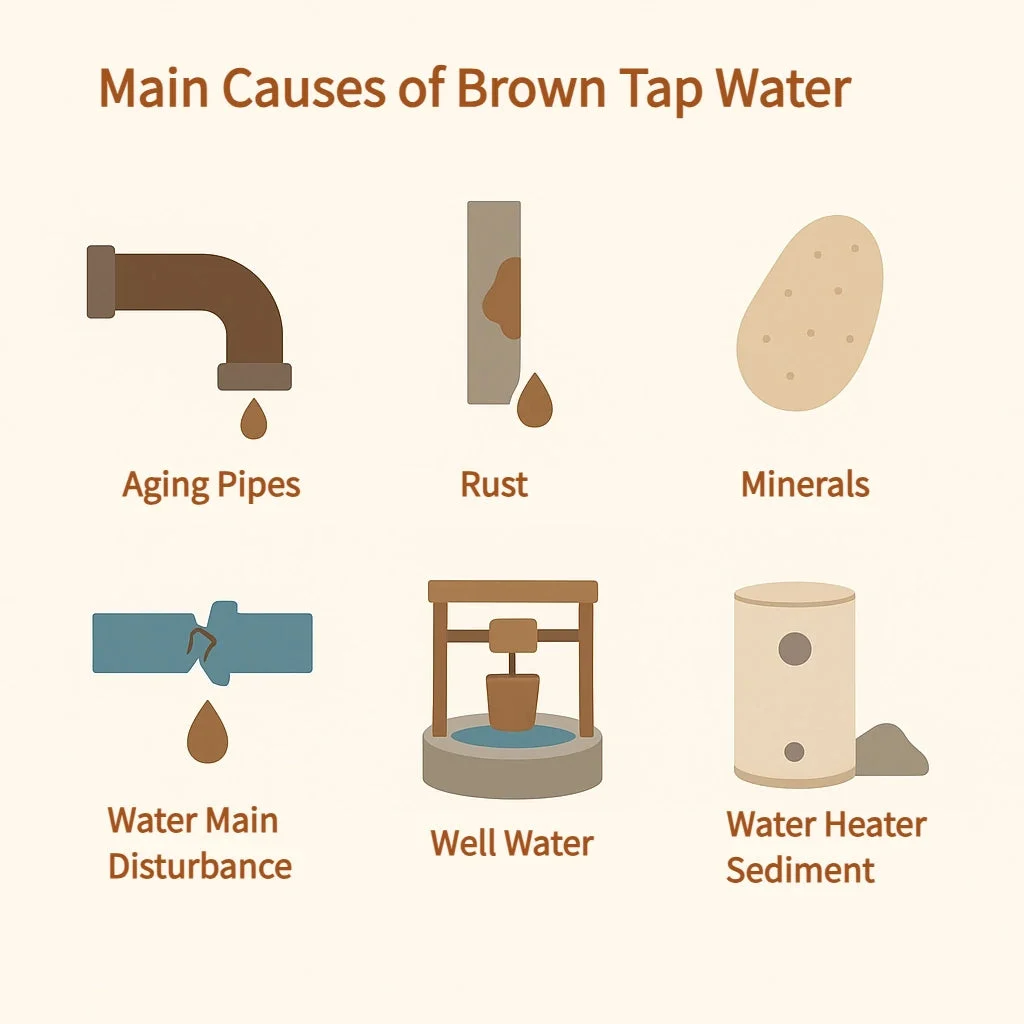
Brown water typically stems from one of three sources: iron or manganese leaching from old pipes, sediment disturbed in the municipal supply line, or contamination from a private well. Each source carries its own risk profile.
Iron‑rich Pipes: Is Brown Water Safe to Bathe In When It Comes From Iron?
Many older homes were built with galvanized steel or cast‑iron plumbing. Over time, these pipes corrode, releasing iron particles that tint the water brown. While iron itself is not poisonous, high concentrations can cause a metallic taste and stain skin, towels, and fixtures. For most healthy adults, bathing in iron‑laden water does not pose a serious health threat, but the visual and tactile experience can be unpleasant.
Municipal Sediment: Is Brown Water Safe to Bathe In After a Main Break?
When a water main breaks or routine maintenance occurs, the turbulence can stir up sand, silt, and rust that have settled in the pipes. The resulting cloudiness often looks brown or orange. In most cases, the sediment is harmless, but it can carry bacteria if the disturbance also compromises the distribution system’s pressure. If the water clears after flushing, bathing is generally safe; however, prolonged exposure should be avoided until the utility confirms water quality.
Well Water Concerns: Is Brown Water Safe to Bathe In When It Originates From a Private Well?
Private wells draw water directly from underground aquifers, which can contain iron, manganese, or even organic material that turns the water brown. Unlike municipal water, well owners are responsible for regular testing. If testing reveals high iron levels or the presence of coliform bacteria, bathing may introduce pathogens to compromised skin, especially for infants, the elderly, or those with skin conditions. In such scenarios, a temporary shift to bottled or filtered water for bathing is advisable.
Health Risks Associated with Bathing in Brown Water
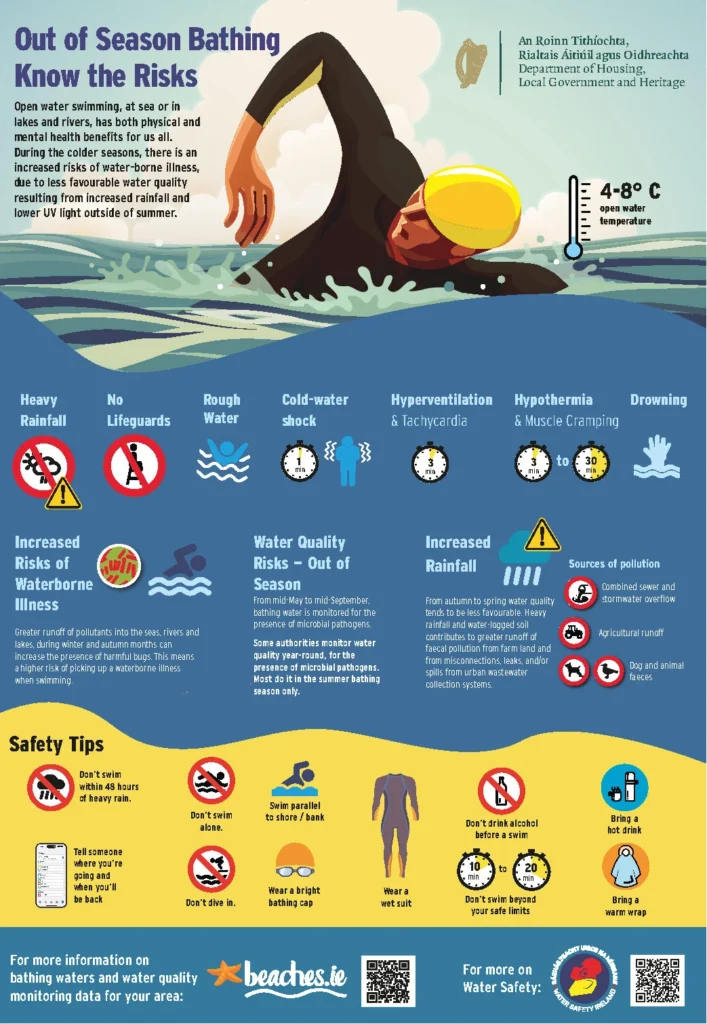
While the visual cue of brown water can be alarming, the actual health risks hinge on the contaminants present. Below is a concise breakdown of the most common concerns.
- Iron and Manganese Overload – Excess iron can cause skin irritation, especially for people with eczema or dermatitis. Manganese, when present in large amounts, may lead to neurological effects after chronic exposure, though bathing alone is rarely a significant route of intake.
- Bacterial Contamination – If the brown coloration is due to disturbed sediment, it may also harbor coliform bacteria or Legionella. Inhaling steam from contaminated water can increase the risk of respiratory infections.
- Heavy Metals – Rarely, brown water may indicate the presence of lead or copper leaching from old plumbing. Lead exposure through skin absorption is minimal, but ingestion (e.g., swallowing water while showering) can be a concern for children.
For most households, occasional exposure to mildly brown water will not result in acute health problems. However, people with compromised immune systems, open wounds, or infants should err on the side of caution and avoid direct contact until water quality is verified.
Testing and Verifying Water Safety

Before deciding whether it’s safe to step into that brown shower, a simple water test can provide peace of mind. Here’s a quick guide:
Step‑by‑Step Home Testing
- Purchase a Certified Kit – Look for kits that test for iron, manganese, pH, and bacterial presence. Many home improvement stores carry EPA‑approved kits.
- Collect a Sample – Run water for two minutes to clear the line, then fill a sterile container with the brown water.
- Follow the Instructions – Most kits involve adding a reagent and comparing color changes to a chart. Record the results.
- Interpret the Data – If iron is above 0.3 mg/L or bacteria are detected, consider alternative water for bathing.
- Contact Professionals – For persistent issues, hire a certified plumber or water‑treatment specialist to assess pipe corrosion or well integrity.
Municipal water utilities typically publish real‑time water quality reports on their websites. Checking those reports can confirm whether a city‑wide event caused the discoloration. If you discover that the issue is localized to your home, you’ll know it’s a plumbing problem rather than a municipal one.
Immediate Home Remedies to Clear Brown Water
While awaiting professional help, several practical steps can minimize exposure and restore clear water for a short period.
Flushing the System
Turn on the cold water tap at the farthest point from the water meter (often an outdoor faucet). Let it run for 10‑15 minutes or until the water runs clear. This can dislodge sediment that’s temporarily trapped in the lines.
Using Point‑of‑Use Filters
Install a simple carbon or sediment filter on your showerhead. These filters capture particles as small as 5 microns, effectively removing rust and iron particles that cause brown hues. Replace the cartridge according to manufacturer guidelines—usually every three months for heavy use.
Portable Water Heater Bypass
If your water heater is a source of rust, consider bypassing it temporarily. Use a bucket of boiled water mixed with a safe amount of unscented baby shampoo for a quick, clean rinse. This isn’t a long‑term solution but can keep you comfortable during a short outage.
Long‑Term Solutions for Persistent Brown Water
When brown water recurs, a more permanent fix is required. Below are common interventions tailored to the cause.
Pipe Replacement and Re‑lining
For homes with iron or galvanized steel piping, replacing the affected sections with copper or PEX (cross‑linked polyethylene) eliminates the source of rust. Re‑lining, which involves inserting a flexible liner inside existing pipes, can be a cost‑effective alternative that avoids major demolition.
Whole‑House Water Softeners and Iron Filters
Installing a whole‑house iron filter removes iron and manganese before water reaches any faucet. These systems use oxidation and filtration media to trap particles. Pairing a filter with a water softener can also mitigate scale buildup, extending the life of appliances and fixtures.
Well Rehabilitation
If a private well is the culprit, schedule a professional well cleaning. Shock chlorination—adding a high concentration of chlorine to the well—can kill bacteria and dissolve iron deposits. Follow up with a well‑screen inspection to ensure the casing isn’t damaged.
Design‑Friendly Ways to Manage Water Quality Issues in the Bathroom
Even when you’re dealing with water quality concerns, your bathroom can stay stylish and functional. Here are a few décor‑savvy suggestions.
- Invest in a Decorative Shower Filter – Choose a sleek, brass‑finished filter that doubles as a design accent. It not only cleans water but also adds a modern touch.
- Use Moisture‑Resistant Textiles – Brown water can stain towels and bath mats. Opt for high‑quality, quick‑dry microfiber that resists staining, and keep spare sets in a basket for easy rotation.
- Highlight Natural Materials – Incorporating stone or reclaimed wood can camouflage minor mineral stains, turning a potential flaw into a design feature.
- Display Functional Art – Hang a decorative water‑quality gauge or a vintage metal pipe sculpture to celebrate the plumbing narrative of your home.
For more inspiration on how to turn practical fixtures into décor statements, check out our guide on Elevate Your Bathroom Décor with Clay Soap Dishes. The subtle color palette of clay complements the earthy tones that sometimes appear in water‑stained tiles, creating a cohesive look.
Quick Tips for Safe Bathing When Water Turns Brown
- Flush all taps for at least 10 minutes before bathing.
- Install a point‑of‑use sediment filter on your showerhead.
- Test water for iron, manganese, and bacteria after a discoloration event.
- Use bottled or filtered water for rinsing if you have open wounds.
- Schedule a professional pipe inspection if brown water persists.
Common Mistakes Homeowners Make and How to Avoid Them
Understanding what not to do can be just as valuable as knowing the right steps.
- Ignoring Early Warning Signs – A slight discoloration often precedes a larger issue. Don’t wait for the water to turn completely opaque before investigating.
- Using Harsh Chemicals to Clear Water – Bleach or chlorine tablets can damage pipe seals and introduce harmful residues. Stick to flushing and proper filtration.
- Relying Solely on Taste – Brown water may still taste normal while containing invisible contaminants. Always test or consult your water utility.
- Skipping Regular Maintenance – Annual inspections of well pumps and municipal backflow prevent many brown‑water incidents.
Frequently Asked Questions
Can I use my bathtub if the water is brown?
Yes, you can, but only after flushing the tub and ensuring the water runs clear for a few minutes. If you notice a strong metallic odor or the water does not clear, it’s safer to postpone bathing until you confirm water quality.
Does brown water affect the effectiveness of soap?
Mineral particles can reduce lather and cause soap scum to cling more tightly to skin and surfaces. Using a water‑softening shower filter restores normal soap performance.
Will brown water stain my bathroom tiles?
Iron particles can leave reddish stains on porous tile surfaces over time. Sealing grout and using a high‑pH cleaner can mitigate staining, and regular cleaning prevents buildup.
Is it safe for children to bathe in brown water?
Children, especially infants, have more sensitive skin and a higher risk of ingesting water. If the water’s brown color is due to sediment rather than bacterial contamination, a brief rinse may be acceptable, but using filtered or bottled water is the safest approach.
How long does it take for a municipal water system to clear brown water after a main break?
Typically, utilities advise flushing the system for 15‑30 minutes. In most cases, water clears within a few hours after pressure stabilizes, but you should follow the utility’s official notice for exact timing.
Can I treat brown water with a home water softener?
A standard water softener removes calcium and magnesium but not iron. For brown water caused by iron, you’ll need a dedicated iron filter or oxidation system in addition to a softener.
For a broader look at how different water‑related issues intersect with home design, you might enjoy reading Raised Spa vs Flush Spa: Which Design Fits Your Home?. Understanding the plumbing behind spa installations can help you avoid similar discoloration problems in the future.
Another handy resource is our guide on Simple interior décor ideas to transform any space, which offers budget‑friendly ways to refresh your bathroom while you wait for water quality improvements.
If you’re curious about seasonal home‑care routines, the article Is Bath and Body Works Open on the 4th of July? Everything You Need to Know also touches on how holiday traffic can affect municipal water systems, giving you context for occasional brown‑water events.
In summary, the short answer to “is brown water safe to bathe in” is: it depends on the source, the level of contaminants, and your personal health considerations. By testing, flushing, and using appropriate filtration, you can often continue your daily shower routine safely. For persistent problems, invest in long‑term plumbing upgrades and keep your bathroom décor resilient to occasional stains.
Staying informed and proactive ensures that your bathroom remains a sanctuary rather than a source of worry. Keep an eye on local water notices, schedule routine pipe checks, and choose décor elements that both inspire and withstand the occasional splash of brown water. With these steps, you’ll enjoy clean, comfortable baths and a beautifully styled space for years to come.