
Table of Contents
- Design Aesthetics: How Raised Spa vs Flush Spa Shapes Your Space
- Raised Spa vs Flush Spa: Visual Integration Tips
- Installation Considerations: Practical Steps for Raised Spa vs Flush Spa
- Step‑by‑Step Guide for Raised Spa vs Flush Spa Installation
- Maintenance and Longevity: Keeping Raised Spa vs Flush Spa in Top Shape
- Maintenance Checklist for Raised Spa vs Flush Spa
- Space Planning: Maximizing Small Areas with Raised Spa vs Flush Spa
- Design Strategies for Small Spaces
- Cost Comparison: Budgeting for Raised Spa vs Flush Spa
- Cost‑Saving Tips for Raised Spa vs Flush Spa Projects
- Quick Tips for Choosing Between Raised Spa vs Flush Spa
- Common Mistakes to Avoid with Raised Spa vs Flush Spa Installations
- Frequently Asked Questions
- Can a raised spa be installed indoors?
- Is a flush spa suitable for a small backyard?
- Which option is more energy‑efficient?
- Do I need a permit for either spa type?
- How often should I replace the spa cover?
- Can I heat a raised spa with solar panels?
Raised Spa vs Flush Spa: Which Design Fits Your Home?
When it comes to creating a personal oasis at home, the choice of spa style can dramatically influence both the aesthetic appeal and functional performance of the space. Two popular configurations dominate the market today: the raised spa and the flush spa. Understanding the nuances between them helps homeowners, renters, and design enthusiasts make an informed decision that aligns with their lifestyle, budget, and overall décor vision.
This article dives deep into the practical and stylistic aspects of raised spa vs flush spa installations. We’ll explore how each option integrates with indoor and outdoor environments, discuss installation considerations, compare long‑term maintenance, and provide actionable tips for seamless integration with modern home décor. By the end, you’ll have a clear roadmap for selecting the spa that enhances your living space while complementing your interior design goals.
Design Aesthetics: How Raised Spa vs Flush Spa Shapes Your Space
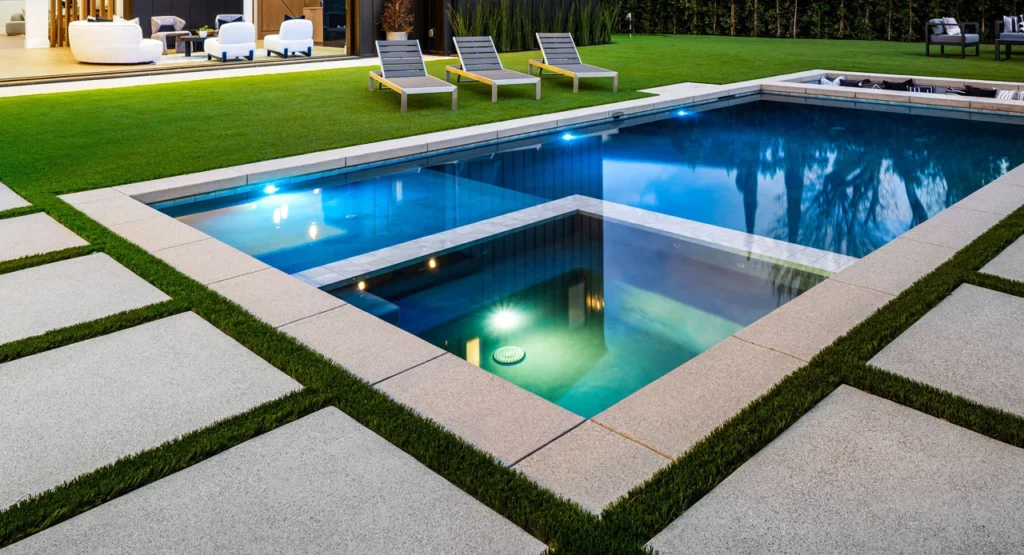
At first glance, the visual impact of a raised spa differs markedly from that of a flush spa. A raised spa typically sits on a sturdy platform or deck, creating a distinct, elevated silhouette that can become a focal point in a backyard, patio, or even an indoor lounge area. Its height adds a sense of luxury and separation, allowing for decorative railings, built‑in seating, or surrounding planters that blend the spa into a curated landscape.
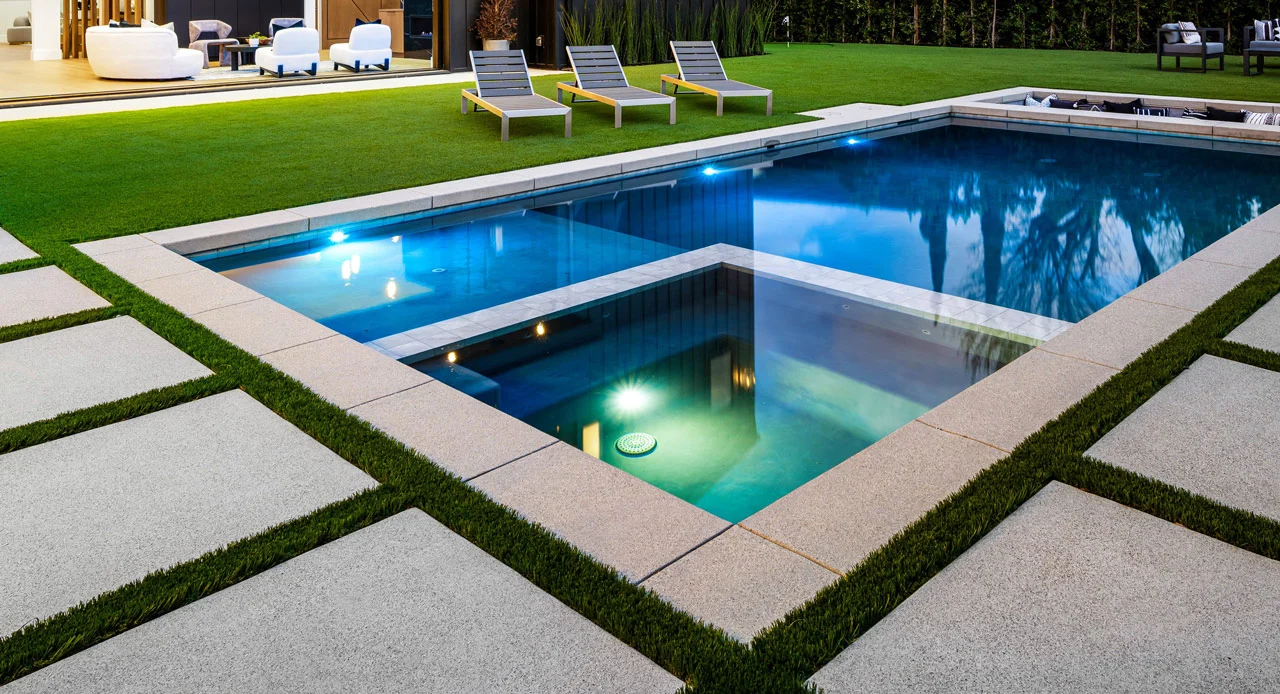
Conversely, a flush spa is installed level with the surrounding floor, often recessed into the ground or built into a slab. This design yields a sleek, minimalist look that appears to melt into its surroundings, making it an excellent choice for contemporary homes that favor clean lines and seamless transitions between indoor and outdoor zones.
Raised Spa vs Flush Spa: Visual Integration Tips
- Elevated Viewpoint: Position a raised spa where you can enjoy panoramic views—think a deck overlooking a garden or a rooftop terrace. The height amplifies the visual connection to the landscape.
- Subtle Seamlessness: For a flush spa, use the same decking material or flooring as the surrounding area to create a unified surface. This approach is especially effective in modern interiors where the spa becomes part of the living room floor plan.
- Lighting Strategy: Incorporate ambient lighting around a raised spa to highlight its stature at night, while under‑floor lighting can accentuate the sleek edges of a flush spa.
Both configurations can be tailored to match your home’s décor narrative. Pair a raised spa with rustic wood decking for a cabin‑style retreat, or embed a flush spa within a marble floor for an upscale, spa‑like bathroom. For more ideas on cohesive interior styling, check out our guide on simple interior décor ideas to transform any space.
Installation Considerations: Practical Steps for Raised Spa vs Flush Spa
Choosing between a raised spa and a flush spa often hinges on structural feasibility and budget. A raised spa usually requires a reinforced platform, which can be built from pressure‑treated lumber, composite decking, or even concrete blocks. The platform must support the spa’s weight when filled with water—approximately 8 to 10 pounds per gallon—plus the weight of occupants.
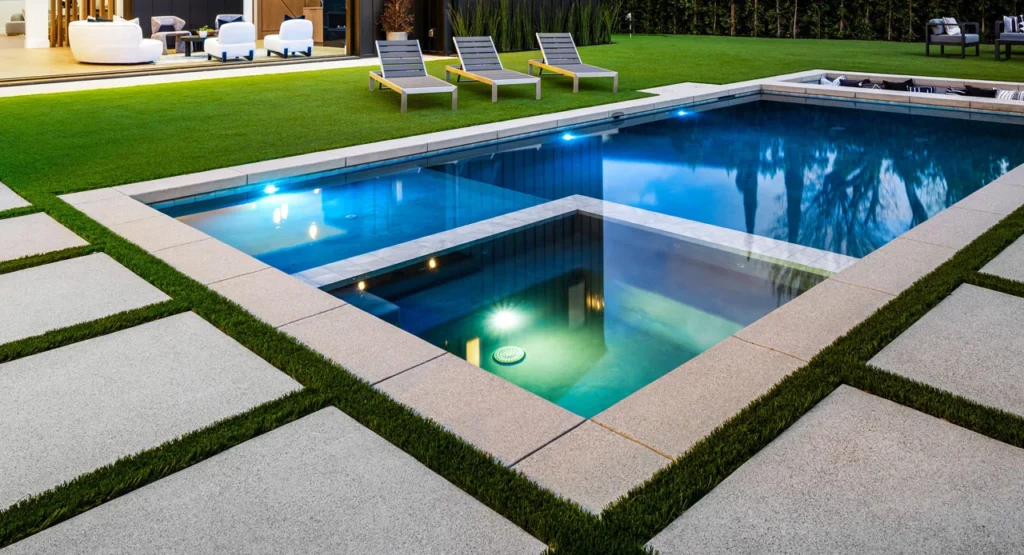
A flush spa, on the other hand, demands excavation, proper drainage, and a stable slab or concrete pad. The groundwork involves grading the site, installing a waterproof membrane, and ensuring the surrounding soil can bear the load without shifting. While the initial cost may be higher for a flush spa due to excavation and concrete work, it often results in a cleaner finish that can increase property value.
Step‑by‑Step Guide for Raised Spa vs Flush Spa Installation
- Site Assessment: Measure the available space, check for utilities, and verify load‑bearing capacity.
- Permits and Codes: Obtain necessary building permits; both installations must comply with local electrical and plumbing codes.
- Foundation Preparation: For raised spa, construct a level platform with proper footings. For flush spa, pour a reinforced concrete slab with a slope for drainage.
- Plumbing Connections: Install water supply and drainage lines, using flexible hoses for raised spas and rigid PVC for flush spas.
- Electrical Wiring: Ensure GFCI‑protected circuits for pumps, heaters, and lighting.
- Finishing Touches: Add decking, coping stones, or surrounding tiles to blend the spa with the environment.
Whether you opt for a raised spa or a flush spa, hiring qualified contractors familiar with spa installations can prevent costly mistakes. For a broader perspective on modern living spaces, explore Condo vs Condex: Which Is Right for Modern Living.
Maintenance and Longevity: Keeping Raised Spa vs Flush Spa in Top Shape
Maintenance routines differ slightly between raised spa vs flush spa due to exposure and construction methods. A raised spa, being elevated, often benefits from better air circulation, which can reduce mold growth on the outer shell. However, it may also be more vulnerable to wind‑blown debris, requiring regular cleaning of the surrounding deck and occasional checks for water infiltration at the base.
A flush spa, recessed into the ground, tends to stay cooler, which can be advantageous for water temperature stability but may also create a damp environment around the perimeter. Proper waterproofing and adequate drainage are critical to prevent moisture buildup that could affect the surrounding flooring or foundation.
Maintenance Checklist for Raised Spa vs Flush Spa
- Check and balance water chemistry weekly—pH, alkalinity, and sanitizer levels.
- Inspect the spa cover for wear; a snug, insulated cover reduces energy consumption.
- Clean filters monthly; backwash if applicable.
- For raised spa, sweep deck debris and inspect support bolts for corrosion.
- For flush spa, monitor surrounding grout or sealant for cracks and reseal as needed.
- Schedule professional servicing of pumps and heaters annually.
Choosing a spa model with easy‑access panels and corrosion‑resistant components can simplify upkeep for both raised spa vs flush spa setups. Additionally, incorporating natural wood accents around your spa can enhance the aesthetic while providing a functional barrier—read more in our article on organic home décor with wooden accents.
Space Planning: Maximizing Small Areas with Raised Spa vs Flush Spa
Urban dwellers often wonder if a spa can fit into limited footprints. A raised spa can be positioned on a compact deck or balcony, taking advantage of vertical space without sacrificing floor area. Because the platform can be built to custom dimensions, it allows creative solutions like multi‑level seating or built‑in storage beneath the spa.
A flush spa, meanwhile, can be integrated into a walk‑in bathroom, a corner of a living room, or a modest backyard by recessing it into a pre‑existing slab. Its low profile makes it ideal for spaces where a towering structure would overwhelm the design.
Design Strategies for Small Spaces
- Dual‑Purpose Decking: Combine a raised spa platform with a dining or lounge area to maximize utility.
- Under‑Spa Storage: Use the space beneath a raised spa for towels, cushions, or a mini‑fridge.
- Seamless Flooring: Match the flush spa’s flooring material with adjacent rooms to create a visual flow.
- Glass Walls: Enclose a flush spa with floor‑to‑ceiling glass to maintain an open feel while containing moisture.
When planning, consider the overall traffic flow and how the spa will interact with surrounding furniture. For inspiration on compact living solutions, check out creative home office wall shelf ideas for modern spaces.
Cost Comparison: Budgeting for Raised Spa vs Flush Spa
Budget is a decisive factor for many homeowners. A raised spa generally involves lower upfront costs because it avoids extensive excavation and concrete work. The primary expenses include the platform materials, spa unit, and basic plumbing and electrical connections. Expect a price range of $5,000 to $12,000 for a mid‑size raised spa, depending on materials and finishes.
In contrast, a flush spa requires more labor-intensive groundwork, which can drive costs upward. Excavation, slab pouring, waterproofing membranes, and additional site preparation can add $3,000 to $7,000 to the overall expense. However, flush spas often have higher resale value due to their integrated look and perceived permanence.
Cost‑Saving Tips for Raised Spa vs Flush Spa Projects
- Choose a spa kit that includes pre‑installed jets and a built‑in control panel to reduce labor.
- Source reclaimed decking or locally manufactured concrete blocks for a raised spa platform.
- Plan for DIY installation of non‑electrical components if you have the skills.
- Combine the spa installation with a larger renovation project to share contractor fees.
Remember that ongoing energy costs—heating, filtration, and lighting—will be similar for both designs, so factor in efficiency ratings when comparing models.
Quick Tips for Choosing Between Raised Spa vs Flush Spa
- Assess your site’s load‑bearing capacity before deciding on a raised platform.
- Consider climate: raised spas drain faster in rainy areas, while flush spas stay cooler in hot zones.
- Match the spa’s style with your home’s architectural language—modern minimalism favors flush, while rustic charm embraces raised.
- Plan for easy access to plumbing and electricity; hidden panels work well for both.
- Budget for both installation and long‑term maintenance to avoid surprises.
Common Mistakes to Avoid with Raised Spa vs Flush Spa Installations
Even seasoned homeowners can stumble over pitfalls when installing a spa. One frequent error is neglecting proper drainage for a flush spa, leading to water pooling and potential foundation damage. Another is underestimating the weight of a raised spa, which can cause platform sagging if the footings aren’t adequately reinforced.
Other missteps include using incompatible cover materials that trap moisture, overlooking local code requirements for electrical safety, and forgetting to plan for adequate ventilation around a raised spa to prevent heat buildup. By anticipating these issues early, you can safeguard both the spa and your home’s structural integrity.
Frequently Asked Questions
Can a raised spa be installed indoors?
Yes, a raised spa can be placed indoors as long as the floor can support the combined weight of the water, spa, and occupants. Reinforced joists or a concrete slab may be required, along with proper ventilation and moisture‑resistant flooring.
Is a flush spa suitable for a small backyard?
Absolutely. Because a flush spa sits level with the ground, it can be recessed into a corner of a modest backyard, leaving more usable space around it compared to a raised platform.
Which option is more energy‑efficient?
Both designs can be energy‑efficient if you choose an insulated cover, a high‑efficiency pump, and a well‑rated heater. However, a flush spa often benefits from natural ground cooling, which can reduce heating demands in cooler climates.
Do I need a permit for either spa type?
Most municipalities require a building permit for any permanent spa installation, whether raised or flush. Check local regulations for electrical and plumbing permits before you begin.
How often should I replace the spa cover?
Typically, spa covers last 5‑7 years. Replace them when you notice cracks, loss of insulation, or a poor seal that leads to higher energy consumption.
Can I heat a raised spa with solar panels?
Yes, solar thermal panels can be integrated with both raised and flush spas. The key is to ensure the system’s capacity matches the spa’s heating requirements and that the panels receive sufficient sunlight.
Choosing between a raised spa vs flush spa is ultimately about aligning the design with your lifestyle, spatial constraints, and aesthetic preferences. Both options offer luxurious relaxation, but each brings distinct advantages that can enhance your home’s overall look and functionality. By thoughtfully evaluating site conditions, budget, and long‑term maintenance, you can create a spa experience that feels tailor‑made for your living environment.
Ready to transform your space? Dive into the planning process with confidence, and let your new spa become the centerpiece of modern comfort and style.