
Table of Contents
- Small Home Office Layout Ideas: Zoning Your Space Effectively
- Small Home Office Layout Ideas: Choosing the Right Desk
- Vertical Storage Solutions for Tiny Offices
- Lighting Strategies That Expand the Room
- Incorporating Wall Décor Without Overcrowding
- Multi‑Functional Furniture to Maximize Flexibility
- Quick Tips for a Polished Small Office
- Common Mistakes to Avoid in Small Home Office Layouts
- Frequently Asked Questions
Small Home Office Layout Ideas: Transform Your Compact Workspace
Working from home has become the norm for many, and a well‑designed office—even in the tiniest square footage—can boost productivity, focus, and overall wellbeing. Whether you’re a freelancer in a studio apartment, a remote employee sharing a bedroom, or a student carving out a study nook, the challenge is the same: make every inch count without sacrificing style. This guide walks you through a variety of small home office layout ideas that blend modern aesthetics with practical functionality, so you can create a workspace that feels both professional and inviting.
From clever furniture placement to lighting tricks and subtle décor touches, each idea is grounded in interior design principles that work in real homes. You’ll learn how to choose the right desk, maximize storage, and use wall art to add personality without clutter. By the end, you’ll have a toolbox of strategies you can adapt to any modest floor plan, turning a cramped corner into a productive haven.
Small Home Office Layout Ideas: Zoning Your Space Effectively
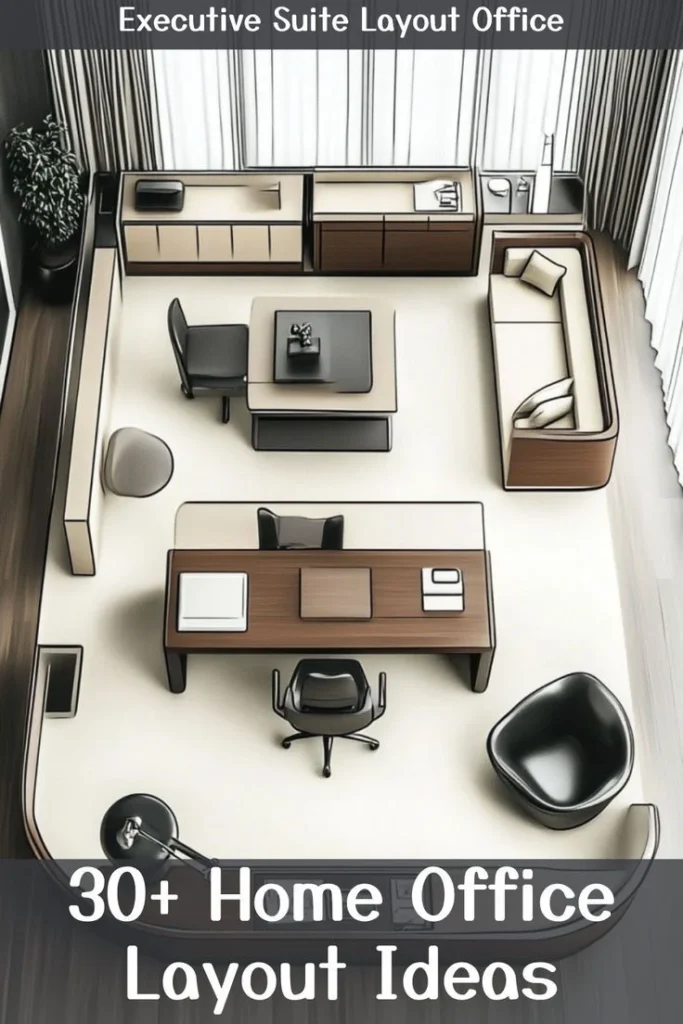
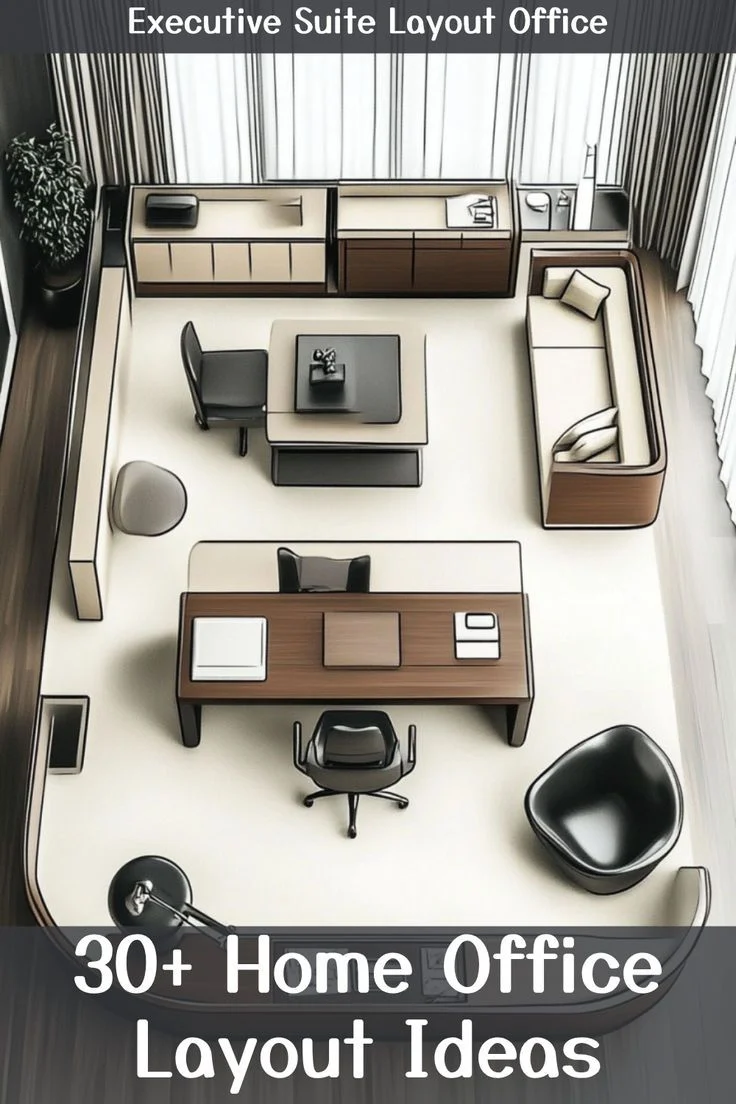
When space is limited, visual zoning becomes essential. Even a modest room can feel organized when you define distinct functional zones—work, storage, and relaxation—using furniture, rugs, or color contrasts. Start by measuring your available floor area and sketching a simple floor plan. Identify the wall that receives the most natural light; placing your desk there reduces glare and creates a pleasant atmosphere.
Consider a floating desk that attaches to the wall without legs, freeing floor space for a slim storage unit or a decorative rug. A low-profile credenza can double as a printer stand and a place to hide paperwork, while a wall‑mounted pegboard offers flexible, vertical storage for supplies. By keeping the floor clear, you enhance the perception of space, making the room feel larger than it really is.
Small Home Office Layout Ideas: Choosing the Right Desk
The desk is the centerpiece of any home office, and its size and shape dictate how the rest of the room will be arranged. For small home office layout ideas, opt for a compact, rectangular desk that fits snugly against a wall or a corner. If you need more surface area, a wall‑mounted drop‑leaf desk can be folded down when not in use, preserving floor space. Look for desks with built‑in drawers or a modesty panel to keep essentials out of sight.
Materials matter, too. Light‑colored wood or metal frames reflect light, contributing to an airy feel. Pair the desk with an ergonomic chair that has a slim profile; a chair with wheels can be easily moved, allowing you to re‑configure the layout as needed. When selecting a desk, think about cable management—integrated grommets or a discreet power strip keep cords organized, maintaining a clean visual line.
Vertical Storage Solutions for Tiny Offices
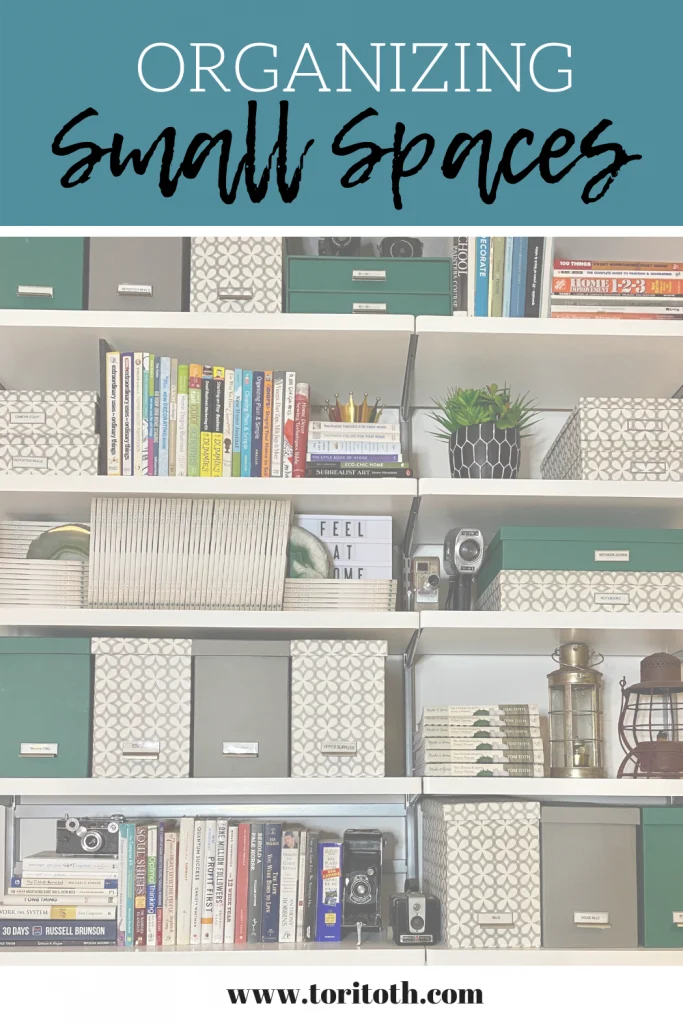
One of the most effective small home office layout ideas is to think upward. Floor space is precious, but walls offer ample room for storage without crowding the work area. Tall bookshelves, narrow wall cabinets, or floating shelves can house books, binders, and decorative items. A series of staggered shelves creates visual interest while distributing weight evenly.
For a cohesive look, choose a consistent finish—such as matte white or brushed walnut—to avoid visual fragmentation. Incorporate baskets or fabric bins on the lower shelves to hide miscellaneous items like chargers, notebooks, or office supplies. If you love art, reserve a top shelf for a small sculpture or a stack of framed prints. This strategy not only maximizes storage but also adds personality, turning a functional wall into a curated display.
Lighting Strategies That Expand the Room
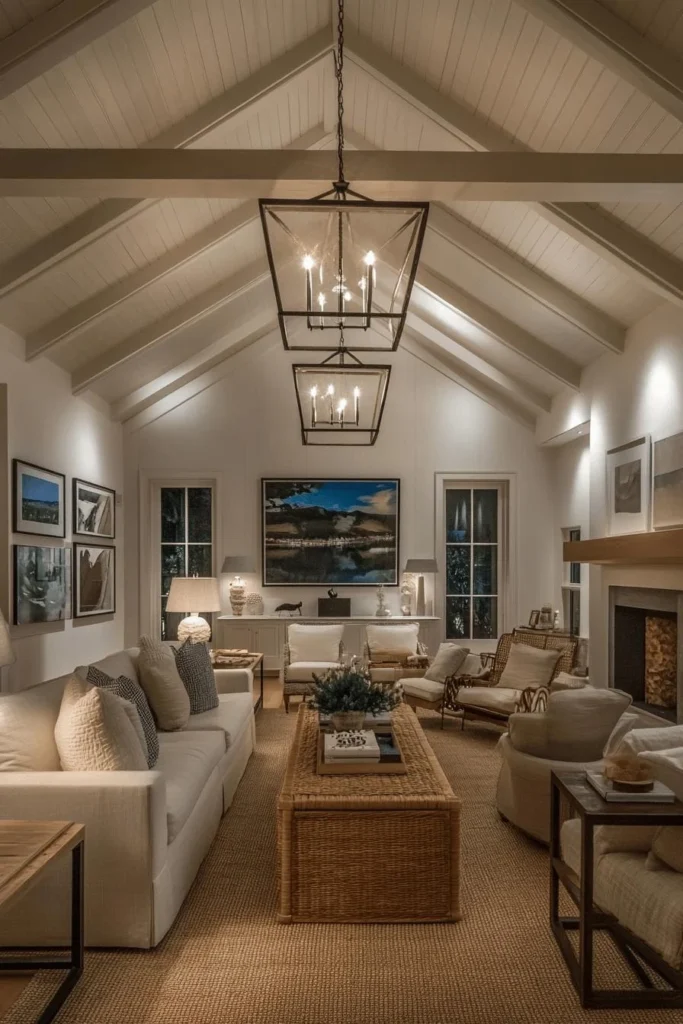
Good lighting is a cornerstone of any small home office layout ideas. Natural light should be the first source you harness; position your desk near a window and use sheer curtains to diffuse harsh sunlight while preserving brightness. Supplement with layered artificial lighting: an adjustable desk lamp for task work, a wall‑mounted swing arm lamp for ambient illumination, and a floor lamp with a slim profile to fill shadows.
LED strip lighting installed under shelves or behind a floating desk can create a subtle glow that visually lifts the ceiling. When choosing fixtures, consider finishes that match your overall décor—brushed nickel, matte black, or warm brass—to maintain a harmonious aesthetic. Proper lighting not only reduces eye strain but also tricks the brain into perceiving a larger, more open environment.
Incorporating Wall Décor Without Overcrowding
Even in a compact office, walls are valuable canvases for expression. A well‑chosen piece of wall art can anchor the space, provide inspiration, and reinforce your personal style. For small home office layout ideas, opt for simple frames or neutral abstract art that doesn’t dominate the room. A series of three equally spaced prints creates balance, while a single large canvas can become a focal point.
For a subtle touch, consider modern wall décor with simple frames that complement the desk’s finish. If you prefer texture, woven textile art adds depth without overwhelming the visual field. Keep the décor at eye level to avoid making the ceiling feel lower, and ensure the colors echo the room’s palette for a cohesive look.
Multi‑Functional Furniture to Maximize Flexibility
When square footage is at a premium, each piece of furniture should serve more than one purpose. Look for desks with built‑in pull‑out keyboards, hidden filing cabinets, or a fold‑away chair that tucks under the desk when not in use. A small, rolling side table can double as a coffee station or a place to store a printer, moving easily when you need additional workspace.
Another clever small home office layout idea is to integrate a wall‑mounted fold‑down table that can be used for occasional projects or as a secondary workspace for collaborative tasks. When folded up, it disappears into a sleek panel, preserving floor space. Combine these pieces with modular storage cubes that can be rearranged as your needs evolve, ensuring the office grows with you.
Quick Tips for a Polished Small Office
- Use a light color palette—whites, soft grays, and pastel tones—to reflect light and open up the room.
- Choose furniture with exposed legs to create a sense of airiness.
- Install a cable management box or clips to keep cords hidden and tidy.
- Add a small indoor plant for a touch of nature and improved air quality.
- Mirror a portion of the wall opposite the window to double the perceived space.
Common Mistakes to Avoid in Small Home Office Layouts
Even the most well‑intentioned designs can fall short if you overlook a few pitfalls. One frequent error is overloading the room with bulky furniture, which instantly shrinks the usable area and creates a claustrophobic vibe. Instead, select slim, streamlined pieces that sit lightly on the floor. Another mistake is neglecting proper lighting; a dim office can cause fatigue and make the space feel smaller. Balance natural and artificial light sources for optimal brightness.
Finally, avoid excessive décor that competes with the work area. Keep accessories purposeful—use trays for paperwork, a single piece of art for inspiration, and a modest plant for freshness. By staying mindful of scale, lighting, and functional décor, you’ll preserve the room’s openness while still expressing personal style.
Frequently Asked Questions
What size desk works best in a 6×6‑foot office?
A compact rectangular desk around 48‑inches wide and 24‑inches deep fits comfortably, leaving room for a slim chair and a narrow storage unit. If you need extra surface, consider a wall‑mounted drop‑leaf desk that folds away when not in use.
Can I use a corner for my workstation?
Yes, a corner desk utilizes two walls, freeing the center of the room for movement. L‑shaped desks are ideal for small spaces, as they provide ample surface area without extending into the middle of the room.
How do I keep my office organized when I have limited storage?
Employ vertical storage—tall shelves, pegboards, and wall‑mounted cabinets. Use decorative baskets to conceal smaller items, and keep only daily essentials on the desk. Regularly declutter to prevent accumulation.
Is it okay to paint one wall a darker color?
A darker accent wall can add depth, but in a tiny office it may make the space feel smaller. If you choose this route, limit the accent to a narrow strip or use a muted hue that still harmonizes with the overall light palette.
What lighting is best for a small home office?
Combine natural light with layered artificial lighting: a task lamp for the desk, a wall‑mounted swing arm for ambient light, and a slim floor lamp if ceiling height permits. LED strips under shelves add a modern touch while enhancing brightness.
By answering these common concerns, you can fine‑tune your small home office layout ideas to suit your unique workflow and aesthetic preferences.
Implementing the strategies outlined above will help you turn even the most modest corner into a functional, stylish workspace. Remember that the key to successful small home office layout ideas lies in thoughtful zoning, vertical storage, proper lighting, and purposeful décor. As you experiment with furniture placement and personal touches, you’ll discover a configuration that feels both efficient and inviting. Keep exploring, stay flexible, and let your creativity guide you toward a home office that truly supports your professional goals.