
Table of Contents
- Monogram vs Thermador: Design Philosophy and Brand Identity
- Monogram vs Thermador: How Design Choices Influence Workflow
- Performance and Technology: Powering Your Culinary Adventures
- Build Quality, Materials, and Longevity
- User Experience: Controls, Smart Features, and Accessibility
- Price, Value Proposition, and Resale Considerations
- Installation, Service, and After‑Sales Support
- Styling Your Kitchen: Harmonizing Appliances with the Rest of the Space
- Quick Home Décor Tips for a Cohesive Kitchen
- Common Mistakes to Avoid When Choosing Premium Appliances
- Frequently Asked Questions
- Which brand offers better energy efficiency, Monogram or Thermador?
- Can I integrate Monogram appliances into a smart home system?
- Are Thermador appliances more difficult to repair than Monogram?
- Do both brands offer customizable finishes?
- Which brand retains its value better over time?
- Is it possible to mix Monogram and Thermador appliances in the same kitchen?
Monogram vs Thermador: Which Premium Kitchen Brand Fits Your Home?
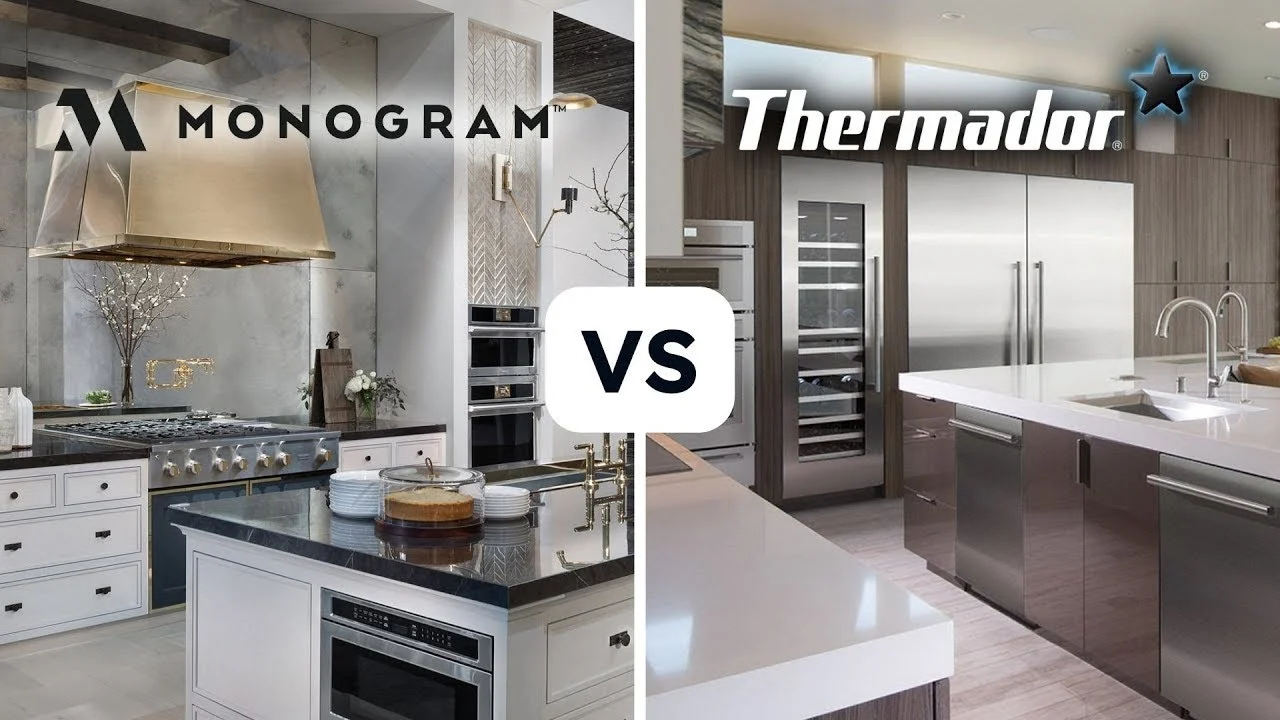
When it comes to outfitting a high‑end kitchen, the choice of appliance brand can feel like a crossroads between art and engineering. Two names that consistently surface in designer showrooms are Monogram and Thermador. Both promise luxury, but they approach the kitchen experience from distinct angles. Understanding those nuances helps homeowners avoid costly mismatches and ensures that the final space feels cohesive rather than a collection of disparate statements.
In this deep dive, we’ll explore the core philosophies that drive each brand, break down performance metrics, examine aesthetics, and address practical considerations such as installation, service, and resale value. Whether you’re a seasoned remodeler, a first‑time buyer, or simply curious about the latest in premium kitchen tech, the comparison of monogram vs thermador will give you the insight needed to make an informed decision.
We’ll also weave in actionable styling tips, common pitfalls to avoid, and quick takeaways that you can apply to any kitchen project. Let’s get started.
Monogram vs Thermador: Design Philosophy and Brand Identity
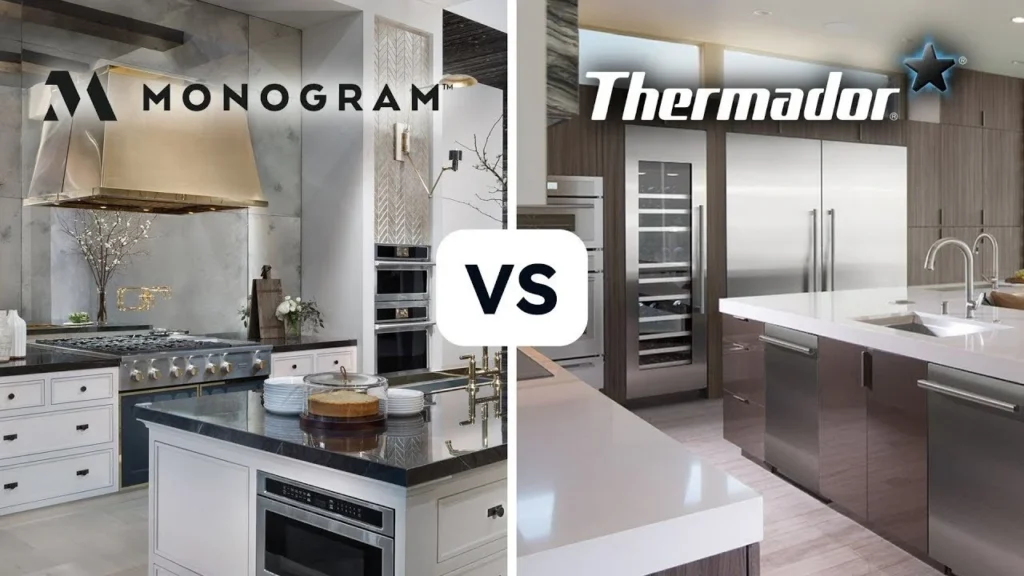
Monogram, a subdivision of the GE Appliances family, positions itself as a blend of classic elegance and modern convenience. Its design language often features clean lines, brushed metal finishes, and subtle hardware that can blend seamlessly into both traditional and contemporary settings. The brand leans heavily on a “timeless luxury” narrative, aiming to create appliances that act as quiet partners rather than focal points.
Thermador, owned by the BSH Group, champions a more avant‑garde approach. Originating from a German engineering tradition, Thermador appliances are known for bold, high‑contrast finishes, integrated controls, and a strong emphasis on professional‑grade performance. Their slogan, “The Kitchen of the Future,” reflects a commitment to pushing technological boundaries while maintaining a sleek, industrial aesthetic.
When evaluating monogram vs thermador, consider the overall visual language of your home. A farmhouse‑inspired kitchen with warm wood tones may harmonize better with Monogram’s understated elegance, whereas a sleek, stainless‑steel urban loft could benefit from Thermador’s cutting‑edge look.
Monogram vs Thermador: How Design Choices Influence Workflow
Beyond visual appeal, the design philosophy impacts daily workflow. Monogram often incorporates intuitive, tactile knobs and classic dial interfaces that feel familiar to those accustomed to traditional appliances. Thermador, on the other hand, emphasizes touchscreens, voice‑activated controls, and modular cooking zones that can be reconfigured on the fly.
For home cooks who value a straightforward, predictable experience, Monogram’s design may feel more comforting. Those who enjoy experimenting with multi‑zone cooking and integrated smart features might gravitate toward Thermador’s tech‑forward solutions.
Performance and Technology: Powering Your Culinary Adventures

Both brands claim professional‑grade performance, but they deliver it in different packages. Monogram’s flagship ranges often feature dual‑fuel options—gas burners paired with an electric oven—providing the best of both worlds for searing and baking. Their convection ovens use a patented “True Convection” system that circulates air evenly, resulting in consistent browning and reduced cooking times.
Thermador, however, is famous for its “Star® Burners” and “Power Burners” that deliver higher BTU outputs than many competitors, ideal for rapid boiling and high‑heat searing. Their “Induction” cooktops use electromagnetic fields for precise temperature control and faster heat response, a feature praised by chefs seeking exactness. Additionally, Thermador’s “Steam” ovens incorporate humidity control, a technology that can elevate bread crusts and keep meats moist.
When weighing monogram vs thermador for performance, ask yourself which cooking techniques dominate your routine. If you prioritize high‑heat wok cooking and rapid boil, Thermador’s burners may have the edge. If you prefer a balanced approach with reliable convection baking, Monogram’s offerings are compelling.
Build Quality, Materials, and Longevity
Durability is a cornerstone of both brands, but they achieve it through different material choices. Monogram appliances often employ stainless‑steel panels with a brushed finish, reducing fingerprints and offering resistance to corrosion. Interior cavities are lined with enamel‑coated steel that resists staining and is easy to clean.
Thermador takes a slightly different route, utilizing a polished stainless‑steel exterior that showcases a mirror‑like shine. Their interiors frequently feature a “Pyrolytic Self‑Cleaning” oven system that incinerates food residue at high temperatures, extending the lifespan of the oven cavity.
In real‑world tests, both brands have shown a lifespan of 12‑15 years with proper maintenance. However, Thermador’s high‑temperature cleaning cycles can accelerate wear on certain components if not used judiciously. Monogram’s more conservative approach to self‑cleaning may result in slower wear on internal parts.
User Experience: Controls, Smart Features, and Accessibility
Control interfaces shape how users interact with appliances daily. Monogram favors a blend of physical knobs, touch‑sensitive sliders, and clear LCD readouts. Their “SmartConnect” platform integrates with popular voice assistants like Amazon Alexa and Google Assistant, allowing basic commands such as “preheat the oven to 375 degrees.”
Thermador’s “Home Connect” ecosystem pushes the envelope further, offering a full suite of remote controls via a mobile app, recipe integration, and automatic cooking programs that adjust temperature and time based on sensor feedback. Their touch‑screen displays are customizable, letting users create shortcuts for their favorite cooking modes.
Accessibility is another factor. Monogram’s larger, tactile knobs are easier for users with limited dexterity, while Thermador’s sleek touch panels may require a steadier hand. If you have family members who prefer tactile feedback, monogram vs thermador evaluation should weigh this ergonomic nuance heavily.
Price, Value Proposition, and Resale Considerations
Premium comes at a price, and both Monogram and Thermador sit at the higher end of the market spectrum. Monogram ranges typically start around $5,000 for a basic built‑in refrigerator and can exceed $15,000 for a full suite of appliances. Thermador’s price points are comparable, with some high‑end models—especially those featuring steam ovens and advanced induction cooktops—reaching $20,000 or more.
Value, however, isn’t solely about the sticker price. Monogram offers a longer warranty on certain components, reflecting confidence in build quality. Thermador often includes extended service contracts that cover software updates and premium support, adding a layer of reassurance for tech‑savvy buyers.
From a resale perspective, both brands enhance a home’s marketability, but Thermador’s reputation for cutting‑edge technology can sometimes command a slightly higher premium in upscale markets. That said, local buyer preferences vary, so it’s wise to research neighborhood trends before committing.
Installation, Service, and After‑Sales Support
Installation complexity can influence total project cost. Monogram appliances are designed with a “plug‑and‑play” ethos, featuring standard dimensions that fit most cabinetry without extensive modifications. Their service network, backed by GE, offers a wide dealer base across the United States, often providing same‑day appointments for urgent repairs.
Thermador installations can be more intricate, especially when integrating advanced features like steam ovens or multi‑zone induction cooktops that may require dedicated electrical circuits and specialized venting. Their service partners are generally well‑trained but may have longer response times in rural areas.
When comparing monogram vs thermador, factor in the skill level of your local contractors and the availability of certified service technicians. A smooth installation experience can save you weeks of frustration and additional expense.
Styling Your Kitchen: Harmonizing Appliances with the Rest of the Space
Beyond performance, the aesthetic integration of appliances determines the visual flow of the kitchen. Monogram’s subtle brushed finishes pair nicely with natural wood cabinetry, matte countertops, and classic lighting fixtures. To see how a restrained palette can transform a room, explore wall décor with beige framed prints – timeless style for any room for inspiration on muted color schemes.
Thermador’s polished steel and sleek digital displays thrive in environments that celebrate high contrast—think black marble islands, glossy white cabinets, and contemporary pendant lighting. If you’re looking to create a bold entryway that mirrors your kitchen’s modern vibe, check out entryway décor with simple décor mirrors: transform your entry for ideas on reflective surfaces that echo Thermador’s shine.
Regardless of the brand, maintaining a cohesive design narrative is essential. Use consistent hardware finishes, coordinate countertop colors, and balance lighting to ensure your appliances become part of the overall story rather than isolated statements.
Quick Home Décor Tips for a Cohesive Kitchen
- Choose hardware finishes that match your appliance accents—brushed nickel for Monogram, polished chrome for Thermador.
- Incorporate a single accent color (e.g., deep navy or forest green) through backsplashes or bar stools to unify disparate elements.
- Use under‑cabinet lighting to highlight the sleek lines of Thermador’s stainless steel or the soft glow of Monogram’s brushed surfaces.
- Introduce natural textures like wood or stone to soften high‑tech environments, creating a balanced ambiance.
- Keep countertops clear of clutter; a minimalist surface showcases both brands’ design strengths.
Common Mistakes to Avoid When Choosing Premium Appliances
Even seasoned homeowners can slip into pitfalls when navigating monogram vs thermador decisions. Below are frequent errors and how to sidestep them:
- Focusing solely on brand prestige. A kitchen’s overall harmony matters more than a logo; consider how the appliance fits your design theme.
- Overlooking utility requirements. High‑power Thermador induction cooktops need dedicated circuits—skip this step and you’ll face costly rewiring.
- Neglecting after‑sales service. Verify local dealer support; a great appliance is only as reliable as the service behind it.
- Ignoring resale implications. Research market preferences; some buyers may favor the classic look of Monogram over Thermador’s futuristic aesthetic.
- Skipping a trial run. Many showrooms allow hands‑on testing—use it to gauge ergonomics and control feel before purchase.
Frequently Asked Questions
Which brand offers better energy efficiency, Monogram or Thermador?
Both brands comply with ENERGY STAR standards, but Thermador’s induction cooktops typically consume less energy than traditional gas burners found in many Monogram models. However, Monogram’s convection ovens are highly efficient, so the overall impact depends on the specific appliance mix you choose.
Can I integrate Monogram appliances into a smart home system?
Yes. Monogram’s SmartConnect platform works with major voice assistants and can be linked to popular smart home hubs. While Thermador’s Home Connect offers a broader suite of automation features, Monogram still provides reliable connectivity for most users.
Are Thermador appliances more difficult to repair than Monogram?
Thermador’s advanced technology can sometimes require specialized parts, which may lead to longer repair times. Monogram’s components are generally more standardized, making repairs quicker and often more affordable.
Do both brands offer customizable finishes?
Monogram provides a range of panel-ready options that allow you to match cabinet colors precisely. Thermador also offers panel‑ready models, but its signature polished steel finish is a hallmark that many buyers choose for its high‑gloss aesthetic.
Which brand retains its value better over time?
Both retain value well in the high‑end market. Thermador may command a slight premium in ultra‑modern homes due to its tech edge, while Monogram’s timeless design often appeals to buyers looking for classic luxury. Local market trends ultimately determine resale impact.
Is it possible to mix Monogram and Thermador appliances in the same kitchen?
While technically feasible, mixing brands can create visual dissonance unless you carefully coordinate finishes and design elements. If you choose to blend them, consider using a neutral countertop and unified hardware to tie the look together.
Choosing between monogram vs thermador is less about declaring a winner and more about aligning each brand’s strengths with your lifestyle, aesthetic preferences, and budget. By weighing design philosophy, performance, durability, user experience, and long‑term value, you can curate a kitchen that feels both luxurious and functional.
Remember that a well‑planned kitchen reflects your personal cooking habits and the visual story you want to tell. Take the time to explore showrooms, test controls, and visualize how each appliance will sit within your overall design scheme. When the pieces fit together harmoniously, the result is a space that inspires creativity and comfort for years to come.
For more inspiration on modern styling, don’t miss our latest article on home décor trends this year: fresh ideas for modern living. Happy designing!