
Table of Contents
- Entryway Décor with Simple Décor Mirrors: Why It Works
- Entryway Décor with Simple Décor Mirrors – Choosing the Right Shape
- Creating a Welcoming First Impression
- Balancing Light and Space
- Mixing Materials and Textures
- Small Entryways, Big Impact
- Seasonal Updates and Personal Touches
- Quick Tips for Using Simple Décor Mirrors in Your Entryway
- Common Mistakes to Avoid
- Frequently Asked Questions
Entryway Décor with Simple Décor Mirrors: Transform Your Entry
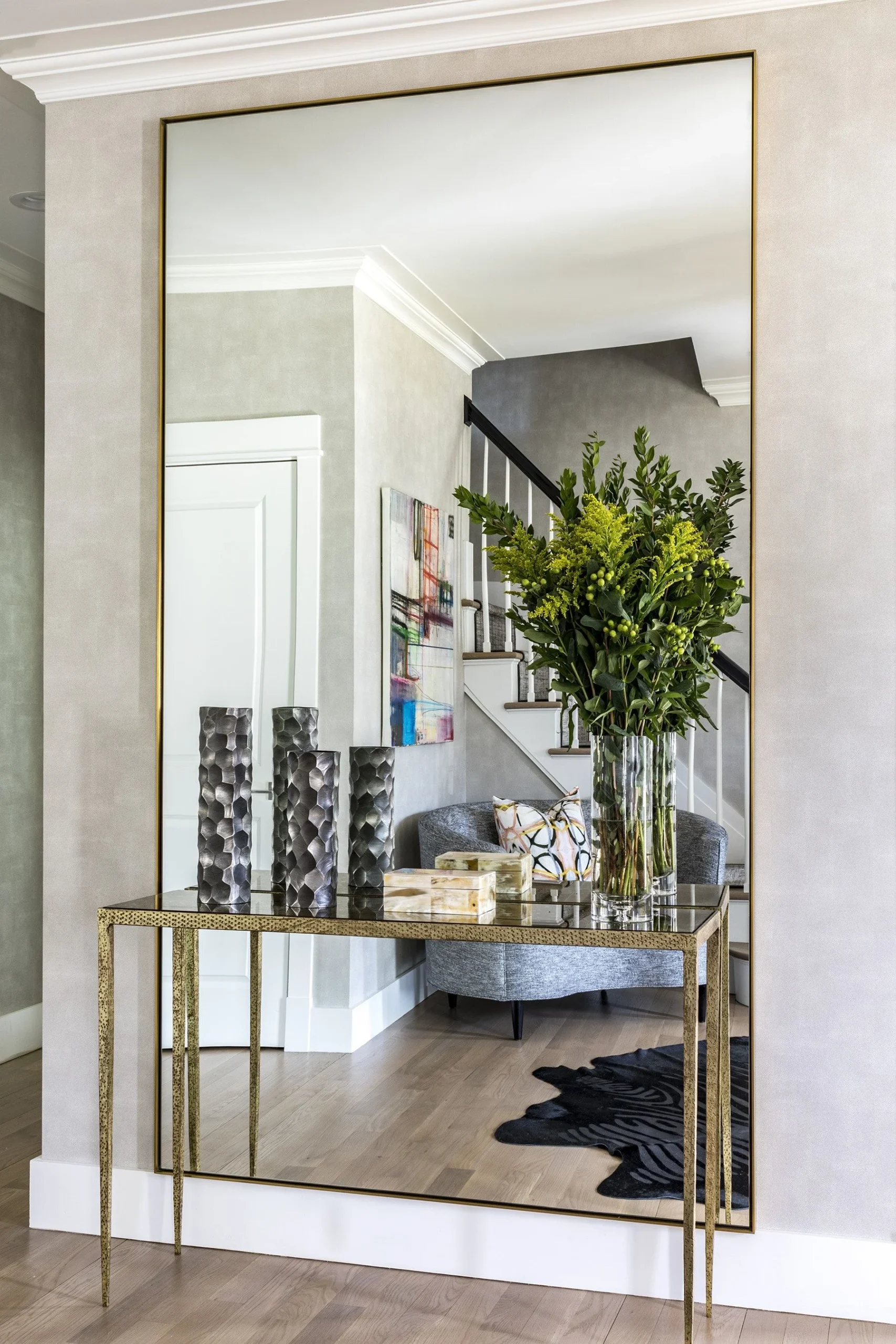
First impressions matter, especially when they begin at the front door. An entryway that feels inviting, bright, and organized sets the tone for the entire home. One of the most effective yet often overlooked tools for achieving this is a simple décor mirror. By reflecting light, expanding visual space, and providing a functional accent, a mirror can turn a cramped foyer into a welcoming portal.
In this guide we’ll explore why entryway décor with simple décor mirrors is a smart design choice, how to select the right style for your space, and practical ways to incorporate mirrors without overwhelming the room. Whether you’re a homeowner, renter, or a décor enthusiast, you’ll walk away with actionable ideas that blend aesthetics and utility.
Entryway Décor with Simple Décor Mirrors: Why It Works
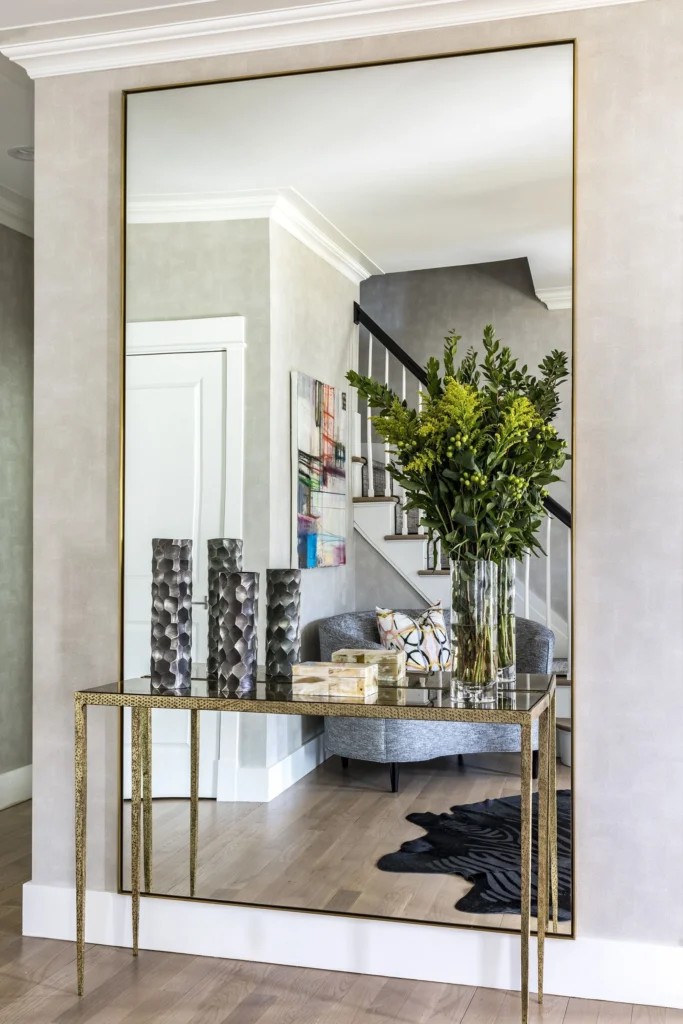
A mirror in the entryway does more than just show your reflection; it acts as a visual amplifier. By bouncing natural or artificial light around the space, it creates a sense of depth that can make even the narrowest hall feel airy. This effect is especially valuable in urban apartments where square footage is at a premium.
Beyond optics, mirrors serve as a canvas for personal style. A sleek, frameless piece offers a minimalist vibe, while an ornate, gilded frame can add a touch of elegance. Pairing the right mirror with complementary décor elements—like a console table, a coat rack, or a statement rug—helps you craft a cohesive look that feels both polished and lived‑in.
Entryway Décor with Simple Décor Mirrors – Choosing the Right Shape
The shape of your mirror influences how it interacts with the surrounding architecture. Round mirrors soften angular walls and can act as a focal point above a console. Rectangular mirrors elongate the visual line of a hallway, guiding the eye forward. For tight entryways, a vertical mirror placed near the door can add height, while a horizontal mirror above a narrow console can widen the perception of space.
When selecting a shape, consider the existing lines in your entryway. If your furniture is primarily straight‑edged, a round mirror introduces gentle contrast. Conversely, if you already have curvy elements, a rectangular or square mirror maintains a balanced aesthetic.
Creating a Welcoming First Impression
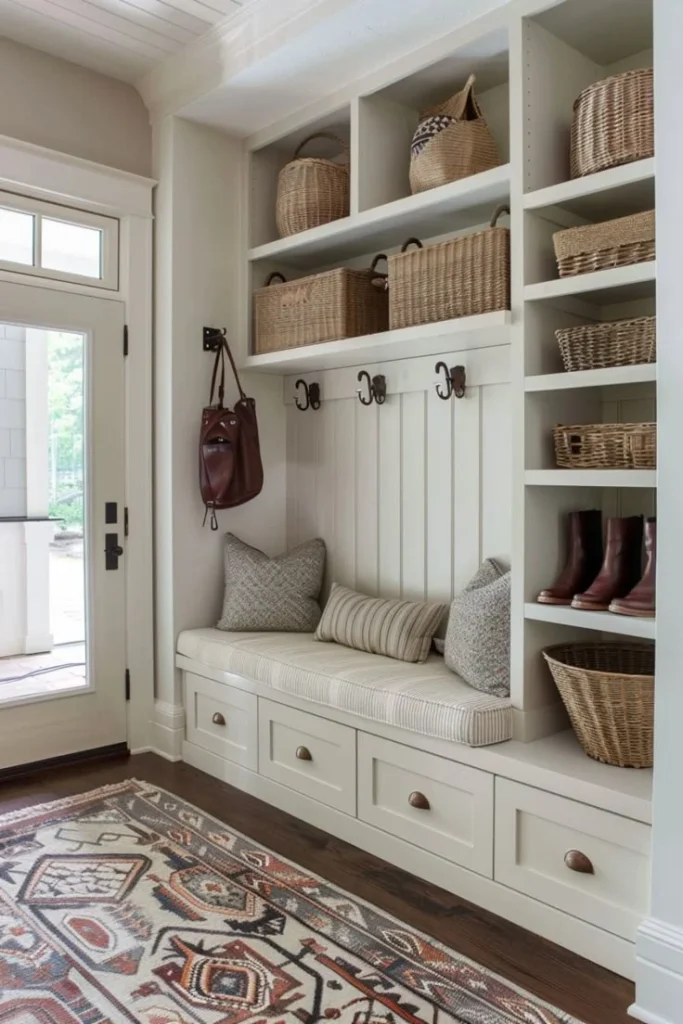
Beyond the mirror itself, think about the surrounding accessories that complete the entryway look. A simple décor mirror paired with a slim console table provides an ideal spot for keys, mail, and decorative trays. Add a small vase of fresh flowers or a stack of coffee‑table books to inject personality without clutter.
Lighting plays a pivotal role. A wall‑sconce or pendant placed near the mirror enhances its reflective power, creating a warm glow that welcomes guests. If natural light is limited, opt for LED fixtures with adjustable brightness to keep the space feeling fresh at any hour of the day.
- Use a narrow console that doesn’t obstruct traffic flow.
- Choose a mirror frame that echoes other hardware (door knobs, light fixtures).
- Incorporate a patterned runner rug to add texture without overwhelming the mirror.
Balancing Light and Space

Mirrors are natural light amplifiers, but their effectiveness depends on placement. Position the mirror opposite a window or a light source to maximize reflection. In darker homes, consider a mirror with a slightly tinted glass that diffuses glare while still brightening the area.
For homes with limited natural light, combine a mirror with a high‑CRI LED strip hidden behind a floating shelf. This subtle lighting not only highlights the mirror’s surface but also creates a contemporary look that aligns with modern home styling trends.
Mixing Materials and Textures
Simple décor mirrors can be paired with a variety of materials to add depth. Metal frames—brushed brass, matte black, or antique copper—bring an industrial edge. Wooden frames, whether reclaimed or polished, introduce warmth. When you mix these with soft textiles like a woven basket or a plush rug, you create a layered environment that feels thoughtfully curated.
Don’t forget the power of decorative accents. A small sculpture on the console, a set of decorative trays, or a curated collection of vintage keys can all sit beneath the mirror without competing for visual attention. The key is to keep the arrangement balanced, allowing the mirror to remain the centerpiece.
Small Entryways, Big Impact
In compact apartments or tiny houses, every square foot counts. A full‑length mirror can serve double duty as a dressing station and an optical enhancer. If wall space is scarce, a leaning mirror on a narrow console adds style without the need for permanent mounting.
Consider using a mirrored cabinet. The doors act as reflective surfaces while the interior offers storage for shoes, umbrellas, or seasonal accessories. This multifunctional approach embodies the small‑space decorating philosophy: combine form and function in a single piece.
Seasonal Updates and Personal Touches
One of the joys of entryway décor with simple décor mirrors is its adaptability. Swap out a seasonal runner rug, change the color of decorative pillows, or switch a vase’s filler flowers to reflect holidays or personal milestones. Because the mirror remains a constant, you can refresh the look without a major investment.
For a subtle pop of color, choose a mirror with a tinted frame—soft pastel for spring, deep teal for autumn, or warm gold for winter festivities. Pair these changes with the latest home décor trends this year to keep your entryway feeling current and inviting.
Quick Tips for Using Simple Décor Mirrors in Your Entryway
- Hang the mirror at eye level to maximize reflection and usability.
- Use a mirror with a thin frame to keep the focus on the reflected space.
- Combine the mirror with a narrow console that has built‑in storage.
- Place a small LED light strip behind the mirror for ambient glow.
- Rotate decorative items seasonally to keep the entryway fresh.
Common Mistakes to Avoid
Even seasoned decorators can slip up when integrating mirrors. Here are pitfalls to watch out for:
- Over‑mirroring: Too many reflective surfaces can feel chaotic. Stick to one or two focal mirrors.
- Poor placement: Hanging a mirror directly opposite a bright window may cause glare. Aim for an angle that softens light.
- Neglecting scale: A tiny mirror on a large wall looks lost; a massive mirror in a petite hallway overwhelms.
- Ignoring style cohesion: Ensure the mirror’s frame aligns with other hardware and décor pieces.
- Forgetting functionality: In high‑traffic entryways, choose a mirror with a durable backing to prevent damage.
Frequently Asked Questions
Can a mirror make a dark entryway feel brighter?
Absolutely. Mirrors reflect both natural and artificial light, distributing it throughout the room. Positioning the mirror opposite a light source maximizes this effect, creating a brighter, more inviting space.
What size mirror works best for a narrow hallway?
A tall, narrow rectangular mirror placed on one side of the hallway adds perceived height without crowding the path. Aim for a height that reaches at least three‑quarters of the wall space.
Is it okay to use a decorative mirror with a bold frame?
Yes, as long as the rest of the entryway remains understated. A bold frame can become a statement piece, while simple accessories keep the overall look balanced.
How do I hang a mirror safely in a rented apartment?
Use adhesive hooks rated for the mirror’s weight or removable mounting strips. Avoid drilling into walls unless you have permission, and always follow the manufacturer’s weight guidelines.
Should I choose a framed or frameless mirror for a modern look?
Frameless mirrors convey sleek minimalism and blend well with contemporary interiors. Framed mirrors add texture and can tie together other décor elements. Choose based on the overall style you’re aiming for.
Looking for more inspiration on how to pair mirrors with minimalist aesthetics? Check out minimalist wall décor ideas for a serene bedroom for complementary concepts you can adapt to your entryway.
If you’re curious about where to shop for affordable yet stylish mirrors, our guide on does Ross sell home decor offers insight into budget‑friendly options that don’t sacrifice quality.
Finally, for those interested in broader styling trends, explore our comprehensive resource on modern home décor secrets to keep your entryway in step with the latest design movements.
By thoughtfully selecting and positioning a simple décor mirror, you can instantly elevate your entryway’s functionality and aesthetics. Remember to balance light, scale, and style, and don’t shy away from seasonal updates that keep the space fresh.
Ready to transform your foyer? Apply these ideas, experiment with placement, and watch how a single mirror can redefine the way you experience your home from the moment you step inside.