
Table of Contents
- Understanding the Ingredients in Bath and Body Works Candles
- Are Bath and Body Works Candles Bad for Dogs? Key Safety Tips
- How Dogs React to Candle Fragrances
- Safe Alternatives to Traditional Candles
- Designing a Dog‑Friendly Home Without Sacrificing Style
- Quick Tips for Candle Safety Around Dogs
- Common Mistakes Homeowners Make With Candles and Pets
- Frequently Asked Questions
- Can a dog be poisoned by candle wax?
- Are there specific Bath and Body Works scents that are safer for dogs?
- How long can I safely burn a candle around my dog?
- Do essential‑oil diffusers pose the same risk as candles?
- What should I do if my dog shows signs of a reaction?
- Is it ever completely safe to use scented candles if I have a dog?
Are Bath and Body Works Candles Bad for Dogs? A Complete Safety Guide
When you light a scented candle, you’re often thinking about creating a cozy atmosphere, masking unwanted odors, or adding a subtle fragrance that complements your décor. However, if you share your home with a furry companion, that simple act can raise a surprising set of concerns. Dogs have a much more sensitive sense of smell than humans, and certain fragrance ingredients, wick materials, or even the heat from a candle can pose health risks.
This article explores the question are Bath and Body Works candles bad for dogs in depth. We’ll examine the ingredients commonly used, the ways dogs might be exposed, and practical steps you can take to enjoy your candles without compromising your pet’s wellbeing. By the end, you’ll have a clear understanding of how to balance a beautifully scented home with a safe environment for your canine friend.
Understanding the Ingredients in Bath and Body Works Candles
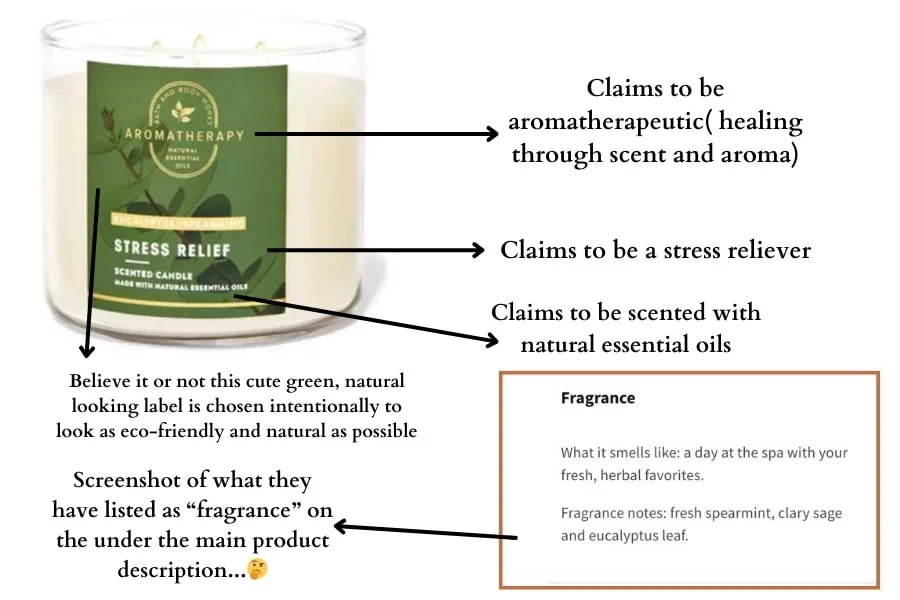
Bath and Body Works candles are popular for their strong, long‑lasting scents and attractive packaging. The primary components include paraffin wax, fragrance oils, and a cotton or paper wick. While these ingredients are generally safe for human use, dogs process chemicals differently.
Many fragrance oils contain essential oils such as eucalyptus, tea tree, or citrus extracts. In high concentrations, these can be irritating to a dog’s nasal passages or even toxic if ingested. Additionally, paraffin wax can release small amounts of soot and volatile organic compounds (VOCs) when burned, which may affect indoor air quality.
To answer the core question—are Bath and Body Works candles bad for dogs—you need to consider both the type of scent and the exposure level. A mild vanilla or lavender candle may pose minimal risk, while a strong “Winter Wonderland” blend with pine and fir can be more problematic.
Are Bath and Body Works Candles Bad for Dogs? Key Safety Tips
Here are practical measures you can adopt to minimize any potential danger:
- Choose candles with simple, natural fragrance profiles—avoid heavy blends that contain many synthetic chemicals.
- Keep the candle out of reach. A dog that knocks over a candle can both burn itself and inhale a larger dose of fragrance.
- Ventilate the room by opening a window or using an air purifier while the candle burns.
- Limit burn time to 1–2 hours and never leave the candle unattended.
- Observe your dog’s behavior. If you notice coughing, sneezing, or excessive licking, extinguish the candle immediately.
How Dogs React to Candle Fragrances

Dogs have up to 300 million olfactory receptors, compared to about 5–6 million in humans. This heightened sense means they can detect even faint scents that we might barely notice. When a candle releases fragrance particles, a dog may experience the following reactions:
- Respiratory irritation: Some scents can cause sneezing or coughing, especially in brachycephalic breeds like Bulldogs and Pugs.
- Gastrointestinal upset: If a dog licks candle wax or ingests a small amount of fragrance oil, it can lead to vomiting or diarrhea.
- Allergic skin reactions: Direct contact with the wax or heat can cause redness or itching.
While many dogs tolerate occasional exposure without issue, the cumulative effect of multiple scented candles in a small apartment can be problematic. If you’re wondering are Bath and Body Works candles bad for dogs, the answer often hinges on the dog’s size, health status, and the specific scent profile.
Safe Alternatives to Traditional Candles

If you love the ambiance candles provide but remain uneasy about potential hazards, consider these pet‑friendly options:
- Soy or beeswax candles: These often contain fewer synthetic additives and produce less soot.
- Unscented candles: They still give a warm glow without releasing fragrance chemicals.
- Electric diffuser plugs: Use natural essential oils in low concentrations, but always research which oils are safe for dogs.
- LED candle lights: Offer the visual appeal without any heat or fragrance.
These alternatives allow you to maintain a stylish décor while reducing the risk associated with the question are Bath and Body Works candles bad for dogs. For more ideas on creating a pet‑friendly living space, see our guide on neutral hallway plant décor ideas for modern homes.
Designing a Dog‑Friendly Home Without Sacrificing Style
Integrating pet safety into interior design doesn’t mean you have to give up on aesthetics. Here are a few design strategies that keep both style and safety in mind:
- Strategic candle placement: Use high shelves or wall-mounted candle holders that are out of a dog’s reach.
- Cozy zones: Create a designated pet lounge with washable blankets, keeping the scented area separate.
- Natural materials: Opt for furniture and décor made from pet‑safe fabrics like microfiber or leather that are easy to clean.
- Ventilation design: Incorporate ceiling fans or window treatments that encourage airflow when candles are lit.
Combining these tips lets you answer are Bath and Body Works candles bad for dogs with a nuanced approach: they can be used safely when integrated thoughtfully into a well‑planned interior.
Quick Tips for Candle Safety Around Dogs
- Always trim the wick to ¼ inch before lighting.
- Use a candle timer to prevent accidental over‑burn.
- Store candles in a sealed container away from pets.
- Rotate scents—don’t burn the same strong fragrance daily.
- Consider a pet‑safe air purifier to filter VOCs.
Common Mistakes Homeowners Make With Candles and Pets
Even well‑intentioned dog owners can slip up. Below are frequent errors and how to avoid them:
- Leaving candles unattended: Dogs love to explore; an unsupervised candle can become a fire hazard.
- Choosing overly strong scents: A candle marketed as “extra‑strong” may overwhelm a dog’s sensitive nose.
- Placing candles on low tables: Easy for a curious pup to bump into and tip over.
- Ignoring ventilation: Burned wax releases particles that accumulate, especially in small rooms.
- Not checking ingredient lists: Some fragrances contain essential oils that are toxic to dogs, such as cinnamon or wintergreen.
Frequently Asked Questions
Can a dog be poisoned by candle wax?
Ingesting a small amount of paraffin wax typically causes mild gastrointestinal upset, but large quantities can lead to more serious issues. It’s best to keep any candles well out of reach.
Are there specific Bath and Body Works scents that are safer for dogs?
Gentle, single‑note fragrances like “Vanilla Bean” or “Soft Cashmere” tend to be less irritating. Avoid scents with strong pine, eucalyptus, or citrus components, which are more likely to cause respiratory irritation.
How long can I safely burn a candle around my dog?
Limit burn time to no more than two hours at a stretch and ensure the room is well‑ventilated. If you notice any signs of discomfort in your dog, extinguish the candle immediately.
Do essential‑oil diffusers pose the same risk as candles?
Yes, many essential oils are toxic to dogs when inhaled or absorbed through the skin. Always research each oil; for example, lavender is generally safe in low concentrations, while tea tree oil can be harmful.
What should I do if my dog shows signs of a reaction?
Remove the dog from the area, ventilate the room, and contact your veterinarian. Keep a record of the candle brand and scent to help the vet assess the situation.
Is it ever completely safe to use scented candles if I have a dog?
Complete safety is hard to guarantee, but by selecting low‑intensity scents, using proper placement, and monitoring your pet’s behavior, you can minimize risks significantly.
In conclusion, the question are Bath and Body Works candles bad for dogs doesn’t have a one‑size‑fits‑all answer. The risk depends on the candle’s fragrance composition, the amount of exposure, and your dog’s individual sensitivity. By following the safety guidelines outlined above, you can enjoy the warm glow and pleasant aroma of candles while keeping your canine companion healthy and happy.
Remember, a well‑styled home is one that feels welcoming to everyone—including the four‑legged members of your family. For more inspiration on blending pet‑friendly design with modern aesthetics, explore our article on DIY décor with painted glass jars: Transform Your Space. Happy decorating, and keep those tails wagging!