
Table of Contents
- Acadia White vs Linen White: Choosing the Perfect Shade for Your Space
- How Lighting Influences Acadia White vs Linen White Choosing the Perfect Shade for Your Space
- Room‑by‑Room Guide: Matching the Right White to Your Lifestyle
- Pairing Paint with Finishes, Furniture, and Accessories
- Budget‑Friendly Strategies for Testing the Shades
- Quick Tips for a Flawless Finish
- Common Mistakes to Avoid When Choosing Between Acadia White and Linen White
- Frequently Asked Questions
- Putting It All Together: Your Decision‑Making Process
Acadia White vs Linen White – Choosing the Perfect Shade for Your Space
When it comes to brightening a room, the subtle difference between two off‑white paints can make a world of impact. Homeowners often stand in the paint aisle, torn between the cool undertones of Acadia White and the warm softness of Linen White. Understanding how each hue interacts with light, furniture, and the overall mood of a space is essential for creating a cohesive look that feels both inviting and polished.
In this guide we’ll walk through the visual characteristics of Acadia White and Linen White, explore which rooms benefit most from each shade, and provide actionable tips to help you decide which tone fits your design vision. By the end, you’ll have a clear roadmap for selecting the perfect white that enhances your home’s personality without the guesswork.
Acadia White vs Linen White: Choosing the Perfect Shade for Your Space
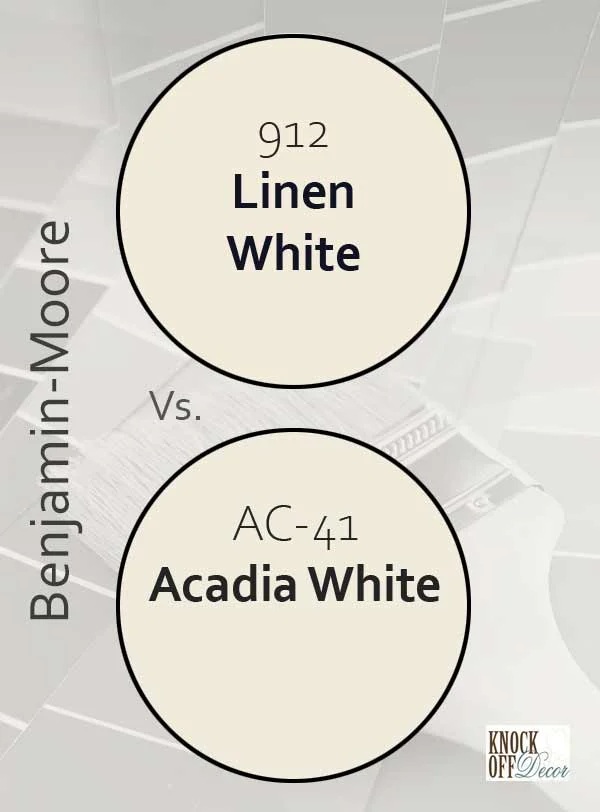
Acadia White leans toward a cooler palette, featuring subtle gray undertones that lend a crisp, contemporary feel. This shade works especially well in rooms with abundant natural light, as it reflects light without appearing stark. Linen White, on the other hand, carries a gentle beige warmth that adds a cozy, inviting atmosphere. It excels in spaces that benefit from a softer, more intimate ambiance, such as bedrooms or living rooms with limited daylight.
Both colors are versatile, but their performance hinges on the room’s existing elements—flooring, cabinetry, textiles, and even the direction the windows face. Pairing Acadia White with sleek metal fixtures, glass accents, and minimalist décor can amplify a modern aesthetic. Meanwhile, Linen White shines when combined with natural wood, warm textiles, and earthy tones, delivering a timeless, lived‑in look.
How Lighting Influences Acadia White vs Linen White Choosing the Perfect Shade for Your Space
Light is the ultimate arbitrator in any color decision. In bright, sun‑filled rooms, Acadia White’s cool undertones stay true, offering a fresh backdrop that enhances the sense of space. In contrast, the same paint in a dimmer room may appear too stark, creating a clinical vibe. Linen White thrives under softer lighting—whether from warm LED bulbs or the golden glow of sunset—because its beige undertones soften shadows and add depth.
When evaluating your space, observe it at three different times of day: morning, noon, and evening. Take note of how each light condition shifts the perception of the whites you’re considering. If a room feels cooler than you’d like in the afternoon, you might lean toward Linen White, whereas a space that feels overly warm could benefit from Acadia White’s cooler touch.
Room‑by‑Room Guide: Matching the Right White to Your Lifestyle
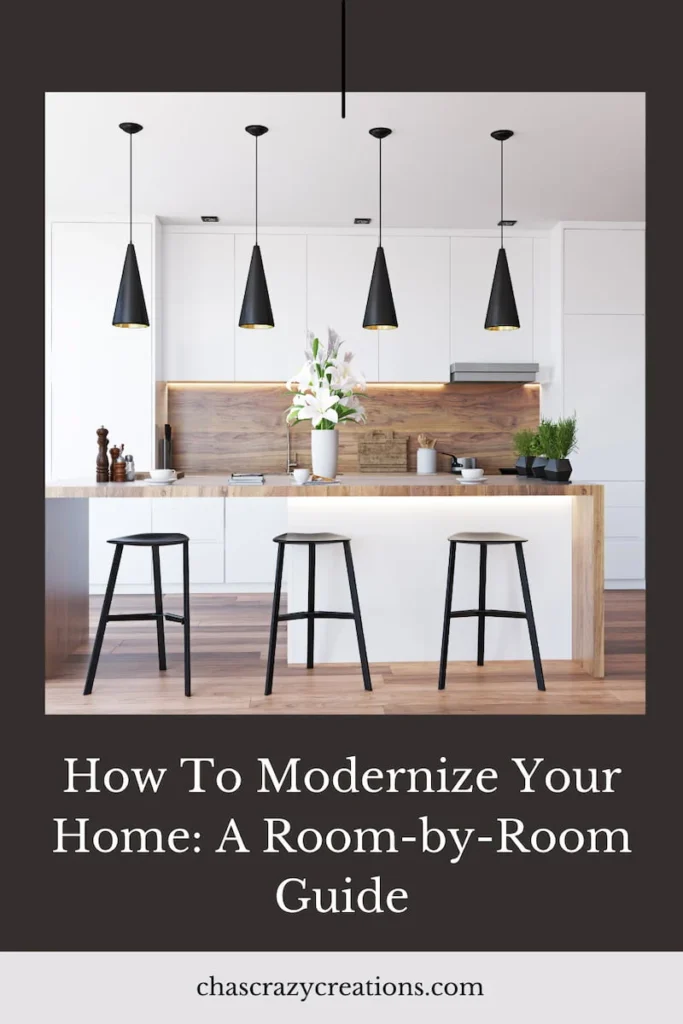
Choosing between Acadia White and Linen White isn’t only about aesthetics; it also reflects how you use each room. Below is a quick reference for common areas:
- Living Room: Linen White creates a welcoming environment for gatherings, especially when paired with plush sofas and wooden coffee tables.
- Kitchen: Acadia White’s crispness complements stainless steel appliances and bright countertops, making the space feel ultra‑clean.
- Bedroom: Linen White adds a soothing, restful vibe—perfect for unwinding after a long day.
- Home Office: Acadia White helps maintain focus by reducing visual clutter and reflecting daylight, which can improve productivity.
- Bathroom: Both shades work, but Acadia White can highlight modern fixtures, while Linen White offers a spa‑like warmth.
For a deeper dive into creating a harmonious living room, check out our simple wall décor ideas for living rooms. The principles of balancing color and texture there translate well to your white‑paint decision.
Pairing Paint with Finishes, Furniture, and Accessories
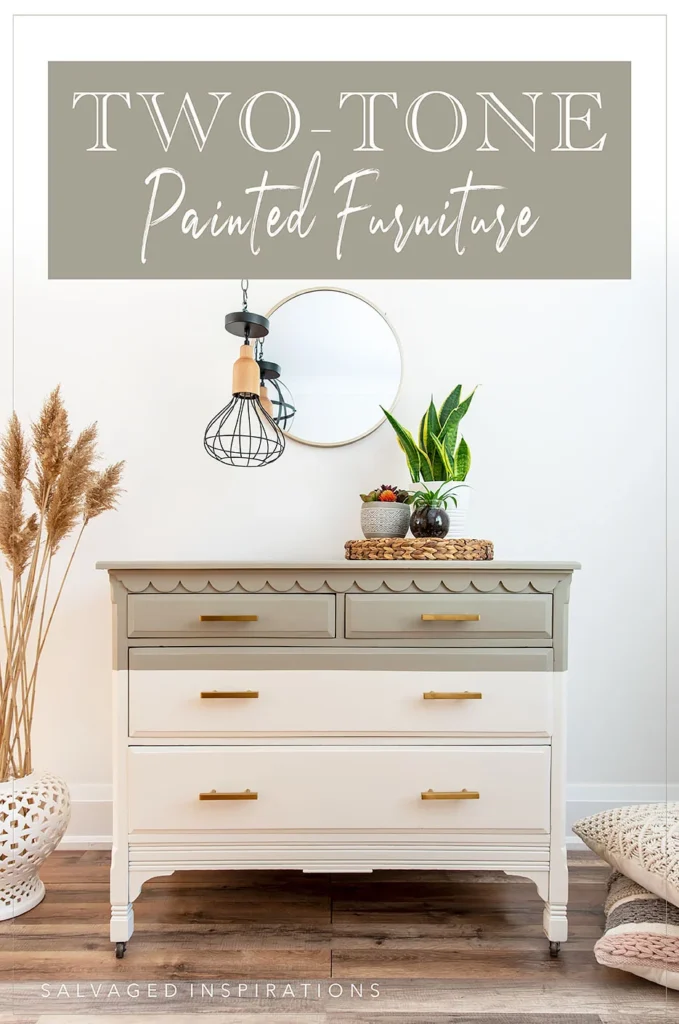
Once you settle on Acadia White or Linen White, the next step is to curate finishes that enhance the chosen shade. Here are some pairing suggestions:
- Acadia White: Pair with matte black hardware, brushed nickel lighting, and glass shelving for a sleek, contemporary vibe.
- Linen White: Combine with brass accents, natural rattan furniture, and textured linen curtains for a warm, layered feel.
Texture plays a critical role in preventing a room from feeling flat. Introducing tactile elements like a woven rug, a ceramic vase, or a chunky knit throw adds depth without compromising the clean look of a white wall.
Need inspiration for mixing textures? Our article on DIY décor with ceramic décor pieces offers practical ideas that work beautifully alongside both Acadia White and Linen White.
Budget‑Friendly Strategies for Testing the Shades
Before committing to an entire wall, try these low‑risk methods:
- Purchase small sample pots of Acadia White and Linen White.
- Paint a 12×12‑inch square on the wall at eye level.
- Observe the squares over a week, noting how each reacts to different lighting conditions.
- Use painter’s tape to create a “gradient” test, applying both shades side by side to compare directly.
This approach helps you visualize how each paint interacts with your existing décor and prevents costly repainting later. If you’re still undecided, consider a split‑wall design—using Acadia White on the upper half and Linen White on the lower half—to enjoy the best of both worlds.
Quick Tips for a Flawless Finish
- Prime the surface with a neutral primer to ensure true color rendition.
- Use a high‑quality microfiber roller for an even, streak‑free application.
- Apply two thin coats rather than one thick coat to avoid drips and uneven drying.
- Finish with a satin or eggshell sheen for easy cleaning while maintaining a soft appearance.
Common Mistakes to Avoid When Choosing Between Acadia White and Linen White
Even seasoned decorators can slip up. Here are pitfalls to watch for:
- Ignoring natural light: Selecting a shade without assessing the room’s lighting can lead to a space that feels too cold or too warm.
- Overmatching furniture: Pairing a cool white with overly warm furniture creates a jarring contrast. Aim for complementary undertones.
- Skipping the test patch: Relying solely on paint chips in a showroom often misrepresents how the color will look in your home.
- Choosing the wrong sheen: High‑gloss finishes amplify imperfections and can make a room feel harsh, especially with cooler whites like Acadia White.
Frequently Asked Questions
Which shade is better for small apartments?
Linen White tends to make compact spaces feel cozier without overwhelming them, while Acadia White can make a tiny room feel larger if there’s ample natural light.
Can I use Acadia White in a traditional farmhouse style?
Yes, but balance it with warm wood tones and vintage accessories to soften its modern edge. Mixing in rustic elements prevents the space from feeling too sterile.
Does linen white show dirt more than Acadia White?
Linen White’s warm undertones can mask minor scuffs better than the cooler Acadia White, which may reveal dust more readily under certain lighting.
What paint finish works best with these whites?
A satin or low‑luster (eggshell) finish offers a subtle sheen that is easy to clean while maintaining the softness of both shades.
How do I coordinate trim and baseboards?
For a seamless look, use a slightly brighter white for trim (often a “clean white”) to create a crisp line that frames either Acadia White or Linen White walls.
Putting It All Together: Your Decision‑Making Process
Start by assessing the room’s natural light, existing color palette, and functional needs. Next, test both Acadia White and Linen White using sample patches, observing how each responds throughout the day. Compare the mood each shade creates against the lifestyle you envision for that space. Finally, align your choice with complementary finishes, textures, and accessories to ensure a harmonious design.
Remember, the perfect shade isn’t just about the paint itself—it’s about how it interacts with every element in the room. By thoughtfully evaluating Acadia White vs Linen White choosing the perfect shade for your space, you’ll achieve a balanced, aesthetically pleasing environment that reflects your personal style.
Ready to explore more design inspiration? Dive into our guide on modern cozy home décor for ideas on pairing whites with contemporary comforts.