
Table of Contents
- How Did the Romans Decorate Their Homes: An Overview
- Fresco Techniques and Colour Schemes
- How Did the Romans Decorate Their Homes with Frescoes?
- Mosaic Flooring and Decorative Surfaces
- Roman Furniture: Form, Function, and Luxury
- Textiles, Curtains, and Soft Furnishings
- Lighting and Ambience
- Quick Home Décor Tips Inspired by Rome
- Common Mistakes When Adapting Roman Styles
- Frequently Asked Questions
- Bringing the Past Into Your Present Home
How Did the Romans Decorate Their Homes – Timeless Interior Secrets
The ancient Roman house is more than a relic of the past; it is a living lesson in how architecture and décor can shape everyday life. From modest insulae in bustling towns to opulent domus on the Palatine Hill, Romans paid meticulous attention to the look and feel of their private spaces. Understanding how did the Romans decorate their homes offers modern homeowners fresh ideas for creating rooms that feel both luxurious and functional.
Why does this matter today? Contemporary interior design constantly revisits the past for inspiration, and the Roman approach to colour, pattern, and spatial hierarchy provides a proven template for harmony and comfort. By exploring the materials, techniques, and aesthetics that defined Roman interiors, you’ll gain practical insights you can translate into modern living rooms, bedrooms, and even small apartments.
How Did the Romans Decorate Their Homes: An Overview
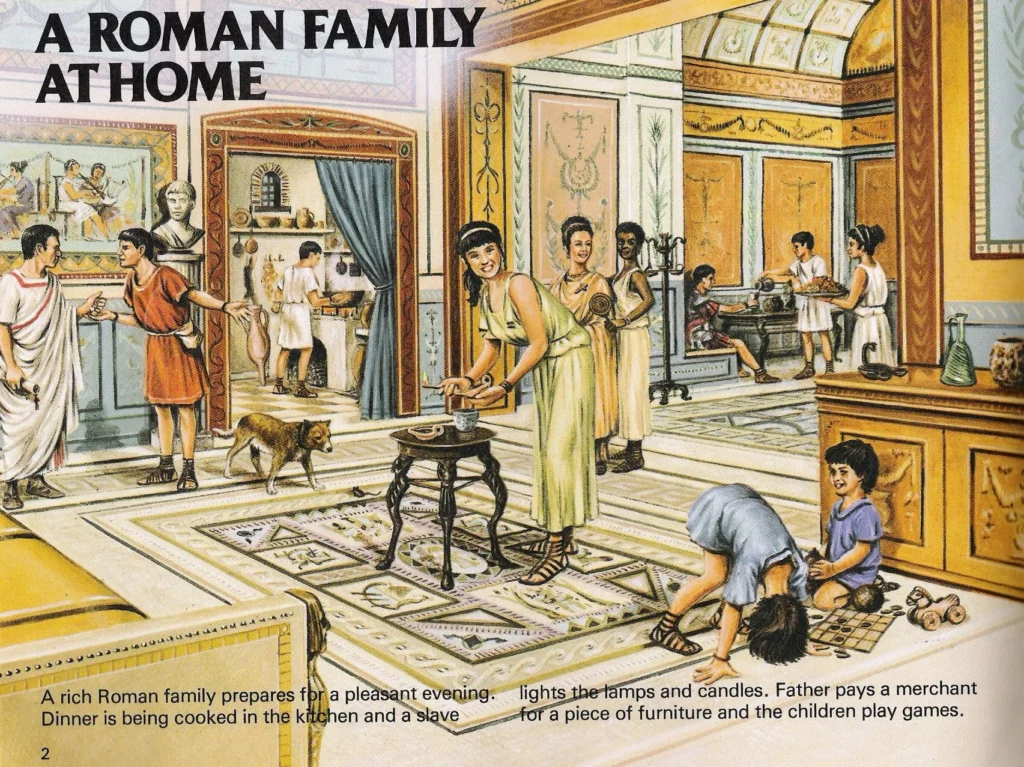
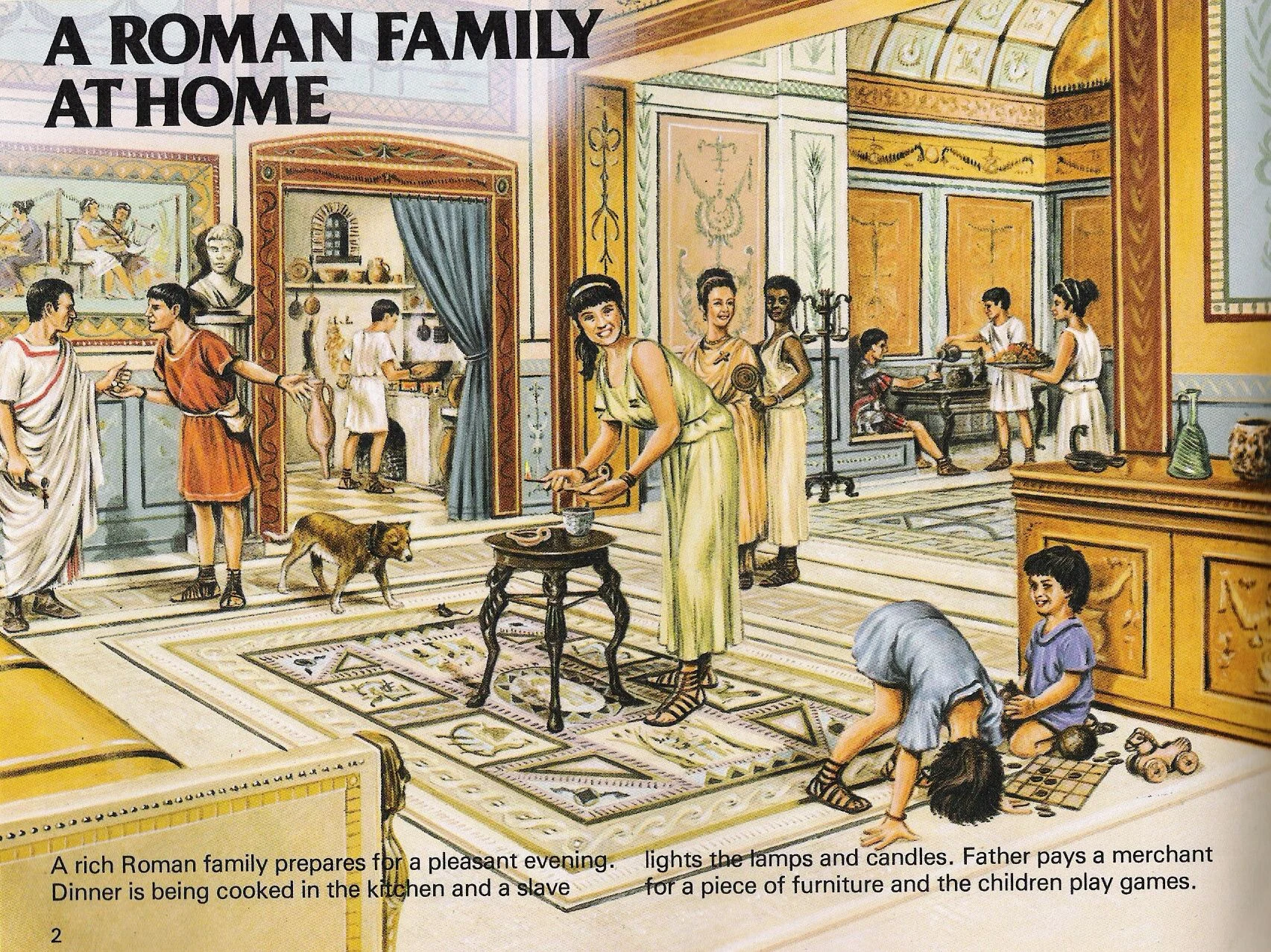
Roman domestic décor revolved around three core principles: visual richness, social signalling, and functional comfort. Wealthy households showcased status through elaborate wall paintings, marble flooring, and imported goods, while modest homes focused on practicality with simpler plaster finishes and locally sourced timber. The Romans borrowed heavily from Greek art, Etruscan motifs, and later, Eastern influences, blending them into a distinctive style that celebrated both opulence and order.
Key elements included:
- Frescoes – wall paintings applied directly onto wet plaster, creating vivid narratives that ranged from mythological scenes to everyday garden vistas.
- Mosaics – intricate stone or glass tesserae that formed geometric patterns or realistic floor scenes, often placed in entryways and baths.
- Furniture – wooden couches (curulis), chairs (sella), and storage units (armaria) finished with bronze fittings or ivory inlays.
- Textiles – woven curtains, cushions, and rugs that added warmth and acoustic dampening.
These components combined to create a layered interior that was at once artistic and livable. Modern designers can extract the Roman emphasis on texture, colour contrast, and storytelling to enrich today’s spaces.
Fresco Techniques and Colour Schemes
Fresco painting, known as buon opera, was the Roman answer to wall décor. Artists mixed natural pigments with lime plaster, applying the mixture while the surface was still wet so the colours became part of the wall itself. This method ensured durability and a luminous finish that changed subtly with natural light.
How Did the Romans Decorate Their Homes with Frescoes?
Romans organized frescoes into four “styles” that reflected evolving tastes:
- Style I (In‑Aperçus) – Simple geometric borders and monochrome fields, ideal for narrow corridors.
- Style II (Architectural) – Illusionistic columns, arches, and painted vistas that expanded the perceived space.
- Style III (Ornamental) – Rich decorative motifs, including intricate foliage and mythic creatures.
- Style IV (Narrative) – Full‑scale scenes from mythology, daily life, or exotic landscapes, often placed in the triclinium (dining room).
The colour palette favoured earth tones—ochres, reds, and umbers—balanced with brighter blues and greens derived from lapis lazuli or copper compounds. Modern homeowners can mimic this approach by using matte plaster finishes and accent walls that feature large‑scale mural art or patterned wallpaper that references Roman motifs.
For a contemporary twist, see how sustainable home design choices can incorporate natural pigments while staying environmentally friendly.
Mosaic Flooring and Decorative Surfaces
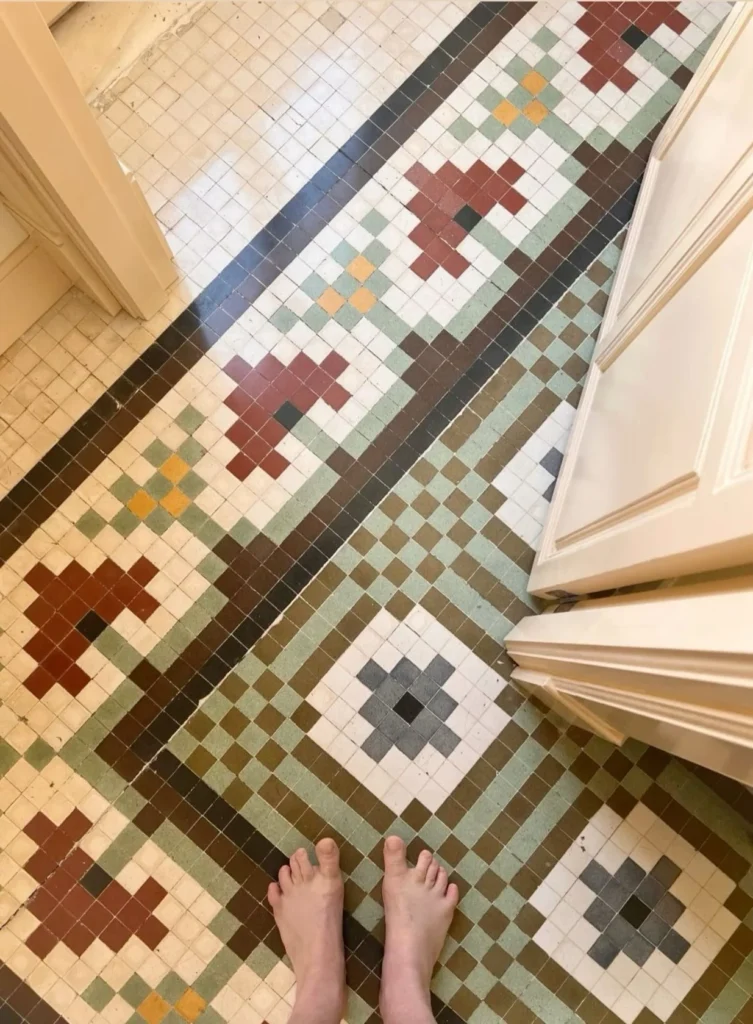
Mosaics were the Roman equivalent of today’s luxury floor tiles. Small pieces of stone, glass, or ceramic—called tesserae—were set into wet mortar to create intricate designs. Popular motifs included geometric patterns, marine scenes, and depictions of daily activity, such as hunting or market stalls. The durability of mosaics made them especially common in high‑traffic areas like atriums and baths.
Key considerations for modern mosaic use:
- Scale – Large‑format tiles work well in spacious rooms, while smaller tesserae suit bathrooms or entryways.
- Material – Porcelain or glass mosaics replicate the sheen of ancient glass while offering easier maintenance.
- Pattern – Geometric grids echo Roman order, while figurative panels add narrative interest.
When selecting a mosaic, think about the story you want your floor to tell. A subtle geometric border can frame a central rug, echoing the way Romans used mosaics to define zones within a single room.
Roman Furniture: Form, Function, and Luxury
Roman furniture blended utility with status symbols. The most recognizable pieces were the klines (couches) placed around a central table in the triclinium for reclining during meals. Wealthier homes featured chairs with curved backs and bronze or ivory inlays, while common households used sturdy wooden benches and storage chests.
Materials varied according to wealth:
- Wood – Oak, cedar, and pine were common; surfaces were often polished and coated with natural oils.
- Metal – Bronze or iron fittings added durability and decorative flair.
- Marble – Used for tabletops or decorative legs in elite homes.
To bring a Roman touch into a modern bedroom or living room, consider low‑profile couches with clean lines, paired with bronze‑toned accent tables. Adding a few hand‑carved wooden elements can echo the tactile richness of ancient interiors.
Textiles, Curtains, and Soft Furnishings
Although stone and plaster dominated public spaces, textiles softened Roman interiors. Wool, linen, and later silk were woven into curtains, wall hangings, and floor coverings. Richly dyed fabrics signalled wealth; the colour purple, for example, was reserved for the elite due to the expense of Tyrian dye.
Roman curtains served both decorative and practical purposes: they provided privacy, moderated sunlight, and added acoustic insulation. Modern equivalents—heavy drapes, layered sheers, and patterned cushions—can achieve the same balance of comfort and visual interest.
For ideas on integrating woven accents, explore our guide on home décor with woven décor accents. The guide offers tips on mixing textures to create depth, much like Roman interiors did with fabric and fresco.
Lighting and Ambience
Lighting in Roman homes was primarily natural, with large opening windows and atria topped by a compluvium (opening) that let daylight flood interior spaces. At night, oil lamps and bronze candelabra illuminated rooms, casting warm, flickering shadows that enhanced the colours of frescoes and mosaics.
Today’s designers can replicate Roman ambience by using layered lighting—ambient ceiling fixtures, directional spotlights to highlight artwork, and table lamps with warm‑toned bulbs. Adding a few oil‑lamp–style fixtures or bronze-inspired sconces provides a subtle historical nod without compromising modern safety standards.
Quick Home Décor Tips Inspired by Rome
- Use a muted earth‑tone palette for walls and add one bold accent colour reminiscent of Roman pigments.
- Incorporate a small mosaic runner in high‑traffic corridors to create visual interest and durability.
- Choose low‑profile, wooden furniture with clean lines; accent with bronze or brass hardware.
- Layer curtains with sheer and heavy fabrics to manage light and add texture.
- Install warm‑glow lighting fixtures that mimic the soft flicker of oil lamps.
Common Mistakes When Adapting Roman Styles
While the Roman aesthetic is alluring, a few pitfalls can undermine its effectiveness:
- Over‑decorating – Stacking too many patterns (fresco, mosaic, textile) can create visual chaos. Choose one dominant element and let others play a supporting role.
- Ignoring Scale – Grand Roman motifs suit spacious rooms; in smaller apartments, scale them down with subtle wallpaper or small mosaic tiles.
- Using Inappropriate Materials – Authentic stone or heavy marble may be impractical. Opt for lightweight porcelain or resin alternatives that imitate the look without the weight.
- Neglecting Function – Decorative pieces should also serve a purpose; a beautiful mosaic floor is ideal, but ensure it is easy to clean and maintain.
Frequently Asked Questions
What were the most common colours used in Roman frescoes?
Roman frescoes favored earthy reds, ochres, and umbers, complemented by blues derived from lapis lazuli and greens from copper-based pigments. These colours provided a warm backdrop that highlighted narrative scenes.
Can I use real mosaic in a modern bathroom?
Absolutely. Contemporary glass or porcelain mosaics are water‑resistant and slip‑resistant, making them ideal for showers and tub surrounds while evoking the classic Roman aesthetic.
How did Romans heat their homes?
Wealthy Romans used hypocaust systems—under‑floor heating chambers that circulated hot air from a furnace. Modern radiant floor heating mirrors this ancient method, offering an energy‑efficient way to keep spaces warm.
Did Romans have indoor plants?
Yes, many homes featured atria filled with potted trees and vines, bringing nature inside. Today, large indoor plants can create a similar sense of openness and fresh air.
What modern flooring mimics Roman mosaics without the cost?
Large‑format porcelain tiles with printed mosaic patterns provide a cost‑effective alternative, delivering the visual richness of Roman mosaics with easier installation.
Bringing the Past Into Your Present Home
Understanding how did the Romans decorate their homes reveals a timeless recipe: combine durable materials, rich storytelling, and thoughtful spatial hierarchy. By selecting a few key Roman elements—fresco‑inspired wall art, a modest mosaic runner, bronze‑touched furniture—you can craft interiors that feel both historic and wholly contemporary.
Remember, the goal isn’t to recreate a museum exhibit but to translate the essence of Roman elegance into a space that serves today’s lifestyle. Start with one focal point—a wall mural, a patterned floor, or a statement piece of furniture—and let the rest of the room follow its rhythm. As you experiment, you’ll discover that the ancient Romans were, in many ways, the original interior designers, and their principles remain remarkably relevant.
For more practical ideas, explore our guide on what causes a carpet to ripple, which offers tips on maintaining floor surfaces—useful whether you choose marble, wood, or mosaic.
With these insights, you’re ready to infuse your home with the timeless charm of Roman décor, creating rooms that are both beautiful and functional for years to come.